
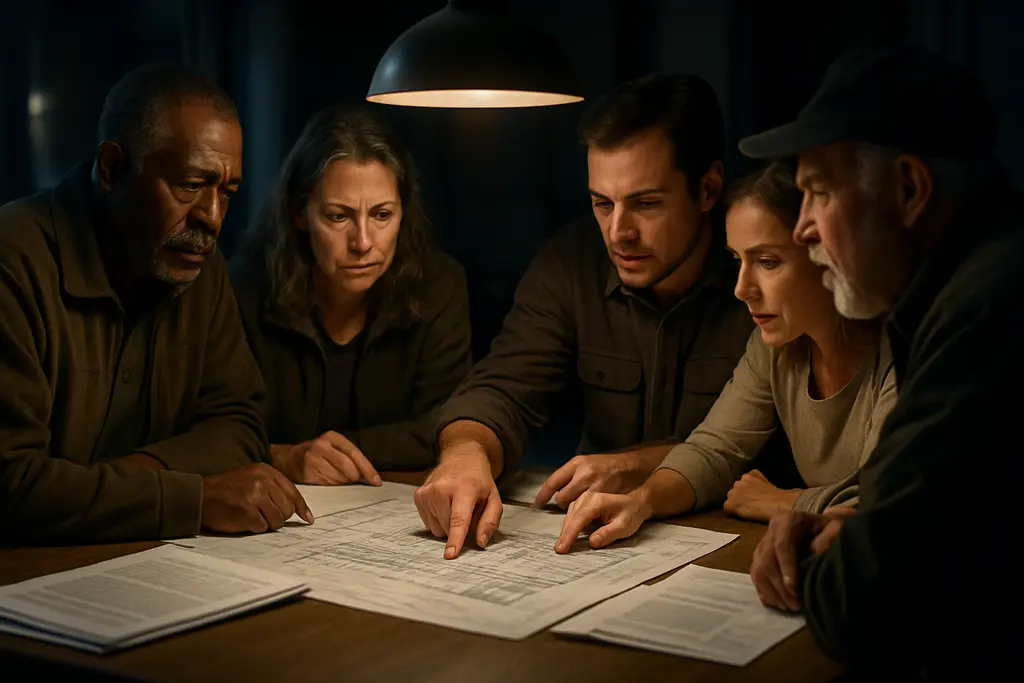
The Richland jail committee has become a key venue for facility decisions at Alvin S. Glenn Detention Center, where Richland County is dealing with federal findings, capital repair needs, population pressure, and budget strain at the same time. The most direct civic question is practical: what can County Council, detention center leadership, and residents track as the county moves from findings and meetings into measurable facility improvements?
The pressure on the county is not based on one issue. The U.S. Department of Justice announced on January 15, 2025, that conditions at Alvin S. Glenn Detention Center violated the Constitution, citing problems that included excessive violence, understaffing, contraband, and failure to protect people held at the facility; the department also said the jail housed about 965 people at that time, according to the Justice Department findings. Richland County Council records from April 1, 2025, also point to a separate fiscal problem: a $7.9 million detention center shortfall tied to higher operating costs, increased detainee count, inflation, higher contracted service costs, and overtime, according to Richland County Council minutes.
Those two records frame the facility discussion clearly. One is about constitutional conditions and safety. The other is about money, staffing costs, and the county budget. The detention center committee’s work sits between those two pressures.
Richland jail committee Priorities After DOJ Findings
What The Richland jail committee Can Measure
The county’s ad hoc work should be judged by visible, public measures rather than broad promises. The DOJ findings identified violence, contraband, staffing, and supervision as areas of concern. The same federal announcement said there were at least 60 stabbings at Alvin S. Glenn Detention Center in 2023. For residents, that means safety metrics should be part of any facility update: assault counts, weapon recoveries, officer staffing levels, housing unit checks, medical response times, and maintenance completion rates.
For the Richland jail committee, the capital side is just as significant. Research materials reviewed for this article say the Detention Center Ad Hoc Committee met on July 21, 2026, to review infrastructure and security upgrades, including a $40 million bond approved by County Council for capital improvements. Those improvements were described as including a new jail tower and continued dorm renovations. The same research materials say about two-thirds of open-bay dorm renovations were reported complete at that meeting.
That facility work matters because open-bay housing creates management challenges when population levels remain high and detainees are held for longer periods. Research materials from July 2026 described a detainee population of 1,022 people, with 478 held longer than 181 days and 290 held for more than one year while awaiting trial. Those figures point to a detention center that is not only processing short stays. It is housing many people for extended periods before trial, which changes the demands on housing, medical care, food service, recreation space, sanitation, and officer supervision.
Why Facility Design And Population Pressure Connect
A detention center built mainly for pretrial confinement can face a different operating reality when people remain there for many months. The research materials say about 57.14% of detainees in July 2026 were awaiting trial on violent-crime charges. That does not determine guilt, but it affects classification, housing, staffing, and security planning inside the facility.
Open-dorm crowding is one of the clearest facility concerns raised in the research notes. Former detainee accounts summarized in those materials described dorms designed for 56 inmates holding as many as 210. The county should treat that type of claim carefully and verify it through official capacity, bed, and population reporting. If confirmed through county records, such crowding would have direct implications for sanitation, ventilation, conflict prevention, and emergency response.
The county’s facility discussion also connects to a wider infrastructure conversation. Richland residents following public capital work can compare the jail process with other county projects, including Richland County infrastructure work that has required grant tracking, public works coordination, and council oversight.
Budget Pressure Shapes Facility Choices
Operating Costs Are Part Of The Repair Plan
Capital projects can address walls, locks, cameras, housing layouts, plumbing, and secure movement inside the jail. They cannot, by themselves, solve operating cost pressure. The April 1, 2025, County Council minutes tied the detention center’s $7.9 million budget shortfall to higher operating costs, detainee population growth of about 22%, inflation, higher contracted service costs, and overtime. That means the county’s repair plan needs a parallel staffing and operating plan.
The public should be able to see how much of the new spending is one-time construction and how much will create recurring annual costs. A new tower, renovated dorms, updated security systems, and improved medical or intake spaces can all require added staffing, maintenance contracts, utilities, technology support, and training. If those recurring costs are not shown early, the county may complete facility work while still facing stress in daily operations.
The Richland jail committee also has to separate urgent repairs from long-term corrections planning. Urgent work may include dorm renovation, security hardware, contraband controls, lighting, plumbing, and camera coverage. Long-term planning may involve jail population management, court case flow, alternatives for eligible detainees, medical contracting, mental health capacity, and recruitment. Some of those areas sit beyond facility construction, but they directly affect whether the building can operate safely.
Public Reporting Would Help Residents Track Progress
Richland County residents do not need vague updates. They need a practical scorecard that can be reviewed at regular public meetings. That scorecard should separate legal compliance, capital work, staffing, and population management so residents can see whether the county is making progress in each category.
- Facility work: dorm renovation status, tower planning, security system installation, plumbing and ventilation repairs, and maintenance backlog.
- Safety: assaults, stabbings, contraband incidents, housing unit checks, and emergency response data.
- Staffing: vacancies, overtime, training completion, officer retention, and supervisor coverage.
- Population: daily census, length of stay, people held longer than 181 days, and people held longer than one year while awaiting trial.
- Budget: bond spending, contract costs, overtime costs, and projected annual operating expenses.
That type of reporting would make committee work more useful for residents, businesses, employees, attorneys, families, and civic groups. It would also help County Council show how the $40 million bond-funded capital plan is connected to safety outcomes, not only construction milestones.
County Oversight And Civic Engagement

Residents Need Clear Meeting Records
Jail oversight is a county government issue with direct public cost. Richland County taxpayers fund the facility, county employees work inside it, families interact with it, and the courts depend on it. The county therefore has a strong civic reason to publish clear meeting agendas, minutes, project updates, budget amendments, and procurement information tied to detention center work.
For residents who track local government across county lines, an insightful perspective on civic matters from County Watchers can illuminate how facility oversight fits into the broader framework of public accountability. Still, the primary source for Richland County decisions should remain official county records, council meetings, and committee materials.
The wrongful-death settlement referenced in the research materials adds another layer of public concern. Those materials say Richland County approved a $3.8 million settlement on March 23, 2026, in the Lason Butler case, while healthcare contractor WellPath agreed to a separate $6 million settlement. The same notes say the settlement involved no admission of fault. Because the permitted source set for this article does not include the original settlement record, readers should treat those details as research-based context rather than as a substitute for official county legal documents.
What Stakeholders Can Ask Next
Public engagement does not require residents to master every detention policy detail. It requires asking specific questions at the right time. County Council, detention center administrators, procurement staff, and the ad hoc committee can all provide clearer answers when questions are tied to dates, budgets, and measurable outcomes.
Residents and business groups can ask whether the county has a published project schedule for the new jail tower, whether dorm renovations remain on budget, whether staffing projections match renovated capacity, and whether the county plans to publish monthly detention center performance data. Attorneys and court stakeholders can ask how long-stay detainee numbers are being tracked. Families can ask how facility changes affect visitation, medical access, and safety protocols.
The Richland jail committee should not be evaluated only by whether meetings take place. It should be evaluated by whether those meetings produce public records, clearer spending decisions, safer housing conditions, and measurable progress tied to the DOJ findings and County Council’s budget concerns.
Alvin S. Glenn Detention Center Committee Work
The next phase of Alvin S. Glenn oversight will be judged by delivery. The county has federal findings to answer, a reported capital plan to manage, a large operating shortfall to address, and a jail population that places daily pressure on staff and facilities. Those issues are connected, but they are not identical. Treating them as separate workstreams can help residents see where progress is occurring and where gaps remain.
The most useful public path is steady reporting: what was repaired, what remains unfunded, what staffing level is needed, what safety outcomes changed, and what timeline County Council is using for the tower and dorm work. The Richland jail committee can give Richland County residents a clearer view of those answers if it keeps the discussion anchored in official records, public votes, budget documents, and facility data.
