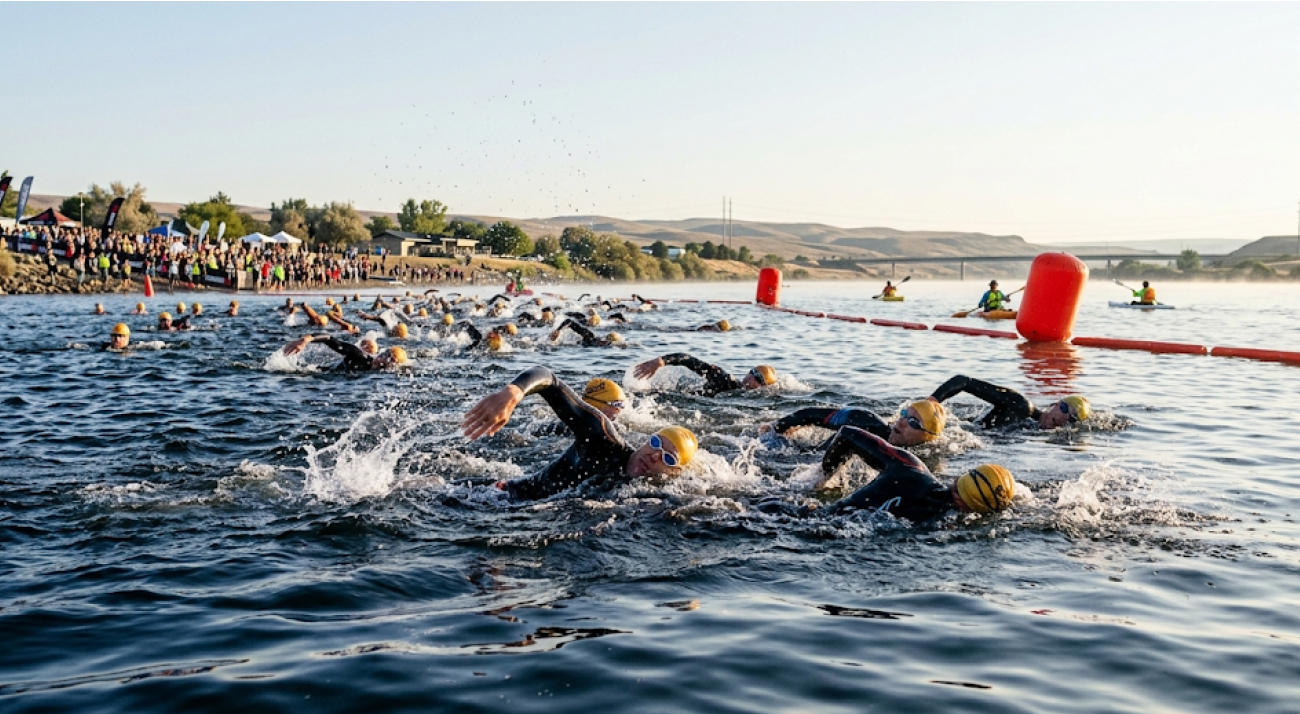
Richland, Washington, has turned an endurance sports competition into a significant annual tourism event. The 2026 IRONMAN 70.3 Washington Tri-Cities race generated an estimated $6.5 million to $7.5 million in direct visitor spending, according to preliminary data analyzed by Washington State University’s School of Economic Sciences and reported by the Tri-Cities Area Journal of Business on October 13, 2026. More than 2,100 athletes finished the September race, bringing traveling competitors, families, support crews, and spectators into the Tri-Cities.
The event’s economic importance extends beyond race day. Athletes need accommodation, meals, transportation, equipment, and places to spend time before and after the competition. Restaurants, hotels, retailers, and tourism operators can benefit from this concentrated demand, while visitors gain an introduction to a region they might not otherwise have considered.
The long-term outlook has also improved. On September 18, 2026, Visit Tri-Cities announced a new three-year agreement with The IRONMAN Group, keeping the event in the region through 2029. That commitment gives local businesses a recurring opportunity to prepare for the September visitor surge and gives tourism officials a longer planning horizon.
For Richland’s business community, the central question is how to turn this annual influx into lasting economic value. The spending estimate is substantial, but the broader opportunity lies in encouraging repeat visits, supporting locally owned businesses, and strengthening the Tri-Cities’ reputation as a destination for sporting events.
A $6.5 Million To $7.5 Million Spending Estimate Highlights The Event’s Reach
The 2026 race covered 70.3 miles across Richland and West Richland, combining a 1.2-mile downriver swim, a 56-mile cycling leg, and a 13.1-mile run. The course began with a swim in the Columbia River near Howard Amon Park, continued through the cycling route, and brought athletes along the river toward the finish at Columbia Point Marina Park.
According to the October 13 report from the Tri-Cities Area Journal of Business, preliminary analysis placed direct visitor spending between $6.5 million and $7.5 million. More than half of the athletes who finished came from outside Washington, and many traveled more than 500 miles to compete.
That geographic reach matters because visitors arriving from outside the region are more likely to require lodging and other travel services than residents attending a local event. The report also found that nearly 80% of participants who responded to an event survey stayed in hotels, motels, or vacation rentals, with many spending multiple nights in the area.
Direct visitor spending is different from a complete measure of economic impact. It captures purchases associated with the visit, while broader economic-impact studies may also examine supplier spending, employee earnings, and other secondary effects. The $6.5 million to $7.5 million estimate should therefore be treated as a preliminary measure of direct spending, not as a guaranteed increase in tax revenue or profit for local businesses.
Even with that distinction, the figure provides a useful indication of the event’s scale. Thousands of visitors arriving within a short period can create concentrated demand for accommodation, restaurants, retail, and other services. For businesses able to serve those visitors, the race offers an identifiable opportunity to plan inventory, staffing, promotions, and operating hours around a known event date.
Hotels And Restaurants Benefit From Visitors Staying Longer
Sports tourism can generate more value when visitors extend their trips beyond the competition itself. An athlete arriving before race day may need several nights of accommodation for registration, preparation, and recovery. Family members and support crews can add further room demand while spending on meals, shopping, and leisure activities.

Visit Tri-Cities’ 2025 annual report describes the event as an increasingly important part of the region’s visitor economy. It reports approximately 7,500 visitors associated with the race, with 90% traveling more than 150 miles. The report also cites a 94% satisfaction rating among surveyed visitors. These are destination-level figures reported in the 2025 annual report and should be distinguished from the 2026 finisher count and preliminary spending estimate.
The combination of travel distance, overnight stays, and positive visitor feedback can help explain why the event has become valuable to the region. Visitors may discover restaurants, wineries, riverfront parks, shops, and other attractions during their stay. A strong experience can also create a reason to return for a future vacation or another event.
For local operators, the practical challenge is converting the race calendar into a coordinated business opportunity. Hotels can communicate booking information early, restaurants can plan for peak meal periods, and retailers can stock products relevant to athletes and visitors. Local tourism partners can help visitors discover businesses outside the immediate race area.
The benefits will not be distributed equally across every business. Properties close to the course or hotels may experience different demand from businesses farther away, and some visitors may rely on accommodation or services outside Richland. Measuring room nights, visitor spending patterns, and participating business feedback can help organizers identify where future promotion and coordination could make the greatest difference.
A Three-Year Agreement Gives Businesses More Time To Prepare
Visit Tri-Cities announced on September 18, 2026, that it had reached a new three-year agreement with The IRONMAN Group. The arrangement extends the race’s presence in the Tri-Cities through 2029, following the event’s debut in 2024 and its first three-year hosting period.
The agreement is important because recurring events give businesses more certainty than one-time competitions. Hotels can forecast a known period of increased demand, restaurants can prepare staffing plans, and local suppliers can approach organizers and tourism partners about services and products. Businesses can also compare performance from one race year to the next rather than treating each event as an isolated opportunity.
The agreement does not guarantee that spending will rise every year. Attendance, visitor behavior, travel costs, weather, and the broader economy can all influence results. Still, a multi-year commitment creates time to improve the visitor experience and build relationships with participating businesses.
Visit Tri-Cities President and CEO Kevin Lewis said the community had embraced the event and that extending the partnership would allow the region to build on its momentum while bringing thousands of visitors and economic activity to the area. The IRONMAN Group’s Northwest Regional Director Tim Brosious also credited the Columbia River course, local scenery, volunteers, and spectators for helping establish the race as a destination within the IRONMAN 70.3 series.
These comments point to a factor that cannot be measured by spending estimates alone: the quality of the visitor experience. Reliable event operations, helpful volunteers, clear transportation information, and welcoming local businesses can shape how athletes and their companions remember a destination. Those impressions can support future travel and recommendations to other athletes.
For Richland, the next phase is to make the most of the time secured by the agreement. Early coordination among event organizers, lodging providers, restaurants, retailers, and public agencies can improve preparation and help more local businesses participate.
The Columbia River Course Gives The Tri-Cities A Distinctive Identity
The event’s location is a central part of its appeal. Rather than taking place on a closed circuit detached from the surrounding community, the race showcases the Columbia River, riverfront parks, roads through Richland and West Richland, and the people who support the competition.
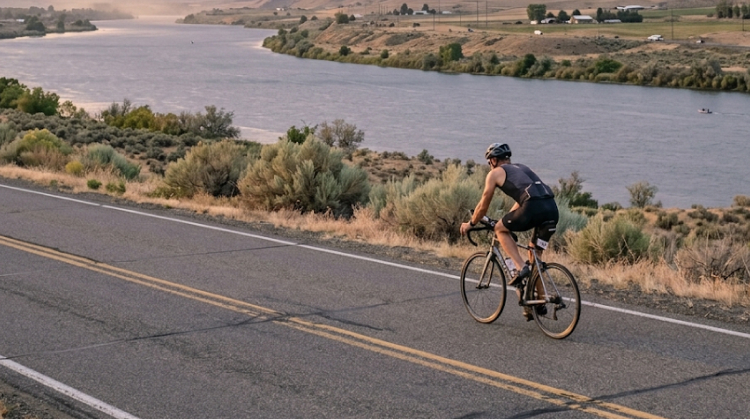
The race’s reputation has grown quickly. According to the October 2026 Tri-Cities Area Journal of Business report, the Tri-Cities event was named the world’s best run course and ranked No. 3 in both overall satisfaction and best swim course in North America in the 2025 IRONMAN 70.3 Athletes’ Choice Awards.
Such recognition can help destination marketers present the region to audiences beyond Washington. Athletes searching for future races may consider the event because of its course, while accompanying family members may be interested in outdoor recreation, food, wine, and other local experiences. A sports event can therefore serve as an introduction to a wider destination rather than simply a single-day competition.
This creates opportunities for local businesses to work together. Hotels can share information about nearby attractions, restaurants can develop visitor-friendly offers, and tourism organizations can promote itineraries that fit around athlete schedules. Such efforts should make the visitor experience easier without suggesting that every traveler will spend money at every participating business.
The regional benefit also depends on coordination across the Tri-Cities. Because the race route and visitor activity extend beyond one municipal boundary, Richland, West Richland, Kennewick, Pasco, and regional tourism partners have an interest in communicating road closures, transportation options, visitor information, and business opportunities clearly.
For Richland’s broader economic development and business community, the lesson is that a recognizable event can strengthen a destination’s profile when the surrounding visitor experience is easy to access and commercially connected.
Local Businesses Can Turn Race Weekend Into A Wider Opportunity
A major sporting event concentrates visitor demand, but the most effective local strategy begins well before athletes arrive. Businesses can use the event’s recurring September schedule to plan promotions, train staff, coordinate with suppliers, and communicate with visitors in advance.
Three practical priorities stand out:
- Prepare for overnight demand. Lodging operators, restaurants, and visitor services can coordinate staffing, booking information, and opening hours around expected visitor patterns.
- Make local businesses easier to discover. Tourism partners can promote restaurants, shops, outdoor recreation, and other attractions through race-related visitor information, digital guides, and hotel communications.
- Measure business outcomes. Participating businesses can track bookings, sales, visitor origins, and repeat visits to assess which services and promotions work best.
The event’s new multi-year agreement creates time to strengthen these efforts. Instead of measuring success solely through the number of athletes who finish, local stakeholders can also examine the number of overnight visitors, the distribution of spending, visitor satisfaction, and the extent to which businesses outside the immediate course benefit.
Those measures would provide a clearer picture of the event’s contribution to the regional economy. They would also help tourism officials make decisions about future marketing and event support based on observed results rather than assumptions.
The Economic Opportunity Extends Beyond Race Day
Richland’s IRONMAN 70.3 event demonstrates how a specialized sporting competition can bring a substantial number of visitors to a regional destination. Preliminary analysis estimated $6.5 million to $7.5 million in direct visitor spending in 2026, more than 2,100 athletes finished the race, and a new agreement will keep the event in the Tri-Cities through 2029.
Those figures make the race an important case study in sports tourism. Yet the longer-term outcome will depend on how effectively the region converts a concentrated weekend of activity into lasting business relationships, repeat travel, and a stronger destination reputation.
The opportunity is broader than hotel rooms or restaurant receipts. A well-run event can introduce visitors to the Columbia River, local attractions, and the wider Tri-Cities community. It can give businesses a recurring reason to collaborate and provide tourism officials with a platform for promoting the region to new audiences.
For Richland, the next three years offer a chance to build on the event’s early results. Coordinated planning, useful visitor services, local business participation, and transparent economic reporting can help ensure that the benefits reach beyond the finish line. If the region can sustain a high-quality race experience and connect visitors with more of what the Tri-Cities offers, IRONMAN 70.3 can remain a meaningful part of its year-round tourism strategy.
