
Richland Recreation Facilities are one of the most visible public-service systems in Richland County, touching youth sports, senior wellness, aquatics, tennis, golf, community rentals, and neighborhood programming. The Richland County Recreation Commission, commonly known as RCRC, manages a countywide network that includes 41 recreation sites, according to Columbia SC Sports. For residents, the key civic question is not only how many facilities exist, but whether they are accessible, well maintained, and matched to the daily needs of communities across the county.
What The Commission Operates
Richland Recreation Facilities By Site Type
The research record points to a broad mix of public recreation assets under RCRC. That mix includes parks, community centers, adult activity centers, outdoor pools, athletic complexes, technology centers, tennis facilities, and a public golf course. RCRC’s reach matters because recreation is not a single service. A county resident looking for summer swimming, a parent seeking youth programs, an older adult looking for social activity, and a team needing practice space may all interact with the same public agency in different ways.
RCRC is reported to operate nine community centers, three adult activity centers, four outdoor pools, three athletic complexes, two technology centers, three tennis centers, and an 18-hole, par 73 golf course. The county management audit describes the golf course and tennis centers as part of the commission’s facility responsibilities, including tennis programming such as lessons, camps, clinics, tournaments, and open play for children and adults in the management audit.
Pools, Courts, Centers, And Public Use
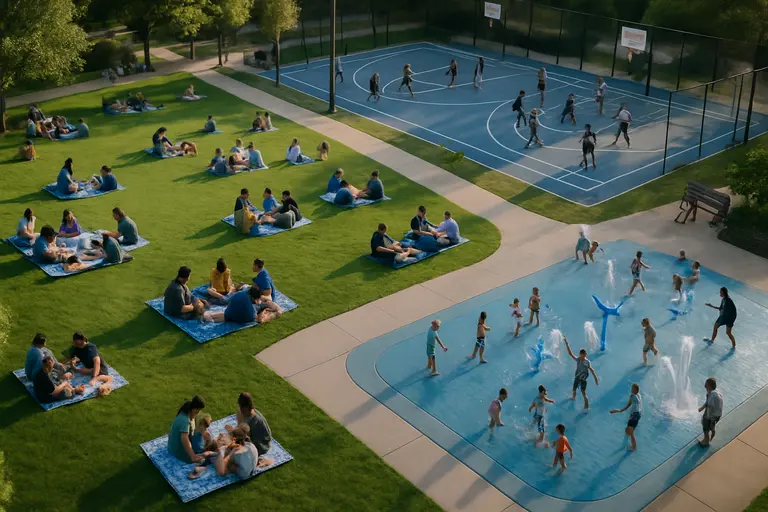
The four outdoor pools identified in the research are located at Eastover Park, Hopkins Park, St. Andrews Park, and Trenholm Park. Their seasonal nature makes scheduling, staffing, admission, and safety communication especially important for families planning summer activity. Community centers and adult activity centers serve a different purpose. They can provide indoor gathering space, wellness programming, recreation classes, and rental opportunities that keep public facilities active beyond sports seasons.
The technology centers are also worth watching from a civic standpoint. Recreation agencies are often judged by fields and courts, but public computer access and digital skills programming can help residents who need support for schoolwork, job searches, online forms, or basic connectivity. The research identifies two technology centers, which suggests RCRC’s facility network includes both physical recreation and learning-oriented public space.
How Richland Recreation Facilities Reach Residents
Access Across Unincorporated Areas
The best measure of Richland Recreation Facilities is whether residents can use them without facing unreasonable travel, cost, scheduling, or information barriers. RCRC’s service area is described in the research as the unincorporated areas of Richland County, a major responsibility in a county with urban, suburban, and more rural communities. That service pattern means the commission’s decisions can affect families who may not have a city recreation department nearby.
Because the network includes 41 sites, public access depends on more than having facilities on a map. Residents need clear program calendars, reliable hours, safe buildings, maintained fields, usable pools, and a simple way to learn what is available. A community center that is open but not programmed may not meet the same need as one that offers regular activities for youth, adults, and seniors. A field that is scheduled heavily for league play may have a different public value than one available for casual use.
The Wellness Center Addition
The research also notes that RCRC acquired the 50,000-square-foot Richland County Wellness Center in December 2024, formerly the Katie and Irwin Kahn Jewish Community Center. That acquisition, as reported in the research, is a major facility change because it adds a large wellness-oriented property to the public recreation system. The long-term public value will depend on how RCRC programs the space, how residents learn about access, and how the center fits with existing parks and community centers.
Large facilities can create new opportunities, but they also create operating questions. County residents may reasonably ask how staffing, maintenance, utility costs, rentals, and programming will be handled. Those questions are not criticism; they are part of public stewardship. Recreation facilities are community assets only if they remain usable, safe, and financially planned.
Why Facility Mix Matters For Civic Value
Health, Youth Programs, And Senior Activity
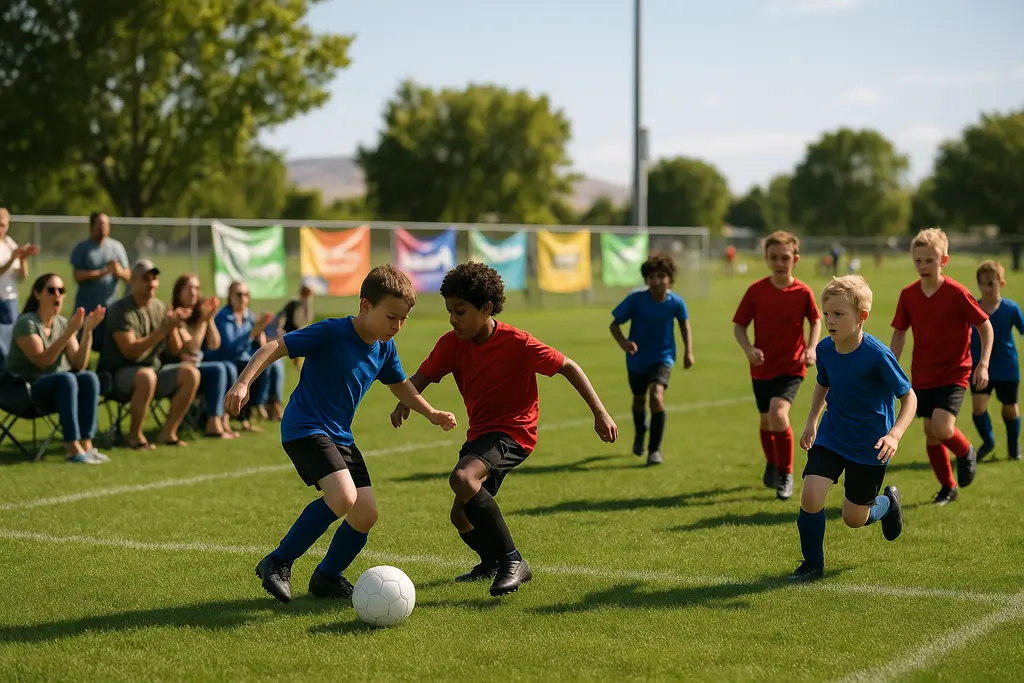
For Richland Recreation Facilities, diversity of use is central to public value. Pools support swim access and seasonal family activity. Athletic complexes support organized sports. Community centers offer space for learning, meetings, and activities. Adult activity centers support wellness and social connection for seniors. Tennis centers and the public golf course serve both instruction and recreation. Taken together, the network gives residents multiple entry points into public recreation rather than a single program model.
This range also affects local economic life. Recreation sites need workers, instructors, maintenance support, equipment, supplies, and outside services. The research includes an employment estimate of about 152 people for the commission, though that figure comes from a business data source rather than an official county audit. Because of that, it should be treated as an estimate unless confirmed through RCRC budget or personnel records.
Facilities And Local Public Investment
Facility systems require steady investment. Roofs, pools, courts, lighting, parking lots, walking areas, restrooms, accessibility improvements, and mechanical systems all carry costs over time. Residents following recreation facilities may also want to track broader county capital planning, including public works and infrastructure updates such as Richland County infrastructure work, because recreation access is often tied to roads, stormwater, parking, and safe site conditions.
Local businesses may also have a stake in how recreation assets are maintained and improved. Contractors, trainers, vendors, event service providers, and small firms can benefit when procurement is transparent and reachable. County readers watching public purchasing may find related civic context in reporting on how Richland small business support connects firms with contracting and training opportunities.
- Ask RCRC which facilities have the highest maintenance needs and how those needs are prioritized.
- Review public meeting agendas for facility upgrades, acquisitions, leases, or major program changes.
- Compare program availability across neighborhoods, age groups, and transportation access points.
- Request clear seasonal information for pools, camps, clinics, rentals, and open-play hours.
Richland Recreation Facilities And Civic Follow-Through
What Residents Can Watch Next
Richland Recreation Facilities should be judged through practical civic measures: access, maintenance, transparency, safety, program reach, and financial planning. The 41-site network gives RCRC a significant public role, but size alone does not answer whether every community is being served well. Residents can look for posted agendas, budget documents, audit responses, facility schedules, and public notices that explain how decisions are made.
The management audit included in the research base is especially relevant because recreation systems depend on both facilities and administration. Payroll, human resources, governance, and facility oversight all affect the quality of public service residents see at the park gate, pool entrance, tennis court, or community center desk. A well-used facility still needs accountable management behind it.
For residents who follow county services beyond recreation, additional coverage of related civic interests can be found through County Watchers. Monitoring these resources is valuable because recreation decisions rarely occur in isolation; they are connected to broader issues such as county budgets, neighborhood access, transportation, youth activity, senior wellness, and local business engagement.
The practical next step is straightforward: residents should treat recreation as a public system worth monitoring, not just a set of parks to visit. RCRC’s mix of centers, pools, courts, complexes, technology spaces, golf, and wellness facilities gives Richland County a wide public platform. The community benefit will depend on whether the commission keeps that platform open, safe, well programmed, and clearly explained to the people it serves.
