

Shoreline Capital Projects are a clear line item in Shoreline School District’s fiscal planning as of October 6, 2026. The district’s 2026-27 budget totals $267.1 million, with $17.9 million, or 6.71%, assigned to the Capital Projects Fund, according to Shoreline School District budget materials. For families, staff, contractors, and taxpayers, that fund separation matters because it shows which dollars are set aside for long-term building work, repairs, technology needs, and facility improvements rather than daily classroom operations.
The same budget lists $28.5 million, or 10.67%, for the Debt Service Fund. That money is used to pay principal and interest tied to past bond financing for construction and renovation work, according to the district’s budget page. Together, the capital and debt service figures show that facility planning is not a side issue for the district; it is a visible part of the public budget.
For Richland-area readers who follow school facilities and civic finance, Shoreline offers a useful comparison point. District capital planning is often judged by the same practical questions: what is funded, which buildings are affected, how safety needs are handled, and how residents can track public decisions. A prior local recap of the Shoreline capital plan recap also placed district facility work in the context of public planning and budget review.
How Shoreline Capital Projects Fit The 2026-27 Budget
Shoreline Capital Projects And The Capital Fund
The Capital Projects Fund is the most direct budget category for facility work. Shoreline School District describes this fund as covering long-term needs, including building repairs, technology modernization, and facility safety upgrades. For Shoreline Capital Projects, that separation helps residents distinguish between money used for physical assets and money used for annual operating expenses.
That distinction is useful during budget hearings and board review. A dollar assigned to the Capital Projects Fund is not serving the same purpose as a dollar assigned to the General Fund. The district’s public budget structure also includes the General Fund, Transportation Vehicle Fund, Debt Service Fund, and Associated Student Body Fund, according to district materials. Each fund has a different role, which is why residents should be cautious about treating the district budget as one interchangeable pool of money.
Debt Service Keeps Past Building Decisions Visible
The Debt Service Fund is another public accountability marker. The $28.5 million listed for 2026-27 reflects the continuing cost of bonds issued for construction and renovation. That does not describe a new classroom program or a new building by itself; it describes repayment obligations tied to prior capital financing decisions.
For taxpayers, debt service is one of the clearest reminders that facility decisions last for years. A board can approve a project in one budget cycle, but repayment and maintenance can remain visible across later budgets. That is why capital planning should be reviewed not only by project name, but also by financing method, debt schedule, and public benefit.
Briarcrest Work Connects Safety And Modernization
Door Hardware Is A Daily Safety Issue
One project tied to the district’s modernization work is Briarcrest Elementary School Modernization Project Phase 2. The state Office of Minority and Women’s Business Enterprises posted a bid opportunity for the project, and the notice identifies work involving door and hardware assemblies as part of the project scope, according to the Briarcrest project notice.
Door and hardware work may sound routine, but it is closely tied to daily school operations. Entry points, interior movement, secure access, and emergency egress all depend on doors that function as intended. The research notes for this topic also connect Briarcrest work with safety-relevant upgrades such as door hardware, partitions, and audiovisual systems, though this article cites only the official source links available in the approved source set.
That limited sourcing matters. Public discussion of school safety can quickly move beyond what the record shows. Here, the supported point is narrower and more useful: Briarcrest has a modernization phase documented through a state bid notice, and that notice includes door and hardware assemblies within the work.
What Contractors And Families Can Track
Contractors can watch bid opportunities for project scope, deadlines, and purchasing requirements. Families can watch district budget materials for how the Capital Projects Fund and Debt Service Fund shift from one fiscal year to the next. Both forms of civic attention are practical because they connect public spending to visible facilities.
Residents do not need to be construction experts to ask informed questions. They can ask which buildings are scheduled for work, how projects are prioritized, how safety needs are documented, and whether technology work is being funded through capital dollars or another source. For those interested in broader civic coverage, related resources are available on ITPR, which can be particularly useful for tracking public agencies and community decision-making.
Why Fund Separation Matters For Civic Oversight
Capital Dollars Are Not General Operating Dollars
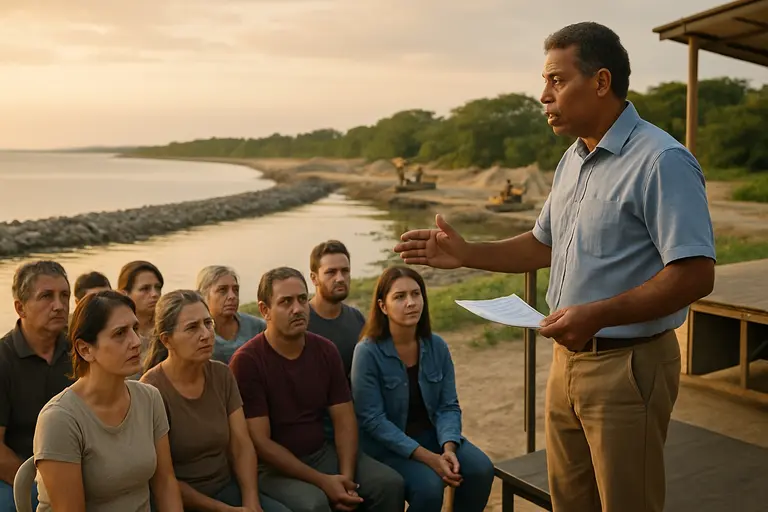
Shoreline Capital Projects should be reviewed through the fund structure that pays for them. Capital dollars are generally tied to long-term assets: buildings, repairs, technology infrastructure, and facility systems. Operating dollars are tied to the ongoing work of running schools. The two areas connect in daily life, but they are not the same budget category.
This distinction can reduce confusion when the district faces competing needs. A community may support safer buildings and still want clarity on staffing, classroom support, transportation, and student services. The fund structure does not answer every policy question, but it gives residents a shared starting point.
Questions Residents Can Ask At Budget Time
Useful civic review starts with specific questions rather than broad frustration. Residents can ask how much money is assigned to the Capital Projects Fund, what portion of the budget goes to debt service, which projects are active, and what work is being delayed. They can also ask how the district defines safety-related facility work and how that definition appears in published budget documents or bid materials.
- Which school buildings are tied to active capital project notices?
- How much of the budget is assigned to long-term facility work?
- How much is assigned to repayment of prior construction bonds?
- What safety-related building systems are included in project scopes?
- How can residents compare budget documents with board actions and bid notices?
Those questions keep the focus on public records. They also help residents avoid treating every school concern as a capital issue. Some needs belong in facilities planning, while others belong in operations, staffing, technology support, or student services.
Shoreline Capital Projects And Public Accountability
A Practical Record For Community Review
Shoreline Capital Projects are not just construction line items. They are public commitments that affect classrooms, school access, building conditions, local contractors, and taxpayers. The 2026-27 budget’s $17.9 million Capital Projects Fund allocation and $28.5 million Debt Service Fund allocation give residents two concrete figures to track as the district continues facility planning.
The practical next step is civic, not symbolic. Residents can read the district budget, compare fund categories, watch for project notices, and ask board members how capital work is prioritized. Contractors can review bid opportunities and prepare for documented scopes of work. Families can ask how safety and modernization needs are being translated into funded projects.
That is where transparent budget planning earns public trust. When district documents show the size of the capital fund, the cost of debt service, and the scope of named projects such as Briarcrest, the community has a stronger basis for discussion. The record does not answer every question, but it gives Shoreline residents a place to begin and a way to follow whether facility dollars are being used for the long-term safety and modernization work described in public materials.
