

Richland School Budgets are drawing renewed attention in Richland County, South Carolina, because state-level education requests for 2026 could affect how local districts weigh teacher pay, reading support, instructional materials, transportation, facilities, and classroom staffing. The South Carolina Department of Education said its 2026 budget requests include $150 million for teacher pay, $30 million for expanded summer reading camps, $70 million for instructional materials, and $40 million for school bus lease and purchase needs to maintain a 15-year replacement cycle SCDE budget request.
For parents, educators, school employees, and employers, the practical question is not only how much money is requested. The local question is how those requests translate into classroom conditions, workforce stability, student services, transportation reliability, and facility planning. As of November 7, 2026, the source material provided for this report verifies state budget requests and one official Richland School District budget outside South Carolina, but it does not verify a specific future Richland County school board budget hearing date. That means residents should treat the current discussion as a budget-watch period rather than a confirmed meeting notice.
State Requests Set The Starting Point
Teacher Pay And Classroom Staffing
The largest verified state request in the provided record is the South Carolina Department of Education proposal for $150 million for teacher pay. SCDE said that request would raise starting teacher salaries from $48,500 to $50,500. For Richland County families, the connection is direct: teacher compensation is one of the clearest budget items tied to hiring, retention, and school-level continuity.
Local districts still must work through their own budget documents, staffing models, and board actions. A state request does not automatically settle a district budget. It does, however, give residents a specific figure to track when local officials explain whether salary schedules, staffing plans, or vacancies can be supported without drawing down reserves or cutting other programs.
Reading, Materials, And Transportation
SCDE also requested $30 million for expanded summer reading camps. That matters for elementary families because summer reading programs can shape how districts respond to early literacy needs beyond the regular school calendar. The department’s request for $70 million for instructional materials is another item residents can connect to classroom priorities, especially if local leaders discuss textbook replacement, curriculum alignment, or digital learning resources.
The $40 million request for bus lease and purchase needs is a less visible but highly practical issue. Transportation spending affects daily attendance patterns, family work schedules, and school start-and-end reliability. When public budgets are tight, buses, maintenance, and routes can become pressure points even though they sit outside the classroom. Residents reviewing Richland School Budgets should ask how local transportation needs are being addressed in relation to state support.
How Richland School Budgets Affect Classroom Choices
What Richland School Budgets Can Show Residents
School budgets can look technical, but they are civic documents. They show whether a district is emphasizing teacher compensation, academic recovery, student support services, building needs, technology, transportation, or reserves. For Richland School Budgets, the clearest public value comes when districts connect line items to the priorities families recognize: safe buildings, stable staffing, reliable buses, reading support, and clear academic goals.
One useful test for residents is whether budget language matches public priorities in plain terms. If a district says student learning is the priority, the budget should explain how dollars are being directed toward instruction, materials, support staff, and student programs. If officials cite facility needs, the plan should identify the type of work, the expected cost category, and why the timing matters. If a district emphasizes fiscal accountability, residents should be able to see how reserve levels, debt, staffing, and recurring costs are being managed.
Past coverage of school budget priorities on this site has focused on the same practical issue: the strongest public budget discussion is one that lets residents connect dollars to classroom and facility outcomes without guessing.
A Clear Split Between County And District Sources
Why The Name Richland Can Create Confusion
The research record for this topic includes an official budget from Richland School District in Washington, which is separate from Richland County, South Carolina. That distinction matters because residents searching for school finance information can easily encounter budget pages from different states that use similar names.
The Washington district’s official 2026-27 budget, effective September 1, 2026, through August 31, 2027, projects $250,675,580 in revenues and $243,137,000 in expenditures, with an ending balance of $17,443,219, according to the district’s official financial services page Richland School District budget. The same page says that district’s budget priorities include student learning and enrichment, reinvestment in professional learning, curriculum, and facilities, and a sustainable fund balance.
Those figures should not be treated as Richland County, South Carolina, figures. They are still useful as a reminder of what a strong public budget page can provide: dates, revenues, expenditures, fund balance, planning assumptions, and a clear statement of priorities. Richland County residents can use that same standard when reviewing their own local district materials.
What Should Be Verified Locally
Before residents share figures or attend meetings based on online search results, they should verify the district name, state, board agenda, and fiscal year. The most useful local budget records are official district budget pages, board meeting packets, adopted budget documents, audit materials, and state education department releases. A social media post or an outdated article may help raise awareness, but it should not replace official budget documents when residents are preparing public comments.
For Richland School Budgets, the safest approach is to separate three categories: state requests, district proposals, and adopted local budgets. Each category has a different status. A request signals a priority. A proposal shows what staff or administrators recommend. An adopted budget reflects board action. Confusing those stages can make civic discussion less precise.
Public Review Depends On Verified Local Steps
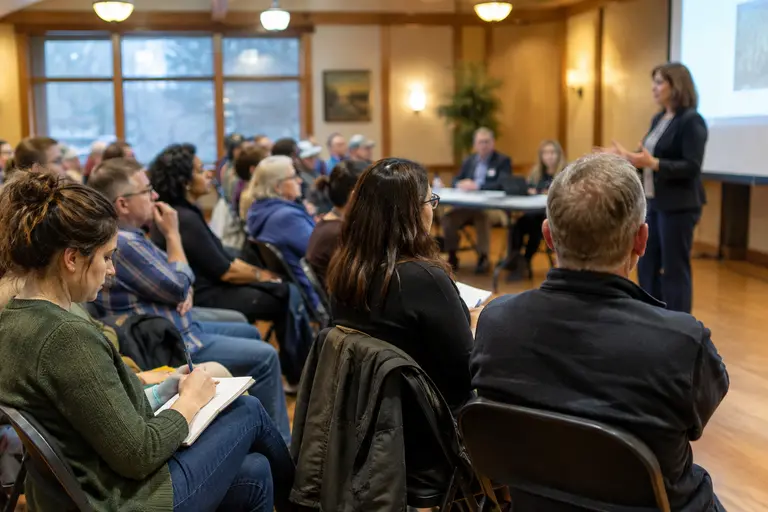
Questions Residents Can Bring To Budget Discussions
Because no specific future Richland County school budget hearing date is verified in the provided source set, the immediate civic step is document review. Residents can prepare by reading official district materials, checking board calendars, and comparing local plans with the South Carolina Department of Education’s 2026 requests.
Useful questions include whether state teacher-pay support would cover recurring salary obligations, how summer reading funds would reach students most in need, what instructional materials are scheduled for replacement, and whether bus funding is enough to address route reliability. Residents can also ask how local leaders are balancing reserves against immediate classroom or facility needs.
- Ask which budget items are recurring costs and which are one-time expenses.
- Ask how staffing plans respond to enrollment changes, if the district has reported them.
- Ask how facility projects are ranked by safety, instructional impact, and cost.
- Ask whether state requests have been approved, partially funded, or not funded before assuming local impact.
Community members who follow public finance across local agencies may also find informative insights on this topic through ITPR, especially when comparing how public entities explain budgets, public hearings, and service priorities.
Why Employers And Civic Groups Should Track The Process
School budgets are not only schoolhouse documents. They influence workforce readiness, family stability, neighborhood confidence, and long-term economic planning. Employers in Richland County have an interest in graduation readiness, transportation reliability, career pathways, and teacher retention because those issues shape the future labor pool and the daily schedules of working parents.
Chambers, neighborhood associations, parent groups, and nonprofit partners can help by pressing for clear budget materials and practical meeting notices. The goal should be less about one-time turnout and more about sustained public review. A budget process that residents can understand is more likely to produce informed comments and stronger trust in the final decision.
What Richland School Budgets Mean For Public Review
Richland School Budgets now sit at the intersection of state funding requests and local expectations. The verified state numbers point to teacher pay, reading camps, instructional materials, and bus replacement as major 2026 education priorities. The verified district budget example from Washington shows how another Richland-named district has posted revenues, expenditures, fund balance, and guiding priorities in public view, while also demonstrating why residents must confirm the correct jurisdiction before using any figure in local debate.
For Richland County, South Carolina, the next responsible step is verification. Residents should look for official board packets, budget notices, adopted budget documents, and state updates before drawing conclusions about cuts, tax impacts, or program changes. If future meetings are announced, public comments will be strongest when they connect a specific budget line to a specific community priority, such as classroom staffing, reading support, school safety, transportation, or building maintenance.
The discussion is not only about dollars. It is about whether the public can see how school finance decisions support students, teachers, families, and the local economy. That is where civic engagement can make the budget process more useful for everyone affected by Richland County schools.
