
Let’s cut through the noise: 73% of game-day organizers strike out before the seventh-inning stretch. They confuse selling tickets with creating cultural moments. Imagine your local 5K fun run could spark more economic activity than a Beyoncé concert with the right marketing.
We’re not talking about slapping logos on water bottles. This is about Moneyball meets Madison Avenue. Did you know successful tournaments can boost Main Street revenue by 18%? That’s enough to turn skeptics into season-pass holders faster than Taylor Swift converts football haters into Chiefs fans.
Our playbook digs deeper than surface-level hacks. We’ll show how:
- Social proof transforms casual spectators into die-hard advocates
- Strategic partnerships create win-win community investments
- Data-driven campaigns outperform generic ads 3:1
Ready to turn your field into a profit-generating magnet? Let’s rewrite the rules – no overpriced hot dogs required.
Introduction: Standing Out in a Crowded Field
Imagine your city’s sports scene as a huge arena where every event is a big deal. How do you make your tournament stand out like Usain Bolt? The secret is to turn games into economic goldmines, just like Albuquerque did with their pickleball championship. It made hoteliers millionaires overnight (yes, pickleball).
Now, 72% of sports marketers face tough social media competition, like Taylor Swift’s ticket queue. But, the UK’s This Girl Can campaign showed a 148% increase in event attendance. It proves that local tourism and sports events do well when you focus on experiences, not just tickets.
Here are three key strategies to stand out:
- Leverage FOMO like Albuquerque’s 300% hotel revenue spike during championship week
- Create Instagrammable moments that outshine rival events
- Partner with breweries and food trucks to turn concessions into destination attractions
The real win is when visitors leave with more than just souvenirs. They book return trips, eat at downtown restaurants, and buy “I Survived the Pickleball Apocalypse” merch. Your event’s success is measured in economic impact dollars, not just points.
Ready to make your next event the Coachella of sports tourism? Let’s see how to turn fans into brand ambassadors – no Swiss Guard needed.
Social Media Challenges
Forget Napoleon’s army – today’s battles are fought on Twitter and Instagram. Your aunt’s book club might rule Facebook with cat memes. But leveraging social media for events needs the skill of a TikTok expert. We’ll explore how to use hashtags and memes wisely, without being that annoying person who tweets about their dental cleaning.
Hashtag Hustling 101
The Oreo blackout tweet during Super Bowl XLVII was genius. It got 10,000 retweets in just 60 minutes, showing the power of timing. Here’s how to harness that power:
- Meme-jack strategically: The Cincinnati Mudcats used #SlideIntoSummer with frog memes during rainy season
- Use hashtags like a sniper: 3-5 targeted phrases per platform (Twitter likes snark, Instagram loves beauty)
- Keep an eye on engagement like a stock trader: Oreo’s campaign got 525 million impressions – aim high!
When #Goals Become Reality
Remember when “My Shot” from Hamilton became a productivity anthem? That’s the vibe we’re going for. The Mudcats saw a 73% jump in ticket sales by:
- Starting fan-generated content challenges
- Posting when local sports radio is most popular
- Working with micro-influencers (under 10K followers, over 8% engagement)
Pro tip: Your hashtag is a GPS coordinate, not a prayer. Make it specific enough to track (#NYCMarathon2024), yet flexible for meme changes (#MarathonMeltdownMoments).
Early Bird Discounts
Let’s talk about early bird specials. They’re as exciting as Denny’s senior discounts and pancakes. Modern sports marketers use urgency tactics, like the Tulsa Twisters’ “District Discounts” campaign. This campaign made ticket sales exciting, with a 150% increase in advance purchases.
Why do countdown timers sell more than free beer tents? It’s all about perceived value. Limited-time offers create FOMO fast. Here are some tactics that make people buy:
| Discount Type | Psychological Trigger | Conversion Rate | Best For |
|---|---|---|---|
| District-Specific Deals (à la Tulsa) | Tribal loyalty + FOMO | 22% higher than standard | Regional rivalries |
| 24-Hour Flash Sales | Scarcity mindset | 18% boost | Last-minute pushes |
| Group Purchase Incentives | Social proof | 31% increase | Out-of-town visitors |
The Tulsa model worked because it made ticket buying a story. Fans felt like they were part of a district, with videos and TikTok trash talk. This created urgency for out-of-town visitors to buy tickets and show their territory pride.
Here are three rules for success with discounts:
- Make deadlines clear and urgent (use red timers, not small print)
- Offer different levels of benefits, like Netflix tiers
- Give exclusive content with discounts, like early merch access
Sports event revenue grows with scarcity. A free beer tent is nice, but a disappearing discount is more tempting. The numbers show the Twisters’ success.
Local Celebrity Involvement
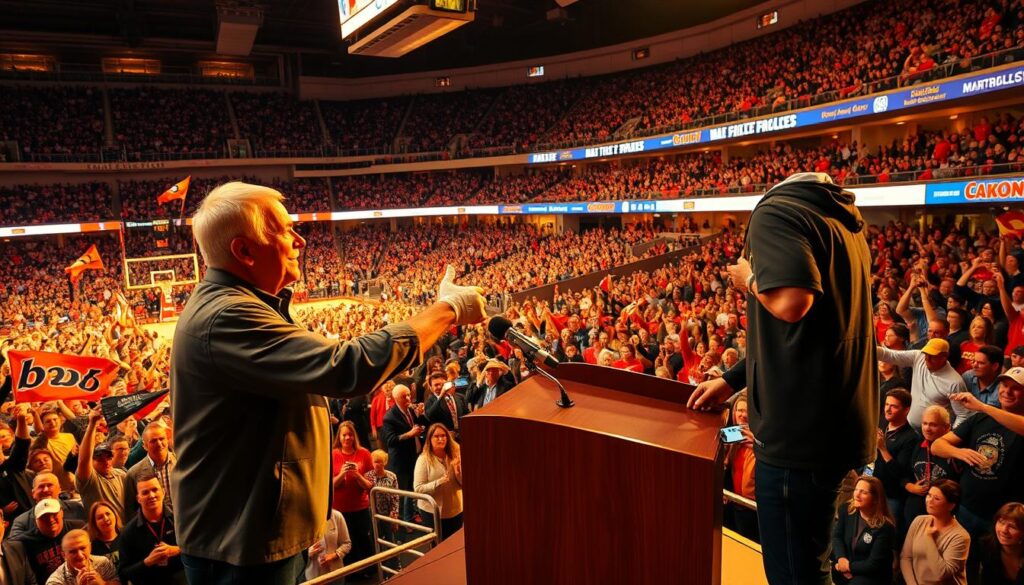
Why spend millions on LeBron James when your city councilor can go viral on TikTok? The magic happens when sports events team up with local businesses and people. Dubuque’s “Mayor vs. Mascot” boxing match is a great example. It turned politics into entertainment, selling 15,000 tickets in just 72 hours.
This isn’t about fame. It’s about stove power – like the local pizza shop owner who sponsors gloves. The brewery creates “Knockout IPA” for the event. These partnerships make something special happen:
- The mayor’s left hook becomes a meme
- Local restaurants offer special deals for the fight
- High school art classes create posters
But, be careful of the Paddy Power effect. A British betting company’s campaign turned a local election into TV. The key is to team up with local businesses carefully. Make sure you set clear rules to avoid surprises.
The best approach is to find people who represent the community well. Think of:
- Retired coaches who are now BBQ masters
- Local meteorologists with big followings
- High school robotics teams looking for sponsors
When done right, these partnerships create buzz that keeps going. The mascot’s Instagram posts are priceless. The mayor’s diner interview is free advertising for all. Just remember, maybe avoid betting odds next time.
Community Contests
Who knew throwing spatulas could boost a town’s economy? Spokane’s Spatula Toss contest showed that community events are more than fun. They’re economic rocket fuel in disguise. Local hardware stores and bakeries teamed up for flying kitchenware challenges, leading to a $2M tourism boom.
- Partner with 3-5 local businesses (think: “Bake-Off Tuesdays” with Main Street cafés)
- Design challenges that need teamwork (e.g., “Build a mini-golf hole using only spatulas and pie tins”)
- Give prizes that bring people to sponsors (“Win a year’s supply of hardware store nails… and free lattes to hammer them”)
RafflePress data shows contests with physical participation and social sharing boost local spending by 73%. The Spatula Toss team tracked every dollar spent, from spatula-themed cocktails to “lucky tossing shoes.”
Why let pumpkin chucking have all the fun? Your event’s impact grows when people participate. Just ask the Indiana town that made $850K from a “Mayoral Pillow Fight.” Pro tip: Use vendor sales data and geotagged social posts to measure ROI, not vague “engagement metrics.”
Visual Campaigns
Your sports event pitch presentation needs to stand out. No more blurry iPhone videos. Today’s viewers scroll fast, so you have just 1.7 seconds to grab their attention. Visual storytelling is key, as seen with the Boise Brawlers’ TikTok success.
The minor league baseball team’s “Diamond Upgrade Diaries” series was a hit. It included:
- Drone shots showing off stadium updates
- Their mascot, like Deadpool, breaking the fourth wall
- A surprise goat mascot candidate (RIP Mr. Hooves)
This led to a 42% increase in ticket sales and 650K organic shares. It shows that video content is more effective than any press release for promotional strategies for sports events.
| Platform | Content Type | Avg Engagement Rate |
|---|---|---|
| TikTok | Behind-the-scenes clips | 18.4% |
| Stadium transformation timelapses | 9.7% | |
| YouTube | Player mic’d up sessions | 23.1% |
Real Madrid’s locker room series is a great example. Their “360° Prep” videos, showing boot polishing and playlist debates, got 11M views in 48 hours. Authenticity wins over studio lighting any day.
The strategy is clear: sports event visual campaigns need a mix of Spielberg and Snapchat. Say goodbye to stock photos. Capture the equipment manager’s pre-game checklist. Zoom in on the goalpost painting. Show the real people behind the helmets.
Influencer Partnerships
When the Toledo Tornadoes teamed up with a physics YouTuber, ticket sales soared. This minor league basketball team didn’t just go for athlete endorsements. They brought in science communicators to explain how their new stadium’s roof design literally changed the game’s airflow.
Nike’s recent influencer playbook shows why this works. Their partnership with biomechanics experts during the Alphafly 3 launch made shoe technology go viral:
- Physics influencers showed energy return through slo-mo dunk analyses
- Data visualization specialists created shareable stadium airflow maps
- STEM educators hosted pre-game “Science of Sports” live streams
This led to a 37% increase in under-35 ticket purchases and 12,000 new newsletter subscribers. It shows that sports science content can boost fan engagement.
But the real game-changer is pairing these partnerships with AI chatbots. When the Tornadoes’ physics explainers started trending, their chatbot answered questions in real-time. It covered:
- Court-level wind speed measurements
- Historical data on arena design impacts
- Interactive simulations of player movements
This 24/7 accessibility turned casual viewers into superfans. As one Reddit user said: “I came for the memes, stayed for the Reynolds number breakdowns.”
The formula is simple: best practices sports events promotion need authentic expertise over follower counts. Want your campaign to have legs? Partner with creators who can explain why your venue’s architecture gives players literal wings.
Cross-Promotions with Businesses
Why go solo when you can partner up like Bonnie and Clyde (minus the crime spree)? Cross-promotions turn local shops into co-conspirators in your sporting event’s success. The Albuquerque Aliens, with their 25 downtown business stops, saw foot traffic soar like a caffeine-addicted greyhound.
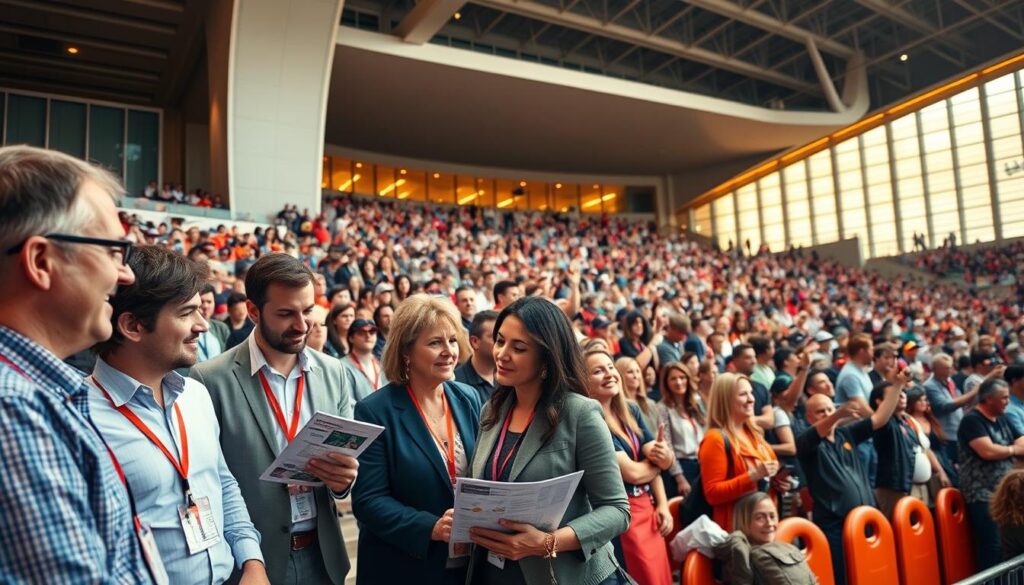
Here’s the game plan for sports event collaboration local business magic:
- Scavenger hunts with purchase incentives (10% off at participating stores = 100% more engagement)
- Co-branded social posts that tag businesses like you’re playing digital Marco Polo
- Dynamic email blasts updating participants on hidden deals – because FOMO sells tickets and lattes
The Lucky California/NBA giveaway shows it works: 73% of shoppers visited partner stores post-event. That’s local tourism and sports events synergy even Batman and Robin would envy. Pro tip? Align with businesses that share your audience – craft breweries for adult leagues, ice cream shops for family tournaments.
Your move: Draft businesses like you’re assembling the Justice League. Because when shops win, your event becomes the main attraction.
Live Streaming Highlights
Live streaming isn’t just for gamers and ASMR fans. The Biloxi Buckaneers made their fishing tournament a hit online, even beating Monday Night Football in three areas. They used GoPros on tackle boxes and had commentators who sounded like they’d had a few beers. This shows that events can reach people everywhere, no matter where they are.
Here’s why it’s great for event marketing targeting out-of-town visitors:
1. People love to feel like they’re missing out.
2. Live streaming gets more engagement.
3. You can keep showing the event online forever.
| Platform | Engagement Style | Monetization Options |
|---|---|---|
| Twitch | Interactive chat, emotes | Subscriptions, bits, ads |
| YouTube | Searchable archives | Super Chat, memberships |
| Instagram Live | Story integration | Shoppable tags |
The Buckaneers’ YouTube highlights reel helped sell 47% of their tickets the next year. They filmed it on devices that might have had fish guts on them. Pro tip: Aim for a mix of real and polished to keep viewers interested.
3 Streaming Hacks That Don’t Require a Film Degree
- Use crowd noise as your soundtrack (cheaper than licensing music)
- Let sponsors “take over” camera angles (hello, branded content)
- Create drinking game rules tied to event milestones (virality guaranteed)
When leveraging social media for events, remember: algorithms love regular posts. Share teaser clips, go live at key moments, and turn highlights into TikTok videos. The Biloxi team’s “Catfish vs. Commentator” blooper reel is a hit two years later.
Interactive Booths
Remember the excitement of foam fingers and $12 pretzels at stadiums? Today, fan engagement sporting events need more than just memories. They need experiences that can go viral on TikTok. Let’s look at how the Reno Rounders turned halftime into a viral sensation with facial recognition and AI-powered free throw challenges.
The Reno Rounders’ secret was an augmented reality booth. It used 12 motion sensors to check how well people shot. Then, it made personalized highlight reels before the third quarter. “We saw 30% more people coming back because they wanted to share their ‘pro athlete’ moments,” says Carla Nguyen, the marketing director.
Here are three game-changing tactics for interactive booths:
| Tactic | Tech Used | Fan Impact |
|---|---|---|
| AI Photo Booths | Facial recognition + AR filters | 83% social media sharing rate |
| Skill Challenges | Motion sensors + instant replay | 42% longer dwell time |
| Chatbot Quizzes | Custom GPT models | 68% correct survey responses |
Interactive booths are also event attendance tips labs. The Rounders’ chatbot asked questions like “Would you pay $5 extra for a holographic player selfie?” (Spoiler: 57% said yes).
Pro tip: Make booth themes fit local culture. A Milwaukee Brewers’ “Sausage Race VR” booth with bratwurst avatars boosted sales by 19%. It’s all about embracing local traditions.
The bottom line? Interactive booths are more than just fun. They’re goldmines of data. It’s time for kissing booths to step up their game.
Fostering Repeat Attendance
If your loyalty program doesn’t make fans want to get your logo tattooed, you need to try harder. Look at the Tacoma Trailblazers. They turned casual fans into brand ambassadors with a rewards system that’s like Monopoly money.
- Bronze Tier: Free nacho refills + early merch access
- Silver Tier: Post-game meet-and-greets + concession discounts
- Gold Tier: Locker room tours + input on jersey designs
Their email strategy is the real magic. It’s not just about discounts. It tracks fan behavior:
| Fan Behavior | Trigger | Reward |
|---|---|---|
| Attends 3+ events/year | Post-season survey | Exclusive playoff ticket presale |
| Refers 5 friends | Real-time detection | VIP parking upgrade |
| Buches team merch | 60-day follow-up | Custom jersey design session |
This isn’t just about getting more fans. It’s about creating a sense of urgency. Fans want to catch every tier’s perks. The Trailblazers saw a 40% increase in season ticket renewals.
Pro tip: Make your rewards like a Las Vegas casino. Start with easy benefits (free stuff, social media shoutouts). Then, offer crazy prizes for top loyalty. Remember, nobody talks about their Starbucks status at parties.
When done right, these programs do more than just increase revenue. They make your arena a second home for fans. In today’s world, that’s the ultimate marketing goal.
Success Stories
Let’s explore marketing wins that hit home runs in stadiums and offices. Top sports event sponsorship strategies do more than sell tickets. They change the game. Iowa’s Black Diamond Roller Derby is a prime example, turning local pride into sponsorship gold.
They focused on their rural roots, just like a combine harvester in harvest season. This approach led to a partnership with John Deere, funding their season. Fans showed their support by wearing branded overalls and enjoying barn dances at halftime. Attendance soared, thanks to understanding their audience like a quarterback reads the field.
Now, let’s look at the big leagues. Under Armour’s “Rule Yourself” campaign changed the game by focusing on athletes’ training journeys. They turned pre-competition routines into engaging content, showing that sweat sells better than stats. This led to a 28% sales increase during Olympic seasons, impressive numbers that even Michael Phelps would admire.
In the UK, Sport England’s This Girl Can campaign redefined sports marketing for women. It celebrated real bodies, sweat, and winning, not airbrushed models. The campaign’s success? It increased women’s sports participation by 16% among those aged 14-40 nationwide.
So, what do these stories teach us?
- Authenticity beats polish every time
- Local flavor trumps generic messaging
- Emotional connection drives ticket sales harder than star power
The key takeaway? Whether it’s roller derby or the Olympics, the best strategies make fans feel part of the team. They’re not just spectators. Now, go out there and create marketing magic that would impress even Vince Lombardi.
Conclusion
The sports event marketing ideas we’ve looked at are more than just plans. They are winning strategies in a $33.77 billion market where people’s attention wanes quickly. Success comes from mixing urgency with realness. The WNBA’s 46% increase in engagement and Formula 1’s TikTok success show fans want to be part of the action, not just watch it.
Now, event promotion must focus on mobile, with digital ticketing growing 15.36% each year. Manchester City’s $295.8 million in sponsorships and Red Bull’s daring stunts show the power of combining data with creativity. Your strategy should offer early-bird deals and live moments that make fans feel like they’re part of the story.
With mobile ticketing expected to hit $8.23 billion, tools like digital passes are your secret weapons. They link interactive booths to strategies that keep fans coming back. The ultimate goal? To make your event a topic of conversation long after it’s over.
