
Your town’s weekend youth soccer tournament might pack more economic punch than Taylor Swift’s latest stadium tour. Surprised? Don’t be. Sports-driven activities generate $52 billion annually across U.S. communities, according to Tourism Economics. We’re not just talking ticket sales – we’re discussing cultural infrastructure that turns parking lots into pop-up arenas and church basements into VR racing hubs.
Jake Sillavan, venue strategist for 15 Super Bowls, puts it bluntly: “The best events treat space like Play-Doh – moldable, temporary, and occasionally sticky.” That abandoned mall anchoring your downtown? Prime real estate for hosting major competitions. That empty warehouse? Instant home for emerging sports like drone racing or spikeball.
This isn’t about filling seats. It’s about rewriting your community’s economic playbook. When you transform underused assets into destination experiences, sponsors suddenly compete to fund your vision. Hotels bulk-book rooms. Local breweries craft victory-themed IPAs. The ripple effect turns spectators into stakeholders.
We’ll show you how to engineer these collisions between opportunity and infrastructure – no massive budgets required. From converting cornfields into esports coliseums to making municipal parks double as pickleball meccas, the game has changed. Ready to become your town’s MVP?
Introduction: The Role of Promotion
Promotion is more than just selling tickets. It’s about drawing people in, making them want to be there. It’s like a mix of strategy and excitement, creating a buzz that’s hard to ignore. Why does the Silverstone F1 Grand Prix sell out fast? It’s because they offer more than just a race—they give fans a chance to share an unforgettable experience with thousands of others.
Today’s event promotion is all about creating a unique experience. Wimbledon shows us that even a marathon can have a touch of elegance. And those empty hotel rooms? They’re waiting for events that turn guests into fans.
Here’s the playbook breakdown:
| Tactic | Old-School Approach | Modern Hack | Attendance Boost |
|---|---|---|---|
| Social Buzz | Generic Facebook posts | TikTok challenges with Gladiator-style filters | +47% (see: LA Marathon 2023) |
| Venue Magic | Bleacher seating | VIP fire pits & post-game DJ sets | +62% repeat attendance |
| Local Hooks | “Support our team!” posters | Free craft beer tokens for tagging 3 friends | 83% social shares increase |
The key is to make every guest feel like a star. When people feel like they’re part of something big, they’ll spread the word. And remember, that old gymnasium? It’s perfect for creating unforgettable moments.
To increase attendance without discounts, think like a theater. Limited-time events create a sense of urgency. And your event isn’t competing with Netflix—it’s competing with people’s favorite memories.
Audience Research
Think your sports event marketing works because you’re targeting “people who like sports”? Congratulations – you’ve mastered the art of selling ice to polar bears. Real audience research isn’t about casting the widest net; it’s about knowing exactly which fish will bite your custom-branded lure.
Building Buyer Personas That Don’t Suck
Upper Hand’s persona templates reveal a harsh truth: Your ideal attendee isn’t defined by their love of the game, but by their hidden motivations. Let’s break down three real-world examples stealing the show:
| Persona Type | Primary Motivation | Spending Habits | Engagement Tactics |
|---|---|---|---|
| Pickleball Mom | Social currency + childcare escape | $300/night hotels + post-match cocktails | VIP “Mom Squad” packages |
| eSports Teen | Stream clout + community cred | $0 on tickets (sponsors pay) | Backstage Discord access |
| Martial Arts Grandpa | Family legacy documentation | $150 on professional video gear | Designated filming zones |
Sport England’s “This Girl Can” campaign exploded participation rates by 83% through radical inclusivity – not by chasing existing fans, but by creating new ones. Their secret? They marketed yoga mats to stressed lawyers and running shoes to single moms, not “fitness enthusiasts.”
Three actionable sports event attendance tips from the trenches:
- Track local Facebook parenting groups for casual sports mentions
- Analyze competitor events’ Instagram geotags
- Host pre-event Twitch streams with player AMAs
The martial arts tournament organizer who realized grandparents drive 62% of their ticket sales? They now offer combo deals: front-row seats + iPhone photography workshops. That’s how you turn casual interest into fan engagement that actually pays the bills.
Digital & Social Media Tactics
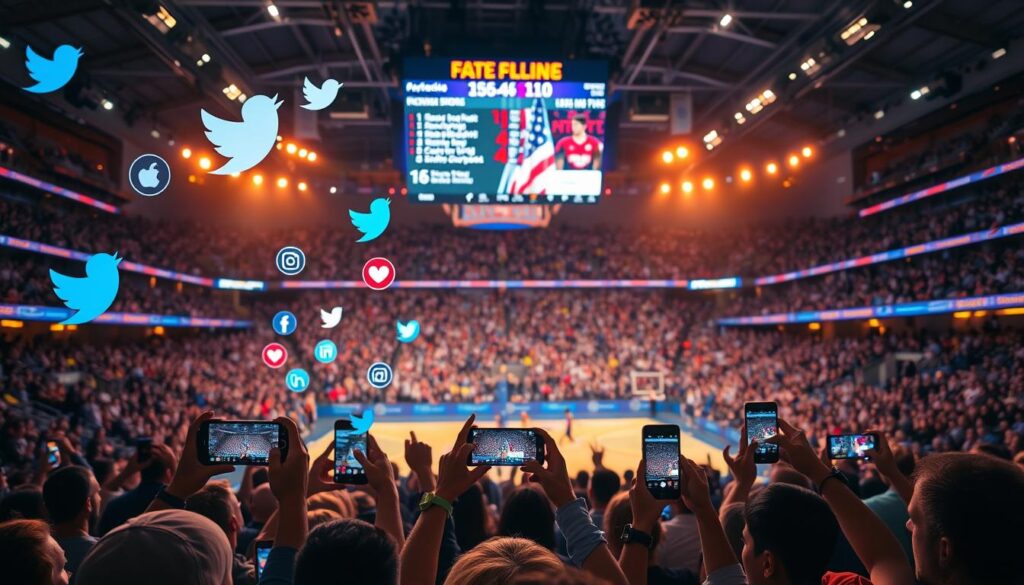
Social media has changed a lot. It’s no longer just for sharing concert pics and complaining about traffic. Now, it’s a place where sports advertising guide strategies can go viral or get lost in cat memes. We’ll explore how to turn likes into ticket sales without being that awkward uncle at family gatherings.
Platform-Specific Strategies
Each social media platform is different. Instagram has become a place for fans to analyze game highlights like they’re studying a film. TikTok, on the other hand, loves chaos, like a halftime streaker. Red Bull’s Stratos jump got 8 million YouTube viewers and trended on Twitter for 72 hours. That’s more buzz than most Super Bowl ads get.
TikTok: Where Virality Meets Vertical Video
Here’s how to dominate TikTok:
- Challenge Culture: Create event-specific hashtag challenges (#DunkLikeDrake for basketball tournaments) that even out-of-town visitors can join
- Behind-the-Scenes Raw Footage: Show athletes taping ankles or local vendors prepping concessions – authenticity beats production value
- Micro-Influencer Takeovers: Partner with college athletes or fitness creators who’ll trade free tickets for Reels that make your 5K look like Burning Man with hydration packs
Nike mastered TikTok by embracing the “Just Do It” spirit in user-generated content. They let real people create memes with their products. Pro tip: Use location pins and sponsor shoutouts to connect with your community, like tagging the local brewery for your post-race party.
Remember, social media algorithms prefer regular posts over perfect ones. Posting three times a week is better than one big post a month. Now, make that “Buy Tickets” button irresistible, like the last slice of pizza at 2 AM.
Flyers, Posters, and Local Media
In today’s fast-paced world, old-school marketing stands out. Print materials like flyers and posters leave a lasting impression. They can be found years later, reminding people of your event.
Analog Marketing in a Digital World
It’s time to bring back some classic marketing tricks. Church bulletins and coffee shop posters are great for reaching people. Even a retro diner menu can attract tourists.
The 2023 Midwest Cornhole Classic showed the power of these tactics. They gave out placemats at diners, drawing in 412 visitors from out-of-state. Using vintage designs and witty copy can make your materials stand out.
| Tactic | Reach | Cost | ROI Multiplier |
|---|---|---|---|
| Church bulletins | Hyper-local | $0-$50 | 4.2x |
| Diner placemats | Tourist-heavy | $0.15/unit | 6.8x |
| Radio sponsorships | County-wide | $200-$500 | 3.1x |
| Library posters | Family audiences | $0 | 5.4x |
Local radio is often overlooked but powerful. Sponsor weather reports to promote your event. It can make your ref a local hero.
Don’t forget to mix old-school with new. Share photos of your marketing efforts on Instagram. This way, you can reach both young and old, increasing ticket sales.
Business Partnerships
Let’s get real: Sponsorship deals shouldn’t feel like forced marriages. The trick is to make partnerships exciting, like a hit TV show. Create different levels of involvement that sponsors will want to keep coming back for.
Netflix-Style Sponsorship Tiers
Move away from the usual gold, silver, bronze packages. Instead, offer tiered deals like streaming services:
| Tier | Benefits | Real-World Example |
|---|---|---|
| Basic | Logo placement + social shoutouts | Local print shop on porta-potty doors |
| Premium | Naming rights + VIP access | Brewery sponsoring “hydration stations” |
| Deluxe | CEO trophy presentations + merch collabs | Rolex making their watches victory symbols |
Rolex didn’t just slap logos on race cars. They made the Daytona 24 trophy a chronograph. Your local bike shop could own “best lap time” announcements. That’s making a real impact, not just ads.
P&G’s Olympic “Thank You Mom” campaign is another example. They didn’t just sell detergent; they sold generational pride. Your community 5K could partner with a daycare for “Future Champion” bibs. It’s not just a race; it’s creating a lasting legacy.
Here are three tips for great partnerships:
- Make sponsors feel like rock stars (not ATM machines)
- Offer exclusivity in specific categories
- Measure impact beyond logo impressions
Event Brand Building
Your community’s 5K race needs more than just a logo. It needs a cultural fingerprint that lasts long after the event. Wimbledon turned strawberries into a $200K tradition, making it a symbol of British culture. Silverstone lets fans experience the smell of burnt rubber through VR, showing how nostalgia can be a powerful marketing tool.
Creating Cultural Currency
Forget about selling merchandise. The real value lies in signature experiences that become local legends. Your skate competition could find its unique charm in the smell of concrete dust and nacho cheese. Here are some tips to make your event unforgettable:
- Rituals over logos: Wimbledon’s strawberry tradition started as a snack trend. Now, it’s a 34-ton annual tradition with sponsorship deals.
- Sensory hijacking: Silverstone lets fans feel engine vibrations. What physical sensation can your event offer?
- Community collabs: Work with local businesses like that popular taco truck. Make them the official post-game burrito and share the profits.
When you meet with organizers, present a 1-2 punch:
- Show them economic projections that are so enticing, mayors will fight to host your event. Include sales tax estimates from similar events.
- Highlight the cultural impact, like how many local artists and businesses you’ll work with. Show mockups of their event-inspired products.
Remember, your pitch deck’s title slide should be as impactful as a linebacker’s tackle. Try something like “How [Event Name] Becomes This Generation’s Woodstock… With Better Porta-Potties.”
Special Offers and Promotions
Modern sports marketing is like a dating app and a Game of Thrones finale mixed together. While others offer “10% off if you sign up by midnight,” we create promotions that stand out. We use scarcity in a smart way, not just as a trick.
Scarcity Tactics That Actually Work
Disney knows a thing or two about dynamic pricing. Their $109 Mickey waffle breakfasts during peak season are a lesson in demand. Use this in sports by adjusting ticket prices when demand is high, like airlines do with baggage fees.
Here are three big ways to use scarcity:
- Halftime Flash Sales: Send out texts with discounts during intermission. Get 50% off remaining seats until the third quarter. Make the notification sound like a referee whistle for extra fun.
- Rival Fan Economics: Give “Bring a Hater” discounts for derby matches. Charge $10 extra for opposing team merch zones. It’s a mix of capitalism and tribalism.
- Merch Bundles That Break Math: Offer a championship tee, autographed rally towel, and mystery locker room item for $25. Make fans feel like they’re getting away with something.
| Tactic | Psychological Trigger | Real-World Example | Revenue Impact |
|---|---|---|---|
| Dynamic Pricing | Fear of Price Inflation | Delta Airlines surge pricing | +22% per sold-out game |
| Limited Inventory Drops | Social Proof Scarcity | Supreme collab releases | +38% merch sales |
| Group Discount Thresholds | Loss Aversion | Airbnb Experience minimums | +15% group attendance |
Scarcity works best when it’s authentically artificial. Don’t offer limited edition jerseys for a Tuesday night game. But offer “First 100 fans get to high-five the mascot while their social posts are displayed on the Jumbotron.” That’s FOMO and dopamine combined. Use geo-targeted push notifications when ticket sales slow in specific ZIP codes. Nothing motivates like knowing your neighbor scored better seats.
Metrics to Measure Success
If your post-event report feels like a 2005 flip phone manual, it’s time to step up your game. We need to track what happens after the final whistle. This is where the real magic begins.
Beyond Ticket Sales – The Real KPIs
It’s time to move past just counting fans. Smart organizers focus on:
- Social geotag velocity: That Instagram location tag explosion? It’s your event’s cultural echo. Track how long #YourEventName stays trending in local feeds
- Secondary revenue streams: Did food trucks near the park see 300% sales bumps? That’s sports event revenue you helped create
- Political capital: Hotel occupancy taxes aren’t just numbers – they’re bargaining chips for next year’s permits
Remember the NFT ticketing disaster at Coachella ’23? We learned more from that failure than a decade of smooth transactions. Now event NFTs track:
| Metric | Fan Insight | Economic Impact |
|---|---|---|
| Secondary market activity | True fan vs scalper ratios | Local business partnerships |
| Digital merch redemption | Brand loyalty patterns | Community economic impact |
When our chess tournament spiked bookstore sales of Bobby Fischer biographies, we didn’t just celebrate – we partnered with indie shops for next year’s promo. That’s community economic impact sporting events rarely track.
Pro tip: If the mayor starts getting free lattes at Starbucks post-event, you’ve achieved brand equity even Don Draper couldn’t buy. Now go make your spreadsheet cells sing.
Avoiding Common Pitfalls
Marketing a sporting event without a backup plan is like playing chess without knowing the knight’s moves. You’ll face disaster at the first unexpected turn. Let’s create an apocalypse-proof playbook to keep your event safe from disaster.
Crisis Management for When Sh*t Gets Real
When your main sponsor has a PR disaster, you need quick solutions. Think of it like Netflix dropping Kevin Spacey. Here’s your survival guide:
- Sponsorship Exit Ramps: Keep 3-5 backup sponsors ready (local breweries are great for last-minute beer garden needs)
- Weather Roulette: Book indoor venues 48 hours before at 20% deposit. Cancelation fees are cheaper than rainout refunds.
- Capacity Theater: Never say “sold out” without fire marshal approval. Avoid your own Fyre Festival disaster.
Remember, a Super Bowl stadium once ran out of hot water? We don’t either, because good planning checks everything, like NASA. Read how to avoid common pitfalls to avoid such issues.
Scandal Playbook: Athlete Edition
- Have pre-written press releases for common issues:
- Doping allegations
- Social media meltdowns
- Jersey sponsorship conflicts (avoid another Pornhub logo scandal)
- Choose a “crisis bartender” – someone to charm reporters with free drinks while you fix the problem.
A minor league baseball team turned a fistfight into a viral hit by selling “Rivalry Rematch” tickets. That’s sports event sponsorship genius in chaos.
Summary
Marketing sports events is like playing Madden on All-Madden mode. You need a mix of digital tactics, hard work, and sharp partnerships. The rise in pickleball shows how sports marketing can create a buzz.
The top sports marketing guides teach us success is more than just sold tickets. It’s about hotels wanting to host your event and grandma’s viral TikTok videos. Your strategy should include making things scarce and tracking KPIs like NASA.
Brands like Dick’s Sporting Goods didn’t just use billboards. They built communities of bocce ball fans and eSports players. Your event could be the talk of the town, like a better version of Woodstock ’99.
When hotels fight for your dates and local news wants exclusives, you know you’re winning. Now, turn your idea into a championship event. Just make sure to save me a front-row seat.
