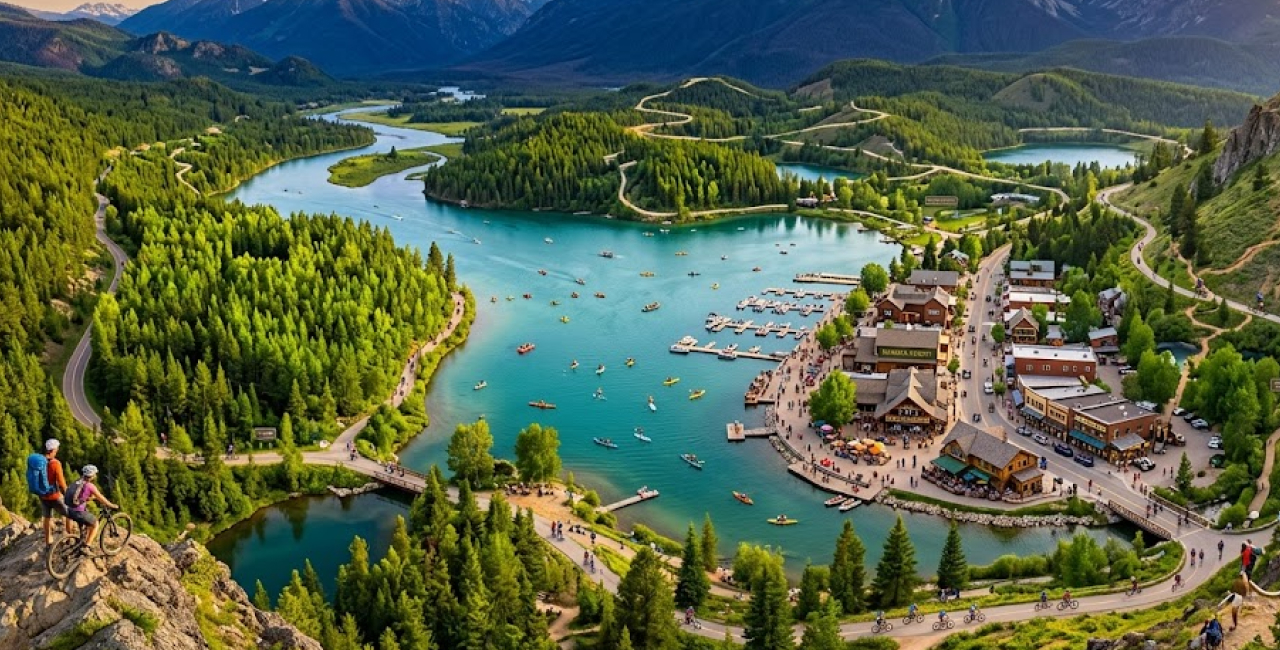
Outdoor recreation has become one of the most influential drivers of tourism development in the United States. Communities that invest in parks, trails, greenways, waterfronts, and recreational facilities are discovering that these projects do more than improve quality of life for residents. They attract visitors, generate economic activity, support local businesses, and strengthen regional tourism strategies.
This trend gained renewed attention on June 8, 2026, when the U.S. Department of the Interior announced $461 million in funding through the Land and Water Conservation Fund to support parks and outdoor recreation projects across the country. Combined with state and local matching funds, the initiative is expected to generate more than $900 million in total investment for public recreation infrastructure.
The announcement reflects a growing recognition that outdoor spaces have become valuable economic assets. Communities are increasingly using recreation investments to attract visitors, support sustainable development, and position themselves as desirable destinations for both tourism and business growth.
As travel patterns continue evolving, outdoor recreation is becoming a major component of local economic development strategies.
Outdoor Recreation Has Become a Tourism Driver
Tourism development was once largely associated with convention centers, entertainment districts, and major attractions. Outdoor recreation now plays an increasingly important role in attracting visitors.
Travelers are seeking experiences that combine recreation, wellness, nature, and community engagement. Hiking trails, bicycle networks, waterfront parks, recreational lakes, and green spaces have become significant factors in destination selection.
Communities that invest in these amenities often benefit from increased visitor spending and longer visitor stays.
According to the Outdoor Industry Association, outdoor recreation participation continues to reach record levels across the United States. This sustained demand creates opportunities for destinations that offer accessible, high-quality recreational experiences.
The economic impact extends far beyond recreation providers. Restaurants, hotels, retailers, transportation services, and cultural attractions all benefit when outdoor destinations attract new visitors.
Many communities have begun treating recreation infrastructure as a core tourism asset rather than a secondary public service.
Federal Investments Are Accelerating Local Projects
The June 2026 funding announcement from the Department of the Interior illustrates the scale of current investment in outdoor recreation.

The Land and Water Conservation Fund supports projects ranging from neighborhood parks and playgrounds to regional trail systems and waterfront redevelopment initiatives. Communities receiving funding are using these resources to expand public access, improve facilities, and create new visitor experiences.
Many projects serve multiple objectives simultaneously.
A trail network may improve recreational access for residents while attracting cycling tourism. Waterfront improvements can strengthen environmental resilience while creating new visitor destinations. Community parks often support health initiatives while contributing to local economic activity.
| Recreation Investment | Tourism Opportunity |
|---|---|
| Multi-use trail systems | Cycling and hiking tourism |
| Waterfront parks | Visitor attraction and events |
| Public green spaces | Community festivals and gatherings |
| Recreational facilities | Sports and tournament tourism |
| Nature access improvements | Eco-tourism experiences |
The ability to serve both residents and visitors makes recreation infrastructure an attractive investment for communities seeking long-term value.
Trails and Greenways Are Expanding Visitor Activity
Trail development has become one of the most successful recreation-based tourism strategies in the country.
Communities connected to regional trail systems often experience increased visitor traffic from cyclists, runners, walkers, and outdoor enthusiasts. These visitors frequently spend money on lodging, dining, retail purchases, and local attractions.
Trail tourism has proven particularly valuable for small and mid-sized communities.
Unlike large entertainment venues or major sporting events, trails provide a consistent source of visitation throughout the year. This can help stabilize tourism activity across multiple seasons.
Cities and counties continue investing in greenway projects that connect neighborhoods, parks, downtown districts, and natural attractions. These networks improve mobility for residents while creating appealing experiences for visitors.
Many of the same principles discussed in community tourism planning apply to recreation infrastructure. Long-term success often depends on integrating public assets with local businesses, cultural attractions, and broader destination strategies.
The National Park Service outdoor recreation programs continue supporting projects that help communities expand access to recreational opportunities and strengthen tourism potential.
Outdoor Recreation Supports Local Businesses
Visitor spending associated with outdoor recreation reaches many sectors of the local economy.
A traveler visiting a trail system may stay overnight, purchase meals, shop at local retailers, rent equipment, or visit nearby attractions. Communities that successfully connect recreation assets with commercial districts often see stronger economic outcomes.
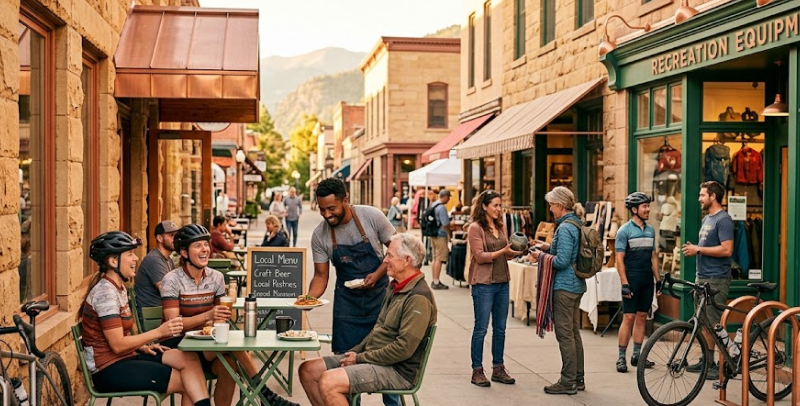
This relationship has become increasingly important for rural destinations and smaller communities seeking alternatives to traditional tourism models.
Outdoor recreation attracts visitors without requiring large-scale venues or major event infrastructure. Investments in parks, trails, and public spaces can generate economic activity at a lower cost than many tourism development projects.
Local businesses frequently benefit from recreation-related visitation in several ways:
- Increased customer traffic from visitors.
- Extended visitor stays within the community.
- Stronger visibility for local products and services.
- Opportunities to participate in recreation-focused events.
The connection between recreation and economic development has encouraged many chambers of commerce, tourism organizations, and local governments to collaborate on outdoor tourism initiatives.
Recreation Investments Contribute to Sustainable Growth
Outdoor recreation projects often align with broader sustainability goals.
Parks, greenways, and natural areas can support environmental conservation, stormwater management, habitat protection, and climate resilience efforts. At the same time, they provide recreational opportunities that attract visitors and improve resident quality of life.
This combination makes recreation infrastructure particularly appealing for communities pursuing sustainable growth strategies.
Many projects funded through federal, state, and local programs incorporate environmental objectives alongside tourism development goals. Communities increasingly recognize that conservation and economic development can complement one another.
| Sustainability Outcome | Community Benefit |
| Protected green space | Improved quality of life |
| Trail connectivity | Reduced vehicle dependence |
| Waterfront restoration | Tourism and resilience benefits |
| Urban parks | Community gathering opportunities |
| Habitat conservation | Eco-tourism potential |
These investments contribute to a destination’s long-term attractiveness while supporting environmental stewardship.
Research from the National Recreation and Park Association continues to demonstrate how parks and recreation assets contribute to economic vitality, environmental health, and social connection.
Communities Are Competing Through Outdoor Experiences
Destination competition increasingly extends beyond traditional attractions.
Travelers often compare destinations based on access to trails, outdoor recreation opportunities, public parks, and natural amenities. Communities that provide high-quality outdoor experiences can distinguish themselves in a crowded tourism marketplace.
This trend is influencing both urban and rural development strategies.
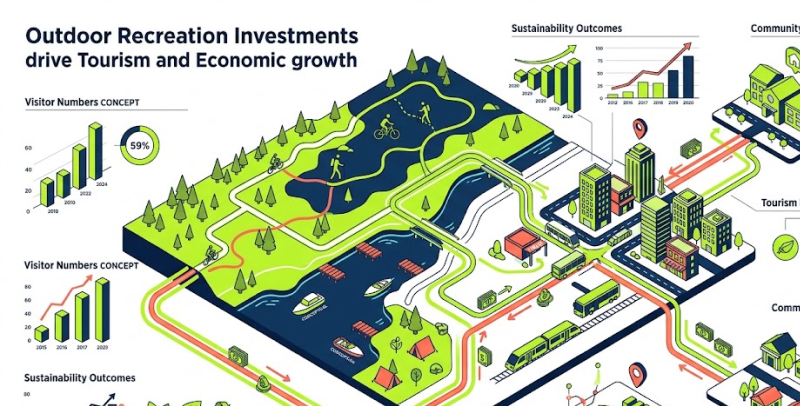
Cities are expanding greenway systems, activating waterfronts, and improving access to outdoor spaces. Rural communities are investing in trail networks, river access points, camping facilities, and recreational programming. The objective is to create experiences that attract visitors while serving local residents.
Outdoor recreation investments offer a rare combination of economic, social, and environmental benefits. They generate tourism activity, support local businesses, strengthen community identity, and improve quality of life.
The June 2026 federal funding announcement highlights the growing importance of these projects across the United States. Communities that view recreation infrastructure as a long-term economic asset are positioning themselves to attract visitors, support sustainable growth, and create opportunities that extend well beyond traditional tourism development.
