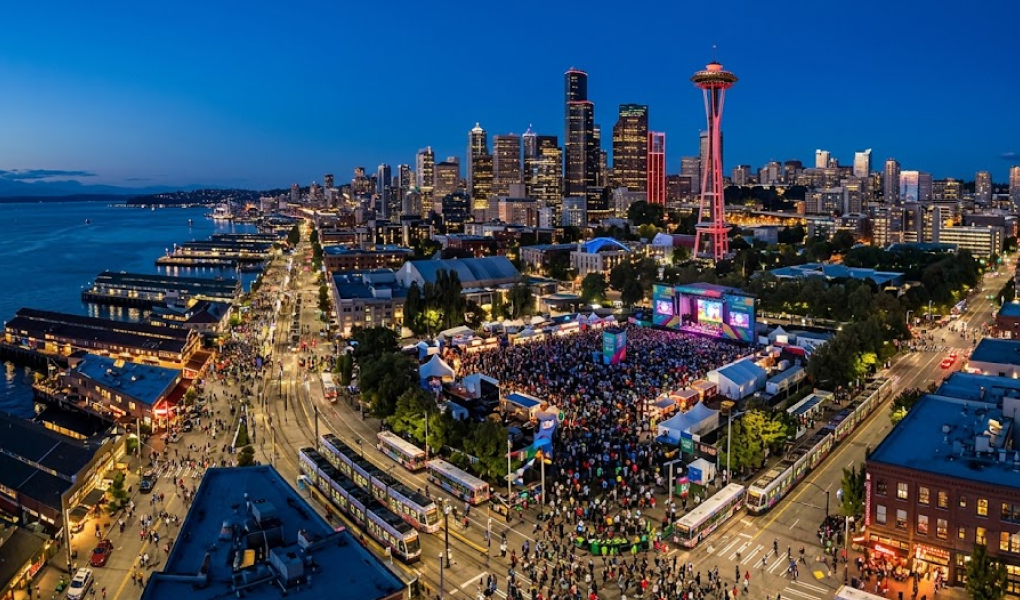
The 2026 FIFA World Cup has become one of the largest sporting events ever hosted across North America. In the United States, eleven host cities welcomed visitors from around the globe, creating opportunities that extend well beyond the matches themselves. Cities including Atlanta, Houston, Kansas City, Los Angeles, Miami, New York/New Jersey, Philadelphia, Seattle, San Francisco Bay Area, Boston, and Dallas have spent years preparing for the tournament through transportation improvements, tourism initiatives, volunteer programs, and community engagement efforts.
As the competition unfolds, host communities are gaining valuable insights into how large-scale international events can support economic development, strengthen tourism, and improve public infrastructure. Many of these lessons will remain relevant long after the tournament concludes.
The focus has shifted from simply hosting matches to creating long-term value for residents, businesses, and visitors. This broader perspective is shaping how cities approach major sporting events and community development projects across the United States.
Community Engagement Has Become a Central Priority
One of the clearest lessons from the World Cup involves the importance of resident participation.
Previous generations of major events often concentrated resources around stadium operations and visitor services. The 2026 tournament has demonstrated that communities benefit when residents are included in the experience through volunteer opportunities, fan festivals, cultural celebrations, and educational programs.
Seattle’s World Cup organizing committee, for example, developed extensive community outreach initiatives designed to connect neighborhoods, businesses, and nonprofit organizations with tournament activities. Similar programs emerged throughout other host cities, reflecting a growing commitment to creating benefits that extend beyond visitors.
This approach helps build public support for large events and creates opportunities for local organizations to participate in economic and cultural activities connected to the tournament.
Research from the U.S. Travel Association shows that visitor spending contributes to local economies through hospitality, transportation, retail, and entertainment sectors. Communities that actively involve residents are often better positioned to distribute those benefits across a broader range of stakeholders.
Transportation Planning Influences the Visitor Experience
Moving millions of visitors efficiently has become one of the defining challenges of the World Cup.
Host cities have invested heavily in transportation systems, pedestrian infrastructure, public transit enhancements, and wayfinding improvements. These investments are helping communities manage tournament-related demand while creating long-term improvements for residents.
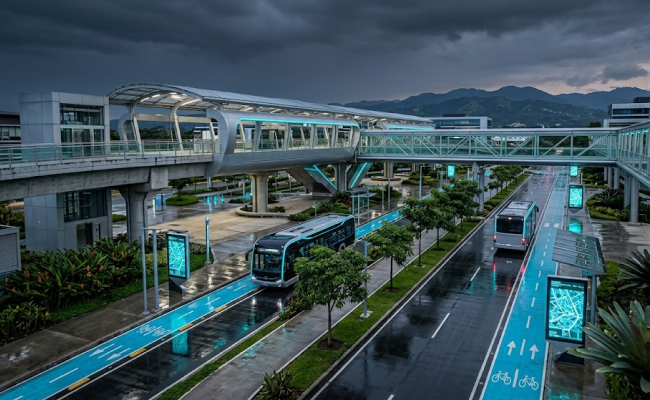
Kansas City, Houston, and Philadelphia have implemented transportation strategies that prioritize accessibility and visitor mobility. Many projects were accelerated to meet tournament deadlines, creating infrastructure improvements that will continue serving local communities for years.
The World Cup has reinforced the connection between transportation and destination competitiveness.
Visitors increasingly evaluate destinations based on convenience, accessibility, and ease of movement. Cities that provide efficient transportation systems often encourage longer stays and greater visitor spending.
| Transportation Initiative | Long-Term Community Benefit |
|---|---|
| Transit improvements | Better mobility for residents |
| Pedestrian enhancements | Safer public spaces |
| Wayfinding systems | Improved visitor navigation |
| Accessibility upgrades | Greater inclusivity |
| Traffic management technology | Reduced congestion |
These investments contribute to stronger tourism infrastructure and support future event attraction efforts.
Fan Festivals Expand Economic Opportunities
One of the most visible successes of the tournament has occurred outside the stadium environment.
World Cup fan festivals have transformed parks, plazas, and public gathering spaces into destinations that attract residents and visitors alike. These events create additional opportunities for restaurants, retailers, local vendors, and cultural organizations.
Rather than concentrating activity exclusively around match venues, fan festivals distribute economic benefits throughout a community.
Cities such as New York and Seattle have used public viewing areas and cultural programming to engage larger audiences and create broader participation opportunities. Local businesses benefit from increased foot traffic, and visitors gain exposure to neighborhoods and attractions they may not have otherwise explored.
These experiences support many of the principles discussed in sports tourism growth, where public participation and community engagement contribute to long-term tourism development.
Data from the National League of Cities highlights how public spaces and community programming can contribute to economic vitality and civic engagement. Fan festivals offer a practical example of these outcomes during a global event.
Small Businesses Play a Larger Role Than Expected
Many host cities entered the tournament focused on visitor numbers, hotel occupancy rates, and venue operations. As the event progressed, local business participation emerged as a major factor in overall success.
Restaurants, cafes, retail shops, transportation providers, and service-based businesses have become important contributors to the visitor experience.
Communities that actively promoted local businesses through visitor guides, marketing campaigns, and festival partnerships created stronger connections between tourism spending and local economic development.
The World Cup has demonstrated that visitors are increasingly interested in authentic local experiences rather than standardized attractions. Neighborhood dining districts, cultural venues, and locally owned businesses often become highlights of a visitor’s trip.
This trend creates opportunities for communities to showcase their unique identity while supporting economic growth across multiple sectors.
| Business Sector | Tournament-Related Opportunity |
| Restaurants | Increased visitor spending |
| Retail stores | Expanded customer exposure |
| Cultural attractions | Higher attendance |
| Transportation services | Increased demand |
| Local vendors | New revenue opportunities |
These outcomes reinforce the value of integrating small businesses into event planning strategies.
Global Visibility Creates Lasting Tourism Advantages
The FIFA World Cup generates media coverage on a scale few events can match.
Host cities receive exposure through television broadcasts, digital content, social media activity, and international news coverage. This visibility introduces destinations to audiences that may have limited familiarity with the region.
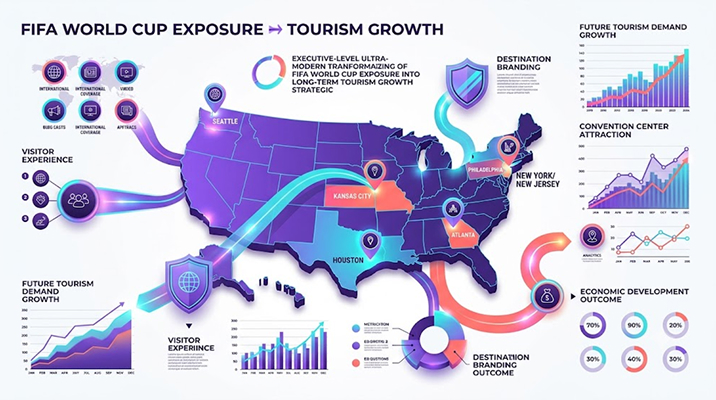
For tourism organizations, the tournament functions as a large-scale marketing opportunity.
Kansas City tourism leaders have openly discussed the importance of converting World Cup visitors into future travelers. Similar strategies have emerged across other host cities, with destination marketing organizations promoting local attractions, cultural experiences, and future events.
The goal extends beyond immediate visitor spending.
Communities hope that positive impressions formed during the tournament will influence future travel decisions, business investment, and convention activity. Cities that successfully showcase their character, accessibility, and visitor experiences can benefit from increased tourism demand for years.
The U.S. Department of Commerce travel and tourism data continues to highlight the significant role international visitors play in supporting economic activity throughout the United States. Events with global reach can strengthen those opportunities by increasing destination awareness among future travelers.
The Strongest Legacy May Be Long-Term Planning
The 2026 FIFA World Cup has highlighted a broader shift in how communities evaluate major sporting events.
Success is no longer measured solely through attendance figures or short-term economic impact reports. Cities are increasingly focused on infrastructure improvements, community engagement, tourism development, public space activation, and business participation.
Host communities have discovered that large events can serve as catalysts for projects and partnerships that deliver value long after visitors leave.
Transportation upgrades continue serving residents. Public spaces remain active community assets. Tourism campaigns generate future visitation. Local businesses gain exposure to new audiences. Volunteer networks and community partnerships often remain intact after the tournament ends.
These lessons are likely to influence how cities approach future sporting events, conventions, festivals, and tourism initiatives. The World Cup has provided a powerful demonstration of how strategic planning can transform a global sporting event into a long-term community development opportunity.
