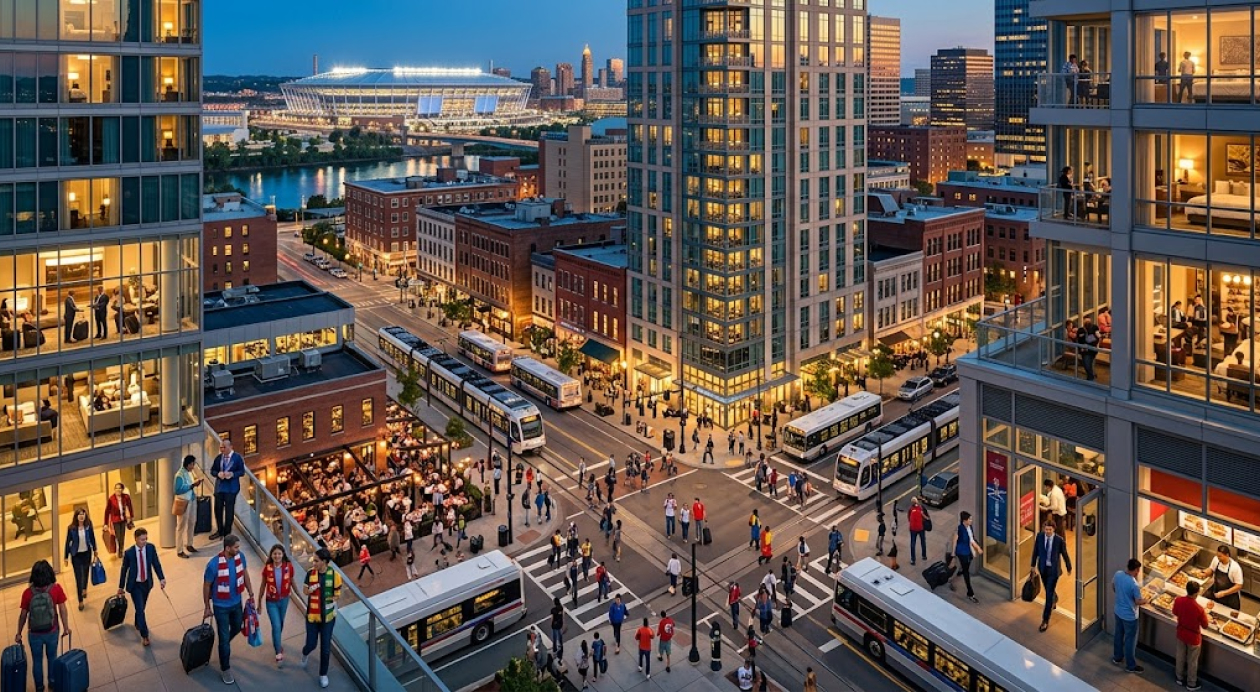
The FIFA World Cup 2026 has become one of the largest experiments in modern American sports tourism, demonstrating how a global sporting event can generate economic activity far beyond stadium gates. While millions of fans followed matches across the United States, the broader impact has been measured through hotel demand, restaurant activity, transportation usage, retail spending, infrastructure investment, and international exposure.
According to an economic analysis from Bank of America, the FIFA World Cup was projected to generate approximately $20 billion in economic activity across the United States, with host cities benefiting from increased visitor spending, business activity, and global visibility. The estimate highlights a growing reality within sports tourism: the value of major events is no longer limited to ticket revenue or match attendance.
For communities across America, the tournament provided a blueprint for how large-scale sporting events can become catalysts for economic development. The cities that benefited most were not simply those with large stadiums. They were communities that created connections between sports venues, hotels, transportation networks, local businesses, and cultural attractions.
The long-term question for economic development leaders is how to transform a temporary international event into a lasting tourism advantage.
The Economic Impact Behind The $20 Billion Estimate
Major sporting events create economic activity through multiple channels. The most visible spending comes from visitors attending matches, but the broader impact spreads through industries connected to tourism.
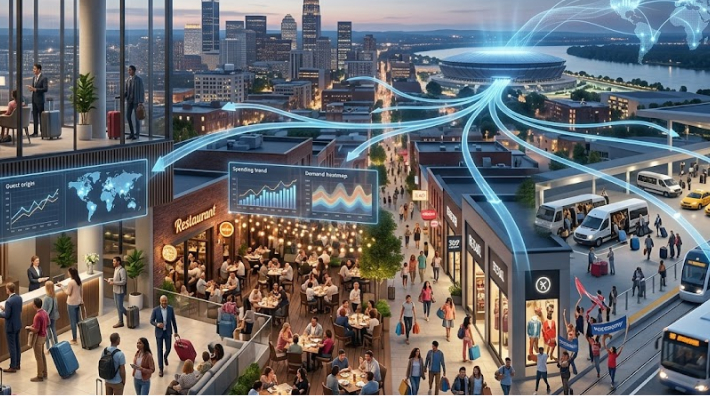
International visitors typically spend money on accommodations, transportation, dining, entertainment, shopping, and local experiences. Domestic travelers also contribute significantly by extending trips around major events or visiting host cities specifically because of the tournament atmosphere.
The FIFA World Cup amplified this effect because the competition attracted global audiences and encouraged extended travel throughout host regions.
According to the National Travel and Tourism Office, international visitors contribute billions of dollars annually to the U.S. economy through travel-related spending, supporting businesses across hospitality, transportation, recreation, and retail sectors.
The World Cup accelerated these existing tourism patterns by concentrating international attention on American destinations.
| Economic Sector | World Cup Impact |
|---|---|
| Hotels and Hospitality | Increased room demand, higher rates, and extended visitor stays |
| Restaurants and Retail | Greater consumer spending from domestic and international travelers |
| Transportation | Higher demand for airports, transit systems, and mobility services |
| Local Attractions | Increased visibility for museums, entertainment districts, and cultural venues |
This diversified economic impact explains why cities invest heavily in hosting major sporting events. The benefits extend beyond the competition itself and create opportunities for businesses throughout the region.
Why Sports Tourism Is Becoming A Long-Term Economic Strategy
The $20 billion economic boost reflects a broader shift in how American cities view major sporting events.
Historically, communities evaluated events primarily through immediate measures such as attendance numbers, ticket sales, and media exposure. Those metrics remain important, but they do not fully capture the long-term value created through tourism development.
Today, cities increasingly examine:
- Whether visitors extend their stays beyond the event.
- Whether local businesses participate in the economic opportunity.
- Whether infrastructure improvements create lasting community benefits.
- Whether international exposure increases future tourism demand.
This approach changes the role of sporting events from short-term entertainment opportunities into economic development platforms.
A successful event can introduce millions of people to a destination, improve regional infrastructure, strengthen business networks, and create new opportunities for future conventions, tournaments, and cultural events.
Richland Chamber has examined similar strategies through its coverage of sports tourism impact, highlighting how communities can use major events to support economic growth and strengthen local partnerships.
Host Cities Showed Different Models Of Sports Tourism Growth
The FIFA World Cup provided different examples of how American communities can capture economic value from global events.
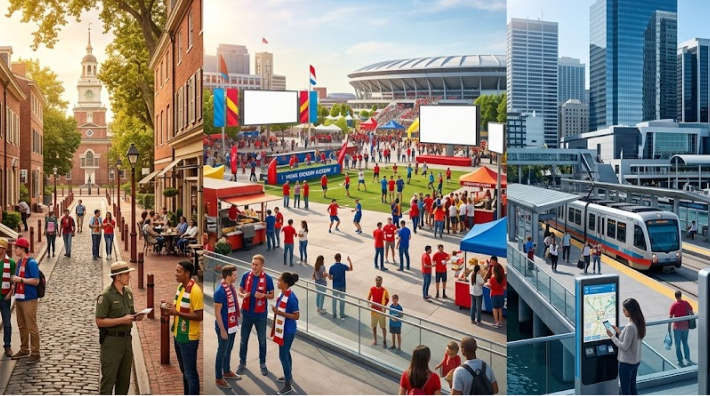
Philadelphia demonstrated how an established tourism destination can use a sporting event to strengthen existing economic strengths. The city’s historic attractions, restaurant districts, hospitality sector, and downtown entertainment areas created multiple opportunities for visitors beyond match attendance.
Hotel performance became one of the clearest indicators of success. During World Cup activity periods, Philadelphia experienced significant increases in hotel revenue as international supporters stayed longer and explored the region.
The city’s approach reflected an important sports tourism principle: visitors are more valuable when they become travelers rather than simply spectators.
Kansas City provided another example of how a smaller metropolitan market could compete successfully on the international stage. Through investments around GEHA Field at Arrowhead Stadium, transportation planning, fan experiences, and community engagement, Kansas City positioned itself as a destination capable of hosting visitors from around the world.
The city’s strategy focused on creating a complete visitor experience rather than relying only on the match itself.
The San Francisco Bay Area followed a regional approach. With matches hosted at Levi’s Stadium in Santa Clara, the area connected sports tourism with Silicon Valley, San Francisco attractions, coastal destinations, and hospitality infrastructure throughout the region.
According to reporting from the San Francisco Chronicle, regional leaders estimated that World Cup activity could generate hundreds of millions of dollars in economic impact while creating thousands of jobs across hospitality and related industries.
These examples demonstrate that there is no single formula for sports tourism success. Different communities can benefit by identifying their unique assets and building strategies around them.
The Importance Of Infrastructure Beyond The Stadium
One of the strongest lessons from FIFA World Cup 2026 is that successful sports tourism requires preparation beyond the competition venue.
Transportation systems, airports, hotels, public spaces, and digital visitor services all influence how travelers experience a destination.
Cities that invested in mobility improvements created benefits that extend beyond the tournament. Better transit connections, improved pedestrian areas, and upgraded public spaces support residents while also making communities more attractive for future visitors.
Infrastructure investment also affects how widely economic benefits are distributed.
When visitors can easily move throughout a region, spending reaches more neighborhoods and businesses. Restaurants, retailers, cultural venues, and small businesses outside immediate stadium areas gain greater opportunities to participate.
The future of sports tourism will increasingly depend on this integrated approach. Stadiums remain important, but the surrounding ecosystem determines whether a major event creates lasting value.
The Beginning Of A New Era For American Sports Tourism
The FIFA World Cup’s estimated $20 billion economic contribution represents more than a single tournament achievement. It reflects a changing approach to how American communities use international sporting events.
The strongest outcomes came from cities that viewed the World Cup as a regional development opportunity rather than a temporary competition.
By connecting hospitality, transportation, business participation, and community experiences, host regions created stronger foundations for future tourism growth.
The next challenge will be determining how these communities maintain momentum after the tournament ends and convert global attention into sustained economic opportunity.
Turning A One-Time Event Into Long-Term Tourism Growth
The biggest opportunity created by the FIFA World Cup is not the economic activity generated during the tournament itself. The more important question for communities is how effectively they transform temporary global attention into long-term tourism growth.
Mega sporting events create a rare moment when millions of people discover a destination at the same time. The challenge is converting that exposure into future travel decisions.
A visitor who attends a World Cup match may later return for a family vacation, recommend the destination to others, attend a business conference, or choose the region for another major event. This long-term visitor pipeline represents one of the most valuable outcomes of sports tourism.
Cities that understand this opportunity are already developing strategies focused on destination retention. They are using event visibility to promote cultural attractions, outdoor recreation, culinary experiences, business opportunities, and regional tourism networks.
The strongest legacy is created when the event becomes the introduction rather than the final experience.
Hospitality And Destination Marketing Will Shape Future Success
The World Cup reinforced the importance of hospitality as a competitive advantage.
Hotels, restaurants, entertainment venues, and tourism organizations were responsible for creating the daily experiences that shaped visitor opinions. A successful match experience could be overshadowed by poor transportation, limited accommodations, or an unwelcoming environment.
For this reason, future sports tourism strategies will increasingly focus on destination-wide coordination.
Cities preparing for future events will need stronger partnerships between:
- Tourism agencies promoting the destination.
- Hotels managing visitor demand.
- Transportation organizations improving mobility.
- Local businesses creating authentic experiences.
- Community groups supporting visitor engagement.
This coordinated approach allows economic benefits to spread beyond official venues.
According to the U.S. Travel Association, travel experiences influence destination reputation, repeat visitation, and long-term tourism growth. The lesson for sports tourism leaders is that every interaction contributes to the overall perception of a community.
The future competition between host cities will not only be about who can organize the biggest event. It will be about who can create the most memorable destination.
Regional Collaboration Is Becoming A Major Sports Tourism Advantage
Another important lesson from the FIFA World Cup is the growing importance of regional cooperation.
Modern sporting events rarely benefit only one city. Visitors often stay in nearby communities, travel between multiple destinations, and spend money throughout an entire metropolitan area.
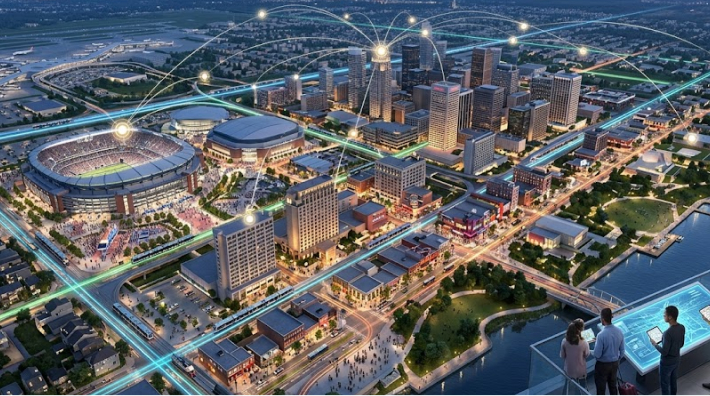
The San Francisco Bay Area demonstrated this model by connecting matches at Levi’s Stadium in Santa Clara with tourism opportunities across San Francisco, Silicon Valley, and surrounding communities.
Similarly, Miami’s World Cup activity created opportunities throughout South Florida, showing how neighboring cities can benefit when regions work together.
This regional approach creates several advantages:
| Regional Strategy | Long-Term Benefit |
|---|---|
| Shared tourism marketing | Larger visitor reach and stronger destination branding |
| Connected transportation systems | Easier movement for visitors |
| Regional business partnerships | Wider economic participation |
| Combined attractions | Longer visitor stays |
For economic development organizations, this represents an important opportunity. Communities do not need to host the largest stadium or the most matches to benefit from sports tourism. They need to understand how they fit into the broader visitor ecosystem.
The Next Generation Of Mega Events Will Focus On Community Benefits
The future of sports tourism in America will likely place greater emphasis on community outcomes.
Residents increasingly expect major events to deliver benefits beyond entertainment. They want improved infrastructure, stronger local businesses, new tourism opportunities, and investments that remain valuable after competitions end.
The FIFA World Cup demonstrated how event preparation can accelerate improvements in transportation, public spaces, hospitality capacity, and community programming.
These investments create a foundation for future growth.
The same principles will influence upcoming events such as the 2028 Olympic and Paralympic Games in Los Angeles, where organizers are emphasizing existing venues, public transportation improvements, and regional accessibility rather than building an entirely new sports infrastructure network.
Information about the upcoming Olympic Games strategy is available through the LA28 Olympic and Paralympic Games organization.
The direction is clear: future mega-events will increasingly be judged by their ability to improve communities while delivering successful competitions.
What The $20 Billion World Cup Impact Means For Smaller Communities
The FIFA World Cup also provides lessons for communities that are not traditional global event destinations.
Smaller cities and regional communities can benefit by developing tourism assets that complement larger events.
Examples include:
- Creating fan experiences connected to major competitions.
- Developing cultural attractions and festivals.
- Building partnerships with nearby host cities.
- Improving visitor services and hospitality training.
The economic impact of sports tourism does not need to come exclusively from hosting matches. Communities can participate through tourism partnerships, regional events, accommodations, and visitor experiences.
This creates opportunities for chambers of commerce, economic development organizations, and local businesses to position themselves as contributors to major tourism moments.
Sports Tourism Is Becoming A Core Economic Development Strategy
The estimated $20 billion FIFA World Cup impact demonstrates how sports tourism has evolved from a temporary economic boost into a strategic development tool.
American cities are increasingly recognizing that major events can support broader goals:
- Expanding tourism industries.
- Strengthening infrastructure.
- Increasing international visibility.
- Supporting local businesses.
- Creating stronger regional partnerships.
The communities that benefit most will be those that plan beyond the event calendar.
Attendance numbers will always matter. Stadium capacity, ticket sales, and viewership remain important indicators of success. However, the future of sports tourism will be measured by a wider set of outcomes: visitor satisfaction, economic participation, infrastructure improvements, and lasting destination growth.
The FIFA World Cup showed that a major sporting event can become much more than a competition. It can serve as a catalyst for stronger communities, more connected regions, and a new generation of American tourism opportunities.
