
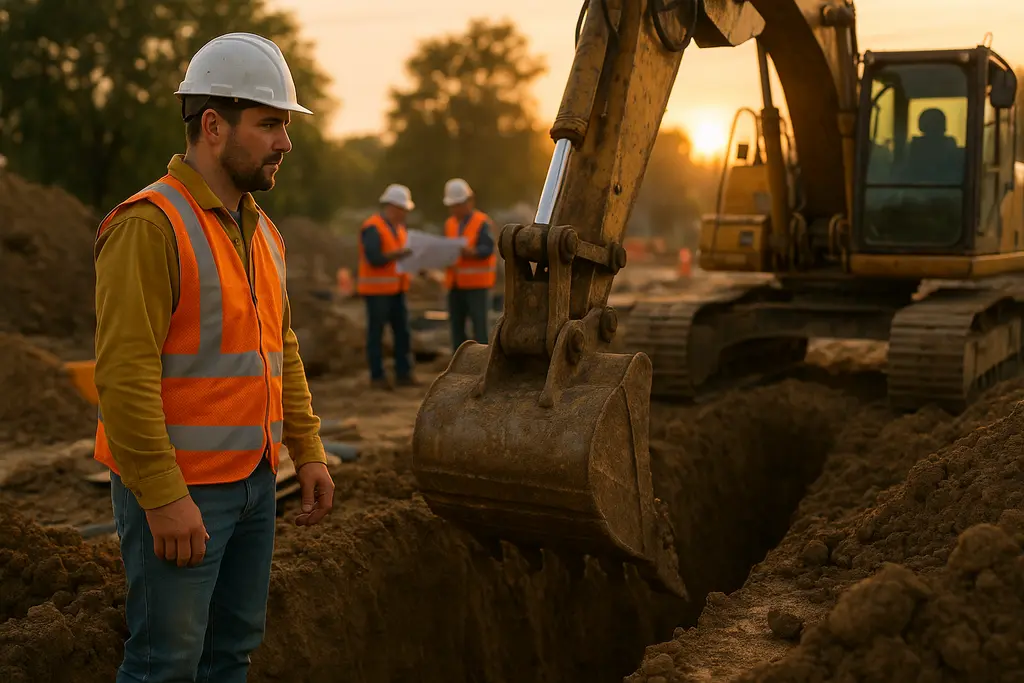
Richland County infrastructure planning is moving from routine maintenance into visible neighborhood-level projects, with stormwater, roads, traffic operations, right-of-way records, solid waste service, and county facility support all tied to how residents experience public services. The clearest near-term example is the Hickory Ridge stormwater project: Richland County received a $9 million grant from the S.C. Infrastructure Investment Program in June 2024 to upgrade drainage serving about 90 households, with construction slated to begin in Spring 2025, according to ABC Columbia’s report.
For a county government, infrastructure is not just pipes and pavement. It is also the operating base for daily life: school commutes, emergency access, trash collection, airport upkeep, neighborhood drainage, and the public confidence that comes from seeing reported issues addressed. The Public Works Department’s work, as described in county materials provided in the research record, sits at that intersection of facilities, mobility, and civic accountability.
Where Richland County Infrastructure Work Is Moving
Why Richland County Infrastructure Starts With Stormwater
The Hickory Ridge project is significant because stormwater systems are often noticed most when they fail. Standing water, overwhelmed ditches, undersized pipes, and slow drainage can affect yards, roads, and the perceived stability of a neighborhood. The reported scope for Hickory Ridge includes replacing existing drainage with larger pipes and adding new drainage networks. That is not cosmetic work; it is basic public facility capacity.
For the roughly 90 households identified in the ABC Columbia report, the civic question now becomes implementation. Residents will want to know how construction sequencing will affect access, whether temporary traffic changes will be needed, how the county will communicate schedule changes, and how post-project performance will be measured during heavy rain. As Richland County infrastructure planning moves from grant award to construction, the quality of public communication will matter almost as much as the engineering plan.
Why Drainage Projects Affect Community Confidence
Stormwater upgrades rarely attract the same attention as a new park, arena, or civic building, but they influence how people judge local government. A neighborhood that repeatedly floods may feel overlooked. A neighborhood that sees drainage replaced, inspected, and maintained gains a different relationship with county service delivery. From a facilities perspective, that trust is part of the asset value.
This is where Public Works decisions shape community identity in practical terms. Residents may not use technical language about pipe capacity or drainage easements, but they know whether streets are passable after a storm and whether county crews respond to public requests. Those experiences become part of how people describe their community to neighbors, employers, visitors, and prospective homebuyers.
Road Data Shows The Scale Of Public Works
What The 2022 Road Figures Show
Richland County’s road maintenance responsibility is large and varied. A March 2022 county committee agenda described the Road Maintenance System as including 621 miles of paved roads, 44 miles of unpaved roads with right-of-way, and 161 miles of unpaved roads with prescriptive easement, according to the Richland County agenda.
Those figures help explain why road work cannot be evaluated by one visible project at a time. Paved roads, unpaved roads with right-of-way, and unpaved roads with prescriptive easement each raise different maintenance, legal, cost, and access questions. A resident may experience all three simply as road conditions. Public Works has to sort them through records, standards, work orders, and available funding.
Why Right-Of-Way Records Matter
The research record states that Richland County’s right-of-way administration secures deeds and easements for road maintenance and capital projects while maintaining records of county-owned roads and drainage easements. That function can sound administrative, but it is central to whether a project can move forward. If the county lacks clear access or a documented easement, even a needed repair may require more review before crews can act.
For residents, this means the answer to a road or drainage request may depend on more than visible need. Ownership, easement status, and maintenance responsibility can shape the timeline. Clear public explanations can reduce frustration, especially in rural or transitional areas where road status may not be obvious from daily use.
How Operations Connect Roads, Drainage, And Safety
Traffic Operations And Daily Movement
According to county engineering information summarized in the research, the Traffic Operations Division installs, inspects, and maintains traffic signals and traffic control devices. The same county materials describe its work on safety and capacity improvements, including turn lanes and sidewalk enhancements. Those functions connect transportation facilities directly to resident safety.
The practical value of Richland County infrastructure is often measured in minutes and close calls: whether a turn lane reduces backups, whether a sidewalk gives students and workers a safer path, whether a signal is maintained before a failing device causes delay. These smaller operational details may not draw ceremony, but they define the daily performance of the public network.
Survey Work Supports Better Decisions
The research record also identifies a county survey crew that supports Public Works by conducting field surveys for storm drainage issues, surveying county properties, and advising on land and boundary matters. That field work matters because infrastructure decisions require accurate ground-level information. Drainage flow, property lines, road edges, and facility boundaries all affect design and maintenance choices.
From an economic development standpoint, this is part of the county’s competitiveness. Businesses and developers pay attention to whether public systems are reliable, whether road access is predictable, and whether drainage concerns are handled through a clear process. Public Works is not the only factor in site decisions, but dependable infrastructure lowers friction for residents and employers.
Residents Need Clear Points Of Contact
Public Requests And Records Matter
The Public Works Department’s responsibilities, as described in county materials provided in the research, extend beyond roads and drainage. The department also delivers countywide solid waste and recycling services, including collections, drop-off centers, bulk item appointments, and landfill operations. It also manages operations, maintenance, and administration at Jim Hamilton – LB Owens Airport, according to the same research record.
That range makes public access to information essential. A resident with a missed collection issue, a drainage concern, a road maintenance question, or a traffic safety concern should not have to guess which office is responsible. A pragmatic county service model depends on intake systems that sort requests, track status, and explain constraints.
For Richland County infrastructure decisions, civic engagement should be more than a meeting notice. Residents need plain-language updates on what changed, which neighborhoods are affected, what the county has funded, and what step comes next. Local readers who wish to stay informed on connected public issues in the region can benefit from resources like those provided by County Watchers.
Community Engagement Is A Public Works Asset
The research record states that the department emphasizes community involvement by providing information on activities and responding to public requests. That approach is valuable because infrastructure projects can disrupt daily routines even when the long-term result is positive. Construction near homes, detours, drainage work, and collection changes all require trust.
Public Works departments build that trust by sharing timelines, acknowledging uncertainty, and explaining why a project is sequenced the way it is. For Hickory Ridge, that could mean timely construction updates before Spring 2025 work begins. For roads, it could mean clearer explanations of which roads fall within county maintenance responsibility. For traffic operations, it could mean posting the reason for turn lane or sidewalk work in terms residents can connect to safety.
What Richland County Infrastructure Work Means For Residents
The near-term test for Richland County is execution. The $9 million Hickory Ridge grant provides a defined project with a public timeline. The 2022 road inventory shows a broad maintenance base that cannot be fixed through one action. Traffic operations, right-of-way administration, survey work, solid waste services, and airport maintenance show how many facility systems sit under the Public Works umbrella.
Richland County infrastructure work should be judged by practical measures: whether stormwater upgrades reduce recurring problems, whether road maintenance requests are handled through a clear process, whether traffic improvements make movement safer, and whether residents can understand who is responsible for each asset. Those are not abstract standards. They are the everyday tests residents apply when they drive to work, put out bulk items, report drainage concerns, or walk along a busy road.
For local businesses and community institutions, the same systems affect operating conditions. Reliable roads support deliveries and customer access. Drainage improvements protect property and reduce disruption. Solid waste services affect health, cleanliness, and appearance. Airport operations at Jim Hamilton – LB Owens Airport, as described in the research record, add another county facility responsibility tied to maintenance and compliance.
The most useful next civic step is steady public tracking. Residents should watch for county updates on the Hickory Ridge construction schedule, future Public Works agenda items, road maintenance discussions, and any posted changes to service processes. Richland County infrastructure investment will carry the most community value when residents can see not only what is being built or repaired, but also how decisions are made, how work is prioritized, and how the county responds after projects are complete.
