Cincinnati has a new case study for cities trying to prove that major conventions can generate meaningful economic returns. On October 6, 2026, Visit Cincy reported that Omega Psi Phi Fraternity, Inc.’s 85th Grand Conclave generated an estimated $43.25 million in total business sales, including $23.66 million in direct spending, nearly $13.84 million in personal income, and approximately $1.58 million in local tax revenue. The gathering also accounted for an estimated 50,025 hotel room nights and more than 75,000 visitor days.
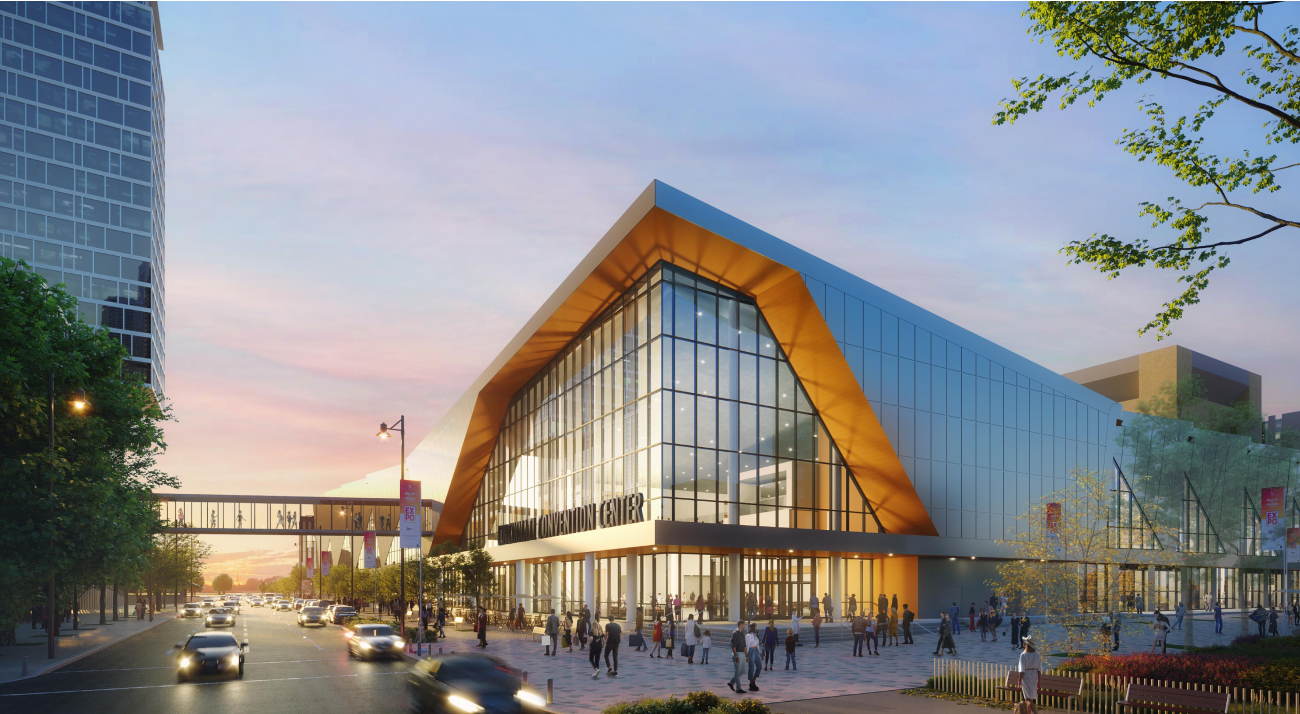
The findings arrive as Cincinnati completes a major upgrade to its convention infrastructure. The First Financial Center reopened in January following a $264 million transformation, forming the centerpiece of an approximately $800 million downtown Convention District investment that also includes a new headquarters hotel and expanded public gathering space.
For local officials, hospitality businesses, and economic development organizations, the opportunity extends beyond celebrating a successful convention. Cincinnati’s results raise a more consequential question: how should cities measure the return on the money, facilities, staffing, and marketing required to attract large events?
The $43.25 Million Figure Represents More Than Visitor Spending
The headline number captures several layers of economic activity generated by the Grand Conclave. According to Visit Cincy’s October 2026 analysis, the event generated $23.66 million in direct spending and another $19.59 million in indirect and induced economic activity.
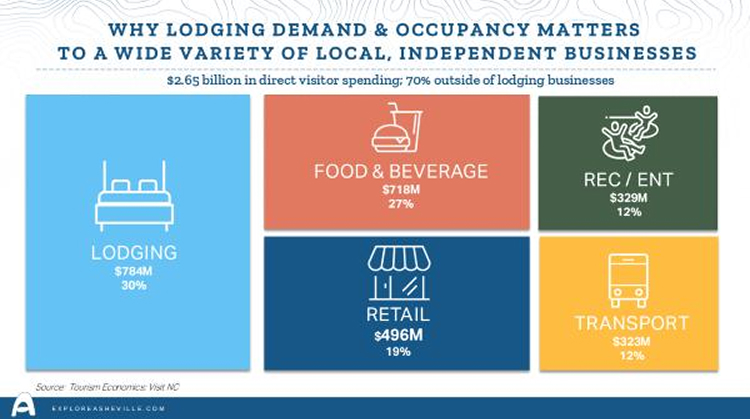
Direct spending includes purchases made by visitors and event participants at hotels, restaurants, transportation providers, retailers, and other businesses. Indirect activity reflects spending circulating through local suppliers, while induced activity captures purchases made by workers whose incomes benefit from the event.
These categories help explain why an event can generate an economic impact estimate substantially larger than the amount visitors spend directly. They also require careful interpretation. The $43.25 million figure does not represent $43.25 million in government revenue, profit for local businesses, or cash available to fund public services.
That distinction matters when officials compare conventions with other potential investments. A city can generate considerable economic activity while receiving only a fraction of that amount in taxes. Businesses also face their own operating costs, including payroll, supplies, rent, utilities, and event-related staffing.
The more useful assessment therefore considers direct visitor spending, the additional activity it supports, the tax revenue collected, and the public and private expenses required to secure the event.
Hotels And Restaurants Captured A Significant Share Of The Spending
The Grand Conclave illustrates how convention-related spending moves beyond a meeting facility.
Visit Cincy reported that lodging businesses received more than $11.1 million, restaurants and food-and-beverage businesses received approximately $5.2 million, transportation businesses received more than $3 million, and business services received approximately $2.3 million.
| Economic measure | Reported result |
|---|---|
| Total business sales and economic activity | $43.25 million |
| Direct spending | $23.66 million |
| Personal income generated | $13.84 million |
| Local tax revenue | Approximately $1.58 million |
| Estimated hotel room nights | 50,025 |
| Visitor days | More than 75,000 |
Source: Visit Cincy, October 6, 2026. Figures are estimates reported by the destination organization.
These results show why event planners, destination marketing organizations, and local businesses need to coordinate before a major gathering arrives. Hotel room demand can create opportunities for properties throughout the region, while restaurant reservations, transportation bookings, and retail purchases extend the event’s commercial footprint.
The room-night figure is especially useful for evaluating lodging demand. It provides a more concrete indicator of accommodation use than a general visitor estimate, although it does not independently establish how much revenue hotels earned or whether every room night represented additional demand that would otherwise have been absent.
For Cincinnati, the distribution of spending also creates a reason to track which neighborhoods and business types benefit. A convention can produce a strong aggregate impact while concentrating most purchases near downtown hotels and the event venue.
Cincinnati’s Convention Investment Is Entering A Critical Test
The Grand Conclave took place shortly after the reopening of the First Financial Center, formerly known as the Duke Energy Convention Center. The venue completed an approximately $264 million renovation, celebrated with a ribbon-cutting ceremony on January 7, 2026.
The modernization included upgraded meeting rooms, ballrooms, exhibit space, building systems, technology, and a rooftop terrace. The adjacent two-acre Elm Street Plaza adds outdoor gathering and event space that can accommodate receptions and other activities.
These improvements form part of a broader downtown development strategy. According to Visit Cincy’s convention district overview, the overall investment is approximately $800 million and includes a new 700-room Cincinnati Downtown Marriott headquarters hotel. The hotel broke ground in July 2026 and is expected to open in 2028.
The strategy is straightforward: modern facilities, more hotel rooms, and a connected downtown environment should make Cincinnati more competitive for larger conventions and meetings that require substantial accommodation and event capacity.
Yet the $43.25 million result cannot, by itself, establish whether the wider investment will pay for itself. One successful gathering is evidence of demand, but a long-term assessment must account for construction costs, financing, operating expenses, maintenance, marketing, and the number of additional events attracted over time.
The Grand Conclave is therefore an early indicator, rather than a final verdict, on the Convention District’s economic performance.
Local Tax Revenue Provides A More Practical Measure Of Return
Among the most important figures in the October report is the approximately $1.58 million in local tax revenue associated with the event.

Tax receipts offer a different perspective from total economic impact because they help governments assess the event’s potential contribution to public budgets. However, even tax revenue needs context. Officials must distinguish gross receipts from the amount remaining after event-related public expenses.
Visit Cincy’s analysis reported approximately $1.54 million in direct local tax receipts against $361,064 in destination hosting costs, producing more than $1.17 million in net direct local tax return. The direct local tax figure is a specific component of the broader reported tax estimate, so the two figures should not be treated as interchangeable.
This distinction helps explain why a city’s most useful event scorecard should separate several financial categories rather than compress them into one headline number.
Public officials need to know how much revenue an event generates, how much the destination spends to attract and accommodate it, which expenses are borne by the city or county, and whether businesses receive enough new demand to justify their participation.
Cities should also distinguish one-time event costs from infrastructure expenses that support many gatherings over multiple years. A convention center renovation cannot reasonably be evaluated against the tax receipts from a single convention; its performance depends on the accumulated results of a broader event calendar.
Cincinnati’s Wider Visitor Economy Provides Important Context
The Grand Conclave is one event within a much larger tourism economy. In August 2026, Visit Cincy reported that Hamilton County’s visitor economy generated $7.4 billion in total economic impact, based on a Tourism Economics analysis.
The report attributed $4.5 billion to direct visitor spending, a 2.7% increase over the previous year. Visitor activity supported 48,365 full-time and part-time jobs and generated more than $1 billion in federal, state, and local tax revenue. Combined state and local tax revenue accounted for $513 million, including $228 million in local taxes.
The Hamilton County visitor economy report provides a broader benchmark for understanding the convention’s role.
A single gathering can be valuable because it brings visitors into the region during a defined period, supports accommodation demand, and introduces people to local attractions and businesses. However, cities should avoid adding an individual event’s estimated impact directly to annual tourism totals without checking for overlapping measurement periods and methodologies.
The central question is how much additional economic activity an event creates. Some attendees might have visited Cincinnati anyway, while others travel specifically for the convention. Spending by visitors who would not otherwise have come to the region is particularly relevant when estimating incremental benefits.
This is why event organizers and destination organizations should combine attendance figures with visitor origin data, length of stay, spending patterns, and comparisons against normal business conditions.
Major Conventions Can Benefit Businesses Outside The Venue
A convention’s economic reach depends partly on whether visitors move around the destination instead of remaining inside the meeting facility.
Cincinnati’s downtown setting offers access to hotels, restaurants, retail businesses, attractions, and entertainment areas. The First Financial Center’s proximity to other downtown destinations can help convention participants spend money during breaks, before scheduled sessions, and after evening programs.
For smaller businesses, the opportunity may come from catering contracts, transportation services, temporary staffing, event supplies, local tours, or increased restaurant traffic. Suppliers may also benefit when hotels and venues purchase goods and services to accommodate a large gathering.
Destination organizations can strengthen those connections by providing attendees with information about neighborhood businesses, arranging local partnerships, and helping smaller companies prepare for event-driven demand.
This approach is particularly relevant to regional chambers of commerce. Richland Chamber’s business and community development work reflects the broader role that local economic organizations can play in connecting business activity with community opportunities.
However, the benefits should be measured rather than assumed. An increase in sales for one business may coincide with a decline elsewhere if visitors simply shift spending from another area. Surveys, business sales data, employment information, and visitor spending analysis can help determine whether a convention expands the local market or mainly redistributes existing demand.
Cities Need To Measure What Happens After The Event
Cincinnati’s reported results offer a useful starting point for a more comprehensive event evaluation model. Cities considering major conventions should examine the economic activity generated during the gathering alongside the costs, the distribution of benefits, and the longer-term effects.
A practical evaluation can track five measures:
- Direct visitor spending: Money spent by attendees at hotels, restaurants, shops, attractions, and transportation providers.
- Net public revenue: Relevant tax receipts after accounting for destination hosting costs and other event-specific public expenses.
- Accommodation performance: Room nights, average room rates, occupancy, and demand across the wider region.
- Local business participation: Contracts, supplier purchases, temporary employment, and sales reported by businesses of different sizes.
- Incremental economic activity: Spending and employment that would probably not have occurred without the event.
These measures can be compared across conventions to identify which event types deliver the strongest results. A large gathering may generate high total spending but require substantial public support, while a smaller convention might produce a stronger net return relative to its costs.
Long-term tracking is equally important. Cities investing hundreds of millions of dollars in convention facilities need to monitor booking activity, event attendance, operating costs, repeat business, and private investment over several years.
Cincinnati’s approach can also help cities improve transparency. Publishing assumptions behind impact estimates, explaining the difference between direct and indirect spending, and disclosing hosting costs allow residents and businesses to judge results with greater confidence.
The Next Test Is Whether Cincinnati Can Repeat The Results
The October 2026 report gives Cincinnati a strong example of how a major convention can support hotels, restaurants, transportation providers, and other businesses. It also arrives at a pivotal point for the city’s downtown development strategy, with the First Financial Center reopened and the headquarters hotel still under construction.
The next measure of success will be consistency. Cincinnati must attract a reliable calendar of conventions, convert facility improvements into new bookings, and demonstrate that the spending associated with those events reaches a broad base of local businesses.
The Grand Conclave’s $43.25 million impact estimate is an encouraging data point, but the more meaningful result will emerge from comparisons across multiple events and years. If Cincinnati can show sustained demand, measurable net public revenue, and benefits that reach beyond the convention district, it will have a stronger case for its infrastructure strategy.
For other U.S. cities, the lesson is clear: a major event’s economic value should be judged by what it adds to the local economy, what it costs to secure, and who ultimately benefits.
