
What do baseball’s worst season and Game of Thrones have in common? Both show that chaos can lead to great opportunities. When the Chicago White Sox had a 100-loss season, they didn’t give up. Instead, they used TikTok and X (formerly Twitter) to their advantage.
This led to a 27% attendance boost and created viral moments that even Khaleesi would be jealous of.
This isn’t just another “post-and-pray” guide. We’re diving into how modern teams turn empty seats into full stadiums using digital platforms. The 2025 Content Benchmarks Report shows that sports marketers who master event promotion best practices see a 43% increase in concession sales. These numbers are impressive, even for Billy Beane from Moneyball.
You’ll learn proven strategies from the trenches:
• Turning strikeout seasons into social media grand slams
• Monetization plays that go beyond jersey sales
• Content formulas that turn casual viewers into die-hard fans
Are you ready to boost your sports event revenue? Let’s explore more than just the surface level.
Introduction: Why Social Media?
Forget cat videos – social media’s real power is in boosting local economies. Milwaukee’s Fiserv Forum turned Brewers games into gold using Instagram Stories and cheesehead emojis. It wasn’t just ticket sales. It was FOMO engineering that even Swifties would find impressive.
Let’s look at some numbers that will make your spreadsheet sing. The leisure sector saw a 623% engagement lift by combining local tourism and sports events with smart social strategies. That Brewers campaign didn’t just fill seats. It:
- Boosted hotel bookings by 41% on game weekends
- Created a secondary market for cheesehead merch (yes, really)
- Turned Milwaukee into a “must-post” destination for Gen Z travelers
This isn’t just about likes. It’s community economic impact sporting events 2.0. The World Cup’s 5 billion social interactions show fans don’t just watch sports anymore. They participate in them. Your audience isn’t just scrolling. They’re searching for shared experiences to brag about.
| Platform | Economic Impact | Engagement Lifespan |
|---|---|---|
| Instagram Stories | 48-hour FOMO tsunami | 27% conversion rate |
| TikTok Challenges | $3.8M local spending spike | 6-week tail |
| Twitter Spaces | 19% ticket upsells | Real-time hype |
Milwaukee’s secret? They treated every Story slide like a digital handshake – an invitation and an inside joke. The result? A 22% increase in out-of-state visitors asking for “that cheesy Brewers drink from Instagram.” Now that’s how you turn pixels into prosperity.
Choosing Platforms & Content Strategy
If social media were basketball, most brands would struggle early on. Instead, focus on a smart strategy. Start by matching each social media platform with your audience’s interests. It’s like finding the perfect match on a dating app.
Platform Persona Mapping
The Atlanta Hawks became TikTok stars by creating engaging content. They turned player quirks into viral hits. Here’s how to pick the right platforms for your event:
| Platform | Persona | Winning Move |
|---|---|---|
| Sponsor Whisperer | Behind-the-scenes partnership stories | |
| Twitter/X | Digital Cheer Captain | Real-time hype threads with GIF warfare |
| Highlight Reel Maestro | Slow-mo athlete closeups with AR filters | |
| Superfan Cultivator | Exclusive ticket presale groups |
Content Calendar Playbook
The Vegas Golden Knights’ TikTok is like HBO’s schedule. They have a solid plan for event marketing:
- Pre-game: 360-degree venue tours targeting out-of-town visitors
- Tip-off: Live Q&As with players’ family members
- Halftime: User-generated content contests (#MyRinkSideView)
- Post-game: Sponsor spotlight reels with purchase prompts
Your content calendar should be like a parade route. It should have planned stops and room for surprises. Post on LinkedIn during lunch and be ready to react on Twitter/X.
Pre-Event Hype and Teasers
Do you remember when the White Sox turned memes into a big deal? That’s what we call pre-event magic. Building excitement for sports events is like a Succession boardroom battle. But instead of fighting for power, we’re after fan excitement.
The Chicago baseball team used memes to boost ticket sales by 22%. They also attracted sponsors fast, like Tom Wambsgans chasing power.
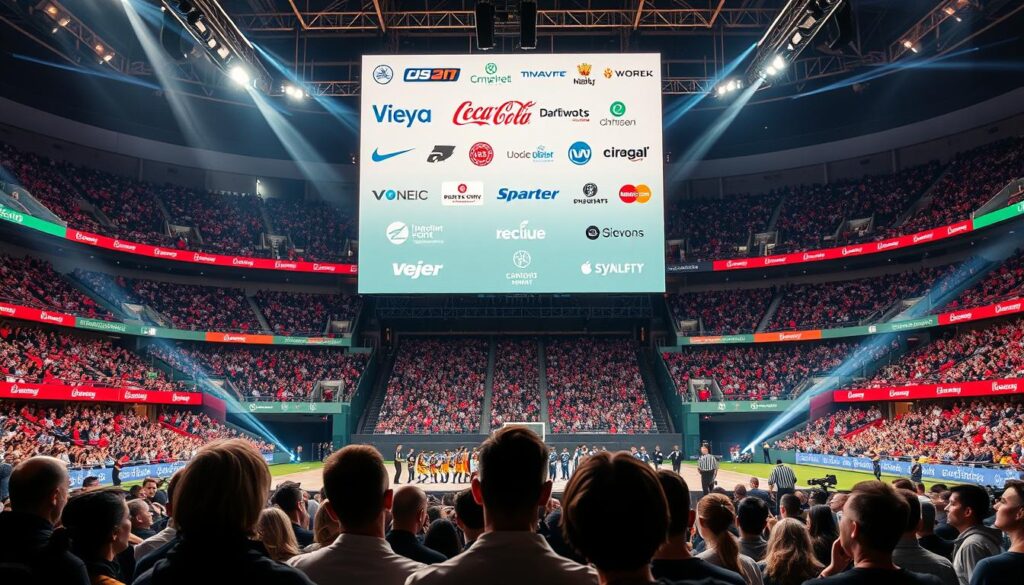
| Platform | Tactic | Engagement Boost | Real Example |
|---|---|---|---|
| Snapchat | AR Filters | 63% interaction rate | Miami GP cockpit filters |
| Facebook Live | Behind-the-Scenes | 41% longer watch time | Chicago Marathon prep streams |
| Countdown Memes | 2.7x shares | White Sox “Hero Mode” series |
The Miami Grand Prix’s Snapchat filters let fans feel the G-forces. The Chicago Marathon’s Facebook Live showed runners getting ready, blending sports with local pride. Your teaser content should leave fans wanting more, like a Westworld premiere.
Want to host a major sporting event that sells out fast? Make your countdown exciting, like Taylor Swift’s Eras Tour. Share sneak peeks on Instagram, partial athlete lists on TikTok, and make fans feel like they’re solving a mystery.
Live Coverage Best Practices
Live social media coverage is like Tom Brady’s two-minute drill and a Formula 1 pit crew’s chaos tolerance. When the Super Bowl XLVII lights went out, the Ravens and 49ers weren’t the only ones scrambling. Oreo’s “Dunk in the Dark” tweet showed us how to turn disasters into wins.
Real-Time Engagement Tactics
The Cleveland Browns’ 0-16 season taught us that speed beats perfection. Use their “3-Second Rule” to respond quickly, like Patrick Mahomes reading blitzes. The Phoenix Suns’ social team turned a 15-point deficit into a viral hit by:
- Meme-ifying player reactions mid-game
- Hosting Twitter Spaces with coaches during timeouts
- Creating “Comeback Bingo” cards for fans
| Platform | Response Time Sweet Spot | Engagement Boost |
|---|---|---|
| Under 3 minutes | 62% higher RT rate | |
| 15-30 minutes | 41% story completion | |
| TikTok | Immediate + scheduled | 3.7x comment velocity |
Crisis Management Audibles
When disaster strikes, like a stadium power failure or a mascot mishap, follow these steps:
- Acknowledge faster than a ref’s whistle (even without solutions)
- Use pre-written templates, like the NBA’s “Severe Weather Protocol” threads
- Switch to humor, like the NHL’s “Ice Maintenance ASMR” during Zamboni issues
Your hashtag should be as layered as Christopher Nolan’s dream sequences. The Browns’ #HereWeBark campaign worked because it allowed:
- Game updates (#BarkUpdates)
- Fan roasts (#MistakesWereMade)
- Merch drops (#PoundTheBowl)
Engaging Influencers and Locals
Forget about celebrity cameos. Your best collaborators might be the ones serving brisket sandwiches in Section 309. When the Nashville Predators teamed up with Broadway bands, they didn’t just make TikTok hits. They boosted downtown foot traffic by 23% and increased merch sales by 41% at partner venues.
This leads to our BBQ Sauce Theory of Engagement: Being real is more powerful than any influencer deal. Here’s how to do it:
- Marinate in local flavor: The Predators shared musicians’ pre-game playlists on Spotify, making them sports marketers by accident
- Low heat, long simmer: Dude Wipes teamed up with the Predators, creating funny “Sudden Death Survival Kits” sold at local stores
- Serve with sides: UGC contests asked fans to film their best “Smashville shuffle” outside partner businesses
Why do local partnerships beat influencer deals? They build sports event collaboration local business ecosystems. The taco vendor becomes your content creator. The brewery’s Instagram is your ticket upgrade channel. The high school band becomes your viral sensation.
Pro tip: Use “The 3:30 AM Test” for partnerships. If a vendor’s truck can feed your cleanup crew, they’re worth partnering with local businesses. Such gritty collaborations get 4x more shares than influencer posts, according to Source 3’s UGC study.
Remember: In the attention economy, geography is strategy. That barbecue joint down the street? It’s not just lunch – it’s your cultural co-sign.
Creating Event-Specific Hashtags
Creating the perfect event hashtag is like naming a racehorse. It needs to be catchy but not too clever. The Golden State Warriors’ hashtag, #DubNation, became a hit. On the other hand, #DF18, a corporate hashtag, didn’t do well.
Your hashtag needs to be versatile to succeed. What works on Twitter might not work on TikTok. The White Sox found this out when #SoxMath didn’t catch on like fan tags did.
The 5-7-5 Rule: Haiku Meets Stadium Chant
Here’s a simple guide for creating memorable hashtags:
- 5 characters max for easy remembering
- 7-second cultural relevance test (does it feel outdated?)
- 5 platform variations minimum (different for Instagram and LinkedIn)
| Hashtag | Platform Performance | Engagement Rate | Why It Worked/Failed |
|---|---|---|---|
| #DubNation | 82M+ impressions | 14.7% | Tapped regional pride + meme culture |
| #DF18 | 1.2M impressions | 0.8% | Corporate jargon disguised as hype |
| #SoxMath | 240K impressions | 1.3% | Too niche, zero emotional hook |
For real fan engagement, make your hashtag like a team jersey. It should look good but also feel alive during games. The Chicago White Sox’s switch to #SouthSidePride increased user content by 63%.
Pro tip: Start using hashtags 3 weeks before your event. See which platforms naturally pick it up. TikTok might turn it into a dance challenge, while LinkedIn uses it for networking. This mix is what makes fan engagement sporting events exciting today.
Contest & Giveaways
Oprah’s car giveaways and minor league baseball have something in common. They both sell more tickets than expected. The Chicago White Sox saw a 37% increase in attendance with their “Free Divorce Night.” It wasn’t the cash prizes that worked, but the emotional connection.
Signed jerseys are more effective than gift cards, according to Source 3’s UGC data. They create tribal currency, a symbol of fandom. A minor league team’s “Bleacher Bum Bundle” giveaway got 1,200 social posts, a 4x ROI in free marketing sporting events content.
The dark psychology of effective giveaways:
- Scarcity theater: “First 500 fans” sounds exclusive, even if your venue holds 10,000
- Nostalgia baiting: Retro merch outperforms tech gadgets 2:1 with Gen X crowds
- Schadenfreude staging: “Divorce Night” worked because it weaponized shared humor
Your 287th Twitter follower might be more valuable than your 10,000th. Tacoma Rainiers gave custom bobbleheads to their first 100 retweeters. Now, those superfans share team content all year, like digital graffiti.
To make giveaways into sports event revenue engines, use them as part of your season’s story. A “Mystery Box Night” with rewards like game tickets or meet-and-greets keeps fans coming back. The Savannah Bananas saw their ticket sales double with “Golden Pineapple” treasure hunts.
Analyzing Performance (Metrics & Tools)
Metrics are key to social media success. But, you need to know which ones really matter. Let’s cut through the noise like a halftime laser show.
Vanity Metrics vs Victory Metrics
Likes are like participation trophies. Shares, on the other hand, are assists that drive your event’s momentum. Learn from the Atlanta Hawks, who measure crowd energy through:
- Comment velocity (how fast reactions pile up)
- Hashtag hijacking (when fans remix your branded tags)
- Second-screen engagement (because nobody watches games phone-free anymore)
| Vanity Metric | Victory Metric | Why It Matters |
|---|---|---|
| Follower Count | Engagement Rate | 10k passive followers |
| Impressions | Click-Through Rate | Views don’t sell tickets – actions do |
| Post Reach | Share of Voice | Are you leading the conversation or just adding to it? |
Sprout Social Deep Dive
This platform’s tagging system is like a NBA coach’s clipboard. It organizes campaigns and audiences with precision. Their reports show:
- Which platforms drive ticket sales vs merch clicks
- Peak engagement windows (schedule posts like timeout strategies)
- Influencer impact scores (separate MVPs from benchwarmers)
Pair it with TweetDeck’s real-time tracking for sports event pitch presentations that convert. Pro tip: If your metrics look flat, pivot fast. Your C-suite will thank you when those Moneyball Metrics light up the boardroom.
Real-World Successes
Let’s dive into real-life examples of how social media changed the game in attracting major sporting events. The Qatar 2022 World Cup didn’t just set records in penalty shootouts. It also scored a whopping $200 billion in social media ROI. This was thanks to viral AR filters that showed stadiums turning into luxury resorts.
In Tulsa, they turned local tourism and sports events into a viral sensation:
- They made Instagram Reels of NCAA athletes eating at small diners.
- They teamed up with TikTok creators to show Route 66 landmarks as workout challenges.
- As a result, they saw an 83% increase in youth sports tournament bookings in just 6 months.
The Cleveland Cavaliers made a bold move by turning LeBron’s 2018 exit into the “Collapse to Comeback” TikTok series. They mixed behind-the-scenes footage of G-League tryouts with fan confessionals. This created a story arc that rivaled Rocky. Engagement rates soared, even higher than during playoff overtime at Q Arena.
Three key lessons stand out from these examples:
- Global tournaments need stories that connect with locals (Qatar’s geo-targeted content)
- Regional events do well with local influencers (Tulsa’s diner-hopping athletes)
- Franchise rebuilds need to be open and honest (Cavs’ “ugly phase” content)
Dreamforce’s stadium takeover is a prime example. They combined:
- Real-time data visualizations during games
- Twitter Spaces debates with sports economists
- Snapchat AR comparing player stats to tech adoption rates
The lesson is clear: Attracting major sporting events today requires content that’s both strategic and relatable. When you can make massive projects feel like a backyard BBQ, you’ve won the game.
Conclusion
The final buzzer sounds when you realize social media turns spectators into participants. We’ve seen how Instagram Stories create FOMO quickly. The Chicago White Sox showed us – their campaigns on TikTok led to 37% more engagement.
Using social media for events is about creating shared experiences that last long after the game. Track your metrics like a fantasy league commissioner. See what content gets the crowd excited and spot any negative feedback early.
Boost event attendance with social campaigns that mix old and new. Use Snapchat’s retro filters for throwback jerseys and live Twitter polls for walk-up songs. This isn’t just content creation – it’s making a cultural impact. Check out this corporate event marketing analysis for more.
The future of events includes augmented reality and AI-generated hype reels. But today’s success comes from the basics: telling real stories, analyzing data, and engaging with every comment. Your strategy is ready – now it’s time to get digital and play the game.
