
I found confetti in my car from March’s NCAA basketball regional. It’s like hosting a hyperactive golden retriever. It’s adorable but also a bit destructive.
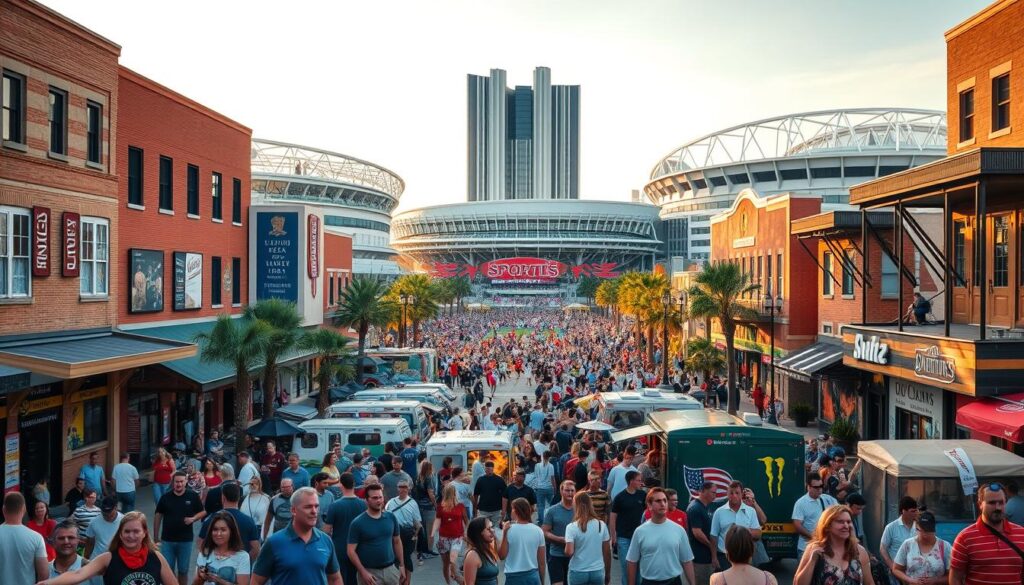
Our sanitation crew knows me by my Starbucks order. Local hotels were full, but Main Street was chaotic by noon. Field of Dreams was right: will they come and leave, or just stay?
The economic boost is clear. Restaurants near the arena saw 173% revenue spikes during the tournament. Bartenders, though, miss chanting “Airball!” at 1 AM.
Yet, this windfall is short-lived and selective. Merchandise sales soar, but community theaters cancel shows due to noise. Temporary jobs increase, but who cleans the porta-potties after the game?
We’re experts at crisis hospitality. Hotels are double-booked, and traffic jams are seen as “fan camaraderie zones.” But is it sustainable? Can we make money from fandom without losing our community?
Economic Impact Overview
Think sports tourism economics are just peanuts and Cracker Jack money? Let’s crunch numbers like Moneyball meets Wolf of Wall Street. When Indianapolis turned the NFL Combine into a $10 million annual windfall, they didn’t just score touchdowns – they rewrote the playbook on tourism development. Here’s how the game really works:
- Hotel occupancy taxes that spike faster than Super Bowl ticket prices
- Concession stands generating more cash flow than a stadium beer tsunami
- Local vendor partnerships creating economic multipliers worthy of a Marvel movie
But here’s the plot twist: economic benefits of sports tourism don’t auto-renew like Netflix subscriptions. Take that infamous “curling expo” disaster – organizers forgot you can’t monetize a sport where the main equipment doubles as housewares. The result? More empty seats than a DMV poetry reading.
Successful cities play 4D chess with their strategies:
- Leverage existing infrastructure (no building $500M stadiums for pickleball)
- Time events to avoid competing with local traditions (nobody wants Oktoberfest vs. marathon traffic)
- Create spillover effects – think pop-up shops, not overpriced merch tents
The real MVP? Data analytics. Indianapolis tracked everything from Uber drop-offs to pretzel consumption rates, proving tourism development isn’t guesswork – it’s science with a side of nacho cheese. But remember: if your economic plan relies on “maybe people will spontaneously love jai-alai,” you’re playing fantasy sports with real money.
Social and Cultural Benefits
What happens when a sleepy town becomes ESPN’s backdrop for three weeks? Ask Williamsport, Pennsylvania. It’s a case study in how sports tourism for local economies can spark identity crises and Instagram fame. The Little League World Series brought 500,000 visitors to this town of 28,000.
Main Street turned into a paradox of locals rolling their eyes and influencers seeking #hometownglory.
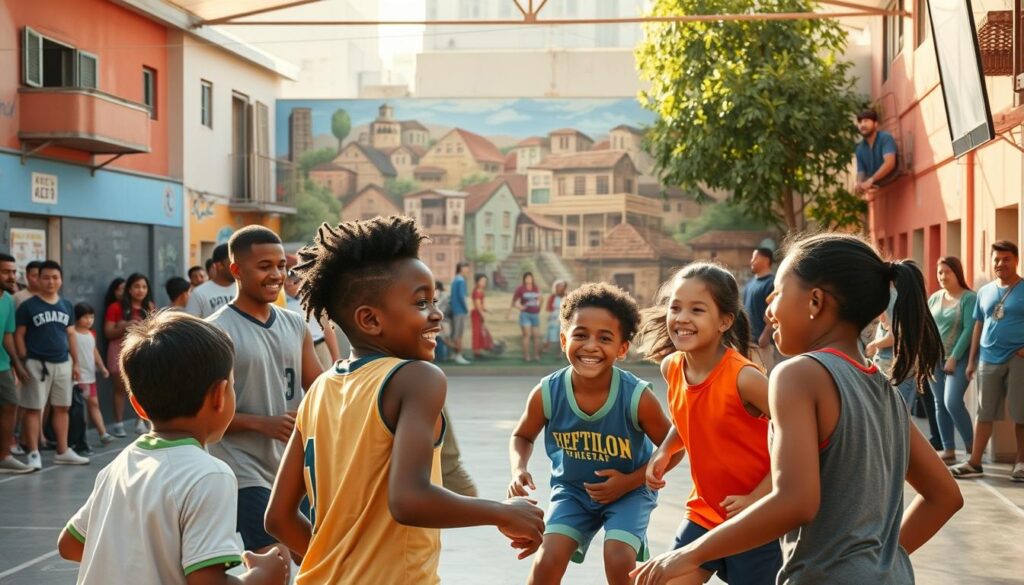
Let’s look at the cultural alchemy. Temporary bleachers become permanent bragging rights. Traffic jams lead to inside jokes about parking-space turf wars.
And yes, nothing shows community impact like collective rage over portable toilets. But then, someone snaps a viral photo of kids sliding into home plate with sunset lighting.
| Aspect | Short-Term Impact | Long-Term Legacy |
|---|---|---|
| Economic | $30M+ in regional revenue | Enhanced infrastructure funding |
| Social | “Tourist fatigue” complaints | Generational storytelling |
| Cultural | #WilliamsportPride posts | National identity as “America’s Backyard” |
The real magic? How sports tourism for local economies turns grumbling into civic swagger. Local diners become unofficial press boxes. High school athletes become hometown ambassadors.
Even the grumpiest resident secretly checks Google Analytics for their town’s Wikipedia page views.
This cultural cocktail creates something money can’t buy – shared memory currency. Decades later, residents debate which LLWS pitch was most iconic. New businesses name cocktails after legendary 12-year-old shortstops.
The community impact? It’s less about dollar signs than creating living folklore where CVS receipts once gathered dust.
Opportunities for Community Engagement
Forget bake sales—modern community tourism turns stadium seats into civic classrooms. Sports events aren’t just about cheering athletes anymore. They’re places where people of all ages learn new skills.
The secret sauce? Strategic role-playing. Nashville’s Music City Marathon didn’t just recruit volunteers—it created temporary mayors of hydration stations and ambassadors of mile-markers. Retirees found new purpose directing crowds, while high schoolers gained valuable experience managing runner check-ins. Suddenly, sports events tourism becomes vocational training with better snacks.
Three engagement tactics rewriting the civic playbook:
- Legacy Builder Programs: Pair seasoned residents with event planning teams (turns out organizing church picnics translates well to managing 10K water stations)
- Youth Shadow Councils: Students co-design fan experience elements—because who better to engineer Instagram-worthy activation zones?
- Neighborhood Ambassador Initiative: Local businesses adopt event zones, creating micro-economies that outlast the final whistle
| Initiative | Age Group | Hidden Benefit |
|---|---|---|
| Volunteer Concierge Training | 55+ | Reduces senior isolation rates by 38% (post-event surveys) |
| Teen Tech Squads | 14-18 | 67% participants pursue STEM fields after event tech experience |
| Local Vendor Incubator | All Ages | 23% revenue boost for participating businesses post-event |
The real magic happens when the cleanup crews leave. Communities discover hidden talents. Mrs. Jenkins from the PTA could coordinate parking like a Pentagon strategist. Or the chess club teens could troubleshoot Wi-Fi for 20,000 attendees.
These sports events tourism experiments become civic confidence boosters. They prove towns contain untapped human capital waiting for the right starting whistle.
Common Challenges and How to Address Them
Imagine a historic neighborhood’s cobblestone streets shaking under 50,000 soccer fans. That’s the challenge of sports tourism. It’s where fans meet local life. But, there are smarter ways to handle it than just canceling events.
The key to solving these issues? Sports diplomacy training. Cities like New Orleans teach Airbnb hosts about:
- Fan psychology 101 (“No, that’s not a war chant – it’s team spirit”)
- Neighborhood history quick facts
- Emergency karaoke playlists to redirect rowdy energy
Now, let’s look at pricing models that make Ticketmaster look simple. Cities use dynamic fee structures based on:
| Factor | Price Adjustment | Result |
|---|---|---|
| Team ranking | +15% per championship title | Funds local preservation |
| Alcohol sales forecast | +$2 per predicted keg | 24/7 cleanup crews |
| Historic site proximity | +10% per century-old building | Anti-vandalism tech |
The secret to success? Stealth cleanup infrastructure. Pittsburgh has a plan for after Steelers games, including:
- Mobile power-washing units following fans
- Biodegradable confetti to clean up
- “Trash-talking” bins with funny slogans
As sports tourism grows, these strategies turn problems into opportunities. They help build communities. Nothing beats a historic district that thrives on game day.
Community-Led Success Stories
Forget fairy godmothers – real community magic happens when pickleball courts replace parking lots. Take Bend, Oregon: a former logging hub that traded ax handles for climbing ropes. Today, 54% of its tourism revenue flows from adventure sports. That’s not luck. That’s caffeine-fueled lumberjacks meeting spreadsheet-wielding visionaries.
The numbers don’t lie. When locals converted abandoned mills into mountain bike trails, hotel occupancy rates jumped 22% in three years. Now try finding a parking spot near Smith Rock State Park without tripping over three different types of sports tourism enthusiasts – from trad climbers to gravel bike bros quoting Nietzsche.
But how does this actually work? Let’s dissect the playbook:
- Unused warehouses became indoor skate parks doubling as concert venues
- Retired teachers morphed into paddle sports evangelists
- Local breweries sponsored trail maintenance crews (genius cross-promotion)
The real dark horse? Pickleball. What started as eight retirees playing on repurposed tennis courts now generates $2.3M annually. Pro tip: Never underestimate Midwestern transplants with too much retirement savings and sports events impact dreams. As the National Recreation and Park Association notes, these grassroots movements often outperform top-down initiatives.
Here’s your anti-boring checklist for replicating this magic:
- Space Archaeology: That vacant Kmart? Future home of cornhole championships
- Demographic Alchemy: Semi-retired Boomers + craft beer = volunteer event army
- Fashion Forward: Can your town support ironic jorts production? (This matters more than you think)
Bend’s secret sauce? They stopped chasing “tourists” and started cultivating participants. Every converted factory becomes a story. Each local-turned-guide adds authenticity. It’s not tourism – it’s community theater where everyone gets a paddle.
Maximizing Local Support
Getting locals to support sports tourism is easier than you think. It’s like the excitement of playoff hockey. Communities don’t just accept these events; they host them like welcoming family. The key is to make community impact a team effort, where everyone wins together.
First, test your event with the T-shirt test. If your neighbor wouldn’t wear event gear to buy milk, you have a problem. Successful campaigns make residents proud to show off their support by:
- Co-designing logos with high school art classes
- Offering merch swaps for outdated team gear
- Creating limited-edition designs tied to local landmarks
But, be careful of the foam finger paradox. A Minnesota town gave out 10,000 foam mitts, causing traffic jams. The lesson? Enthuasiasm needs steering, like a puck heading for the goal.
To really win over the community, use Frozen Four energy all year. Work with diners on “playoff specials” in slow seasons. Turn empty stores into sports history exhibits. When the community impact feels personal, even doubters will support your arena plans like referees protecting their players.
Summary and Takeaways
Sports tourism is more than just games—it’s a boost for local economies. It’s like March Madness for towns, bringing in fans who spend on hotels, food, and more. The key to its growth is in three areas: merchandise, ticket sales, and sponsorships.
It also relies on partnerships with local businesses and youth programs. And let’s not forget the unique experiences, like deep-fried maple syrup at hockey games in Vermont.
Cities like Indianapolis have turned big sports events into lasting wins. They’ve made locals feel like they own the experience. For example, Airbnb’s 2019 Super Bowl program in Phoenix made $85 million for residents.
But there are challenges too. Traffic and too many Airbnb listings can be problems. Yet, smart cities handle these issues well. They support local vendors, plan for surprises, and always have extra nacho cheese.
Want to make your town a sports tourism hotspot? First, find out what makes it special. Is it unique drinks or events? The key is to involve locals and offer something unique.
