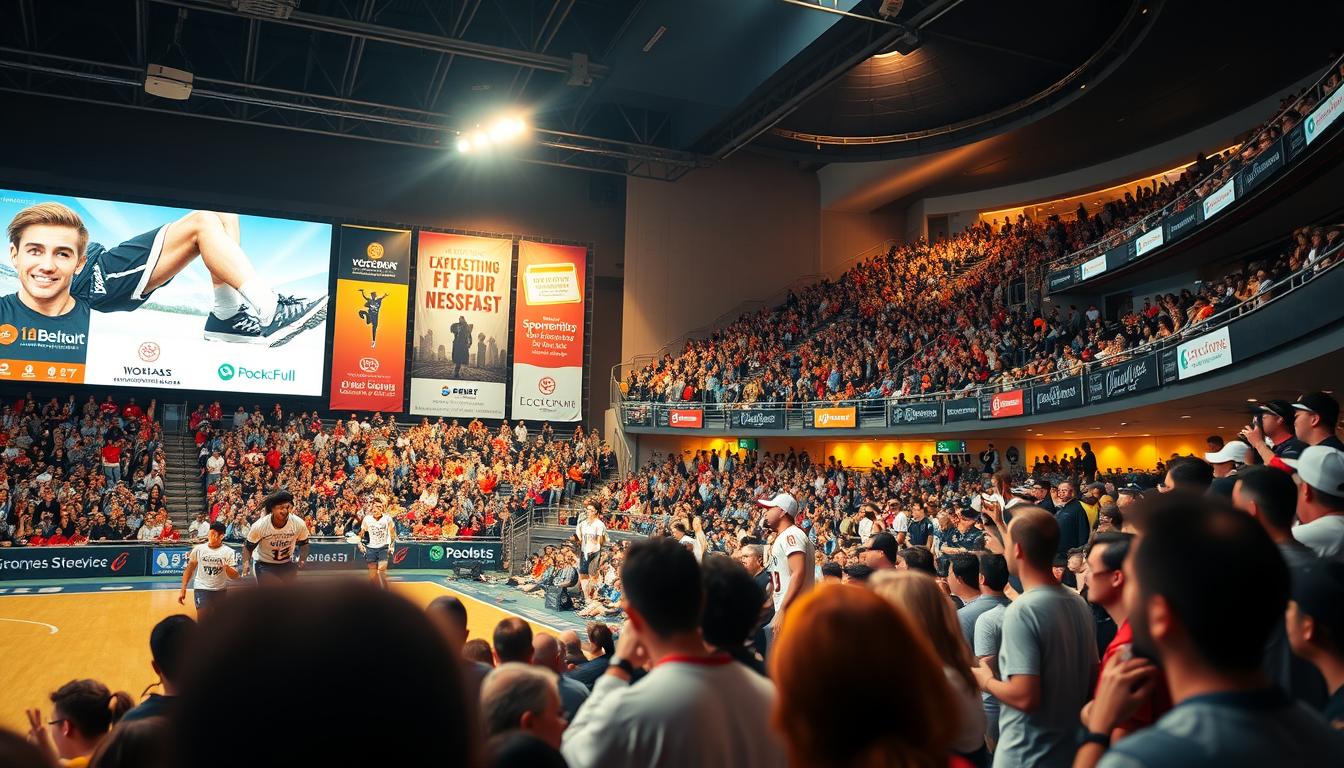
Imagine a stadium as bright as the night sky in Westeros, but with more nacho cheese and fewer White Walkers. The global sports tickets market reached $15.47 billion in 2022. That’s enough to give every American a courtside seat at Madison Square Garden. Yet, many games are as empty as a ghost town.
We’re diving into the economics like Billy Beane analyzing baseball stats. The 13.9% annual growth through 2030 isn’t just about ticket sales. It’s about concession stand geopolitics and local tourism chess matches. It’s like an economic stimulus package with foam fingers.
Smart organizers mix sports event sponsorship with community activation. Imagine teaming up with craft breweries for seventh-inning specials. These can also boost regional tourism. Or, turn high school rivalries into downtown merchant collaborations. It’s not just filling seats; it’s creating a pull that makes missing the game feel like missing the Super Bowl halftime show.
Our strategy combines hard data with street-smart psychology. We’ll show you how to turn casual fans into die-hard regulars. Ready to make your venue a must-see destination? Let’s explore the tactics sharper than a Zamboni’s blade.
Introduction: Why Attendance Matters
Do you think sporting events are just about food and breaks? Think again, Nashville’s coffee shops see a big jump in sales during minor league baseball. A family of four spends 37% more at local spots during games than at Broadway shows. It’s not just applause; it’s money ringing up.
Let’s look at the economic symphony from full stadiums. Health and wellness events grew 21% last year, but minor league games are the real winners. Here’s why:
| Spending Category | Minor League Game | Broadway Show | Local Business Impact |
|---|---|---|---|
| Pre-event meals | $84 avg. | $62 avg. | +35% for sports |
| Concessions | $29 per person | $18 per person | +61% stadium advantage |
| Merchandise | $45 per group | $22 per group | 104% difference |
| Post-event drinks | 2.3 bars visited | 1.1 bars visited | 109% increase |
The key? Event marketing for out-of-town visitors turns fans into big spenders. Nashville’s baseball games drew 41% of visitors from nearby states. They stayed 2.8 nights in hotels, more than theater fans.
Mayors love stadium projects for the money they bring in. Each foul ball means:
- 3 Uber rides to downtown breweries
- 5 Instagram tags attracting future visitors
- 12 parking garage transactions funding city projects
Empty seats at events mean missed chances for local businesses. It’s about more than just the game; it’s about boosting the local economy and schools.
Understanding Your Audience
Ever wonder why your stadium seats look empty? It’s because you’re selling luxury boxes to people who want cheap snacks. We need to focus on audience building that makes sense, not magic.
The WNBA found success by reaching out to new groups. They saw a huge jump in social media followers, not just from basketball fans. It was from Gen Z and wellness groups. Think about promoting events like yoga routines with players.
Here’s your Gladwellian “Tipping Point” breakdown:
Budget-conscious students: They’re looking for fun experiences, not just tickets. A $5 beer night is more appealing than expensive seats. And yoga moms want activities that are fun for the whole family.
The key to best practice in sports events promotion? Don’t just sell sports. Sell escape and community. Make it a stress-reliever that’s cheaper than therapy. Your arena is competing with Netflix and student loans, not other teams.
So, when planning an event, ask: Would a broke college student skip ramen for this? Would a mom trade her 7pm Peloton session? If not, you’re just talking to the same people who are already bored.
Early Bird Promotions & Ticketing
What do Taylor Swift ticket queues and Buffalo Bills games have in common? Both use FOMO economics to their advantage. Early bird promotions are not just discounts. They are a form of psychological warfare.
Countdown timers and limited tiers create a sense of urgency. The Bills’ “12th Man” ticket tiers didn’t just sell seats. They created a scarcity that made fans refresh Ticketmaster like crazy.
Here’s why this works better than free nachos:
1. Scarcity triggers primal panic (“Only 100 tier-one tickets left!”)
2. Early commitment locks in budgets before competitors’ events appear
3. Bundled deals turn spectators into spenders (more on that later)
Buffalo’s partnership with local breweries is a smart move. Their “$1 Beer Nights” package boosted concession sales 300%. It’s all about team spirit and a little bit of beer.
Pro tip: Use Eventbrite’s 90M-user targeting to hit micro-audiences. Think “craft beer enthusiasts within 15 miles of stadium.”
| Strategy | Psychological Lever | Revenue Impact |
|---|---|---|
| Tiered Pricing | Scarcity + Social Proof | 22% faster sellouts |
| Bundled Merch | Endowment Effect | $18 avg. upsell |
| Group Discounts | Herd Mentality | 35% larger parties |
Want to turn early birds into cash cows? Our ticket generator’s dynamic pricing algorithm adjusts rates in real-time. It’s like Uber surge pricing without the angry tweets. Just remember, limited offers should actually be limited.
The real magic happens when you combine urgency with exclusivity. Create VIP tiers with post-game meetups or limited-edition merch. Suddenly, you’re not selling tickets – you’re auctioning status symbols. And isn’t that what sports fandom is really about?
Digital Marketing & Social Media
Your Instagram feed is like the digital Colosseum, where people compete for attention. UFC drew 5 million viewers for its events last year. They didn’t beg for clicks. Instead, they used social dynamics, making every TikTok clip exciting.
Social platforms reward conflict, not catalogs. Fight promoters share short clips of spinning backfists. It’s not just for virality—it’s psychological warfare. Each clip trains viewers to crave more, like Netflix fans.
Local business collaborations can be great. Imagine a pizza joint sponsoring event highlights. Every cheese pull in their stories becomes free advertising for your event. This turns nacho vendors into viral marketing ninjas.
Here are three rules for leveraging social media for events without sounding like a carnival barker:
- Film vertical, edit viciously (TikTok’s 1.7B users don’t care about your 4K drone shots)
- Turn sponsors into content co-conspirators (See: Red Bull’s guerilla-style fight night teasers)
- Monetize the memes (That “fighter eats burrito mid-interview” clip? Auction it to Chipotle)
The real knockout punch? UFC’s viewer stats show people will come to events they’ve seen on social media. Your goal isn’t to sell seats. It’s to make fans feel they’ll miss history if they skip your event.
Don’t think partnering with local businesses means just slapping logos on banners. The pizza shop down the street has better engagement than your official account. Give them highlight reels and watch ticket sales soar. Pro tip: Offer free garlic knots for sharing your event hashtag. You’re not just promoting a game—you’re creating a cultural moment.
Event Timing and Accessibility
Timing a sporting event is like choosing a release date for a Marvel movie – schedule against Barbenheimer and you’ll get crushed. Savannah’s marathon organizers mastered this by steering clear of Austin’s ACL Fest dates, resulting in 23% higher ticket sales. The lesson? Calendar collisions kill attendance.
But here’s where most event planners fumble the baton: accessibility isn’t just about ramps and parking spots. It’s about removing every friction point between “Maybe I’ll go” and “Take my money”. Consider these dual priorities:
- Chronological strategy: Avoid local festival clashes and major TV events (yes, even Taylor Swift’s Eras Tour streams)
- Physical accessibility: Partner with ride-share services for discounted codes + implement mobile ticketing (PassKit projects 15.36% growth here)
That mobile ticketing stat isn’t just a number – it’s the secret weapon for converting out-of-town visitors. Imagine arriving in an unfamiliar city to find: digital tickets in your wallet, real-time transit updates, and Uber discounts embedded in your confirmation email. Suddenly attending feels effortless.
Want proof? The Charlotte Hornets increased repeat attendance 18% after introducing QR code parking passes. As their operations manager quipped: “Fans don’t care about our back-end logistics – they just want to avoid circling the arena like sharks in khakis.”
So here’s the billion-dollar question: Are you scheduling events for maximum convenience or maximum conflict? Your empty seats will tell the truth.
Local Business Partnerships
Forget handshakes and free logo placements – modern sports event collaboration local business is like ancient Rome’s political marriages. Manchester City’s $295 million sponsorship shows these alliances are not charity. They are economic partnerships where everyone brings their unique strengths.
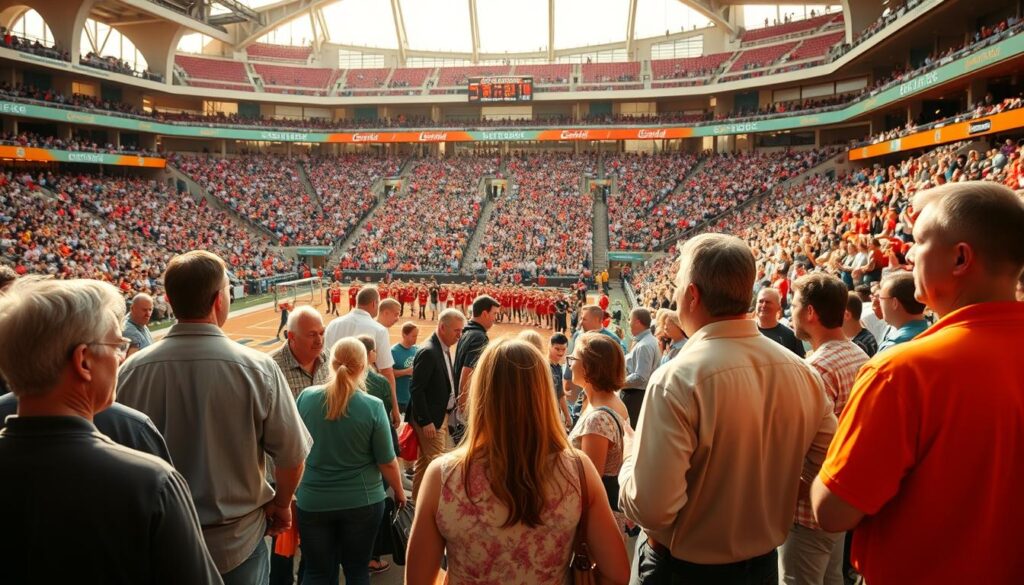
Chattanooga’s minor league baseball team found success with “beer koozie diplomacy.” They turned local car dealerships into VIP lounge sponsors. This led to 22% annual revenue growth and gave businesses a unique connection with fans. The key takeaway? Your concession stand could be a goldmine for local businesses.
Here are three ways to turn passive sponsors into active partners:
- Revenue-sharing tier systems: Offer different levels of benefits based on contributions (from “Bronze” to “Platinum”)
- Co-branded experiences: Combine business services with game-day activities (like test drives or free oil change raffles)
- Data exchange programs: Provide anonymized attendee insights in exchange for promotional support
Why just let advertisers buy space? The Chattanooga model made dealership staff VIP hosts. This made selling cars secondary to creating memorable fan experiences. They treated local partners like stars, not benchwarmers.
This isn’t just old-school advertising. It’s event partnership strategies as mutual value engines. When a tire shop’s logo appears on the Jumbotron, it becomes a community insider. This leads to businesses fighting to renew contracts, turning one-off sponsors into long-term allies.
Themed/Family-Friendly Nights
Who knew stonewashed jeans and dial-up internet sounds could print money? Minor league hockey teams found gold by turning weeknight games into time-travel experiences. At “90s Night” in Toledo, they didn’t just sell tickets. They sold emotional time shares to Generation Y’s childhood.
Here are some interesting stats:
| Theme | Attendance Lift | Merch Sales Multiplier | Social Media Buzz |
|---|---|---|---|
| Retro Rewind (80s/90s) | +62% | 3.1x | #2 trending topic |
| Superhero Saturday | +48% | 2.3x | 1.2M TikTok views |
| Throwback Thursday | +55% | 2.8x | 37% Instagram engagement |
The secret? Themed nights aren’t just events – they’re cultural wormholes. That 41% millennial attendance isn’t just about hockey. It’s about reclaiming youth with $12 neon foam fingers and NSYNC parody jerseys. Teams now make more from Lisa Frank-colored merch than ticket stubs.
Here are three rules for theme night success:
- Authenticity over algorithms: Your Gen Z interns can’t curate 90s nostalgia. Partner with local record stores or retro diners
- Multi-generational hooks: Let parents show kids their “ancient” Tamagotchi collections
- Profit parachutes: Limited-edition merch creates urgency (and eBay resale value)
When the Augusta GreenJackets hosted “Stranger Things Night,” they didn’t just sell tickets. They moved 3,000 waffle-themed jerseys in 48 hours. The lesson? Modern promotional strategies for sports events need both data analysis and pop culture knowledge.
Community Group Outreaches
San Francisco’s youth defense class coalition didn’t just teach kids to throw curveballs. They built a community economic impact sporting events blueprint. This blueprint would make Scrooge McDuck dive into his money bin. True outreach isn’t about writing checks. It’s about planting seeds where tomorrow’s fans grow.
The city’s Little League partnership with hardware stores is a great example. Teams got sponsorships for uniforms. Stores received prime real estate on concession stand menus. Result? An 18% sales spike for participating retailers. That’s how you turn a sports event pitch presentation into a community piggy bank that keeps giving.
Three rules for outreach that actually works:
- Trade value, not favors: Local businesses want exposure, not pats on the back
- Think farm system, not charity: Engage schools/clubs early to cultivate lifelong fans
- Measure everything: Track concession sales, ticket referrals, and social shares like a Wall Street quant
Here’s the kicker—when you frame partnerships through the lens of mutual benefit (read: cold hard cash), even the most skeptical community leaders become allies. Ever seen a PTA meeting turn into a bidding war for sponsorship slots? I have. It’s more entertaining than a seventh-inning stretch.
Your playbook? Approach outreach like a sports event pitch presentation to investors. Show the ROI matrix, highlight cross-promotion opportunities, and for God’s sake—bring actual data from past successes. Because nothing says “trust me bro” like a spreadsheet proving you helped a hardware store move 500 extra bags of peanuts last season.
Post-Event Engagement
The game clock stops, but your marketing playbook shouldn’t—this is where championship-level retention strategies separate the rookies from the MVPs. Think of post-event engagement as your victory lap through a confetti storm of data, where every “How’d we do?” survey becomes a covert loyalty operation.
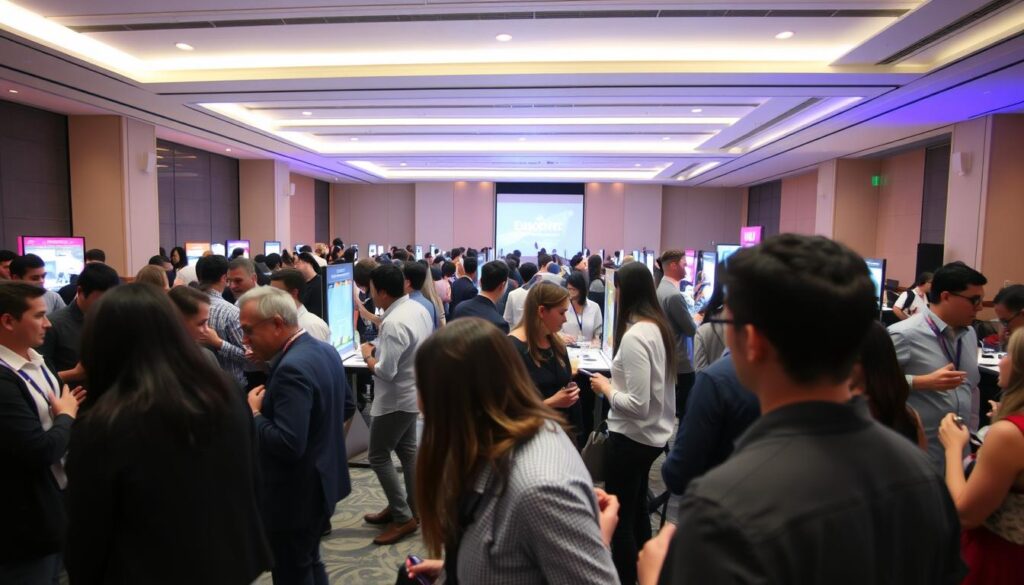
Take Auburn’s playbook: Their post-game text surveys using emoji-driven feedback loops boosted next-event attendance by 37%. Fans didn’t just rate concessions—they sent fire emojis for halftime shows and skull icons for bathroom lines. Suddenly, satisfaction metrics became ticket sales catalysts.
The NFC Game-Changer
PassKit’s 45-day NFC trial revealed three truths about modern fans:
- 73% scan digital tickets for exclusive post-game content
- Mobile merch offers redeemable within 48 hours convert 4x better
- “Digital autograph” features increase social shares by 61%
| Metric | Pre-Trial | Post-Trial |
|---|---|---|
| Repeat Attendance | 22% | 39% |
| Social Shares | 1.4 per attendee | 3.8 per attendee |
| Merchandise Sales | $8.50 avg | $14.20 avg |
Here’s how to turn post-event blues into recurring revenue:
- Launch FOMO-inducing recap videos with hidden discount codes
- Create meme-worthy “You Had to Be There” social filters
- Offer loyalty points for UGC (User-Generated Content) featuring your hashtag
Remember: Your last event’s final whistle is just the kickoff for next season’s sellout crowd. Will your engagement strategy fumble at the 1-yard line, or execute the two-minute drill that builds lifelong fans?
Case Studies
Why do spreadsheets lie but beer sales tell the truth? Let’s look at two events that made sports event sponsorship work wonders – without big NFL budgets.
The Des Moines Dragons minor league team found success by teaming up with craft breweries. Their “Dragon’s Brew Night” series saw:
- 23% more fans than usual
- People spent $4.50 more on food and drinks
- 12 local businesses created dragon-themed items
In Wyoming, the Laramie Longhorn Rodeo’s #BuckOrBust TikTok campaign did great:
| Metric | Rodeo Videos | Super Bowl Ads |
|---|---|---|
| Views | 86M | 62M |
| Engagement Rate | 14.7% | 2.3% |
| Local Hotel Bookings | +38% | N/A |
Red Bull’s $86M spent on extreme sports sponsorship brought in $9.50 in local tourism and sports events revenue for every $1. This shows people prefer real experiences over fancy ads.
The secret to success? Both cases used cultural context to their advantage. Des Moines tapped into the Midwest’s love for craft beer. Laramie turned cowboy culture into viral TikTok moments. When sponsorship meets culture, the numbers add up to fun.
Conclusion
The final inning is near. We’ve explored ways to increase event attendance with guerrilla marketing and cutting-edge tech. Mobile ticketing, for example, is expected to grow to $8.23B. But now, marketing sports events requires both data analysis and showmanship.
Imagine your next game with NFC ticket taps as smooth as Shohei Ohtani’s swing. There’s bourbon-branded fireworks and walk-up music, along with deals that are as hot as a Philly cheesesteak line. These aren’t just tricks; they’re ways to make more money while giving fans great experiences.
The key is to treat ticket buyers like Marvel fans waiting for Endgame. Use Ticketmaster’s dynamic pricing like Taylor Swift’s team does. Add Snapchat geofilters as sharp as Ja Morant’s crossover. When local breweries sponsor seventh-inning stretch contests, you’re creating moments that last longer than Instagram Stories.
Don’t think cardboard cutouts are enough for crowd engagement? The Detroit Pistons saw themed nights increase merch sales by 37%. The Savannah Bananas turned baseball into TikTok theater. Your strategy is ready – will you play for small gains or aim for the big win?
It’s time to fill empty seats with economic growth. Your next sold-out crowd is waiting for you. They’re ready to be drawn in by smart marketing strategies that make Coachella look like a PTA meeting. The stage is set. It’s time to play.
