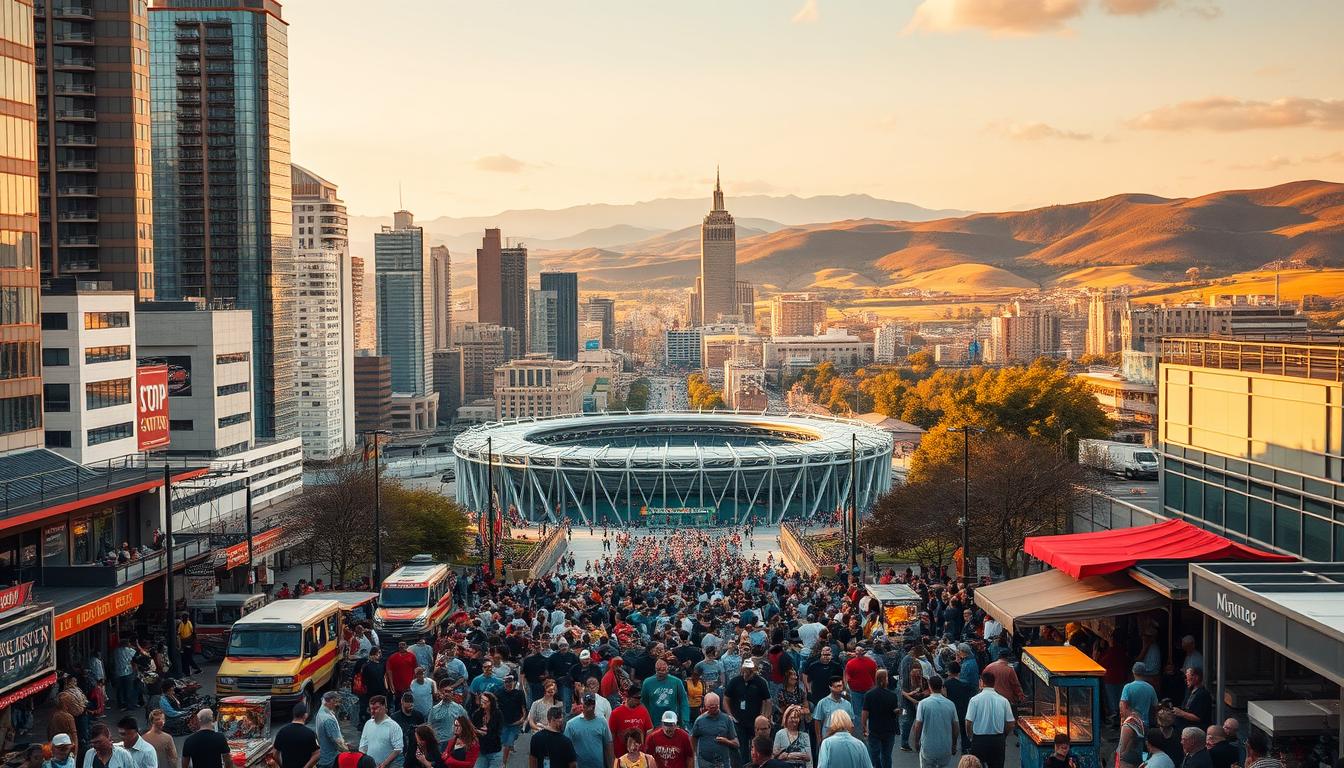
Imagine if a weekend of basketball could boost your city’s economy like Warren Buffett boosts his portfolio. Albuquerque’s $15 million March Madness win in 2023 was more than just a win. It showed how economic multiplier sports events can work wonders. These events can lead to lasting upgrades, scoring big points for the city long after the game.
The Fox Cities in Wisconsin have been playing this game for years. They turned minor league games into big wins for the community. They’ve upgraded transit, expanded hotels, and even built new parks. That’s the secret to measuring economic impact sporting events: it’s not just about ticket sales, but the lasting changes they bring.
It’s not just about selling hot dogs. We’re talking about using sports events like smart investments. When cities plan like venture capitalists, they see real, lasting benefits. The question is no longer “Can we afford to host?” but “What can we build through hosting?”
Introduction
Imagine a baseball stadium parking lot making more money than Silicon Valley’s top food hall. Birmingham’s SEC Baseball Tournament did just that, boosting local spending by 41%. They turned parking lots into markets, changing the game.
Today, sports fans want experiences, not just souvenirs. They swap foam fingers for craft beers and pretzels for fancy fries in batting helmets. It’s like Tom Brady’s crypto ads all over again. Fans now seek content for their feeds as much as game scores.
| Traditional Concessions | Modern Experiences | Revenue Impact |
|---|---|---|
| Bud Light & Hot Dogs | Local Craft Beer Flights | +63% per transaction |
| Team Logo Keychains | AR Photo Ops with Mascots | 38% social media tagging |
| Generic Souvenir Cups | Limited-Edition Artist Collabs | 91% resale markup |
Spokane’s minor league team got creative. Their TikTok challenge, #PineapplePizzaPowerPlay, went viral. Concession workers became meme stars, doubling merch sales. Who needs Tom Brady when you have Tony the Pepperoni Guy?
This isn’t just about sports. It’s about creating economic theater where every vendor’s story is told. The real question is, “What will they share?”
Key Stakeholders and What They Gain
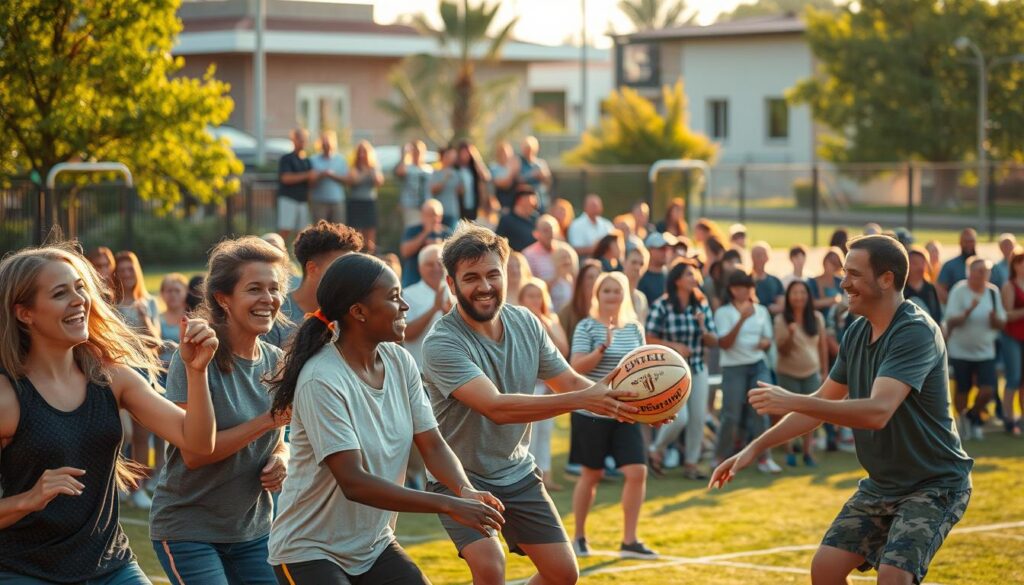
Imagine a sports tournament’s economic impact as a team effort. It’s like the Avengers, but with landlords, coaches, and locals. When they work together, magic happens – think money and community pride.
Role of Stakeholders in Maximizing Economic Benefits
Stakeholder collaboration is all about teamwork. Here’s how it works:
- Local businesses: Pop-up shops become big money-makers (no foam fingers needed)
- City planners: They turn unused spaces into money-making spots
- Residents: They make money and feel proud of their hometown
Tulsa’s volleyball village is a great example. It turned “Not In My Backyard” into “Yes, Let’s Build It Together” cheers. The key? A strong team effort.
From NIMBY to YIMBY: Tulsa’s Volleyball Village Blueprint
Here’s how Tulsa scored big:
- They paired empty lots with local vendors needing space
- They set up revenue splits that made landlords happy
- They made high school coaches neighborhood leaders
The outcome? A 23% increase in profits for local vendors. Suddenly, community development was a slam dunk.
Best Practices for Economic Collaboration
Let’s explore how to turn stadium lights into economic spotlights. Most cities see sports events as one-night stands. But the real magic comes from treating them like long-term relationships.
The secret is to see every deal as the start of a 30-year infrastructure romance.
Legacy Planning: Beyond the Final Whistle
Legacy planning is the opposite of playing Monopoly. Instead of building useless hotels, it’s about creating venues that grow fast. Indianapolis is a great example.
They turned old basketball courts into VR gaming spots. That’s not just adapting; it’s changing the city’s shape.
Indianapolis’ Multi-Generational Playbook
The Circle City didn’t just build venues; they created economic chameleons. Here’s how they turned concrete into money:
- Venues designed for 3+ generations of use (think basketball court to e-sports arena)
- Modular infrastructure that grows with tech trends
- Community profit-sharing models (because who doesn’t love residual checks?)
The Clemens Center’s renovation isn’t just about better seats. It’s expected to bring in $7.3M a year. That’s the economic multiplier sports events effect in action. This economic impact study shows smart investments keep paying off long after the game.
So, when someone suggests temporary bleachers, ask: “Are we building a pop-up shop or printing money?” In the game of local economic strategies, the real MVP isn’t the star player. It’s the infrastructure that keeps scoring decade after decade.
Marketing and Partnerships
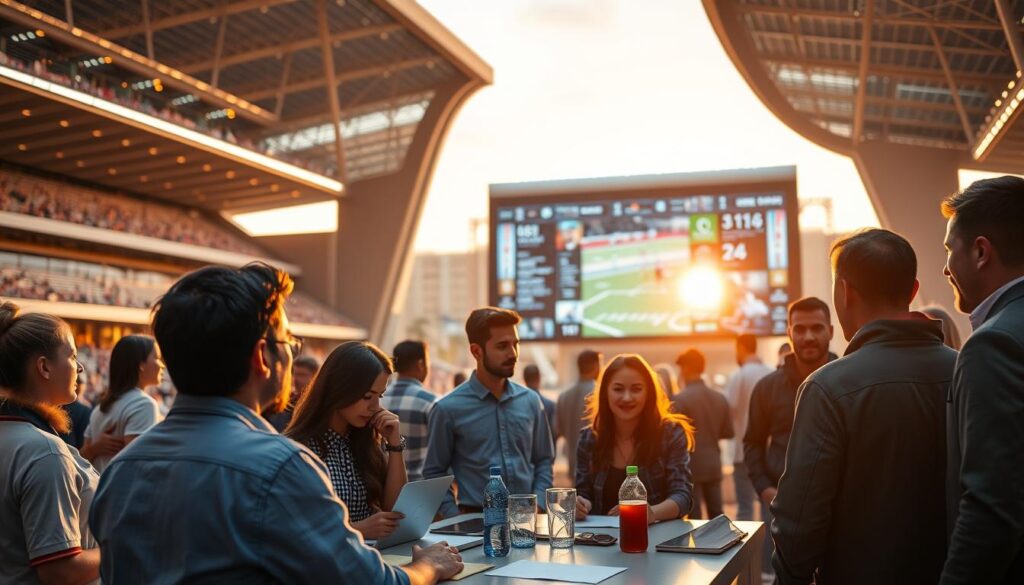
Remember when stadium marketing was just about slapping logos everywhere? Now, it’s all about precision and going viral. Spokane showed us how to turn #BasketballChaos into a cultural hit, even beating out Kardashian news.
Micro-Targeting: The New Stadium Wave
Spokane’s trick? Treating fans like Taylor Swift fans, with lots of data and exclusive offers. They mixed:
- AI-made hype reels with local landmarks dunking basketballs
- VR tours of locker rooms sponsored by craft breweries
- Geo-fenced Snapchat filters for an AR treasure hunt
This led to a huge 300% increase in engagement. It made old-school radio ads look outdated. Here’s the damage:
| Tactic | Reach | Cost per Engagement |
|---|---|---|
| Radio Ads | 12,000 | $4.75 |
| AI Hype Reels | 2.1M | $0.18 |
| VR Tours | 890K | $0.42 |
When TikTok Saves the Game
Spokane’s tourism board didn’t just share game highlights. They used meme culture to their advantage. Think halftime shows with dancing llamas and player reels to Billie Eilish remixes.
Hosting sports events can bring more benefits than just selling tickets. It’s about creating a shared joke. Remember, if your campaign doesn’t make at least three sponsors blush, it’s too tame.
Supporting Local Vendors and Sponsors
Forget the scoreboard—the real economic playbook gets written by kimchi hot dog vendors and craft brewers armed with pretzel necklaces. When 15,000 hungry fans descend on a stadium, the ripple effect turns into a tidal wave for nearby businesses. Why track steps when you could measure bratwurst sales instead?
The Concession Index: Beyond Foam Fingers
Meet the Fitbit for stadium economics. The Concession Index tracks how tournament spending flows through local businesses—think of it as Moneyball for nacho cheese distributors. Retreat Farm’s projections show vendor spaces at major events can generate $2.3 million in microtransactions per weekend. That’s 23,000 artisanal pickles or 4,500 bourbon-glazed turkey legs, depending on your crowd’s sophistication.
Here’s how it works in practice:
- Priority placement for vendors within 5 miles of the venue
- Real-time sales data shared with city planners
- “Local spend” discounts unlocked when fans support neighborhood businesses
Birmingham’s Diamond District Dining Pass
This Alabama city turned ballpark cuisine into a James Beard-worthy experiment. Their Dining Pass program gives fans discounts at 40+ local eateries—from collard green empanadas to white barbecue sauce-smothered brisket. Result? A 37% increase in post-game traffic at participating restaurants, with Retreat Farm’s models predicting 15,000 new customer visits during tournament weekends.
The lesson’s clearer than a jumbotron replay: When you treat stadiums as launchpads for small business sports event growth, everyone wins. Even the guy selling $14 craft beers.
Data-Driven Decisions: Using Economic Impact Studies
Ever tried finding Waldo in a sea of spreadsheets? Welcome to the world of economic impact studies. These reports are like X-ray glasses for your event’s true value.
Cutting Through the Where’s Waldo? of Numbers
Most economic reports are like IKEA instructions translated twice. Let’s make them clear. The secret? Contextual alchemy.
Take Elmira’s Clemens Center renovation. Their $7.3M impact is real when you think of:
- 87 elementary school teacher salaries
- 14 miles of pothole repairs
- 23,000 hours of local EMT coverage
Abstract figures become real. Our rule? Impact = Direct Spending × Visitor Multiplier ÷ Bureaucratic Gobbledygook. Want to know your event’s impact? Check our economic impact assessment guide.
The Clemens Center’s $7.3M Encore
This Upstate New York theater did more than renovate seats. They created an economic symphony. Post-upgrade numbers showed:
| Metric | Projection | Actual |
|---|---|---|
| Local Business Boost | $1.2M | $2.1M |
| Hotel Occupancy | 68% | 89% |
| Secondary Spending | $910K | $1.4M |
The real magic was in the encore. $2.3M in unexpected restaurant and ride-share spikes. Pro tip: Always leave room for surprises.
Continuous Improvement
In the world of economic optimization, staying the same is a big mistake. Let’s explore evolution through toilet paper math. Indianapolis is now ready for digital crowd surges, while others stock up on hot dog buns.
The 23-Point Toilet Paper Index: Your Economic Dashboard
Cool Insuring Arena saw a huge jump in restroom visits during hockey games. They didn’t just hire more janitors. They created a supply chain weather forecast. Now, they predict everything from nacho cheese demand to Uber prices:
- Real-time hotel occupancy vs. parking garage capacity ratios
- Local pharmacy purchases of antacids/energy drinks
- Rideshare drop-off patterns correlated with merch booth lines
This isn’t just about numbers. It’s economic meteorology. Cities use this index to plan temporary infrastructure for future needs.
Indianapolis’ eSports Pivot Play: When Hotels Become LAN Parties
In 2023, Indianapolis turned 17% of downtown hotel rooms into gaming lounges with fiber-optic hookups. They used a hotel block strategy that:
| Traditional Approach | Indy’s Play | Revenue Impact |
|---|---|---|
| Static room blocks | Dynamic pricing tiers | +23% midweek occupancy |
| Standard event rates | Gamer bundle packages | 41% merch upsells |
| Basic wifi | Low-latency gaming networks | 17% revenue premium |
Hotels became 24/7 revenue engines instead of just places to stay. When the TP shortage hit, they sold gaming peripherals at concession stands. This kept everyone happy, even during Rocket League tournaments.
The real strategy is to always improve your local economic strategies. Be ready for anything, from alien invasions to TikTok-fueled mobs. Indy’s events director says, “We don’t solve problems – we pre-stream solutions.”
Conclusion
Sports tournaments are more than just games today. They are economic boosters for cities. Think of Spokane’s TikTok fame and Birmingham’s food vendor deals. These partnerships turn games into economic wins.
Camoin Associates’ studies show the power of teamwork. It’s not just about selling tickets. It’s about local businesses and partnerships that last long after the game. Mayors celebrating with corndogs are the new champions.
The real impact is in the small details. It’s about local food and vendors growing their businesses. Your strategy should be bold and creative, like using TikTok.
What will your city’s legacy be? Will you invest in lasting growth or just temporary excitement? The future of local economies depends on your answer.
