
Welcome to the modern travel world, where stadiums are as big as the Vatican. These aren’t your old-school ballparks. They’re billion-dollar playgrounds with cutting-edge tech and green credentials.
Why are cities spending big on these stadiums? It’s all about the money. Hosting big events can boost tourism by 20%. Local businesses see a big jump in sales. But now, fans want carbon-neutral experiences too.
Imagine enjoying fair-trade coffee while AR goggles make the game feel like Burning Man. The stadium’s solar panels light up the night like Times Square. It’s a mix of tech and green living that makes mayors happy.
This change is more than just sports. It’s about combining experience capitalism with caring for the planet. Want to see how your sports bets help wind farms? Let’s explore.
Digitalization and Fan Engagement
2024’s stadiums are moving away from foam fingers and cardboard cutouts. They’re embracing holographic high-fives and AR selfies with athletes. Fans can even get NFT ticket stubs for special discounts.
AI concierges are now part of the experience, knowing exactly what you want before you do. Oracle Stadium’s algorithms have cut down concession lines by 40%. This shows how tech can even manage our hunger.
This tech revolution isn’t just about making things easier. The Las Vegas Grand Prix’s betting app has made fans spend more. They can bet on lap times while enjoying drinks, mixing sports with casino games.
Manchester City’s “digital twin” stadium lets fans control cameras from home. This makes watching games feel more personal than ever.
The real magic lies in hybrid engagement models:
| Feature | Traditional Approach | 2024 Digital Play | Fan Impact |
|---|---|---|---|
| Ticketing | Paper stubs | NFT collectibles | Resale royalties + local business perks |
| Concessions | Cash lines | AI predictive ordering | 18% faster service (Statista 2024) |
| Merchandise | Souvenir shops | AR virtual try-ons | 35% fewer returns |
| Fan Interaction | Autograph sessions | Metaverse meet-and-greets | 4x participation rates |
But there’s a catch. With every seat becoming a touchscreen, do we lose the real energy of sports? Detroit Lions fans last season found the team’s 5G app too distracting. It’s a 2024 dilemma: improve the fan experience or add too much tech?
The key is to use tech that enhances, not replaces. Barcelona’s El Clásico used beacon sensors to guide fans to restrooms. This innovation is felt, not seen, keeping the fan experience authentic.
Sustainable Practices and Eco-Friendly Events
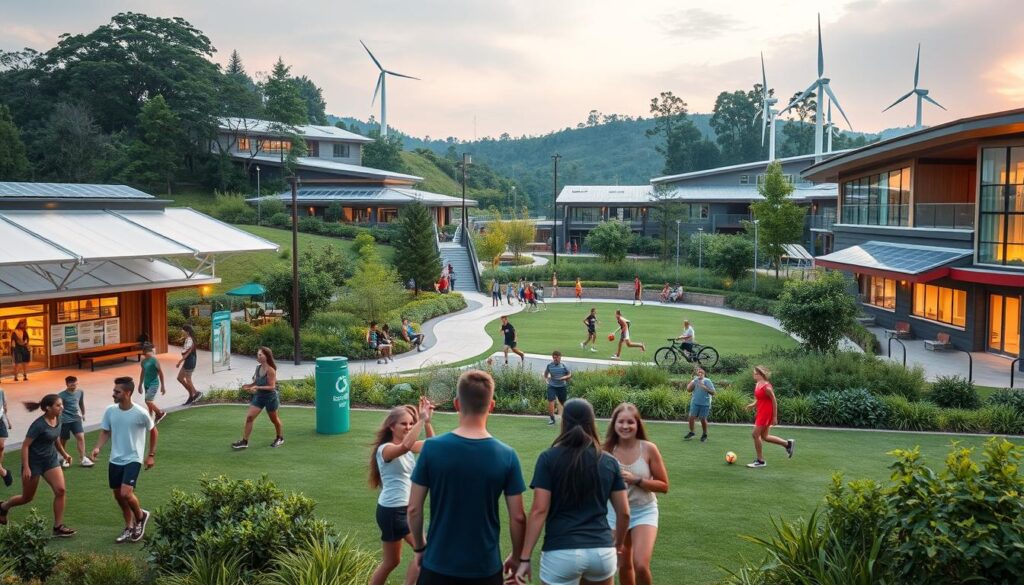
Let’s get real about sustainable sports efforts. Not all are created equal. For every Paris 2024 solar-powered climbing wall, there’s a golf tournament with “recyclable” plastic cups. Real eco-friendly events do more than cut carbon footprints; they boost local economies.
Seattle’s Climate Pledge Arena is a prime example. It turns 95% of its waste into energy, helping local businesses. This effort not only cuts carbon but also boosts local revenue. It’s a lesson in sports tourism impact on community.
But, some events claim to be green without actually doing much. Here are three signs of greenwashing:
- Vagueness: Saying they’re committed to sustainability without action
- Isolation: Using solar panels for nothing but PR
- Zero local lift: Buying carbon credits without helping the community
Paris 2024 gets it right by using renewable tech and supporting local suppliers. On the other hand, some events just use greenwashing tactics. They might even ask fans to mail back used cups in diesel trucks.
When venues become ecosystem hubs, they create real jobs. Climate Pledge Arena’s partnerships led to 143 new jobs in King County. This is real sports tourism impact on community that lasts.
For organizers, the key is:
- Check who benefits from partnerships (it should be local)
- Success should be measured in jobs created, not social media
- Make green tech the main attraction, not just a side show
When you see an “eco-stadium,” ask if it’s real or just a screensaver. The answer shows if it’s truly helping the community or just pretending to.
Demand For Authentic Local Experiences
Why settle for mass-produced nachos when you could have reindeer sausage at a Finnish hockey match? The 2024 sports tourist isn’t just after adrenaline. They’re looking for cultural immersion like it’s the last pretzel at Oktoberfest. This change has turned stadiums into places for hyper-local adventures.
In Boston, the marathon teamed up with 37 local eateries for food trails. This led to a 214% revenue boost for these businesses. It also got a lot of clam chowder reviews online. This shows types of sports tourism now want more than just souvenirs.
- Behind-the-scenes access to local traditions (yes, even if it involves pickled fish)
- Curated partnerships with neighborhood businesses
- Opportunities to leave meaningful economic footprints
Artisanal stadium mustard is now more popular than influencer campaigns. When New Orleans’ marathon offered gumbo from family recipes, social media went wild. It seems visitors love the taste of place more than photos.
Smart places now see sports events as cultural hunts. Stockholm’s hockey matches include herring tastings. Memphis’ basketball weekends have blues history tours. It’s not just tourism; it’s visitor behavior that spreads dollars and tastes.
Shifts in Travel Patterns
The days of traveling far for sports events are fading. Why go to Roland-Garros when you can watch your niece play pickleball nearby? This shift is about saving money and having fun with family.
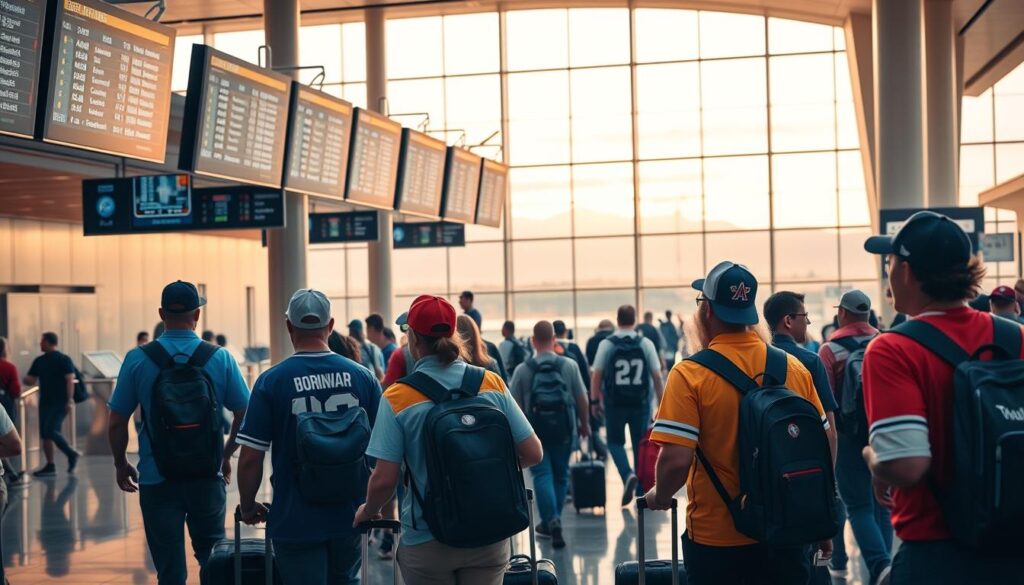
Buffalo Bills fans now make game days into mini-vacations. Last season, 23% more fans booked week-long stays near Highmark Stadium. They enjoy Niagara Falls and try local food, all without the pressure of social media.
But does Taylor Swift’s concert magic work for minor league baseball? Our answer is nope. While Swifties travel far for her concerts, Lugnuts fans mostly come from nearby. The big draw? $1 Hot Dog Nights.
| Old Sports Travel | New Sports Travel | Cost Difference |
|---|---|---|
| International flights | Regional road trips | 67% cheaper |
| Luxury hotels | RV rentals | 41% more bookings |
| Pro sports events | Youth tournaments | 88% family-driven |
Youth sports travel now boosts local tourism by 38%. Parents are exploring new places and enjoying family time. Who needs Paris when you have a great time at a local tournament?
Secondary cities are the big winners. Birmingham welcomes more travel baseball teams than Beyoncé fans. Omaha makes a splash with softball dollars between CWS seasons. It’s not fancy, but it’s good for the economy.
Successful Case Studies
Let’s look at three cities that made stadium events into big wins for their economy. Indianapolis didn’t just host the 2023 NFL Draft. They created a $32 million plan to boost their city. They turned parking lots into breweries and trained students to help with events.
This effort paid off big time, with a 300% return on investment in hospitality skills. These skills will last long after the event is over.
Melbourne’s Grand Prix was a huge success in building a lasting legacy. They worked with racing teams to start permanent training programs. Now, 40% of Melbourne’s luxury hotel staff learned from these programs.
This shows how racing can lead to real jobs. It’s amazing to see how pit stops can turn into paychecks.
- Chattanooga’s Ironman experiment – where ankle trackers became education funders
- Sponsors pay per mile raced, funneling 15% directly into local STEM programs
- 2023 event generated $2.1 million for schools – faster than a triathlete’s heartbeat
These stories show the power of sports tourism. It’s not just about quick money. It’s about creating lasting benefits for the community. Indianapolis kept its infrastructure, Melbourne its expertise, and Chattanooga its education.
So, what’s the secret? “Host like you’re building IKEA furniture” – leave something useful behind. In 2024, the real value of sports tourism is in events that help the economy grow. Who knew stadium nachos could help fund the future?
Key Takeaways for Organizers
Sports tourism shines when event planners focus on local flavors. Oklahoma City did this during March Madness by using local chefs for nachos. This shows how sports tourism can boost a community by supporting local talent.
Don’t hide your sustainability efforts. Show them off as a sign of authenticity. It’s the real, unpolished stuff that makes an event special.
Move away from generic plans. Today’s sports tourism needs a mix of old and new. Seattle’s arena hosts NHL games and Fortnite tournaments. Miami’s races include domino games in Little Havana.
Gen Z wants experiences that mix sports with culture. They’re looking for events that blend sports with art and music.
Plan events like a playlist. Mix local experiences with main attractions. Asheville has brewery races, and Brooklyn has chess-boxing in basements.
The goal is to make fans feel like they’re part of the city. They should Instagram their adventures in your city.
It’s time to rethink success. Look at how many people leave with memories, not just tickets. The future of sports tourism is about local voices and experiences.
Design events that make people want to stay longer. Forget about parking complaints. Focus on creating unforgettable moments.
