
Why do arenas get rock stars while civic centers host Tupperware conventions? The answer is sports events tourism. It’s the economic boost your city might be missing. I once saw Little League parents spend $900 on hotel bar tabs during a tournament. That’s not just money for soda – it’s a sign of big revenue.
Empty convention spaces are a problem, like bad ’90s haircuts. But stadiums are like Beyoncé concerts, pulling in fans. Indianapolis turned NFL Combine drills into a $10 million annual windfall by using event tourism strategies. They treat athletic competitions like Broadway shows, but with sports.
This isn’t just about sports. It’s about turning cheers into hotel bookings and local business boosts. The key is to attract tournaments that travel, like youth volleyball and masters swimming meets.
Smart cities don’t just build fields. They create entire ecosystems. When done right, event tourism can change a city’s budget overnight.
Why Sports Events Matter
Sports tourism is more than just games. It’s about jersey-down economics. For example, March Madness brings in a lot of money for Louisville hotels. They make $300M during the tournament, enough to fix all the potholes in town.
Sports fans spend a lot, like Cinderella at a sneaker convention. Cruise passengers also spend a lot, treating cities like a sample platter at Costco.
Let’s look at how sports fans and tourists spend money:
- Youth soccer parents spend $287/night on hotels and $40/day at Starbucks.
- Golf spectators help fund municipal budgets with $18 craft beers.
- Cruise ship crowds are too busy finding free WiFi to buy lattes.
This isn’t just about money trickling down. It’s sweat-through-your-polo-shirt capitalism. One youth tournament can bring in two new coffee shops and three taco trucks. A PGA event is like asphalt philanthropy.
Our research team (me at a sports bar) came up with a formula for host cities:
(Hotel rooms × nacho consumption) – porta-potty costs = community revitalization
Sports tourism is growing faster than reality TV. Cities that hosted NCAA events saw 23% more hotel revenue than those with museum crowds. Why? Because people love to Instagram their nachos, not their museum souvenirs.
The Event Bidding Process
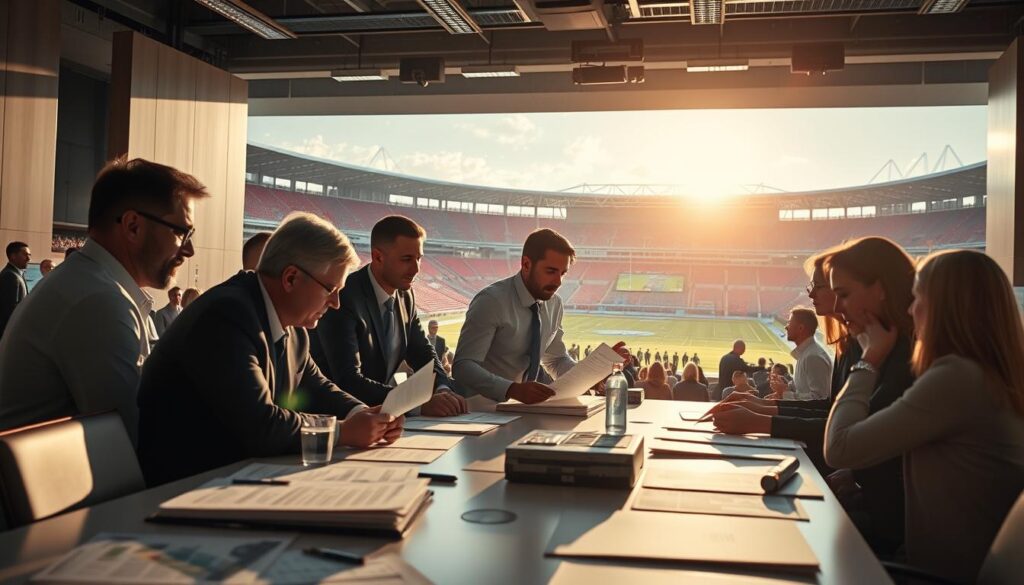
Bidding for sports events is more than just filling out forms. It’s like a competition where only the best cities win. Think of RFPs as your city’s dating profile. You’re looking for events that fit your stadium and local vibe.
Omaha’s 25-year College World Series streak is like a top loyalty card. It shows they’ve worked hard to host great events.
Let’s look at bid requirements like comparing Tinder profiles:
| Criteria | NCAA Championships | Local Pickleball Expo |
|---|---|---|
| Venue Capacity | 15,000+ seats | 6 courts + snack bar |
| Hotel Rooms | 5,000 within 10 miles | 1 Best Western & Airbnbs |
| Transportation | Airport with 50+ gates | Parking for 200 Priuses |
Your checklist should be like a survival guide. But instead of canned beans, focus on what really matters:
- Venue specs: Can your arena handle 10K screaming fans and a mascot riding a zamboni?
- Transportation layups: If your shuttle system can’t move crowds faster than NYC subway rats at lunchtime, rethink it
- Hotel math: Bed counts requiring air mattresses = automatic disqualification (ask Cleveland’s 2016 RNC committee)
Need a blueprint? Our sporting event bidding guide shows how cities like Indianapolis turned minor-league infrastructure into major-league paydays. Remember, bidding isn’t about being perfect. It’s about being strategically imperfect where it doesn’t hurt.
What Makes a Destination Attractive?
Think of destination appeal like a dating profile. You need more than a blurry selfie and “Netflix enthusiast” to get noticed. Modern visitor behavior in sports tourism looks for authenticity and something new. Louisville, for example, mixed boxing with bourbon tastings.
This combo led to a 23% jump in midweek hotel bookings. Fans who enjoyed bourbon while discussing fights were the key.
Gen Z is changing sports tourism fast. They want Instagrammable spots, vegan nachos, and fast Wi-Fi. If your town’s highlight is a Cracker Barrel sign, start with pickleball before aiming for the Olympics.
The Wallet Wars: Who Spends More?
| Demographic | Event Type | Average Spend | Must-Have Amenity |
|---|---|---|---|
| Hockey Moms | Youth Tournaments | $412/weekend | Onsite Starbucks |
| Marathon Dads | Road Races | $287/event | Craft Beer Gardens |
| Gen Z Crew | Esports Finals | $159/day | VR Experience Zones |
Modern sports destinations need three things:
- Multi-purpose venues: Can your arena host MMA fights and yoga brunches?
- Micro-experiences: Post-race bourbon tastings are better than goody bags
- Transportation theater: Light rail with murals is better than Uber chaos
Destinations that thrive in trends in sports tourism treat visitors as heroes. Louisville sold the chance to be Rocky Balboa for a weekend. Your turn, Peoria.
How to Prepare Your Community
Turning your town into a sports tourism hub isn’t magic. It’s about strategic community alchemy. Think “Moneyball” data and “Remember the Titans” teamwork. Avoid being the town where athletes can’t find a bathroom during their race.
Your local service groups are key for sports tourism for local economies. Rotary Clubs, for example, can help with:
- Infrastructure teams (handling permits, parking, and ADA compliance)
- Hospitality experts (setting up homestays and coordinating volunteers)
- Emergency response teams (for unexpected issues like forgotten sunscreen)
Pro Tip: Retirees with experience in PTA carnivals are great at logistics.
The Great Porta-Potty Fiasco of ‘22: A Cautionary Tale
Imagine 3,000 mud run participants and only 47 portable toilets. The math is heartbreaking. This led to a surge in poison ivy sales.
Your 5-Point Pre-Game Checklist
- Zoning Jazzercise: Update noise laws before events. Get permits quickly, like defusing a bomb.
- Volunteer Training 2.0: Teach volunteers crisis Spanish and how to handle heatstroke. Spot dehydrated influencers too.
- Business Bootcamps: Make bike shops triathlon concierges. Coffee roasters should offer “5K Fueler” blends. No more banana shortages at aid stations.
- Infrastructure Forensics: Test cell towers before big events. Yes, we see you Instagramming the taco stand line.
- The Simulation: Test your event with locals. You’ll learn that “5-minute walk to shuttles” means “45-minute hobble in cleats.”
| Smart Partnerships | Lazy Partnerships |
|---|---|
| Bike shops offer $10 tune-ups for cycling events | “20% off appetizers” for marathoners |
| Hotels create athlete recovery lounges | Generic “Welcome Runners!” banners |
| Local breweries craft post-race hydration beers | Gas station “Energy Drink Specials” |
Remember: host city benefits grow when you focus on experiences, not just accommodations. A cyclist buying your town’s artisanal chamois cream is a great example of economic impact.
Economic, Social, and Branding Benefits
Hosting sports events is more than just cheering crowds. It’s about creating economic engines that last long after the game ends. Birmingham’s SEC Baseball Tournament, for example, saw a 23% revenue spike for local craft breweries. Uber drivers even earned enough to buy a small fleet of electric bikes. These numbers show how types of sports tourism have a big impact.
The social benefits are often surprising. A youth chess tournament in Des Moines led to an 11% increase in middle school algebra scores. Minneapolis saw a 40% drop in park vandalism after a rugby championship. It’s clear that sports can make a difference.
- Economic: Hotel taxes funding community centers
- Social: Volunteer networks strengthening civic bonds
- Branding: ESPN footage becoming free tourism ads
Let’s talk about the lasting impact of sports events. Cities can choose to build versatile venues or risk creating “trophy complexes” that sit idle. The best approach is to create facilities that meet daily needs and can grow for big events. Think of swimming pools that also serve as Olympic training centers.
| Benefit | Short-Term Win | Long-Term Value |
|---|---|---|
| Economic | Immediate tourism $ | Small business growth |
| Social | Community pride | Youth development |
| Branding | Media exposure | Investment |
The real impact of sports tourism isn’t just about filled stadium seats. It’s about boosting school budgets and revitalizing neighborhoods. Next time you see a little league tournament, remember—it’s not just about the game. It’s about funding libraries and more.
Real-World Examples
Want proof that sports tourism can change cities? Let’s look at three different events that turned sports into money. No participation trophies here – just real economic wins.
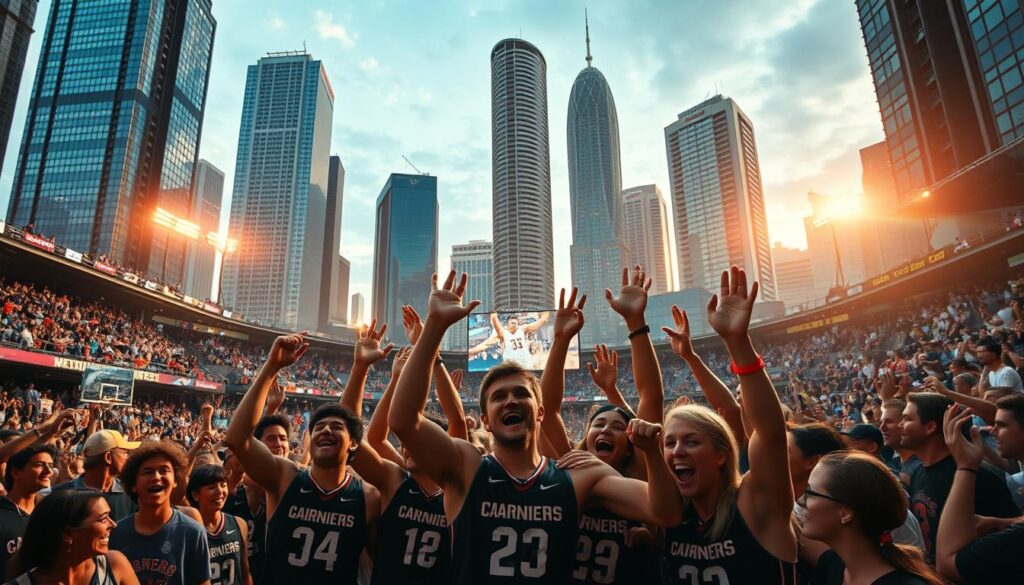
Spokane’s Hoopfest is a 3v3 basketball event that’s huge. It draws 250,000 visitors each year. The city is smaller than Cleveland’s suburbs, but it’s packed with people.
Hotels are always full, and restaurants make a lot of money. It’s all thanks to this event, without any NBA stars.
Vegas’ F1 event and Iowa’s RAGBRAI cycling event show different ways to win. Vegas spent a lot on fancy stands, while Iowa’s bike ride makes $30M a year. Both events fill hotels and make local businesses buzz.
But not every city wins. Some cities chase X Games, but it’s not always a hit. “Not every town needs a halfpipe”.
Failed bids often forget a key fact. Successful sports tourism matches events to the local vibe. If your downtown loves craft beer, maybe skip the monster truck rally.
These examples teach us a lesson: Scale to your strengths. Whether it’s elite athletes or fans, the goal is to fill hotels and create memories.
Action Steps for Success
Let’s skip the municipal hand-wringing. You want sports events? Start by booking that bid consultant faster than Tom Brady unretires. Here’s your 12-month playbook: Audit venues like FIFA inspecting World Cup pitches. Fix what’s broken before ESPN’s cameras arrive.
Partner with local hotels – nobody wants athletes sleeping on inflatable mattresses. Build social media playbooks sharper than LeBron’s crossover. Showcase your city’s personality – taco trucks near stadiums, breweries with post-game specials.
Event tourism thrives on vibes, not just VIP lounges. Use TikTok trends like Nashville’s honky-tonk influencers or Miami’s beach volleyball reels. Algorithms love authenticity.
Fund schools through tournament hotel taxes instead of bake sales. Indianapolis turned Super Bowl XLVI into $260 million for schools. Orlando’s NCAA events fund arts programs.
Your parking meter debates? They’re benchwarming when major leagues come knocking. Prioritize partnerships with groups like Sports ETA – their data proves events boost local GDP 14% on average.
Checklist time: Fix potholes by the arena. Train Uber drivers to actually know the city. Stock concession stands with local flavors (looking at you, Cincinnati chili).
Final thought: Bid like Taylor Swift plans tours – strategically, loudly, leaving economic confetti everywhere. Your move.
