
Imagine 80,000 fans in Phoenix, all excited like pilgrims. They spend more than tourists at the Louvre. That’s sports tourism – a mix of Burning Man’s chaos and Wall Street’s precision.
This $1.3 trillion industry turns sports events into big business. Unlike regular business trips, sports tourism boosts local hotels by up to 300%. Fans are both super fans and cultural explorers, looking for great photos.
Sports tourism is exciting because it’s unpredictable. Local businesses, like breweries and food stalls, see a big increase in sales. Even small vendors can make a lot of money. That’s the power of sports tourism – it’s like economic adrenaline in sports jerseys.
Why do cities want WrestleMania more than tech conferences? It’s simple. Events like UFC 308 bring in 70,000 fans, filling hotels from Dallas to Denton. They help fund local projects and create jobs without needing a STEM degree.
When you see a stadium light up, think of it as more than just lights. It’s like an economic shock that helps the city grow.
Sports Tourism Defined
Imagine a group of travelers who manage their money like athletes train for the Olympics. Today’s sports tourism is more than just a trip to watch games. It’s a $1.7 trillion industry where fans live like locals and athletes boost the economy. Let’s explore what makes these travelers different from regular tourists.
Core Definition (Without the Boring Textbook Stuff)
Sports tourism is about combining love for sports with a desire to explore. Fans book trips to watch big events, not relax on beaches. They seek three main things:
- Event access (World Cup tickets > Eiffel Tower selfies)
- Cultural immersion through sports (eating Philly cheesesteaks at Eagles games)
- Social bragging rights (“I high-fived Giannis in Milwaukee!”)
Here’s the interesting part: Sports visitors spend a lot more than regular tourists. They spend 38% more on hotels, merchandise, and food. It’s like they’re training for Spending: The Championship Edition.
Not All Thrill-Seekers Are Created Equal
Adventure tourists zip-line but don’t boost local economies much. Cultural pilgrims love museums but don’t buy local beers. Sports travel is different:
| Tourism Type | Primary Focus | Average Daily Spend | Seasonality |
|---|---|---|---|
| Sports Tourism | Event participation/attendance | $247 | Year-round (varies by sport) |
| Adventure Tourism | Physical challenges | $158 | Peak seasons |
| Cultural Tourism | Historical experiences | $189 | Summer/holidays |
This analysis shows sports travelers are key to the economy. Museums may close, but stadiums host events all year. It’s a steady flow of money, even Coach K would approve of.
Types of Sports Tourism
Sports tourism is not just one thing. It’s like a fantasy league with four main players. Each type draws different fans, has its own economic effects, and needs its own strategy. Let’s explore each one:
Event-Based Tourism
This is the Woodstock for jocks – huge events where excitement meets excitement. Think Super Bowls, Olympics, or even events like Tough Mudder races. These big events:
- Fill hotels fast, like Taylor Swift concert tickets
- Turn cities into adult theme parks for a while
- Make Instagram moments that last longer than stadium nachos
Active/Participatory Tourism
Here, weekend warriors become main characters. From Paris marathons to Manila basketball games, it’s about real effort. Key points:
- It’s about real effort, not just pretending
- It mixes sports with exploring new places
- Turns “I ran Rome” stickers into a new trend
Nostalgia & Heritage Sports Tourism
Imagine baseball card collections coming to life. Fans visit:
- Hall of Fame shrines (like the sports Vatican)
- Old stadiums where legendary moments live on
- Movie locations like Rocky’s steps in Philadelphia
It’s history class with beer and merch stands.
Passive/Spectator Tourism
The ultimate couch potato upgrade. These fans prefer watching Messi’s skills than trying it themselves. Their strategy:
- Follow favorite teams like Deadheads followed the Grateful Dead
- Make local bars international fan zones during Premier League games
- Focus on the game more than sightseeing
Key Motivations For Sports Travelers
Why do 67,000 fans spend all their money on World Cup tickets? It’s not found in psychology books. It’s in the spilled beer at tailgates and the selfies after marathons. Let’s look at visitor behavior in sports tourism with a sharp eye.
Sports tourism today is more than just being a fan. It’s about joining a tribe. Millennials treat half-marathons like weddings, not just races. They’re looking for communities with cool merchandise.
When 40-somethings go on nostalgia tours to old stadiums, they’re not just reliving the past. They’re traveling back to a time when they could fit into college jerseys.
The Esteem Economy
Sports travel stories are all over LinkedIn. There’s a reason for it. Finishing an Ironman in Iceland proves you’re tough. It shows you work harder than others.
This isn’t just tourism. It’s a way to show off your social status.
Self-Actualization Through Sweat
The new places to visit have food stands. A study says 78% of marathon runners find it life-changing. Running in Paris is like art, with your followers as the audience.
| Motivation | Millennial Play | Gen X Countermove |
|---|---|---|
| Social Proof | Influencer-friendly triathlons | Vintage jersey conventions |
| Nostalgia | TikTok stadium tours | Fantasy camp reunions |
| Status | Ultra-marathon bragging rights | Luxury box networking |
This isn’t just about sports tours. It’s about reaching the top of Maslow’s hierarchy with foam fingers. Next, expect virtual trips where you can meet your past self at a Bulls game. For now, the real excitement is in hotel bars, where people bond over hating referees.
What Sets Sports Tourists Apart?
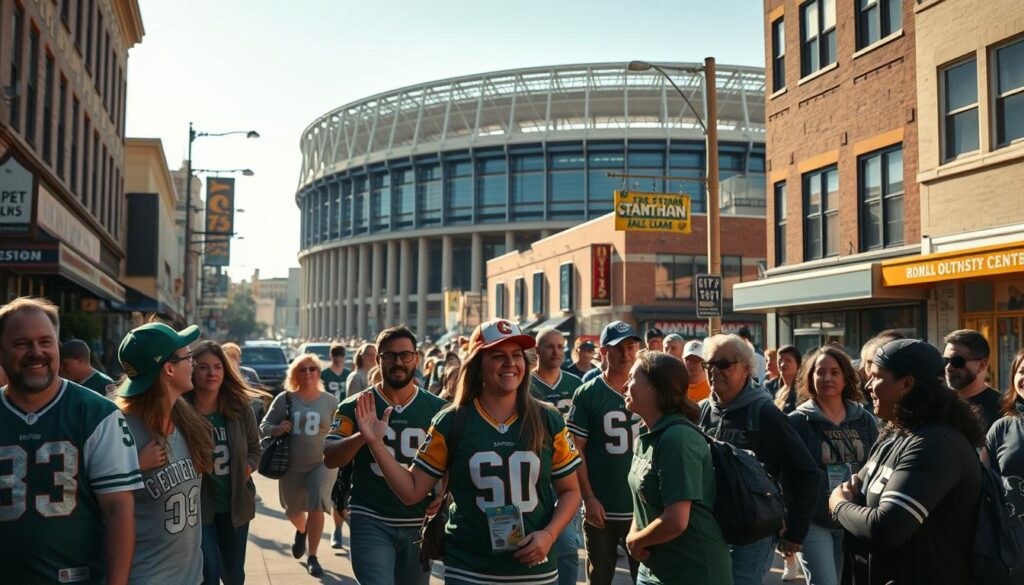
Sports tourists don’t just attend events; they colonize host cities with the intensity of chess grandmasters. They obsess over ticket resale and stadium parking, unlike regular vacationers. The NCAA host city reports show their economic impact is huge.
Indianapolis saw $150 million in local spending during the 2024 Final Four. This is enough to make even Vegas accountants impressed.
Three traits define this breed of traveler:
- Precision planning: 78% book accommodations 6+ months pre-event (vs. 22% of leisure travelers)
- Merch-driven budgets: They spend 3x more on team gear than regular tourists
- Reverse hibernation: Nightlife revenue spikes 40% in host cities post-game
| Behavior | Sports Tourist | Regular Tourist |
|---|---|---|
| Average Stay | 4.2 nights | 2.8 nights |
| Daily Spending | $387 | $214 |
| Repeat Visits | 62% return rate | 38% return rate |
The growth of sports tourism turns cities into temporary theme parks for adults. Hotels become war rooms with bracket printouts. Bars stock extra IPAs and defibrillators.
This obsession creates unique opportunities. When Pittsburgh hosted the NHL Draft, local pizza shops saw a 300% increase in jalapeño toppings. It’s clear the sports tourism impact on community economies is significant.
Smart destinations now court these fans like tech bros chasing crypto. They do this because sports tourists don’t just visit; they participate. They turn cities into live-action fantasy leagues where every dollar spent is a bet on their team’s glory.
Opportunities for Local Businesses and Destinations
Sports tourism is more than just tickets and hotels. It’s like a temporary theme park for local businesses. From food carts to tech shops, everyone gets a chance to make money. Let’s explore how communities can turn visitors into a goldmine.
The Sports Tourism Revenue Playbook
Here are three ways to make visitors spend more:
- Geo-targeted hospitality: Airbnb hosts near marathon routes charge more for views of the finish line.
- Merchandising alchemy: Shops that make graduation robes now make event tees.
- Infrastructure arbitrage: Parking lots become tailgate spots, making $50 a day.
| Business Type | Opportunity | Revenue Streams | Real-World Example |
|---|---|---|---|
| Restaurants | Post-game specials | Upselling local craft beers | Indianapolis steakhouse 300% sales spike during NCAA finals |
| Retail | Team-branded goods | Exclusive merch collaborations | Phoenix Suns x local artists jersey collection |
| Transport | Surge pricing zones | Rideshare event partnerships | Miami Uber drivers earning $1k/week during F1 Grand Prix |
| Tech | App-based services | Augmented reality stadium guides | Minneapolis startups securing Super Bowl LII contracts |
Smart cities treat big events like software updates. They add temporary economic plugins that keep working after the game. Nashville’s NHL Stadium is a great example, with its concession stands helping local BBQ joints grow.
The best strategy? Train hospitality workers in “fan linguistics.” This skill helps them explain things like craft beer while wearing face paint. Cities that do this see 23% more spending from visitors, according to the NCAA. It’s time for Main Street to step up.
Real-World Examples
Let’s forget theory and look at cities that turned stadiums into economic powerhouses. They did it faster than a Formula 1 pit crew. Want proof that trends in sports tourism are real? Just grab some strawberries and champagne.

Wimbledon’s “strawberry economy” is more than just tradition. It’s a two-week tennis event that generates £60 million annually for local businesses. That’s enough to buy 2.4 million punnets of strawberries. Hotels within 10 miles are always booked, thanks to Centre Court tickets becoming family heirlooms.
Indianapolis transformed from “flyover country” to a racing mecca. The Indianapolis Motor Speedway hosts the Indy 500 and more. It’s a year-round economic hub, bringing in $710 million in annual visitor spending. Pro tip: Never underestimate Midwesterners’ ability to make money from left turns.
Las Vegas changed the game with the Golden Knights hockey team. Skeptics doubted ice in the desert, but the Knights won the Stanley Cup in 2023. This led to a 18% increase in sports-related tourism and 7 new hotels near the Strip. Even Sin City needs more than casinos to stay relevant.
Minor league baseball teams, like the Durham Bulls, are true innovators. They run TikTok challenges that turn tourism into viral hits. Their “Steal Home Base” campaign brought in 23% more weekend visitors through videos of fans stealing bases. It’s Moneyball meets Silicon Valley—small budgets, big results.
These examples show three key truths about modern sports tourism:
- Nostalgia sells better than any merch stand (looking at you, Cooperstown)
- Digital engagement isn’t optional—it’s the new seventh-inning stretch
- Successful destinations don’t host events—they create experiences you can’t stream
So next time someone mocks “sports tourism,” remind them: Cities are building economic dynasties. They’re doing it one foam finger at a time.
Tools for Communities
Imagine your city as the MVP of sports tourism. What’s in its digital locker room? The game has changed. Winning bids for tournaments now requires more than free hotel breakfasts and a smiling mayor. Let’s break down the tech stack that turns CVBs from benchwarmers into first-string players.
Predictive analytics platforms are the LeBron James of this playbook. Tools like StratosphereSports crunch historical data, weather patterns, and hotel occupancy rates. They answer critical questions: “Should we bid for the national pickleball finals in monsoon season?” or “Will hosting a lacrosse tournament clash with Taylor Swift’s stadium tour?”
Forget brochures collecting dust in visitor centers. VR stadium tours let event planners:
- Walk through your facilities from Jakarta to Jersey
- Test sightlines for wheelchair accessibility
- Simulate crowd noise levels during peak events
Now let’s tackle the elephant in the locker room—partnership platforms. Not all are created equal:
| Platform | Strengths | Weaknesses |
|---|---|---|
| SportsConnect | Real-time vendor bidding | Interface stuck in 2012 |
| EventCollab | AI-powered contract review | Subscription costs more than a Super Bowl ad |
| TourismSynergy | Free for municipalities | Slower than a baseball rain delay |
The real power move? Combining these tools like a championship relay team. Use predictive analytics to identify ideal events, VR to showcase facilities, and partnership platforms to seal deals faster than a NASCAR pit crew.
Communities that master this tech trifecta don’t just host tournaments—they create experiences that turn one-time sports travelers into lifelong fans. Because in the big leagues of sports tourism, you’re either innovating or collecting participation trophies.
Closing Thoughts
The growth of sports tourism is more than just full stadiums or viral videos. It’s cities like Indianapolis turning empty lots into pickleball courts during big events. Barcelona uses Messi’s fame to sell €90 tours, even years after he left.
Communities embracing this trend do more than host games. They create economic engines, like mini-tournaments. It’s not just about the games; it’s about the economic boost.
Think of youth sports tourism as a way to revitalize cities. A volleyball tournament in Omaha brings in $30 million a year. That’s enough to impress even Warren Buffett.
But, it’s not just about the money. Atlanta’s Mercedes-Benz Stadium hosts concerts powered by solar panels. It’s a smart way to use resources.
Ignoring sports tourism growth is like Netflix not moving to streaming. While others create unique experiences, others risk being left behind. The key is to mix old with new, tradition with innovation.
Your turn, coach. It’s time to act.
