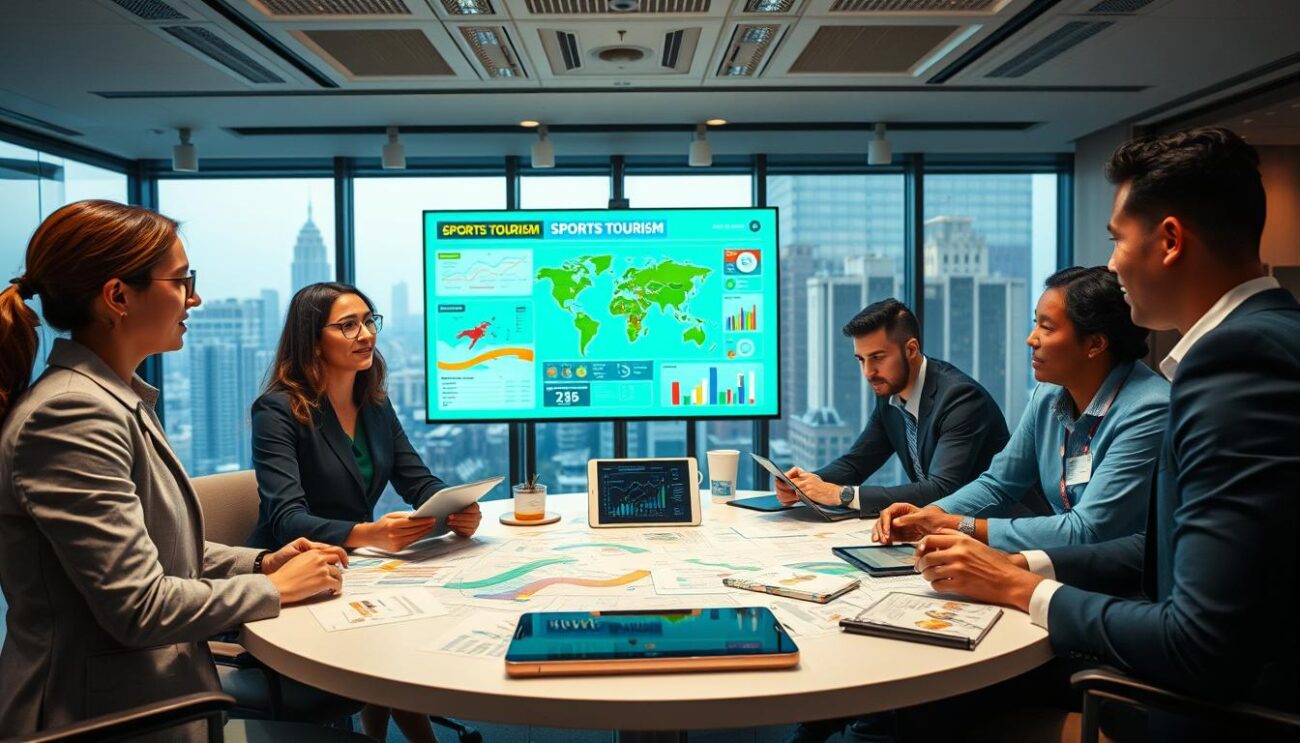
Travel centered around athletic events is a big economic sector. The UNWTO says it’s about people traveling to watch or join sports competitions.
There are two main types of experiences. Some people actively join in, like running a marathon or going on a cycling tour. Others just watch, attending big games or visiting sports halls of fame.
The global market for this is huge, worth about €585 billion. It’s a big part of the travel and hospitality world.
For cities and regions, it’s more than just hosting games. It’s a strategic lever for growth. Good tourism strategies can boost local economies all year.
They help fight off slow seasons and manage crowds. The aim is to build lasting economic strength and benefits for the community.
Turning ideas into action needs careful planning. Success depends on creative ways to engage fans and work with local groups. For more on this, check out these unique tactics for sports tourism.
The next parts will show how to create these effective tourism strategies from scratch.
Aligning Events with Tourism Goals
A well-chosen set of sports events can boost visitor engagement and keep the economy strong all year. It’s not just about hosting a game. It’s about helping your destination reach its goals.
Traditional tourism often happens in July and August. Sports tourism can help by bringing in money during slower times. This money goes to things like transportation, hotels, food, and shopping.
By hosting events in off-peak times, you can spread out the income. This helps keep the local economy stable.
Don’t just focus on big events. Success comes from a mix of events. Think of it like a calendar with goals for each season. For example, a spring marathon attracts fitness fans, while a fall cycling event draws nature lovers.
Make sure each event fits your destination’s size and resources. A small town should aim for a smaller event, not a huge one. This way, you can do great things without spending too much.
It’s important to tie events to your destination’s brand. For example, a coastal town might focus on “active beach life.” This makes marketing stronger and helps travelers understand your place better.
Events also help the local economy in many ways. When visitors spend money, it helps local businesses. This creates a cycle of growth that benefits the community for a long time.
| Event Type | Target Season | Primary Visitor Engagement Goal | Key Economic Sectors Boosted | Infrastructure Demand |
|---|---|---|---|---|
| Regional Marathon | Spring (Shoulder) | Attract fitness-focused travelers, extend stay | Accommodation, Restaurants, Retail | Moderate (road closures, medical) |
| Youth National Championship | Fall (Off-Peak) | Capture family travel groups, fill weekday rooms | Hotels, Local Attractions, Food Services | High (venue booking, crowd control) |
| Professional Winter Tournament | Winter (Low) | Generate high-spend visitor influx, media exposure | Transport, Premium Lodging, Hospitality | Very High (arena, broadcasting) |
| Community Sport Festival | Summer (Peak) | Enhance resident experience, complement existing tourism | Local Vendors, Public Services, Small Businesses | Low (parks, existing facilities) |
To build a good event portfolio, you need to analyze visitor spending and your infrastructure. Set clear goals for each season. This way, every sports event helps make your destination stronger and more prosperous.
Effective Marketing Techniques
Turning a regular tournament into a big event requires new marketing ideas. Today’s fans want more than just a game. They want an experience that touches their hearts.
Branded zones are key in today’s marketing. They keep fans around longer and make them share on social media. Games and photo booths make fans part of the action. This turns watching into something special and shareable.
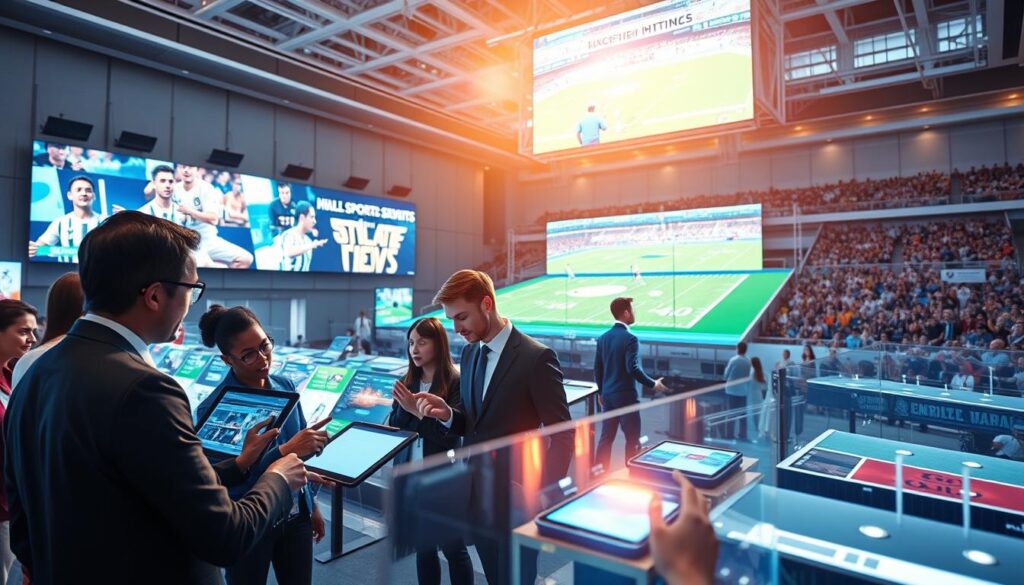
Technology makes watching sports better. VR/AR stations let fans see the game from new angles. They can even see digital layers over the event. Wearable tech shows athlete stats in real-time, making the game more interesting.
Marketing now focuses on helping, not just selling. Linking your sports events with social causes creates strong bonds. It’s not just about branding. It’s about showing you care about what matters to your fans.
Personalizing your marketing is also important. Using fan data, you can send them special offers and content. This makes each fan feel special, leading to more coming back.
These strategies work together to build a strong event community. They don’t just sell tickets. They create lasting connections and loyalty for future events.
Building Partnerships with Local Businesses
The most impactful tourism strategies come from working together with local businesses. These partnerships do more than just make money. They create value for everyone involved.
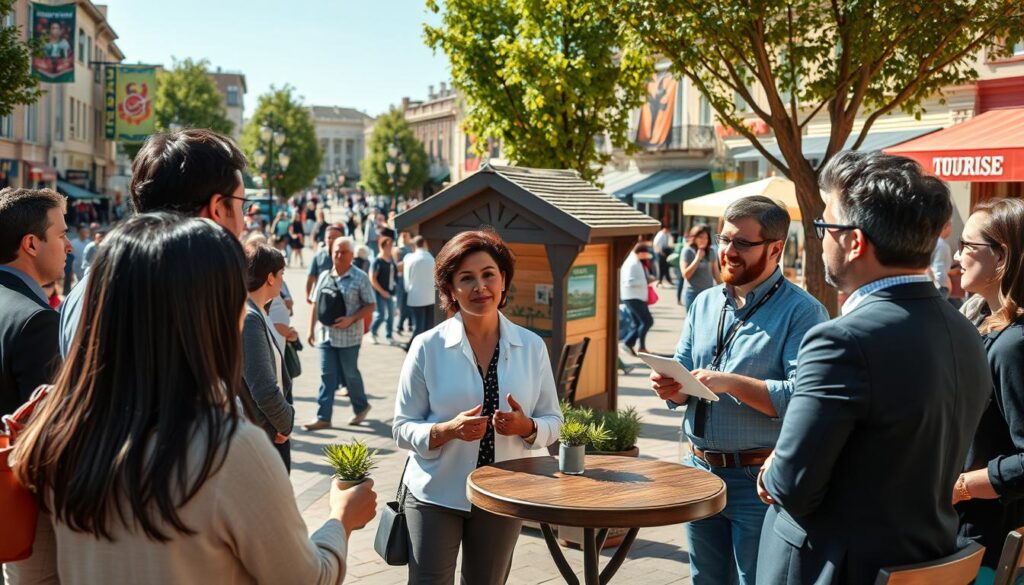
Today, sponsorships need to be more than just ads. Create special areas where people can try out products. Use digital screens to show sponsor logos live during events. This makes sponsors part of the event story.
Having a variety of local vendors is key to making an event feel real. Choose local food, breweries, and crafts over big chains. This helps visitors experience the local culture and keeps money in the community.
Working with tourism boards, hotels, and attractions can help visitors stay longer. Offer packages that include event tickets, hotel stays, and tours. These packages can turn a one-day event into a weekend getaway, increasing spending.
The table below shows different partnership models and their benefits.
| Partnership Type | Integration Method | Primary Community Benefit |
|---|---|---|
| Title Sponsor | Branded Experience Zones, Digital Integration | High-visibility investment in local event prestige |
| Local Food & Beverage | Curated Vendor Markets, Signature Items | Direct sales for small businesses, authentic local flavor |
| Arts & Crafts Vendors | Pop-up Marketplaces, Live Demonstrations | Showcases local talent, creates unique visitor souvenirs |
| Tourism Board & Hotels | Co-created Stay-and-Play Packages | Increases visitor length of stay, supporting broader tourism strategies |
| Local Attractions | Cross-promotional Discounts, Shuttle Services | Distributes visitor traffic, promotes secondary spending |
To succeed, see every local business as a chance to make a difference. Talk to the chamber of commerce early. Offer clear partnership options that benefit everyone.
The goal is to create a cycle of success. A strong local vendor scene makes the event better. A popular event brings more customers to local businesses. This is how a destination grows and thrives.
Case Study: Sustained Tourism Success
Places like Barcelona and London show how to make a big event last. They turn a single event into a big economic win. The OECD says these events help cities grow and improve their image.
The 1992 Summer Olympics changed Barcelona. The city used the Games to fix up the city. They built new waterfronts and improved transport.
This effort made Barcelona a top tourist spot. It kept visitors coming back with better access and culture. The Olympics’ impact lasted for years.
London’s 2012 Olympics also focused on making the city better. They wanted to improve the East End. They built the Olympic Park in Stratford.
After the Games, the park became Queen Elizabeth Olympic Park. It’s now a place for sports, fun, and homes. It made the East End lively and attractive.
Both stories teach us a key lesson. Success is about what stays long after the event. The OECD says planning events with city growth in mind is key. It’s about making a place better for the long haul.
Here are some lessons we can all learn:
- Plan for Legacy from Day One: Make sure venues have a future use. Barcelona’s waterfront and London’s park are great examples.
- Secure Community Buy-In: Success needs local support. Projects should meet community needs, not just event needs.
- Design for Permanent Improvement: Every investment should think about the future. Ask how it will make the destination better in ten years.
These examples show us how to use big events to achieve long-term goals. The goal is to create a lasting impact that keeps visitors coming back. This way, the event’s legacy keeps the economy strong.
Evaluating Strategy Effectiveness
A successful sports tourism strategy needs careful evaluation. Look beyond just how many people show up. Set clear Key Performance Indicators (KPIs) to measure real impact.
Economic numbers are key. Track how much visitors spend on hotels, food, and shopping. Also, count the jobs created by the event. The local economy benefits when spending keeps going around.
In the EU, sports events boost the economy a lot. They create over 6 million jobs and have a big impact.
Check how well your event promotes the destination. Look at mentions in media and online. For sponsors, count how often their logos appear and how many people see them. This shows the value of big sports events.
See how locals feel and how they engage with your event. Ask them what they think and track social media. Also, check if your event helps even out the tourist season.
This feedback loop is essential. Data from past events helps plan better for the future. It lets you keep improving your strategy, making each event more beneficial for the economy and community.
