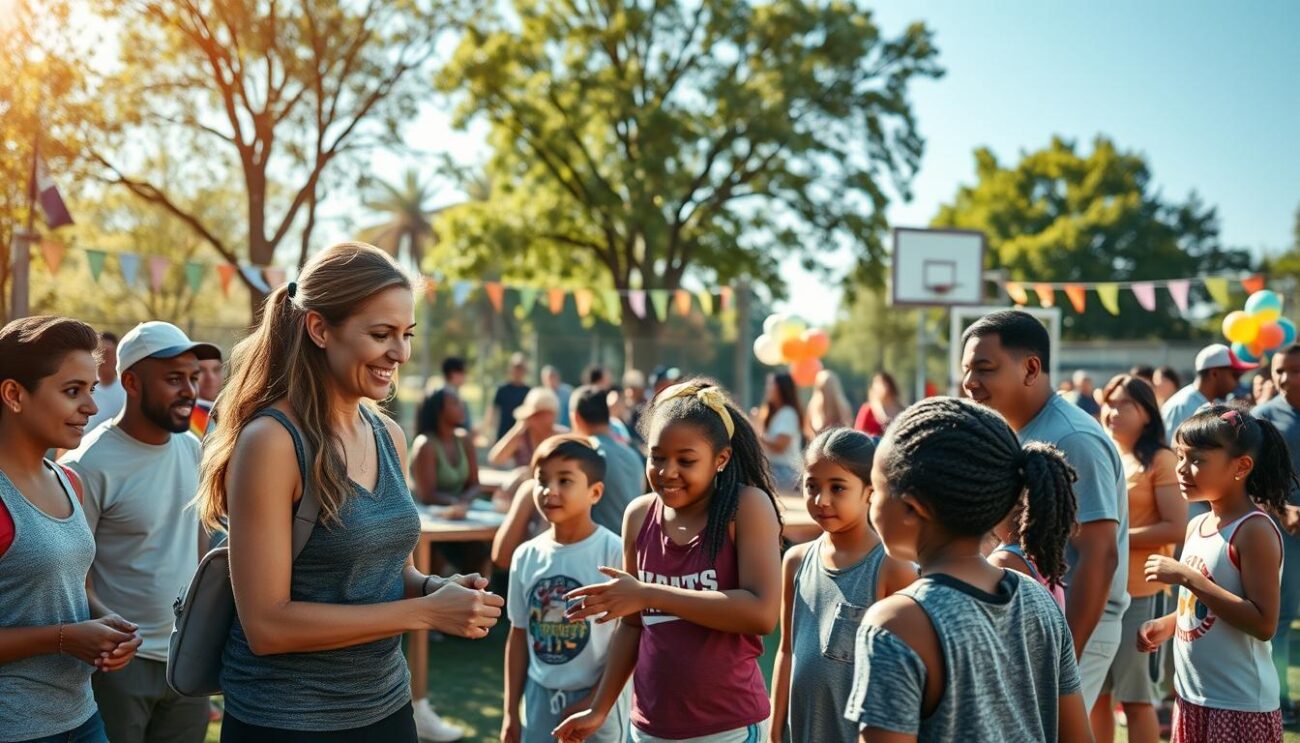
Forget the idea that a great sporting event is built on logistics alone. The truth is, it’s built on people. As the old saying goes, it really does take a village. A fully connected and invested local population is the ultimate catalyst for success.
This proactive community engagement is a core business function. It directly drives ticket sales, sponsorships, and positive economic impact. More importantly, it creates the repeat business and brand loyalty that ensure an event’s legacy.
From a strategic standpoint, this work is vital for an organization’s growth and long-term future. It positions a sports entity at the very heart of its area. Leading groups understand this, creating detailed strategic plans to engage and activate their.
Ultimately, fostering these bonds is not an optional add-on. It is the essential foundation for revenue, social license, and sustainable growth. The most successful events are those where the community itself feels like a winning partner.
Importance of Community Engagement
Getting the community involved is not just a good idea; it’s essential. It leads to real results for sports events. The link between local support and event success is clear, backed by data and lasting benefits.
The first benefit is economic. When locals and businesses support an event, money flows in. This includes hotel stays, meals out, and shopping. Here are some examples:
| Event | Estimated Economic Impact | Duration |
|---|---|---|
| Puma Champions Cup | $1.6 million | Single event |
| Illinois Women’s Bowling Association Event | $1.5 million | Ten-week period |
These numbers show a big boost to the local economy. This money helps create jobs and grow the city.
But there’s more than just money. True community engagement builds a loyal fan base. Studies show fans who are really into it attend 67% more and spend 175% more than casual fans. This loyalty means more money and a stronger team or event.
There are also intangible benefits. A strong sense of community makes events more exciting. It draws in top athletes and keeps sponsors happy. It also makes the event organizers more respected in the community.
Organizations also play a big role in helping the community. Events can promote inclusion, health, and well-being. This positive impact builds trust and goodwill that lasts.
In short, community engagement is key. It brings:
- Big economic wins.
- A dedicated fan base for ongoing success.
- A stronger brand image based on trust.
- A lasting social impact.
Ignoring this powerful tool means missing out on money, fan loyalty, and goodwill. For any event wanting to succeed, involving the community is the best strategy.
Strategies for Building Local Support
Turning a sports event into a community celebration needs smart strategies for local involvement. It’s about moving from ideas to action on the ground.
Start by building strong partnerships, like you would with a close friend. Keep in touch with everyone involved. Talk to radio stations, park districts, and local businesses. Say thank you to them for their help.
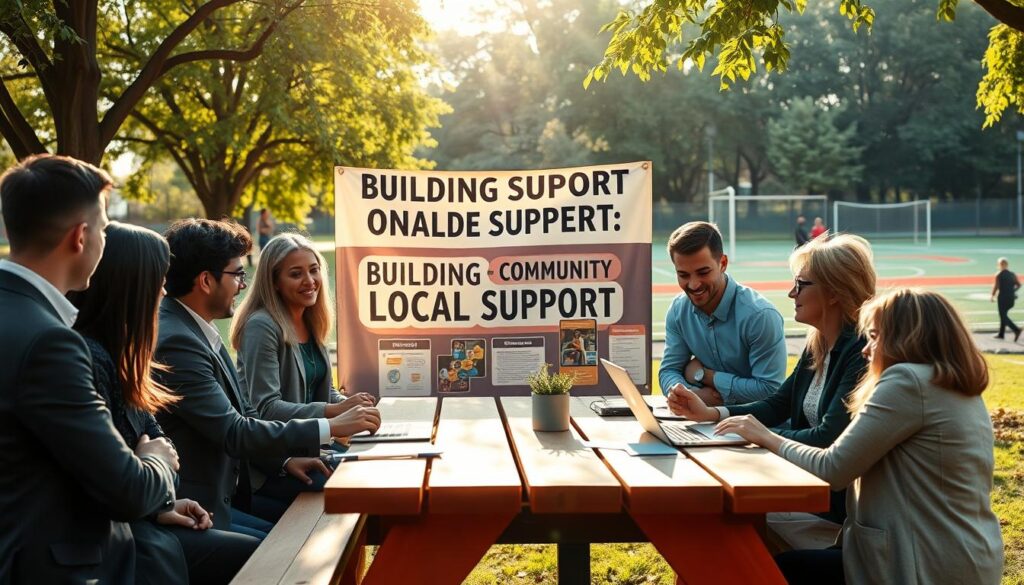
Success comes from detailed planning with your partners. Get them involved early. Book hotels for guests and work with local restaurants. Make sure trash and parking are taken care of.
Being organized shows you care. Use welcome signs and give staff and volunteers special buttons. Host a party for sponsors and important people. These small things make everyone feel special.
Your volunteers are key to local involvement. Find people who love the event’s mission. Train them to be ambassadors for the community. Their excitement can change the event for everyone.
Use a “Welcome Checklist” to make sure everything is done. It shows you’re serious about making the community feel welcome.
- Place welcome signs at major access points.
- Distribute discount coupons from partner businesses.
- Set up local information tables staffed by volunteers.
- Host a pre-event meet-and-greet for all partners.
This careful approach builds strong local support. It works well with the money needed to get good sponsorships. Together, they create a strong base for a community event.
Creating Inclusive Events
Making events inclusive means everyone can join in. It turns a simple event into a lively community event. This way, you get more local involvement and build good relationships.
Think about the whole family when planning events. Athletes’ families also enjoy the day. Having fun activities for everyone, like face-painting, makes the day special for all.
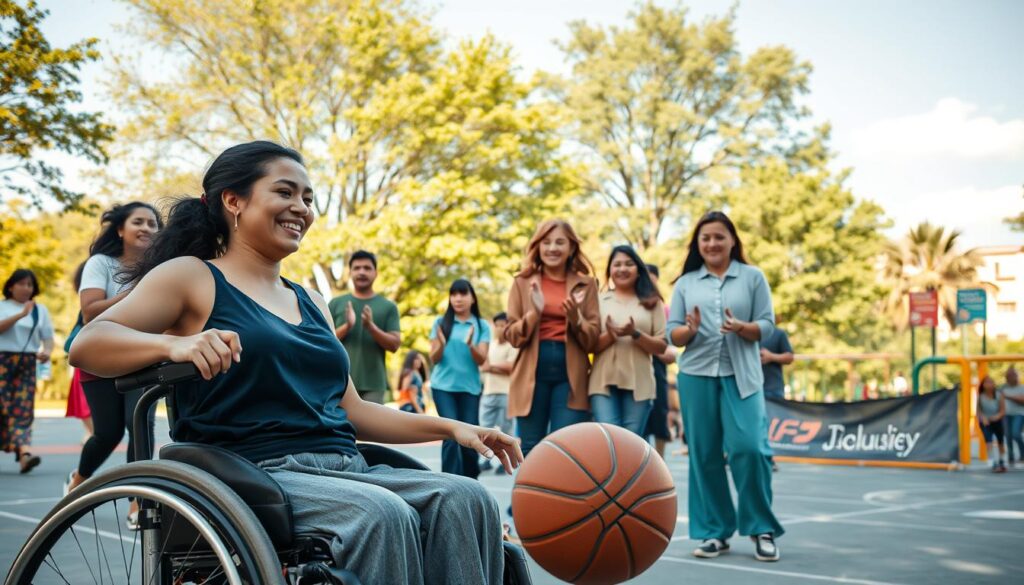
Make sure your event speaks to different groups. For kids, a welcome from the mayor can be exciting. For adults, a fun party at the start can draw them in. The goal is to make everyone feel welcome.
The main aim is to make people feel they belong. When they do, they become part of the community. This leads to more people coming back and helping out.
To make everyone feel included, try these ideas:
- Audit your event through multiple lenses. Think about how it feels to a child, a senior, a first-timer, and someone with mobility issues.
- Program with layers. Mix up the activities to match different moods and energy levels.
- Celebrate participation at all levels. Acknowledge winners, volunteers, first-timers, and long-time supporters.
- Actively solicit diverse input during the planning phase. Get help from local groups to make sure the event meets their needs.
Leveraging Social Media and Technology
The mix of social media and new tech has changed how we get people involved in sports. Today, fans are just as active online as they are in the stands. A smart digital plan is key to creating a fan base that’s always connected.
More people now watch sports online than in person. About 77% of Gen Z and 75% of Millennials prefer watching sports on screens. This shows we need to build strong digital communities that match the excitement of live games.
Engagement today is more than just posting on social media. We aim for two-way conversations. This turns viewers into active fans. Here are some digital tools to help achieve this.
| Digital Tool | Primary Function | Impact on Engagement |
|---|---|---|
| Live Polls & Quizzes | Real-time fan feedback during events | Creates immediate interaction and makes fans feel heard. |
| Fan-Centric Mobile Apps | Personalized content, notifications, and rewards | Builds a dedicated digital hub for the community. |
| AR/VR Experiences | Immersive virtual access to players or venues | Offers unique, memorable interactions for remote fans. |
| Mobile Ordering & Concessions | In-stadium food and merchandise delivery | Enhances the live experience by reducing wait times. |
| Social Media UGC Platforms (e.g., PostUp) | Curates user-generated content for stadium screens | Amplifies fan voices and integrates them into the event visually. |
Real-time social media chats boost public participation. Live Q&A sessions with athletes and event hashtags spark big conversations. Instagram Stories and Twitter Spaces keep the excitement going before, during, and after games.
Inside the venue, tech connects fans physically and digitally. QR codes on seats collect fan photos for the big screen. Apps control cell phone light shows, creating a unified visual experience. These moments strengthen the sense of community.
It’s also key to serve fans who can’t be there in person. Virtual watch parties on Zoom or Discord let fans cheer together. Exclusive digital content makes them feel included. This makes them valued members of the community.
Technology is not just a trick. It’s a vital way to engage fans. By using these digital strategies, organizers can build a passionate, global community that stays connected even after the game ends.
Post-Event Community Feedback
The real work of community engagement starts after the final whistle. A successful event is measured by its lasting effect, not just the day’s attendance. Closing the feedback loop turns a single happening into a sustainable legacy.
Adopt a structured model like the Sports Community Engagement Model. This framework requires measuring two key areas: Reach and Impact. Track quantitative data like total attendance. Gather qualitative insights through post-event surveys, polls, and focus groups.
Directly ask tournament organizers, participants, and local attendees for their opinions. This act shows respect and a genuine commitment to improvement. Collecting testimonials and personal stories provides powerful evidence of your event’s real-world effect.
Use this data to make informed decisions. Compare results against your pre-event targets and baseline data. Identify what programs resonated for expansion, what fell flat for revision, and what new opportunities exist. This disciplined analysis proves accountability.
Acting on community feedback builds deeper trust and strengthens relationships. It signals that local voices directly shape future plans. This process systematically improves event quality and broadens public participation year after year.
Treat post-event assessment as a strategic priority. It is the essential step that transforms goodwill into enduring community partnership and consistently higher levels of public participation.
