
Imagine Roman emperors betting on chariot races, with vendors selling olive oil souvenirs. Today, we pay $18 for stadium beers, and the horses wear sneakers. The economic juggernaut of sports tourism has come a long way. It started with bloody colosseum fights and now shapes city skylines for Super Bowl selfies.
Before the pandemic, sports tourism was growing at 7% a year. It’s faster than LeBron chasing a block. We travel far to watch sports and take selfies. Cities use sports events to boost their economies, with youth tournaments adding $19 billion.
Orlando made $760 million from a volleyball event, turning 95,000 hotel nights into gold. It’s not just tourism; it’s making money while teenagers play volleyball.
The magic happens when sports meet business. Local events now shape real estate and airline routes. Next time someone says sports are just games, tell them: empires are built on merch and nacho cheese sales.
Event-Based Sports Tourism
Event sports tourism is like a rock concert for travel: big, profitable, and sometimes leaves cities in debt. It turns stadium seats into money makers. But not all events are created equal.
The Spectator Economy
When 100,000 fans come to a city, they bring more than just foam fingers. They bring credit cards. The Super Bowl can make more money than some small countries’ GDPs. Taylor Swift’s Eras Tour boosts hotel sales like her songs boost Spotify streams.
But, big events can also leave a big financial burden. Rio’s Olympic ghost town is a reminder of this. It cost Brazil $1.3B and is now a financial burden.
Mega-Events vs Local Competitions
Size is important, but so is being sustainable. Let’s look at the differences:
| Factor | Mega-Events | Local Competitions |
|---|---|---|
| Economic Impact | $500M+ (short-term) | $2-10M (recurring) |
| Infrastructure Costs | Stadiums requiring alien invasion drills | Parking lots needing fresh paint |
| Community Engagement | Global brands, temporary jobs | Local vendors, year-round buzz |
March Madness host cities find the perfect balance. They use existing arenas for three weeks of basketball fun. On the other hand, your town’s pickleball tournament could be the next big thing in sports tourism. It doesn’t need taxpayer money. Good parking is more important than history for attracting visitors.
Participation Sports Tourism
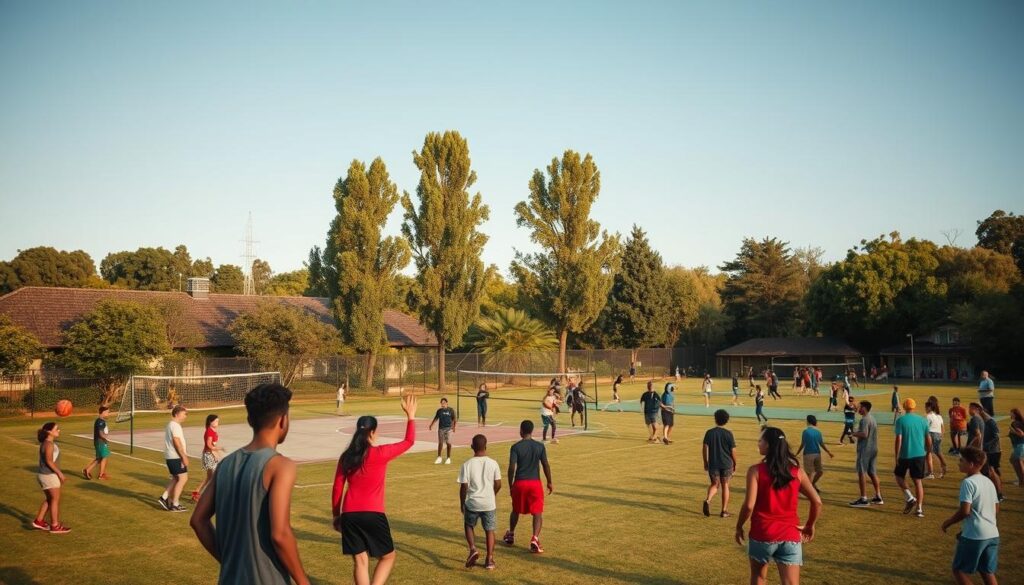
Forget Olympic podiums – the real action’s happening where average Joes become weekend warriors. Participation tourism isn’t just fitness fanatics chasing endorphins; it’s cities cashing in on the $45 billion “sweat economy.” Picture this: triathlon participants spend 62% more at local businesses than your typical sightseer. That’s not tourism – that’s economic CPR.
From Marathons to Mud Runs
Your town doesn’t need the Boston Marathon’s prestige to attract sports travel enthusiasts. The magic formula? Obstacles + hashtags = profit. Consider these modern participation magnets:
- Color runs (where Instagram meets fitness)
- Tough Mudder events (corporate team-building meets adult playgrounds)
- Open-water swim challenges (nature’s version of treadmill dread)
These events thrive on visitor behavior that prioritizes experiences over souvenirs. Participants don’t just want medals – they crave stories brutal enough for Monday morning watercooler chats.
Amateur Athletics Infrastructure
Building for participation tourism isn’t about Olympic-grade facilities. It’s strategic infrastructure chess:
| Asset | Tourist Spend Boost | Implementation Cost |
|---|---|---|
| Multi-surface trails | +34% | $18K/mile |
| Bike rental stations | +27% | $5K/station |
| Recovery spas | +41% | $75K startup |
Pro tip: Partner with local microbreweries for post-event “hydration stations.” Nothing says community integration like kombucha taps at finish lines.
Nostalgia and Heritage Sports Tourism
What’s more American than apple pie? A parent paying $40 to watch their kid pretend to care about baseball history. Communities are making money from our forgotten sports past. They turn old memorabilia into big business.
Halls of Fame Pilgrimages
Cooperstown’s National Baseball Hall of Fame sells dreams, not just stats. Visitors buy a chance to feel 12 again. Other towns follow this path:
- Kansas City’s Negro Leagues Baseball Museum turns old artifacts into $28 tickets
- Small-town soccer museums make Pele’s old jerseys a hit with Airbnb
- Local diners near these sites see a 40% jump in sales during big events
Retro Sport Experiences
Greenville’s rebuilt Negro League stadium hosts games in 1940s style. It has wool uniforms and even segregated seating. It’s a bit odd, but it’s a hit, with attendance doubling last year.
Today, sports tourism is all about going back in time. Chicago offers “Baseball in the 1920s” weekends. You can even rent a typewriter and get scores by telegram. People pay a lot to feel like their grandparents did.
Extreme and Adventure Sports
Imagine your town’s toughest terrain becoming its biggest money-maker. Welcome to the adrenaline economy, where danger is turned into profit. It’s not about being reckless; it’s about creating a safe thrill that makes money.
Risk as a Tourism Product
Extreme sports tourism is simple: perceived danger + managed safety = high prices. Moab didn’t just get lucky with its $150 million outdoor economy. It turned dangerous red rock into guided tours and Instagram-worthy routes. The trick? Making “you might die” sound exciting.
- Certified risk management systems
- Graduated challenge tiers (from “family-friendly” to “certified adrenaline junkie”)
- Story-worthy bragging rights
Creating extreme tourism isn’t about adding safety features. It’s about making controlled chaos zones. Successful places balance safety with freedom by:
| Element | Basic Setup | Premium Upgrade | ROI Multiplier |
|---|---|---|---|
| Safety Protocols | First aid stations | AI-powered risk prediction | 2.8x price premium |
| Guided Experiences | Local enthusiasts | Olympic medalist instructors | 4.1x social media reach |
| Legal Framework | Waiver forms | Real-time liability insurance | 67% reduction in lawsuits |
Queenstown’s bungee jumping and Interlaken’s canyon swing didn’t happen by chance. They used strategic investments to turn natural dangers into money-makers. Your “too dangerous” spot could be a hidden gem, just waiting for the right safety gear and marketing.
Benefits and Challenges of Each Type
Sports tourism is like a high-stakes casino. Cities bet big hoping for big wins, but they always lose a little. Alabama makes $4.7 billion a year from sports tourism. Rio’s Olympic sites, now covered in algae, show the other side of the coin. Which approach is better?
Economic Windfalls
Sports tourism brings in a lot of money. It’s like a financial defibrillator for local economies:
- Hotels near Birmingham’s new Legion FC stadium saw 92% occupancy during tournaments
- Youth baseball tournaments in Cooperstown, NY, generate $12 million annually from parent wallets alone
- Chicago’s marathon pumps $277 million into the city – enough to buy every runner 73 deep-dish pizzas
Hidden Costs
But then, communities face a ”financial hangover”. Participation tourism’s fun runs can leave lasting damage:
| Cost Type | Event-Based Tourism | Participation Tourism |
|---|---|---|
| Infrastructure Strain | Stadium maintenance: $4M/yr (avg.) | Trail restoration: $150k/event |
| Community Disruption | 45-day resident exodus during Olympics | Local park closures for 8 weeks/year |
| Environmental Impact | 34 tons waste/Grand Prix race | Erosion from 5k runners = 17 yrs natural recovery |
Figuring out if tourist triathletes’ spending is worth the trouble is tough. Albuquerque’s failed 2026 World Cup bid shows participation tourism needs careful planning. One wrong move can leave you with a $20 million loss.
Which Types Fit Your Community?
Forget about billion-dollar stadiums. Your town’s treasure might be hidden in plain sight. Sports tourism is about embracing your community’s unique charm.

Auditing Local Assets
Let’s explore your town’s hidden gems. That old pool? Perfect for retro swim events. The abandoned rail line? It’s ready for gravel biking.
Here’s how to spot these gems:
- Space Whispering: Turn parking lots into pickleball courts at night
- Weather Patterns: Sunny days? Beach volleyball. Rainy days? Esports
- Local Legends: Use your town’s oldest athletes for tournaments
Market Alignment Strategies
Think like an MBA but live like a local. You don’t need huge crowds for success. A few hundred fans can boost your town’s economy more than thousands of distant spectators.
| Asset | Low-Cost Play | High-Return Potencial |
|---|---|---|
| Empty big-box store | Indoor cornhole league | Regional championship host |
| Community college gym | Youth basketball clinics | NCAA Division III tournaments |
| Riverfront park | Fishing derbies | Kayak polo exhibition matches |
Reality check: If you need to tear down Main Street for a stadium, you’re off track. The real value lies in making your community’s oddities a draw. Be the undisputed capital of underwater hockey instead of just another sports complex.
Planning for Success
Building a sports tourism strategy is not easy. It’s not just about saying “If you build it, they will come”. You need a detailed plan, like a football team’s playbook. It must be flexible, like a skateboarder avoiding obstacles.
Stakeholder Coordination
It’s like trying to herd Olympic cats. Hotel owners want guests, parks departments want clean facilities, and athletes want the right setup. Here’s a 5-step guide to success:
- Reality Check: Check if your roads can handle big crowds, like 10,000 mountain bikers.
- Stakeholder Bingo: Find everyone involved, from fire marshals to social media influencers.
- Psych Profiles: Adventure sports fans seek excitement and bragging rights. Plan experiences that offer these.
- Fail Rehearsals: Practice for disasters, like medical emergencies or weather issues.
- Feedback Loops: Set up systems to quickly gather and act on feedback.
Long-Term Sustainability
Many communities struggle with long-term planning. Sustainable adventure sports tourism needs:
- Reinvesting profits in local trails or youth programs.
- Creating a balance between summer and winter events.
- Preparing locals to handle tourist crowds without getting overwhelmed.
Pro tip: Use solar-powered charging stations at trailheads. They’re good for the environment and great for photos. Plus, they help avoid GPS-related drama.
Case Studies
Real-world examples show how event sports tourism can be a big win or a big loss. Let’s take a closer look at three places that really went for it.
Williamsport’s Hot Dog Empire
The Little League World Series in Pennsylvania is more than just baseball. It brings in $35M a year, making the town of 28,000 buzz with activity. Airbnb bookings soar, and local diners become TV stars. The secret? They tap into the heart of youth sports, just like Disney does with nostalgia.
Montreal’s Olympic Money Pit
On the other hand, Quebec’s 1976 Olympic Stadium is a lesson in caution. Its $1.6B debt took 30 years to clear. Today, it hosts concerts and monster truck shows, but locals call it “The Big Owe.” It’s a reminder to think twice before big investments.
Bend’s Trail Mix Economy
Oregon’s Bend turned 400 miles of trails into a goldmine. Their “Trail Capital” branding draws in mountain bikers, spending $1.2M a year. No need for Olympic bids; just smart partnerships between brewers, shops, and hotels.
These stories teach us one thing: Sports tourism succeeds when communities play to their strengths. Does your town have hidden gems waiting to be discovered? The game is on.
