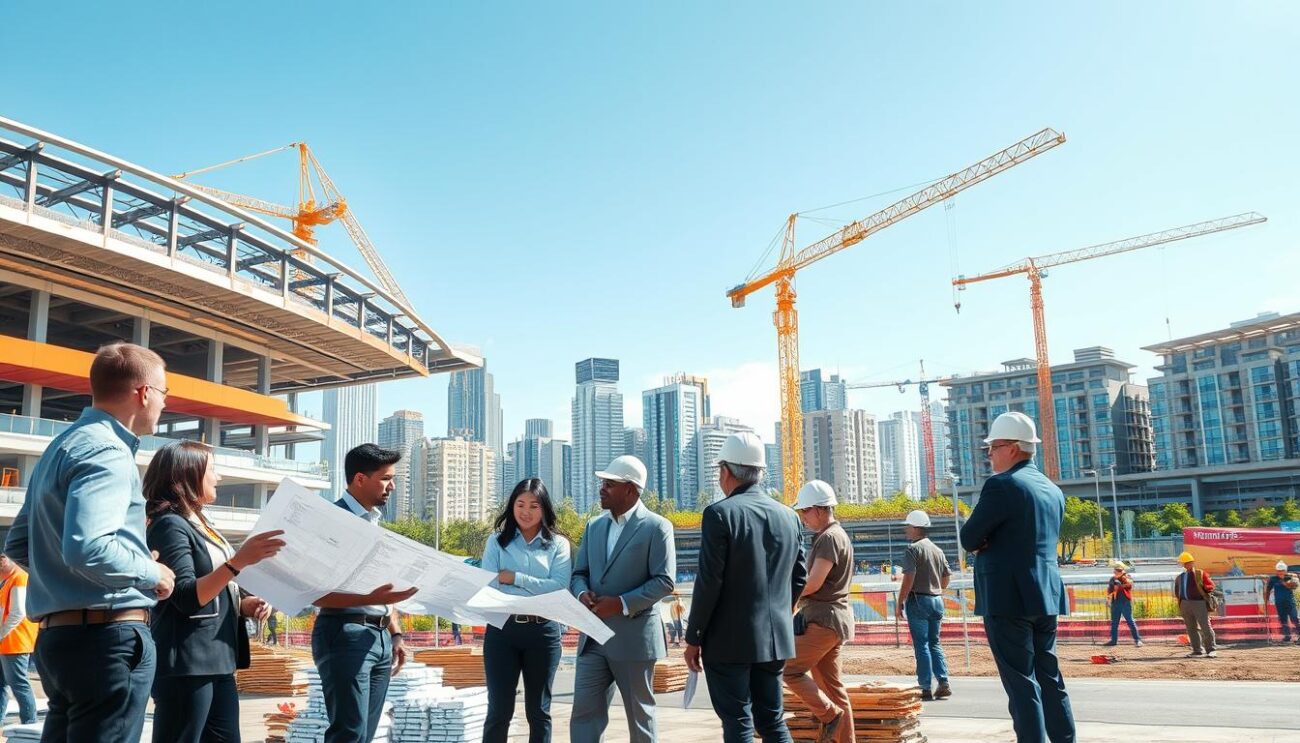
Major sporting events like the Olympic Games or the FIFA World Cup are more than just global competitions. They act as powerful catalysts for large-scale public works and urban transformation. Host cities often undertake massive construction projects, from building state-of-the-art stadiums to overhauling entire transportation networks.
The scale of investment is staggering. The London 2012 Olympics, for example, directed over $7 billion into transportation upgrades alone. This level of spending can accelerate economic growth and leave a legacy of modernized public assets for residents.
Yet, the path is not without risk. Projects can face significant budget overruns, a lesson learned from events like the 2004 Athens Games. The key is strategic planning to ensure these short-term bursts of activity lead to long-term, sustainable development.
Understanding how to maximize the benefits while managing the costs is critical. Insights from successful strategies for attracting sports events show that the resulting tourism revenue can directly fund community improvements. This creates a unique opportunity to build and renew vital urban infrastructure.
Planning for Long-Term Facility Use
Stadiums and villages for mega-events can become a financial burden without a plan. The difference between a white elephant and a community asset is strategic foresight. This phase of event hosting looks decades ahead.
Long-term planning ensures infrastructure remains valuable. It turns a short-term event into a long-term investment. The goal is to avoid venues that waste public funds.
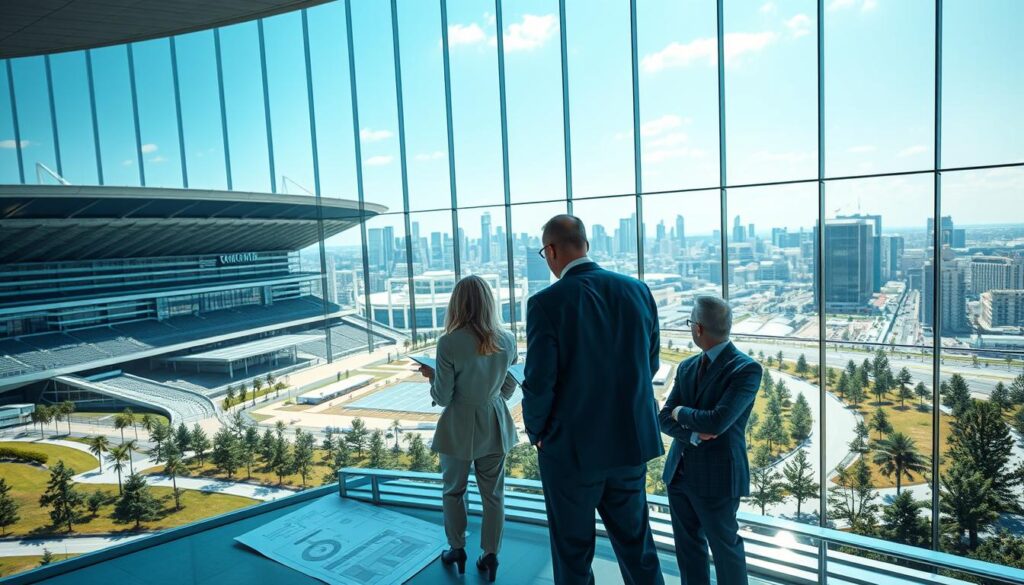
History teaches us about legacy planning. The 2000 Sydney Olympics set a global benchmark. Their Olympic Village was designed for conversion into a residential suburb.
Today, Newington is a thriving community. It contrasts with the fate of many Athens 2004 venues. Several Greek facilities fell into disrepair, showing wasted opportunity.
This contrast shows a key principle. Successful event hosting integrates facilities into the city’s fabric. It asks, “What happens the day after the event ends?”
Effective legacy planning involves two key actions:
- Repurposing for Community Use: Sports venues can become public recreation centers, concert arenas, or training facilities for local clubs. Athlete housing must be designed for easy conversion into apartments, student housing, or mixed-use developments.
- Integrating into Urban Development: New transport links and utilities should serve long-term growth plans. Event construction can catalyze the renewal of neglected city districts, creating new economic hubs.
The table below summarizes the divergent outcomes based on the presence or absence of a long-term plan.
| Planning Factor | Successful Legacy (e.g., Sydney 2000) | Unsuccessful Legacy (e.g., Athens 2004) |
|---|---|---|
| Pre-Event Design | Facilities designed with dual or future use in mind. | Design focused solely on event needs. |
| Funding & Governance | Clear post-event ownership and management model established early. | Vague or absent handover plan, leading to neglect. |
| Community Integration | Infrastructure aligns with existing city master plans and public needs. | Venues are isolated or disconnected from daily city life. |
| Economic Sustainability | Ongoing revenue models (rentals, events, tourism) are secured. | High maintenance costs with no reliable income stream. |
| Long-Term Outcome | Vibrant, used assets that enhance quality of life and city appeal. | Underused, decaying structures that represent a financial drain. |
An authoritative approach to event hosting demands this level of rigor. It treats the event not as an end, but as a catalyst. The infrastructure must serve the public for 30 years, not just 30 days.
Cities that master this transform a short-term project into a permanent gain. They secure a positive legacy that justifies the initial investment. This is the hallmark of truly responsible and visionary event hosting.
Funding and Investment Strategies
Mega-events like the Olympics need new funding models to help cities grow. The money needed is huge. A good plan balances today’s needs with tomorrow’s benefits.
Getting funding wrong can hurt a city for years. But, doing it right can bring renewal and growth.
Public money is often used first. Governments and cities put up the initial funds for venues and infrastructure. They do this because they hope for economic gains and global fame.
But, budget problems are common. The 2014 Sochi Winter Games went way over budget at $50 billion. The Paris 2024 Olympics has a more careful budget of about $8 billion.
These examples show how tricky public money can be. Without careful management, public debt can grow too high.
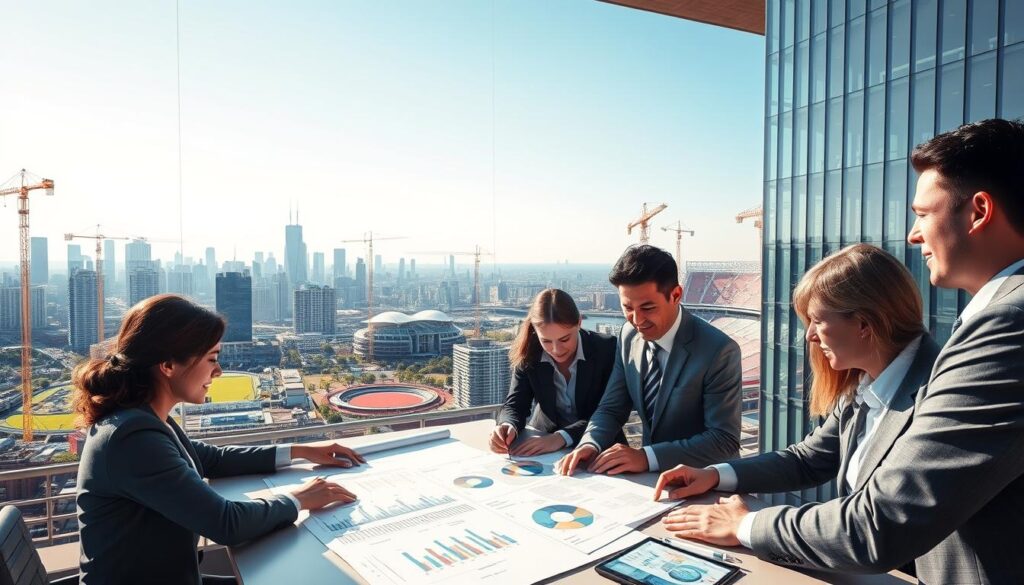
Private money is another option. Companies and investors put up funds in exchange for benefits like rights or shares. This can lower the public’s financial burden.
Private investors have a reason to keep costs down. They want to make a profit and work efficiently.
But, private goals might not always match public needs. Projects might focus on making money over helping the community.
Public-private partnerships (PPPs) offer a middle ground. They share costs, risks, and benefits between the public and private sectors. This teamwork is key for lasting city growth.
Birmingham City’s Sports Quarter project is a great example. It combined sports facilities with housing and business space through a partnership.
In the U.S., the Tampa Bay Rays stadium deal is another PPP example. It aims to fund a new ballpark and revitalize the waterfront.
These partnerships help manage financial risks for the public. They also make sure projects fit into the city’s bigger plans.
Choosing the right funding model depends on the project and the local situation. Here’s a comparison of the main approaches:
| Funding Model | Key Features | Primary Risk | Best For |
|---|---|---|---|
| Public Funding | Taxpayer money, full public control, long-term public ownership. | Cost overruns and debt burden on the public. | Essential infrastructure with clear public benefit. |
| Private Investment | Corporate capital, driven by ROI, often includes naming rights. | Projects may neglect non-profit public amenities. | Commercial ventures like luxury suites or retail. |
| Public-Private Partnership (PPP) | Shared investment, risk distribution, aligned long-term goals. | Complex contracts and possible disputes. | Large-scale mixed-use developments and stadium districts. |
A successful plan often mixes different funding methods. For example, a city might fund key transit links with public money. Then, it could use a PPP for the surrounding areas.
This approach spreads out financial risks. It also helps cities grow faster.
Good financial planning means having a clear exit strategy. What happens to venues after the event? Plans for future use are essential.
They turn event costs into lasting community assets. This forward-thinking is key for modern, responsible city development.
Example of Successful Developments
Looking at real-world examples shows a big difference between successes and failures in event-driven infrastructure projects. The real test is how well the built environment serves people for years after. Some cities leave lasting legacies, while others face problems and social issues.
Barcelona’s 1992 Olympics are a prime example of success. The city used the event to revitalize its coast. It turned old industrial areas into lively places for living and work. New roads, tunnels, and beaches were added, making the city better for everyone. This effort boosted tourism and made Barcelona a top European spot.
On the other hand, Rio de Janeiro’s 2016 Olympics showed big challenges. While some facilities were used after the games, many were not. The biggest issue was moving people out for the Olympics. Thousands were moved without fair compensation, leading to social problems.
London’s 2012 Olympics were a success too. The city focused on making transport better. It improved the London Overground and Stratford station. These changes helped East Londoners for years. The Olympic Park was turned into a park and homes, showing good use of space.
Shanghai’s 2010 World Expo also led to big improvements. The city built new subway lines, riverfront paths, and cultural spots. This made a big industrial area into a lively public area. It showed how big events can speed up urban growth for everyone’s benefit.
The key lessons from these examples are clear. Good infrastructure fits well with the city and its transit. It focuses on lasting benefits, not just the event. The best projects meet real community needs and don’t disrupt people’s lives. When done correctly, the physical changes become a daily asset, not just a memory.
Public-Private Partnerships
Public-private partnerships are key in modern event hosting. They bring together funding and expertise for big projects. This makes sure facilities benefit communities for years.
Projects like Birmingham City’s Sports Quarter and the Tampa Bay Rays stadium deal are examples. These deals often include plans for affordable housing and jobs. This links event hosting to economic and social goals.
The world needs more sustainable infrastructure investment. A UNCTAD report shows PPPs are vital in filling funding gaps. To succeed, projects must align with long-term goals.
These partnerships do more than just build. They add value by focusing on community benefits. This turns a single event into a boost for the region.
