
Major sporting events attract global attention, large crowds, and significant visitor spending. Yet many communities have begun recognizing that the greatest impact of these events often occurs outside the stadium gates. Fan festivals, public viewing areas, cultural celebrations, and community-focused programming are becoming central components of sports tourism strategies across the United States.
The 2026 FIFA World Cup has provided a clear example of this trend. In May 2026, New York State announced partnerships to host free World Cup community viewing events in Long Island and Westchester, giving residents opportunities to participate in the tournament regardless of ticket availability. The initiative reflects a growing belief among event organizers and local governments that community participation should be part of the legacy of major sporting events.
Fan festivals have evolved from simple watch parties into economic, cultural, and social assets. They generate activity for local businesses, create gathering spaces for residents, and strengthen connections between visitors and host communities. As cities compete to attract major events, these festivals are becoming a valuable tool for community engagement and long-term development.
Why Fan Festivals Have Expanded Beyond Sports Entertainment
Historically, fan zones served a straightforward purpose: providing additional spaces where spectators could watch competitions and celebrate with fellow supporters. Modern fan festivals now play a much broader role.
Cities increasingly use these events to showcase local culture, highlight neighborhood businesses, and encourage participation from residents who may never enter a stadium. Public parks, downtown districts, waterfronts, and civic spaces are transformed into destinations where sports, tourism, and community engagement intersect.
This shift reflects changing expectations around event planning. Community leaders want residents to experience direct benefits from major sporting events, especially when public resources are invested in hosting them.
The 2026 FIFA World Cup offers several examples of this approach. Host regions have incorporated cultural programming, youth activities, educational exhibits, food vendors, and local entertainment into fan experiences. These additions help create a stronger connection between the event and the community hosting it.
Research from the U.S. Travel Association has consistently highlighted the economic value of travel-related events and gatherings. Fan festivals contribute to that value by encouraging visitors to spend more time exploring destinations beyond official venues.
Economic Benefits Reach Beyond Stadium Districts
One of the strongest arguments for fan festivals is their ability to distribute economic activity across a wider geographic area.
Visitors attending a match may spend several hours inside a stadium. Visitors attending fan festivals often explore nearby restaurants, shops, attractions, and entertainment districts before and after scheduled activities. This creates opportunities for local businesses that might otherwise receive little benefit from a major sporting event.
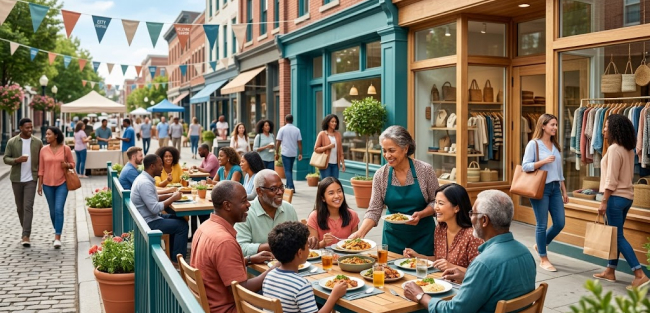
Communities that strategically place fan festivals within commercial districts can create a direct connection between visitor traffic and local economic activity.
| Community Benefit | Potential Economic Impact |
|---|---|
| Public viewing areas | Increased foot traffic |
| Cultural programming | Longer visitor stays |
| Local vendor participation | Higher small business revenue |
| Family activities | Broader audience engagement |
| Downtown activation | Increased spending throughout the district |
The economic influence extends beyond event weeks. Positive experiences often encourage future travel, repeat visits, and stronger destination awareness.
Cities hosting large-scale fan festivals frequently report increased visibility for local businesses and attractions. For tourism organizations, this exposure can contribute to visitor growth long after the event concludes.
Building Community Identity Through Shared Experiences
Large sporting events have a unique ability to unite people from different backgrounds. Fan festivals amplify that effect by creating accessible gathering places where residents and visitors share common experiences.
Community engagement often becomes one of the most valuable outcomes.
During the World Cup, residents who may have little interest in attending matches can still participate in celebrations, cultural activities, and public events. Children gain exposure to international cultures. Local organizations connect with new audiences. Community groups find opportunities to showcase their work.
These experiences help strengthen civic pride and reinforce local identity.
Many successful fan festivals include partnerships with schools, nonprofit organizations, arts groups, and youth sports programs. The result is a more inclusive event environment that reflects the broader community rather than focusing solely on competition.
This community-centered approach aligns with many of the principles discussed in sports tourism development, where long-term benefits become a key measure of success.
Public Spaces Gain New Value During Major Events
Fan festivals demonstrate how public spaces can support community goals.
Parks, plazas, waterfronts, and downtown gathering areas often become focal points during major sporting events. Temporary programming introduces residents to spaces they may not regularly visit and encourages new patterns of community use.
Many cities have discovered that these spaces continue attracting visitors after the event ends.
Public investments in seating areas, landscaping, accessibility improvements, technology infrastructure, and pedestrian enhancements frequently remain in place long after the festival concludes. These improvements contribute to stronger public spaces that benefit residents throughout the year.
The relationship between event programming and public space activation has become an important topic within destination planning. Organizations such as the National Recreation and Park Association have highlighted the role that parks and community spaces play in supporting social connection, recreation, and economic activity.
Fan festivals provide a practical demonstration of these concepts in action.
Creating Opportunities for Local Businesses and Organizations
A well-designed fan festival creates opportunities for participation that extend far beyond tourism agencies and event organizers.
Local restaurants can introduce visitors to regional cuisine. Retail businesses gain access to larger audiences. Community organizations can raise awareness of their missions. Artists and performers receive valuable exposure.
This broader participation helps distribute benefits more evenly across the community.
Many event organizers now prioritize vendor programs that feature locally owned businesses. These efforts allow visitors to experience a destination’s character through its food, products, and cultural offerings.
The approach also supports economic resilience by encouraging spending within the local economy.
| Festival Feature | Community Outcome |
| Local food vendors | Increased business visibility |
| Community booths | Public awareness opportunities |
| Cultural performances | Celebration of local identity |
| Youth activities | Family participation |
| Volunteer programs | Stronger civic engagement |
The result is an event experience that feels connected to the host community rather than imported from elsewhere.
Fan Festivals as a Long-Term Community Strategy
The growing popularity of fan festivals reflects a larger shift in how communities approach major sporting events.
Success is increasingly measured through resident participation, community impact, and long-term outcomes rather than attendance figures alone. Cities want events that create lasting value, strengthen local identity, and generate opportunities for businesses and organizations throughout the community.

The World Cup initiatives announced in New York during 2026 illustrate how this philosophy is shaping modern event planning. Free public viewing events expand access, encourage participation, and help residents feel connected to a global event taking place in their region.
As communities continue investing in sports tourism and destination development, fan festivals are likely to remain an important part of the strategy. Their ability to combine economic activity, cultural celebration, public space activation, and community engagement makes them one of the most effective tools available for creating meaningful local impact from major sporting events.
