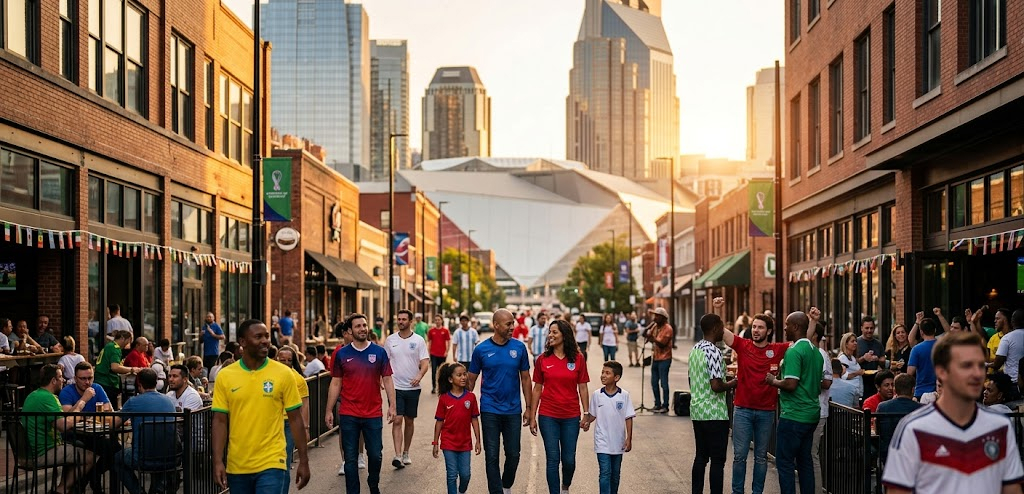
Major sporting events generate excitement that extends far beyond the competition itself. From attracting international visitors to showcasing local culture, these events offer communities a unique opportunity to strengthen their economies and raise their global profile. However, the most successful host cities understand that the real value of sports tourism lies not in a few weeks of activity, but in the long-term benefits that can continue for years after the final match.
As the 2026 FIFA World Cup unfolds across North America, host cities throughout the United States are already focusing on strategies that transform short-term visitor spending into sustainable economic growth. Cities such as Kansas City, Atlanta, Houston, Seattle, and Philadelphia have invested heavily in infrastructure, destination marketing, and community initiatives designed to maximize the tournament’s impact.
This approach reflects a broader shift in sports tourism planning. Rather than measuring success solely by attendance figures or hotel occupancy during an event, communities are increasingly evaluating how major competitions can contribute to future tourism, business investment, workforce development, and quality of life.
Why Sports Tourism Extends Beyond Event Week
Large-scale sporting events often bring immediate economic benefits. Visitors spend money on accommodations, dining, transportation, entertainment, and retail purchases. Local businesses experience increased demand, while tourism organizations gain valuable exposure in domestic and international markets.
The challenge for host cities is ensuring that these benefits do not disappear once visitors return home.
According to data from the U.S. Travel Association, sports-related travel continues to be one of the strongest drivers of tourism growth in the United States. Communities that successfully leverage major events often develop long-term tourism campaigns that encourage repeat visits and attract new travelers who discovered the destination during the event.
The most effective strategy involves integrating sports tourism into broader economic development plans. This includes promoting cultural attractions, outdoor recreation opportunities, local businesses, and future events that encourage visitors to return.
How World Cup Host Cities Are Planning for Long-Term Growth
The 2026 FIFA World Cup represents one of the largest tourism opportunities in recent U.S. history. Millions of fans are expected to travel throughout North America during the tournament, providing host cities with unprecedented visibility.
Rather than focusing exclusively on matchday operations, many cities have developed legacy plans that emphasize lasting community benefits.
| Host City Strategy | Long-Term Objective |
|---|---|
| Infrastructure improvements | Enhanced transportation and visitor mobility |
| Destination branding campaigns | Increased future tourism demand |
| Community engagement programs | Stronger local participation and pride |
| Small business support initiatives | Expanded economic opportunities |
| Workforce development efforts | Sustainable job creation |
Kansas City has become a notable example of this approach. Local tourism leaders have emphasized the importance of converting World Cup visitors into future travelers by highlighting regional attractions, cultural districts, restaurants, and entertainment venues throughout the metropolitan area.
This broader focus recognizes that international exposure can reshape perceptions of a destination and create new opportunities for growth long after the tournament concludes.
Infrastructure Investments Create Lasting Value
One of the most significant benefits associated with major sporting events is the acceleration of infrastructure projects.
Transportation improvements, public space enhancements, pedestrian-friendly districts, and venue upgrades often serve residents long after visitors leave. These investments can improve accessibility, strengthen local connectivity, and support future tourism initiatives.
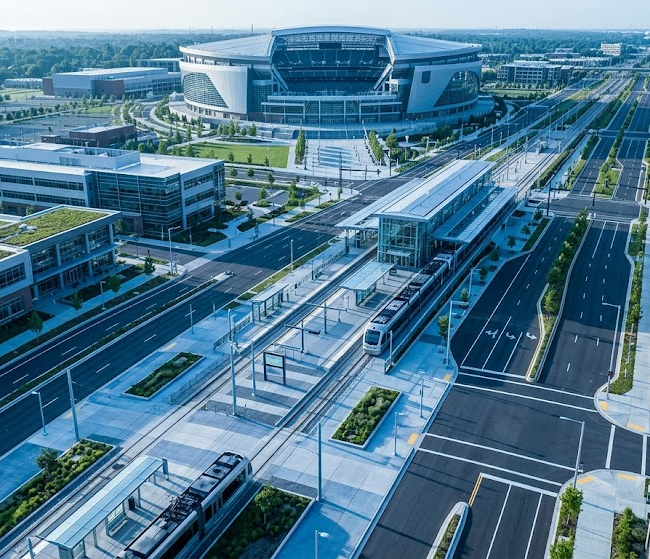
Cities preparing for the World Cup have invested in projects designed to accommodate increased visitor demand while also addressing long-term community needs. Improved transit systems, upgraded roadways, and enhanced public gathering spaces contribute to a more attractive environment for residents, businesses, and future visitors.
Infrastructure improvements also support future event attraction efforts. Communities with modern facilities and efficient transportation networks are often better positioned to host conventions, festivals, tournaments, and other tourism-generating activities.
These investments align closely with broader sports event planning strategies that prioritize community benefits alongside economic outcomes.
Destination Branding Shapes Future Tourism Demand
Hosting a globally recognized sporting event provides cities with an opportunity that traditional marketing campaigns rarely achieve. International broadcasts, media coverage, and social media exposure place destinations in front of millions of potential visitors.
For many communities, the tournament serves as a large-scale branding initiative.
Cities that effectively showcase their culture, attractions, and visitor experiences can strengthen their position in the tourism marketplace. Positive visitor experiences often generate valuable word-of-mouth marketing that influences future travel decisions.
Destination marketing organizations increasingly view major sporting events as opportunities to tell a broader story about their communities. Rather than focusing solely on stadiums or venues, they promote museums, parks, historic districts, culinary experiences, and entertainment options that encourage extended stays.
This approach helps convert event-related awareness into long-term tourism demand.
Supporting Local Businesses Through Visitor Spending
The economic impact of sports tourism extends beyond hotels and event venues. Restaurants, retailers, transportation providers, and service-based businesses all benefit from increased visitor activity.
Communities that proactively support local businesses are often better positioned to retain these economic benefits.
Many World Cup host cities have developed initiatives designed to connect visitors with locally owned establishments. These efforts encourage spending throughout the community rather than concentrating economic activity in limited areas.
The benefits can be substantial.
| Business Sector | Potential Long-Term Impact |
| Hospitality | Increased future bookings |
| Restaurants | Expanded customer awareness |
| Retail | Higher visitor spending |
| Entertainment | Greater destination appeal |
| Transportation | Improved service demand |
By creating positive visitor experiences across multiple sectors, communities can strengthen their reputation as desirable travel destinations.
Community Engagement Strengthens Event Legacy
Economic benefits alone do not define the success of a major sporting event. Community participation often plays an equally important role in shaping long-term outcomes.
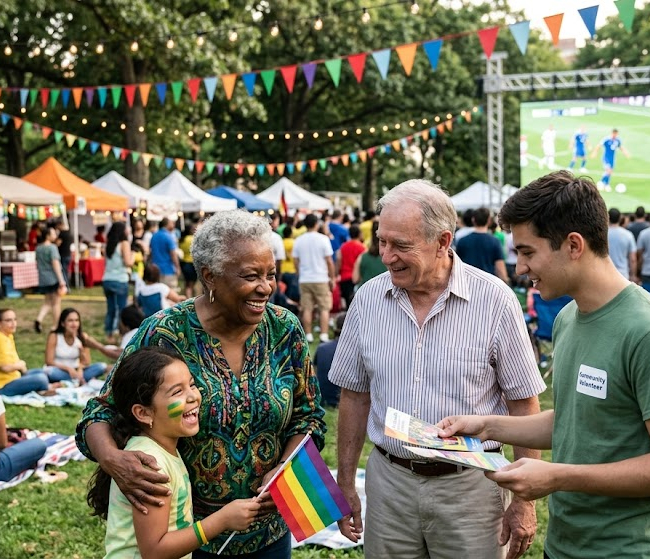
Many host cities have organized fan festivals, public viewing events, volunteer programs, youth sports initiatives, and cultural celebrations connected to the World Cup. These activities help residents feel connected to the event while creating opportunities for civic engagement.
Strong community involvement can generate lasting pride and reinforce local identity. It also helps ensure that the benefits of hosting extend beyond tourism organizations and large venues.
When residents view an event as a community asset rather than a temporary disruption, support for future tourism and economic development initiatives often increases.
This collaborative approach can create stronger partnerships among local governments, businesses, nonprofit organizations, and tourism leaders.
Positioning Communities for Future Opportunities
The most successful sports tourism strategies recognize that a major event should serve as a beginning rather than an endpoint.
World Cup host cities are increasingly using the tournament as a platform for attracting future events, encouraging business investment, and enhancing community development efforts. The exposure generated by international sporting competitions can help destinations compete more effectively for conferences, festivals, tournaments, and other tourism-related opportunities.
As communities continue evaluating the impact of the 2026 FIFA World Cup, the cities that achieve the greatest success will likely be those that focus on long-term planning rather than short-term gains.
By combining infrastructure improvements, destination branding, business support initiatives, and community engagement programs, host cities can transform a few weeks of competition into years of economic growth and tourism development. The legacy of a major sporting event is ultimately defined not by what happens during the tournament, but by the opportunities it creates for the future.
