
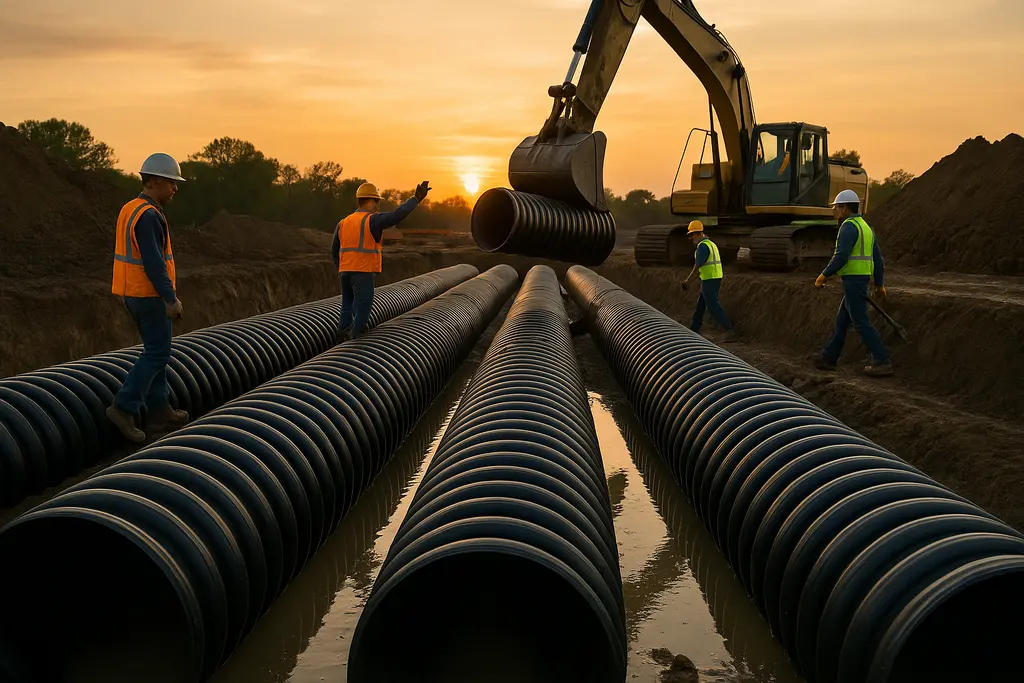
Richland Infrastructure Projects are moving from policy discussion to neighborhood-level impact, with the Hickory Ridge stormwater work standing out as the clearest local example. Richland County received a $9 million grant from the South Carolina Rural Infrastructure Authority’s South Carolina Infrastructure Investment Program to rehabilitate and replace the drainage system in the Hickory Ridge development, a project expected to benefit about 90 households and begin construction in spring 2025, according to ABC Columbia.
For residents, this is not an abstract infrastructure announcement. Drainage systems affect streets, yards, emergency access, property maintenance, and the daily confidence that public facilities can handle heavy rain. For county leaders and the business community, the same work also connects to larger questions: how infrastructure dollars are targeted, how public projects support stability, and how residents can track results after grants are awarded.
Richland Infrastructure Projects Put Stormwater First
Hickory Ridge Grant Details
The Hickory Ridge project gives Richland County a specific place to measure what public infrastructure funding can do. The grant identified by ABC Columbia is tied to rehabilitation and replacement of a drainage system serving a defined residential area, rather than a broad countywide program with unclear boundaries. That matters for civic accountability because residents can ask direct questions about design timing, construction start dates, road access, stormwater handling during construction, and how the county will communicate with households during the work.
Richland Infrastructure Projects should be judged partly by whether residents know what is happening before equipment arrives. A grant award is only one step. Public notice, construction sequencing, drainage planning, and follow-up maintenance determine whether the public sees the value of the investment. The research available for this article supports the $9 million grant amount, the Hickory Ridge location, the household estimate, and the expected spring 2025 construction start. It does not provide a full construction schedule, contractor information, or final completion date, so those details should be confirmed through county updates as the project advances.
Why Drainage Work Matters
Stormwater work often receives less public attention than road widenings or new buildings, but it can carry major quality-of-life and economic effects. Poor drainage can disrupt commuting, slow school routes, damage public rights of way, and create recurring costs for homeowners. Better drainage can reduce those routine disruptions, though the exact effect in Hickory Ridge will depend on project design, construction quality, and long-term maintenance.
For readers who want a closer local companion piece on the same county infrastructure topic, our prior coverage of Richland County infrastructure work connects the Hickory Ridge grant with public works issues residents can continue tracking. Readers interested in broader community infrastructure initiatives can also check out Houston LWS Forum, a related site in the same network.
Economic Impact Signals For Richland County
What The RIA Study Adds
The South Carolina Rural Infrastructure Authority has also pointed to a broader economic impact study prepared by the ACEC-SC Infrastructure Works Institute in partnership with the University of South Carolina’s Darla Moore School of Business, according to the agency’s economic impact study notice. The study is relevant locally because it frames infrastructure spending as more than a construction expense. It links public investment to economic activity, job support, and the public systems that allow communities to grow.
That statewide framing should be used carefully in Richland County. A study can help residents understand why water, sewer, drainage, and related systems matter for the economy, but it does not replace project-by-project accountability. Richland Infrastructure Projects need both perspectives: a broad economic case for investment and a local record of what was built, who was served, and whether the work solved the stated problem.
Jobs, Contractors, And Public Services
Infrastructure spending can support engineers, construction firms, equipment suppliers, inspectors, and public agencies. It can also affect private investment decisions when businesses evaluate whether roads, utilities, drainage, and public services can support operations. The RIA-linked study gives civic and business groups a reason to treat infrastructure as an economic development issue, not only as a maintenance issue.
Still, local benefit is not automatic. Public agencies and contractors have to manage schedules, budgets, procurement rules, and communication with affected neighborhoods. Small firms also need time to prepare for public-sector opportunities. Richland County business owners interested in procurement and readiness may find related context in our reporting on Richland small business support, especially where county contracting and training intersect with public investment.
How Residents Can Track The Work
Questions For Public Meetings
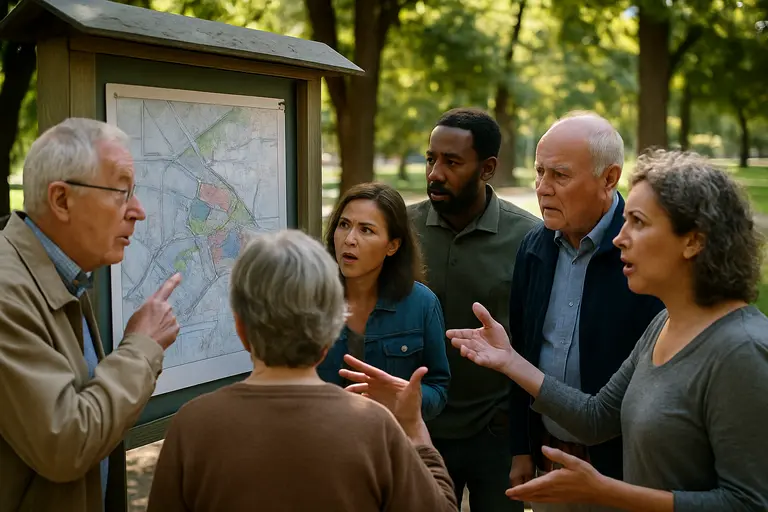
Residents do not need to wait until construction begins to engage. Infrastructure grants are public investments, and the most useful civic questions are practical. They focus on timelines, communication, project limits, and measurable results. In Hickory Ridge, the available reporting identifies a grant amount and a projected construction start, but residents will need county-level updates for details such as construction phases, traffic effects, drainage tie-ins, and contact points for problems during the project.
- What streets, drainage lines, or easements are included in the Hickory Ridge work?
- When will residents receive construction notices, and how will schedule changes be shared?
- How will access for mail, emergency vehicles, school transportation, and waste pickup be maintained?
- What maintenance plan will follow once the drainage system work is complete?
- How will Richland County report whether the project delivered the intended stormwater improvements?
Those questions are not opposition to the project. They are how residents help public investments stay visible after the award announcement fades.
How Business Owners Can Prepare
Infrastructure work also deserves attention from the business community. Even a residential stormwater project can affect local suppliers, subcontractors, traffic routes, and service providers. Larger programs can create opportunities for firms that are ready to meet public procurement requirements, insurance standards, bonding expectations, and documentation rules. Richland Infrastructure Projects may therefore be relevant to companies that do not think of themselves as infrastructure firms at first glance.
Chambers, neighborhood groups, and civic associations can help by translating agency announcements into plain questions: What is funded? Where is it located? Who is eligible to bid or partner? What public meeting comes next? What residents will be affected? That is the difference between treating infrastructure as a distant government function and treating it as a shared local asset.
What Richland Infrastructure Projects Need Next
A Practical Local Scorecard
The next phase for Richland Infrastructure Projects should be measured through a local scorecard that residents can understand. For Hickory Ridge, that scorecard could include whether construction starts as scheduled, whether affected households receive timely notices, whether drainage performance improves after major rain events, and whether the county publishes clear updates as work advances.
Public infrastructure rarely produces instant results. It often involves engineering, easements, underground work, temporary disruption, and years of maintenance. That is why transparency matters. The $9 million Hickory Ridge grant gives Richland County a visible test case for how state infrastructure funds can support a specific neighborhood need. The RIA economic study gives residents and business leaders a wider reason to care about these investments. Together, they point to a practical civic task: follow the money, follow the schedule, and ask whether the completed work improves daily life for the people it was meant to serve.
