
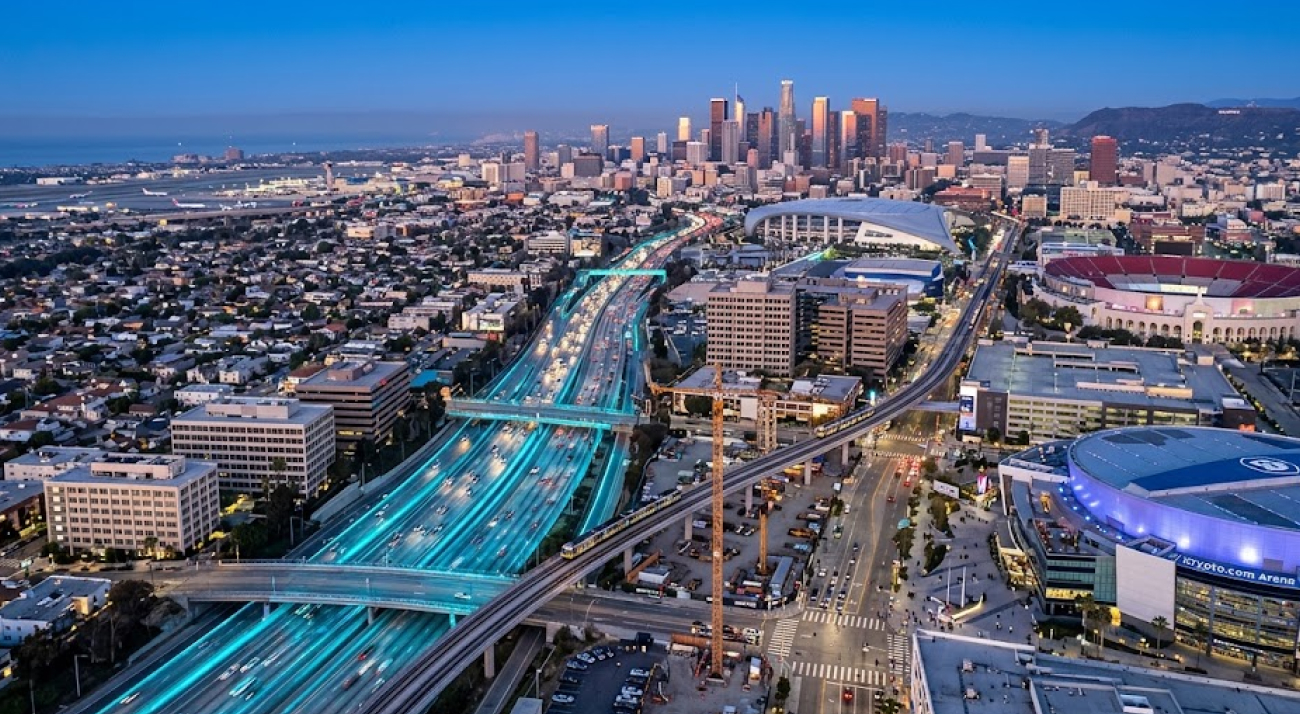
Los Angeles is approaching the 2028 Olympic and Paralympic Games with an economic proposition that could influence how American cities evaluate major sporting events for years to come. A new analysis released by the Los Angeles County Economic Development Corporation (LAEDC) on September 15, 2026, estimates that planning, preparing for, and hosting LA28 could generate between $20.5 billion and $40.6 billion in economic output across Greater Los Angeles while supporting approximately 126,000 to 224,000 jobs. The scale of those projections places the Games at the center of a much larger discussion about infrastructure, tourism, business development and the long-term value of hosting international sporting events.
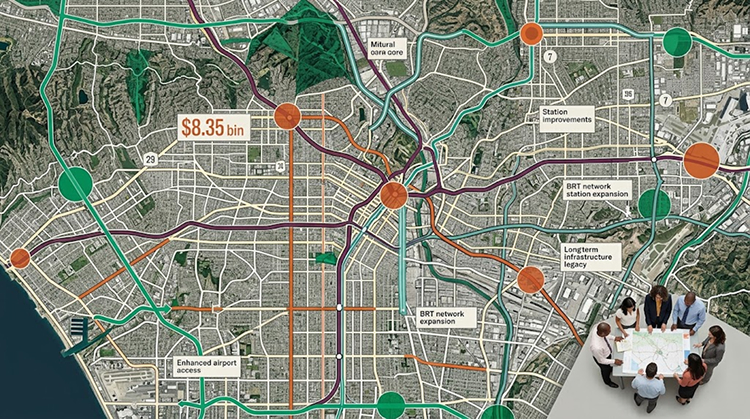
The report is especially significant because Los Angeles is pursuing a different Olympic model from many previous host cities. LA28 is using existing stadiums, arenas and temporary facilities rather than building new permanent competition venues. That strategy shifts much of the economic discussion away from stadium construction and toward transportation, accessibility, airport improvements, visitor spending and business participation. The LAEDC economic impact analysis estimates that approximately $8.35 billion in Games-related capital investment has been accelerated or undertaken in connection with the Olympics and Paralympics.
LA28 Is Building Its Economic Case Around Existing Assets
The most important feature of Los Angeles’ Olympic strategy may be what the city does not plan to build.
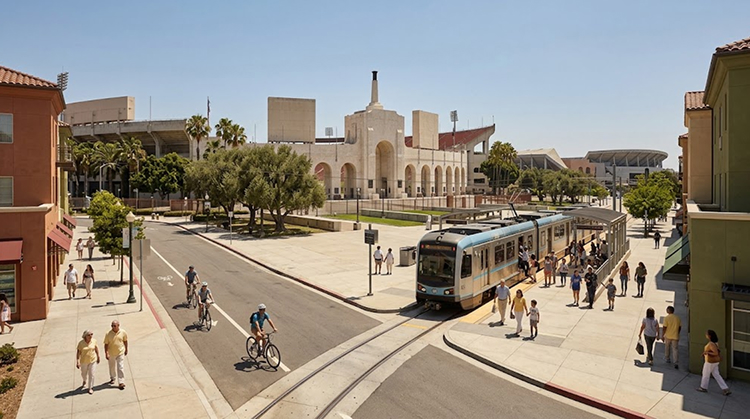
LA28 says the 2028 Games will be the first Olympics in 80 years to avoid constructing new permanent competition venues. Instead, events will be distributed across more than 40 venues throughout Los Angeles and Southern California, including the Los Angeles Memorial Coliseum, Dodger Stadium, Rose Bowl Stadium, Intuit Dome, SoFi Stadium, Long Beach venues and locations at the Port of Los Angeles.
That approach changes the financial structure of the event.
For cities that build expensive new stadiums specifically for an Olympics, the question after the closing ceremony becomes whether those facilities can attract enough events and visitors to justify their construction and operating costs. Los Angeles enters the Games with a mature professional sports and entertainment ecosystem already supporting many of its major facilities.
SoFi Stadium, for example, has already hosted the Super Bowl and will host FIFA World Cup matches in 2026 before becoming a major Olympic venue in 2028. The Memorial Coliseum has hosted the Olympics twice before, in 1932 and 1984. Dodger Stadium adds another established venue to the Olympic footprint.
The model therefore places greater emphasis on getting more value from infrastructure that already exists.
That distinction could become important for other U.S. cities considering major international sporting events. Rather than measuring the success of an event by the amount of new construction it creates, cities may increasingly examine whether an event can accelerate investments that were already needed.
The $8.35 Billion Infrastructure Opportunity Could Outlast The Games
Infrastructure is where the LA28 economic projection becomes more relevant to everyday economic development.
The LAEDC analysis identifies approximately $8.35 billion in Games-related capital investment as the largest single source of projected economic impact. Those investments include transportation, airports, mobility, accessibility and venue improvements. The objective is to create infrastructure capable of serving the Olympic audience while remaining useful to residents and businesses after 2028.
Los Angeles County Metropolitan Transportation Authority, better known as Metro, has been preparing a broad transportation program around the Games. Its Twenty-Eight by ’28 initiative includes 28 projects with a combined value of approximately $20 billion, covering rail, bus, active transportation and other mobility improvements. Metro currently reports 11 projects completed and 17 in progress.
Metro also expects the Games to generate approximately one million additional trips per day, placing enormous pressure on the region’s transportation system.
That pressure has created a reason to accelerate projects that could have taken considerably longer to complete. The North Hollywood-to-Pasadena Bus Rapid Transit project, for example, broke ground in April 2026 and is scheduled to be completed in time for the Olympics. The zero-emission bus corridor will connect North Hollywood, Burbank, Glendale, Eagle Rock and Pasadena.
The LA Metro 2028 transportation plan illustrates why Olympic infrastructure can have a broader economic role. Better transit can reduce travel times, improve access to jobs and make commercial districts easier to reach long after visitors leave.
For a region as geographically dispersed as Los Angeles, those effects could be more significant than the temporary increase in stadium attendance.
Visitor Spending Could Reach $4.3 Billion In Los Angeles County
The tourism component provides another major piece of the economic argument.
LAEDC estimates that approximately 2 million visitors could come to Greater Los Angeles for the Games. Their direct spending in Los Angeles County is projected at between $1.6 billion and $4.3 billion. Hotels, restaurants, retailers, transportation companies, entertainment businesses and other visitor-focused industries are positioned to capture a substantial share of that spending.
The range is intentionally broad because visitor behavior is difficult to predict several years before the Games.
Length of stay, international versus domestic visitors, hotel occupancy, ticket demand and spending patterns will all influence the final result. The lower and upper estimates should therefore be treated as scenarios rather than guaranteed revenue.
For local economic-development organizations, however, the larger opportunity may be the business relationships created before the Games.
A visitor who comes to Los Angeles for an Olympic competition can become a future customer for a hotel, restaurant, entertainment company or tourism destination. International exposure can also create new commercial connections for companies that never interact directly with the Olympics.
This is where organizations such as chambers of commerce can play a practical role. Regional business networks can help local companies prepare for increased demand, connect suppliers with larger contractors and create opportunities for businesses that might otherwise remain outside the event’s procurement ecosystem. For communities pursuing similar strategies, Richland Chamber business resources provide an example of how business-support organizations can connect economic development with local companies.
LA28 Is Putting Local Businesses Into The Procurement Strategy
The Olympic economic model becomes more interesting when procurement is considered alongside visitor spending.
LA28 has established a target for 75% of addressable procurement spending to go to businesses in Greater Los Angeles, with 25% directed to small businesses. The organizing committee has described procurement as one of its primary mechanisms for creating economic opportunities beyond the venues themselves.
That policy could spread Olympic-related economic activity across a much wider group of businesses.
The supply chain for an event of this size extends far beyond sports organizations. Event production, construction, transportation, technology, marketing, security, hospitality, professional services and creative industries can all participate.
LA28 is also creating more direct opportunities for neighborhood businesses.
In September 2026, the organizing committee opened applications for its L.ocal A.uthentic Program, which is intended to bring hundreds of small food businesses, food trucks, mobile vendors and family-run operations into the Games’ food and beverage strategy. Applications opened September 10 and run through November 16.
This approach could matter because the economic impact of a mega-event is often concentrated in businesses closest to major venues unless organizers deliberately create broader participation.
A restaurant located several miles from an Olympic venue may never receive a visitor unless transportation, tourism marketing and procurement strategies connect it to the event.
LA28’s procurement targets attempt to address that issue before the Games begin.
The Tax Impact Could Add Another Layer To The Economic Case
The LAEDC study estimates that economic activity associated with LA28 could generate between $5.1 billion and $5.9 billion in combined federal, state and local tax revenue across Greater Los Angeles.
That projection is important because tax revenue provides a different measurement from gross economic output.
Economic output represents the value of activity generated throughout the regional economy. Tax revenue represents the portion of that activity that could flow to government through different tax mechanisms.
The two figures should therefore not be treated as interchangeable.
The distinction also illustrates why economic impact studies require careful interpretation. LAEDC used two methodologies in its analysis. One follows a National Income Accounting framework recommended by the International Academy of Sport Science and Technology and focuses on net injections of externally sourced spending. The second uses the IMPLAN regional input-output framework to estimate gross economic activity and related industry and tax effects.
That methodological difference helps explain the wide $20.5 billion-to-$40.6 billion output range.
The numbers represent modeled scenarios rather than money already sitting in a government account.
For policymakers and business leaders, the more useful question is therefore what assumptions produce each scenario and which investments remain valuable if visitor spending or other Olympic activity comes in below expectations.
Transportation Could Become The Most Visible Olympic Legacy
Los Angeles’ transportation system may ultimately provide the clearest test of whether the Olympic economic strategy produces a lasting benefit.
The region has spent decades addressing congestion, limited transit access and long travel distances between residential communities and employment centers. The Olympics create a fixed deadline for many of those improvements.
Metro’s strategy includes bus-only lanes, bicycle infrastructure, pedestrian improvements, mobility hubs, rail improvements and expanded zero-emission transportation. The agency’s goal is for ticketed spectators to reach competition venues through public transit, walking or cycling.
The economic implications extend beyond Olympic visitors.
A faster bus route can benefit workers commuting every day. A safer pedestrian connection can support neighborhood businesses. A new rail station can increase access to employment centers. Improved airport connections can benefit tourists and residents alike.
That is why the legacy value of transportation investment may prove more significant than the short-term visitor spending generated during the Games.
The event creates the deadline, but the infrastructure can continue producing economic value for decades.
A No-Build Olympics Could Change How Cities Measure Mega-Events
Los Angeles’ approach presents a useful contrast to the traditional mega-event model.
Historically, Olympic hosting has often been associated with major stadium construction, new athlete facilities and large urban redevelopment programs. Los Angeles is instead relying heavily on infrastructure that was already planned or already exists.
That reduces the need for new permanent sports venues while increasing the importance of transportation, accessibility and visitor systems.
It also means that the success of LA28 will be judged across a wider set of measurements.
| Economic Measure | LA28 Projection Or Strategy |
|---|---|
| Economic output | $20.5B–$40.6B |
| Jobs supported | 126,000–224,000 |
| Games-related capital investment | $8.35B |
| Direct Los Angeles County visitor spending | $1.6B–$4.3B |
| Combined federal, state and local tax revenue | $5.1B–$5.9B |
| Expected visitors | Approximately 2 million |
| LA28 regional procurement target | 75% |
| LA28 small-business procurement target | 25% |
These figures provide a framework for evaluating whether the Games deliver economic value, but they should eventually be compared with actual results after 2028.
The most important measurement may be the gap between projected and realized benefits.
Did infrastructure projects finish on time? Did small businesses receive meaningful contracts? Did visitors spend beyond the competition venues? Did transportation improvements remain useful? Did neighborhoods experience measurable commercial growth?
Those questions will provide a more complete picture than headline economic-output numbers alone.
Los Angeles Could Create A New Benchmark For Sports Tourism
Los Angeles already has one of the deepest sports and entertainment ecosystems in the United States. The Olympics arrive after years of investment in professional stadiums, arenas, transportation infrastructure and tourism assets.
The city will also host the FIFA World Cup in 2026 before the Olympics arrive two years later, creating an unusually concentrated period of global sporting attention.
That sequence could allow businesses and government agencies to test systems before the Olympic deadline.
Hotels, transportation providers, restaurants, security companies, event operators and tourism organizations will already have experience dealing with a large international sports audience. The lessons from 2026 can then inform preparations for 2028.
The result could be a broader regional sports-tourism strategy rather than two disconnected mega-events.
For cities across the United States, that may be one of the most valuable lessons from Los Angeles.
A successful sporting event does not have to be an isolated weekend or tournament. It can become part of a larger calendar that connects visitor spending, business development, infrastructure investment and destination marketing.
The $40.6 Billion Projection Is Really A Test Of Long-Term Value
The headline number attached to LA28 is striking: up to $40.6 billion in economic output and as many as 224,000 jobs supported across Greater Los Angeles. But the significance of the new LAEDC analysis goes beyond the size of the projection.
Los Angeles is effectively testing whether a mega-event can generate substantial economic activity without relying on a massive program of new permanent sports construction.
The strategy is built around existing venues, accelerated transportation projects, visitor spending, local procurement and infrastructure that is intended to remain useful after the Games.
That makes the Olympics an economic-development experiment as much as a sporting event.
If the projections translate into measurable gains for businesses, workers, transportation users and communities, Los Angeles could provide a model for future American host cities. If the benefits are more concentrated or temporary than projected, the experience will offer a different lesson about the limits of mega-event economics.
The real economic scorecard will therefore emerge after the medals have been awarded. The lasting test will be whether the billions invested and spent around LA28 leave behind a stronger transportation network, more competitive local businesses, greater tourism capacity and infrastructure that continues serving Southern California after the Olympic spotlight moves elsewhere.
