
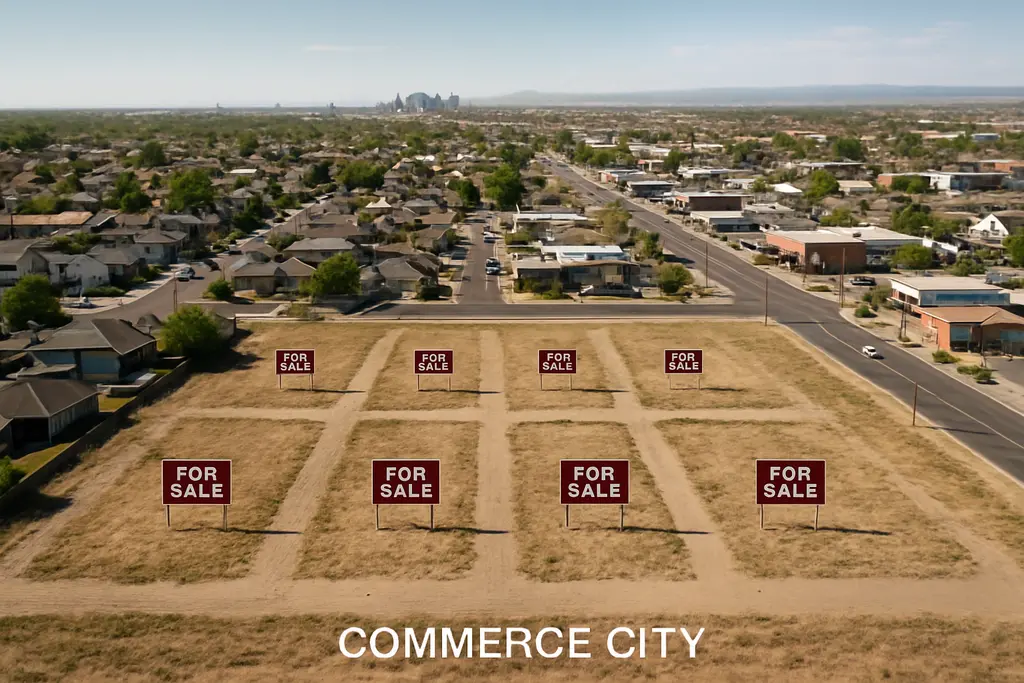
Commerce City’s Data Center Moratorium creates a clear pause for one fast-growing class of industrial development while city officials work on rules that are not yet spelled out in local code. According to SpyGov’s Commerce City data center file, the City Council adopted a six-month moratorium on accepting or processing permit applications, zoning applications, and site development plan applications where a data center is included as the primary purpose. The pause is scheduled to begin on September 22, 2026, and expire on March 22, 2027, unless the city extends it or replaces it with new regulations.
For Commerce City businesses, the most practical question is not whether data centers are good or bad. The near-term issue is timing. Developers, landowners, contractors, utility providers, engineering firms, and suppliers now have a defined period in which new data center applications are not expected to move through the city’s normal review channels. That affects project calendars and could influence investment decisions before the city finishes writing dedicated standards.
What The Data Center Moratorium Does
Data Center Moratorium Timing
The six-month window matters because it gives Commerce City staff time to address a gap in the city’s Land Development Code. SpyGov reports that the purpose of the ordinance is to allow staff to develop dedicated regulations, definitions, and zoning standards for data centers, which are not specifically addressed in the current code. That means the council action is less a permanent rejection of the use and more a temporary hold while the city decides how data centers should be defined, reviewed, and regulated.
The City Council vote was 7-1 in favor of the ordinance, according to SpyGov’s published account. The action followed an August 17, 2026, motion directing that a study session be scheduled on regulating data centers. That sequence is worth noting for residents and businesses because it shows the city is treating the issue as a land-use policy matter rather than only as an individual development question.
Applications Affected By The Pause
The Data Center Moratorium does not apply to every kind of industrial activity. The reported restriction is tied to permit applications, zoning applications, and site development plan applications where a data center is the primary purpose. Based on the supplied research, new data center projects or expansions that require those approvals would be delayed until at least March 22, 2027, unless the city takes action sooner through new regulations.
The available research does not state how many data center proposals were pending or being discussed before the council action. That uncertainty is important for business planning. If only a small number of projects were in early review, the short-term effect may be limited. If several land deals, utility talks, or design contracts were being shaped around data center use, the pause could have a wider effect on firms tied to preconstruction work.
Business Effects Before March 22, 2027
Construction And Supplier Demand
Data centers can create demand for site work, electrical systems, cooling systems, backup power, engineering, materials, and specialized construction. The research provided for this article indicates that the moratorium may stall investment in data-center-based infrastructure during the six-month period. That does not mean all industrial work in Commerce City stops. It means firms tied specifically to new data center approvals may face delayed revenue if their work depended on projects entering the city review process after September 22, 2026.
For small and mid-sized contractors, timing can matter as much as project size. A delayed site development plan can push design work, equipment orders, subcontractor scheduling, and hiring decisions into a later quarter. Suppliers may also become more cautious about reserving inventory or workforce capacity for projects that cannot yet advance through city approvals.
Land And Capital Decisions
Developers considering data center uses may defer land acquisitions, capital investments, or utility agreements until Commerce City provides clearer rules. That is a likely business response identified in the research. It is also a familiar pattern in land-use policy: when a city pauses a specific use, buyers and sellers often wait to see whether future zoning standards will change project costs, site requirements, or review risk.
The temporary pause may also shift attention toward other industrial uses, including light industrial, warehousing, or non-data industrial activity. The supplied research identifies that as a possible outcome. For Commerce City, that could mean some landowners continue marketing sites for other uses while data center rules are under review. It could also mean that businesses not connected to data centers see less disruption than firms that were counting on that sector for new work.
Planning Questions For Local Employers
Utility And Infrastructure Considerations
Utility demand is one of the practical business issues behind many data center debates. The research notes that businesses providing electric, water, cooling, and backup power services may see reduced short-term demand growth because new data center approvals are delayed. If Commerce City later adopts stricter standards involving power sources, water use, or similar infrastructure issues, those rules could affect compliance costs and project design.
That does not mean Commerce City has adopted those standards. The supplied research only states that the city is using the six-month period to develop definitions and zoning standards. Until draft language is released, businesses should avoid assuming what the final rules will say. A prudent step for affected employers is to document current project assumptions, track city materials as they are published, and identify which parts of a project schedule depend on city approvals.
Fiscal Timing For Public Services
The fiscal issue is also about timing. The research notes that data centers often generate revenue through property taxes on land and infrastructure and sales or use taxes on equipment. Delays in new approvals could defer those revenue streams for the city and county. The available research does not provide a dollar estimate for Commerce City, so any revenue effect should be treated as uncertain until project-specific information or city fiscal analysis is available.
For residents, the civic question is how Commerce City balances near-term revenue opportunities against the need for clear rules. A six-month pause can create uncertainty for private investment, but it can also give the city time to define expectations before approving large facilities. That tradeoff is central to the local economic impact of the ordinance.
Civic Process And Regulatory Clarity
What Businesses Can Watch
Commerce City’s next civic step, based on the research, is staff work on dedicated data center regulations, definitions, and zoning standards. The research does not provide a date for a public hearing or final vote on replacement regulations. Business owners, property owners, and residents should therefore watch for city agendas, study session materials, and draft ordinance language before making firm assumptions about what will be allowed after March 22, 2027.
For companies with active plans, the key questions are practical:
- Does the proposed use qualify as a data center as the city defines it?
- Will the project require a permit, zoning application, or site development plan during the pause?
- Could the project proceed under a different primary use, or would that conflict with the ordinance’s intent?
- What utility, water, cooling, or backup power assumptions should be revisited before new rules are adopted?
- How would a longer pause or new standards affect financing, land contracts, and construction timelines?
Those questions should be answered through official city materials and project counsel, not through rumor. For readers who track civic and business issues across this publishing network, the Houston LWS Forum website offers a related place to follow local-government decisions in other communities.
Why Predictability Matters
The Data Center Moratorium creates short-term uncertainty, but it may also lead to more predictable review standards if Commerce City completes the rulemaking work before the expiration date. Predictability can matter to both sides of a development question. Developers want to know what standards apply before they spend on land, engineering, and power agreements. Residents and nearby businesses want to know how large facilities will be reviewed and what conditions may apply.
That is why the period between September 22, 2026, and March 22, 2027, will be watched closely by more than data center companies. Industrial brokers, chambers, contractors, utilities, and public finance observers all have a stake in whether the city replaces the pause with clear, workable standards.
Commerce City Data Center Moratorium
The Data Center Moratorium gives Commerce City a defined period to write rules for a use that its code does not yet specifically address, according to the supplied research. The economic impact will depend on factors not yet available publicly in the research, including the number of affected projects, the size of any delayed investment, and the standards the city eventually adopts.
For now, the most grounded reading is straightforward: new qualifying data center applications are delayed beginning September 22, 2026; the pause is scheduled to end March 22, 2027; and city staff are expected to use the period to prepare definitions and zoning standards. For local businesses, the best response is to plan around that timeline, monitor the civic process, and separate confirmed city action from assumptions about what the final rules may require.
