
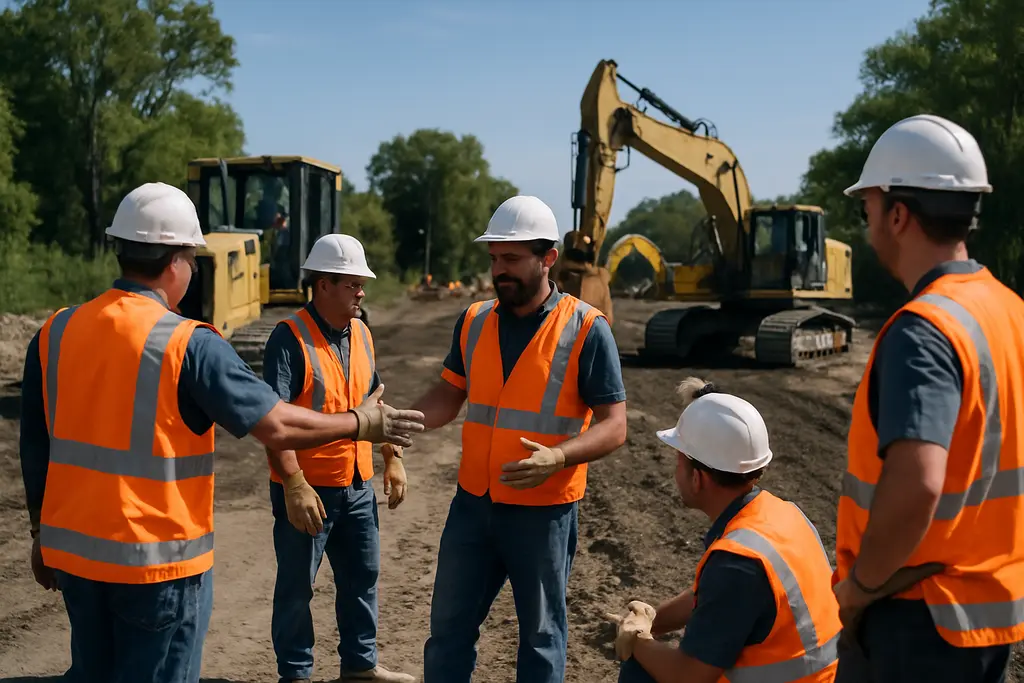
Pender County infrastructure work is entering a practical phase for residents: some projects are already under construction, some are in design, and some are being shaped through public meetings. As of September 11, 2026, the local picture includes the U.S. 17 Hampstead Bypass, intersection planning in Surf City and Burgaw, school-related work on N.C. 210, multi-use path design, and park-focused public input sessions.
The common thread is safety. Road widening, turn lanes, proposed roundabouts, drainage work, traffic signals, and pedestrian connections all point to the same civic question: how should Pender County manage growth while keeping daily travel workable for families, school traffic, emergency responders, workers, and small businesses?
Pender County Infrastructure Moves From Plans To Work
Why Pender County Infrastructure Is A Safety Issue
The county’s growth pressures show up most clearly at intersections, school access points, and corridors where local traffic mixes with regional travel. NCDOT lists the U.S. 17 Hampstead Bypass, Project R-3300, as under construction, with Segment A running from N.C. 140 to N.C. 210 and Segment B extending from N.C. 210 north of Hampstead; the project page lists a total estimated cost of $490 million on the U.S. 17 Hampstead Bypass project page.
That scale matters for more than commute times. A bypass can change how drivers reach schools, businesses, medical appointments, churches, parks, and coastal destinations. It can also shift pressure onto roads that were not designed for heavier turning movements or faster traffic patterns. For civic leaders, the safety task is not only building the main road, but also watching the local connections that feed into it.
What Has Already Happened In 2026
Several public-facing steps have already occurred. NCDOT held a public meeting on March 2, 2026, at Surf City Town Hall for the N.C. 210 / N.C. 50 and Belt Road intersection project, according to the research notes. That meeting reviewed proposed improvements that included turn lanes, a median, and a new traffic signal intended to improve traffic flow.
Pender County’s calendar also listed a Long Creek Community Park public input session for September 10, 2026, from 4 p.m. to 6 p.m. Because that date has passed as of September 11, 2026, the next civic step is not attendance at that session, but follow-up: residents can look for county staff updates, project notes, or later board discussion that may reflect comments gathered there.
Road Projects Shaping Daily Travel
Hampstead Bypass Sets The Scale
Among current projects, the Hampstead Bypass remains the largest and most visible. The research notes state that completed segments are expected to open in late 2027 for Segment A. That timing places the project in a period where construction impacts and future traffic benefits are both relevant to households and employers.
For Richland-area readers who follow county-level infrastructure decisions, the bypass is a reminder that transportation work rarely affects only one town. A project centered in Hampstead can influence countywide travel expectations, school planning, contractor routes, and commercial access. Related regional civic coverage can also be followed through County Watchers, a site in the same network focused on public issues across local communities.
Intersections Remain A Local Focus
Intersection planning is another major part of the Pender County infrastructure picture. Project R-5899 concerns proposed improvements at N.C. 210 and Watts Landing Road in Surf City, including a proposed roundabout. An October 29, 2024 traffic forecast addendum by HNTB North Carolina, P.C. accounts for projected development south of Watts Landing Road in the R-5899 traffic forecast addendum.
The research notes also identify Project R-5701, a future-oriented proposal to convert the U.S. 117 Business and N.C. 53 intersection in downtown Burgaw into a roundabout. The forecast work covers 2023 base-year volumes and 2050 projected volumes. That long view is useful because downtown intersections serve more than vehicles; they affect walkability, business frontage, delivery access, emergency movement, and driver expectations near civic buildings.
Paths, Schools, And Community Access
Multi-Use Path Planning Connects Public Spaces
The Country Club Drive Multi-Use Path, Project BL-0154, is described in the research notes as a 3.91-mile connection from Kiwanis Park to the Topsail Schools complex through Jenkins Road, North St. John’s Church Road, and Country Club Drive, including a crossing of U.S. 17. The design phase is funded through STBG and Carbon Reduction/Direct Attributable funds, with an RFLOI released three months before the research was compiled.
That type of project has a different public value than a highway expansion. It can give students, families, and park users another way to move through a growing part of the county. It also asks residents to think about crossings, lighting, maintenance, and how path access should connect to schools without creating new safety concerns at drop-off and pickup times.
School Traffic Work Carries A Short-Term Cost
N.C. 210 near U.S. 17 in Hampstead is also seeing school-related road work tied to construction of a new Pender County K-8 school, according to the research notes. Crews were scheduled to widen N.C. 210, add turn lanes, and install drainage piping, with lane closures from 9 a.m. to 4 p.m. Monday through Thursday starting July 20, 2026. Work was expected to be complete by early November 2026, weather permitting.
That schedule places the work in the daily routines of families and school employees. The short-term disruption is real, but the purpose is also clear: roads serving new school facilities need turning capacity and drainage before full school traffic patterns settle in. Readers tracking the school side of the issue can review local coverage of Pender County Schools facility planning.
Public Input Dates And Civic Follow-Through
September Engagement Shifted From One Park To The Next
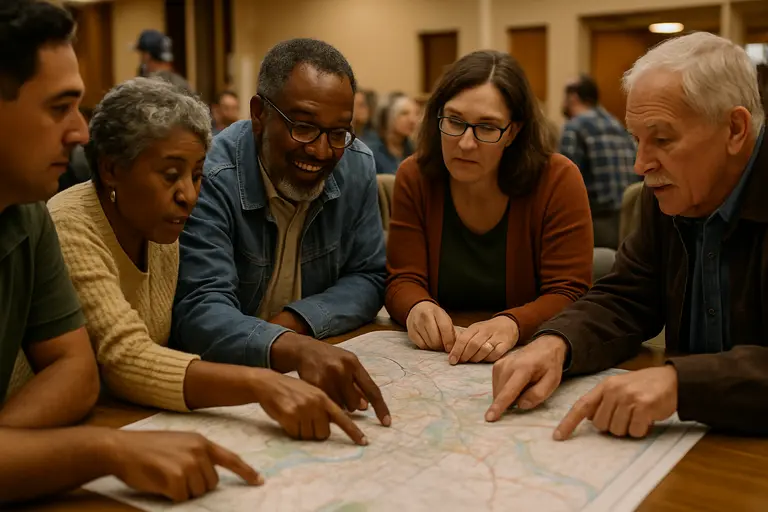
Public engagement is not a side item for Pender County infrastructure; it is where residents can place specific concerns on the record. The Long Creek Community Park input session was scheduled for September 10, 2026, and has now passed. The Maple Hill Community Park Community Engagement session was scheduled for September 17, 2026, from 4 p.m. to 6 p.m. at the Maple Hill Volunteer Fire Department, according to the research notes.
Because the Maple Hill date had not occurred as of September 11, 2026, residents still had an opportunity to raise practical questions. Those questions could include access, parking, drainage, safety near nearby roads, maintenance expectations, and how park improvements fit with broader county service planning.
What Residents Can Still Ask
Residents do not need engineering language to take part in useful public input. Clear, place-specific comments often help staff and elected officials understand the daily effects of a project. A parent can describe a school turning conflict. A business owner can describe delivery issues. A commuter can identify a recurring backup. A park user can point out a crossing that feels unsafe.
- Ask whether a project changes access to schools, parks, businesses, or emergency routes.
- Ask how lane closures, detours, and construction schedules will be communicated.
- Ask whether pedestrian and bicycle needs were considered, especially near schools and parks.
- Ask what data will be used to measure safety after construction or design changes are complete.
The Imagine Pender 2050 Comprehensive Plan process, as summarized in the research notes, included 10 in-person community meetings, outreach at 15 events, and an online survey with 1,410 responses in fall 2024. That level of engagement shows that long-range planning is already part of county decision-making. The key now is connecting those broad goals to the specific work residents see on roads and at public sites.
Pender County Infrastructure And Public Trust
Pender County infrastructure work will be judged not only by finished pavement, signals, drainage, and paths, but also by whether residents understand why projects were selected and how safety concerns were weighed. Construction timelines can shift. Weather can slow work. Development forecasts can change. Public trust depends on regular updates and clear explanations when project details move.
For local businesses, the practical issue is predictability. For families, it is safe access to schools, parks, and daily services. For county leaders and transportation agencies, it is the need to coordinate road design, school growth, park planning, and public comment before small problems become larger ones.
The next useful civic step is continued attention: checking agency updates, reading meeting materials, and submitting comments tied to specific intersections, roads, and public spaces. These projects show that safety planning in Pender County is not one project at a time. It is a countywide conversation about how growth should move, where people should cross, and how public investments can serve the community with fewer surprises.
