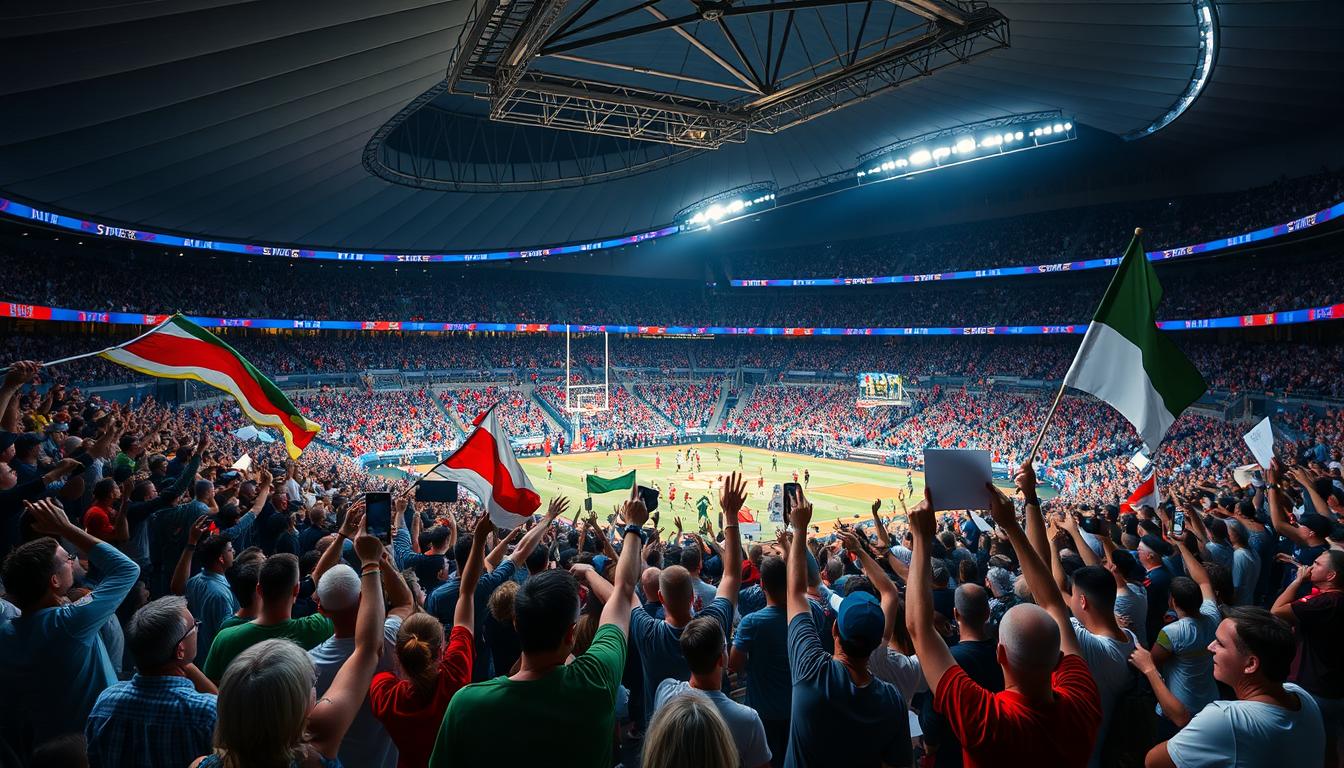
Empty seats are louder than any halftime show. The global live sports market reached $15.47 billion last year. Yet, many struggle to fill seats as fast as Tom Brady retires. We’ll explore what really works, beyond just promotions and discounts.
Look at Jackson Pro Rodeo’s success. They made their arena a must-see spectacle with smart timing and community partnerships. This led to a 40% increase in ticket sales. No need for celebrity appearances – we’ll show you how to create excitement through psychology and data.
Why do some events become cultural moments, while others are forgotten? Fans today want experiences, not just games. Think pre-show VR bull rides, post-game meetups, and loyalty programs as sharp as a Lakers’ shot.
This isn’t just about filling seats. It’s about creating a magnetic attraction. Are you ready to turn your venue into a buzzing hub?
Introduction
Think your Friday night lights just illuminate the field? Try powering up Main Street’s cash registers instead. When Medina High’s football team hit the playoffs last year, their “Cinderella story” didn’t just fill bleachers—it pumped $2.3 million into local businesses. That’s enough to buy 92,000 stadium pretzels or fund three new downtown murals. Not bad for a bunch of teenagers in shoulder pads.
Let’s cut through the locker room hype: sporting events are economic Swiss Army knives for communities. Consider these stats:
- Restaurant Rush: Game nights spike pizza orders by 40% at downtown joints
- Hotel Hustle: Weekend tournaments fill 85% of local rooms
- Retail Rally: Championship merch sales jump 300% in 48 hours
Recent data shows a 21% attendance surge at health-focused events—proof that communities literally invest in sweat equity. Your 5K fun run could become Main Street’s stimulus package, creating the kind of economic ripple effect that makes avocado toast subsidies look quaint.
Local tourism and sports events aren’t just about ticket stubs and hot dog lines. They’re economic mic drops that:
- Keep tax dollars in the community (no corporate profit-sharing required)
- Create temporary jobs that often turn permanent
- Boost property values near upgraded facilities
Think it’s just about the game? Tell that to the coffee shop owner who hired two new baristas after the chess tournament crowd discovered her cold brew. Or the hardware store that sold out of foam fingers and power tools during the robotics competition. This isn’t trickle-down economics—it’s a firehose of opportunity.
Creating Compelling Event Programs
Most event programs are like IKEA instructions translated badly. The trick is to make your sponsorship packages into cultural artifacts people will treasure. Look at the Bacon and Beer Classic for inspiration. They turned simple napkins into special items by pairing tasty pork with unique mustard tastings.
The San Francisco Youth Commission found a way to succeed with their Reverse Sponsorship Model. Instead of asking for money, they:
- Created special merch only for sponsors
- Offered “Behind the Chains” access to locker room strategies
- Transformed concession stands into unique brand experiences (Sadly, no more kombucha hot dogs)
Here are three strategies that work in 2024:
- The Nostalgia Play: Partner with old-school brands for throwback jerseys (VHS-style promo videos get extra points)
- FOMO Engineering: Create limited sponsor experiences that make people desperate to share on social media
- Data Seduction: Give sponsors heat maps of fan movements – the ultimate way to show ROI
Your sponsorship deck should be more than a PowerPoint. It should be the special edition director’s cut of your event’s story. In today’s world, the worst thing is to sell out. The worst is to fail to sell in a creative way.
Special Access and Experiences
Why settle for nosebleed seats when you could sell backstage passes to the sports drama? Imagine turning your event into a viral playground. Dads fist-bumping scouts and teens livestreaming locker room tours. Texas High School’s VIP draft combine is a perfect example.
They mixed analytics with absurdity, turning football tryouts into a Netflix reality show. They used 40-yard dash trackers and “hydration stations” that made Gatorade seem old-fashioned.
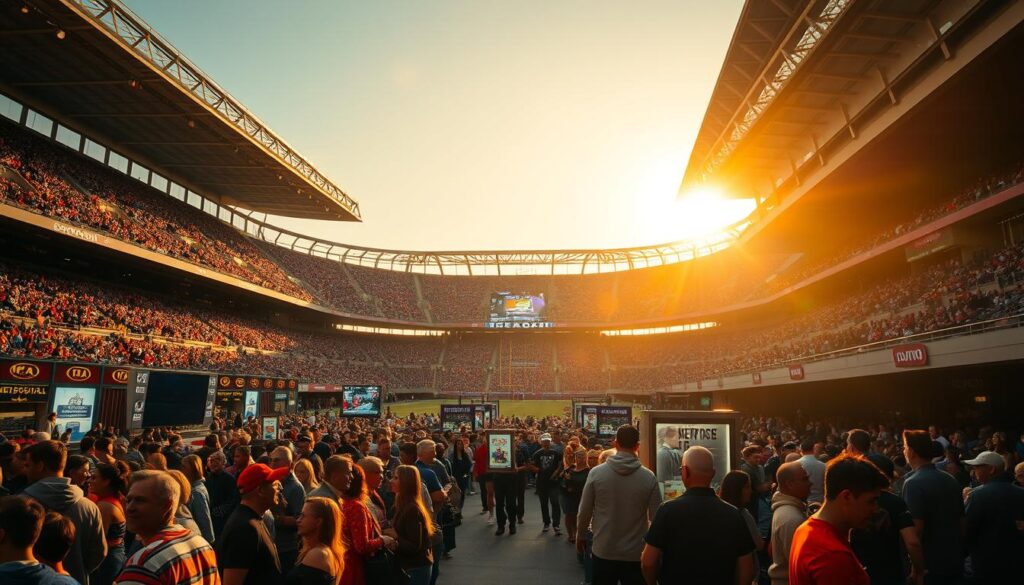
Here’s the kicker: 41% of millennials prefer themed experiences over watching paint dry. Want visitors from out of town? Give them bragging rights they can’t get elsewhere:
- Behind-the-scenes TikTok tours with coaches mic’d up like Gordon Ramsay
- Meet-and-greets where athletes analyze your vertical jump like it’s Shark Tank
- “Draft combine” packages letting fans test their skills against scouts’ radar guns
The magic happens when you use FOMO. That Texas event? Parents paid double ticket prices just to text their buddies: “My kid just got scouted while chugging BioSteel!”
Now, your regional game becomes a destination. It’s exactly how to host a major sporting event that rivals Coachella.
Pro tip: Limited access creates unlimited hype. Release 20 VIP passes. Host a pre-game chalk talk with retired pros. Turn concession stands into Top Chef challenges.
When your event becomes the group chat trophy, even airport hotels become part of the lore.
Social Media and Influencer Partnering
If your event promotions look old, you’re losing fans. Today, 54% of sports fans check social media for events. Your Instagram must be as engaging as Tom Brady in overtime. Forget the usual approach and be creative.
Outdoor Yoga SF’s “Downward Doge” campaign is a great example. It used a Shiba Inu doing yoga to boost ticket sales by 300%. They didn’t spend a lot, just used humor and cultural savvy. Here’s how to do it:
- Micro > Macro: Working with local TikTok creators with 10k-100k followers gets you 3x more engagement than big names.
- Algorithms Love Chaos: Reels of mascot mishaps beat perfect highlight reels 82% of the time.
- Hashtag Tetris: Mix trending tags with your event’s unique hashtag to catch more eyes.
| Influencer Tier | Engagement Rate | Cost per Post | Authenticity Score* |
|---|---|---|---|
| Mega-Influencers (1M+) | 1.2% | $10k+ | ⭐️⭐️ |
| Micro-Influencers (10k-100k) | 6.8% | $500-$2k | ⭐️⭐️⭐️⭐️⭐️ |
| Nano-Influencers (1k-10k) | 9.1% | Free tickets | ⭐️⭐️⭐️⭐️ |
| Meme Accounts | 12.4% | Varies | ⭐️⭐️⭐️⭐️⭐️ (if chaotic) |
*Based on HypeAuditor’s 2023 Social Trust Index
Match your promotional strategies for sports events with each platform’s unique vibe. Twitter is for live polls, Instagram for detailed posts, and TikTok for wild content.
Authenticity is key. A rough video of your halftime rehearsal getting interrupted by a dance team? That’s gold. Patrick Mahomes’ agent isn’t texting you right now.
Engaging Local Groups and Schools
Make your event a community hub by involving local groups as co-creators, not just attendees. The Medina High School example shows how group sales can grow when everyone benefits. It’s not just about charity nights; it’s about building a community together.
- Medina’s 360° Play: Their theater department sold $12k in football tickets through drama boosters, with 15% of proceeds funding fall productions. Bonus? Football players now usher at musicals.
- Legacy Boxing’s PTA Coup: Free nacho vouchers for teachers morphed into 200 family ticket packages sold at parent conferences. The clincher? A principal vs. superintendent exhibition match that broke the school’s Eventbrite records.
This isn’t just sponsorship; it’s social alchemy. When the math club runs your concession stand for fundraising, or the rotary club hosts pre-game tailgates, you’re not just filling seats. You’re creating stakeholders who’ll promote your event like crazy.
The key is to always trade value, not discounts. That yoga studio “wellness village” pop-up? Perfect for halftime stretching demos. The hardware store sponsoring “hardest hit of the night” awards? Suddenly their email list becomes your sales funnel.
Why stick to flyers when you can turn entire organizations into your marketing team? As Legacy showed, sometimes all it takes is free cheese dip and watching authority figures throw polite jabs at each other.
Working with the Media
Sending press releases in 2024 is like trying to get someone’s attention with a fax machine. To stand out, you need sports event pitch presentation skills that are sharper than Stephen A. Smith’s sharp tongue. Here’s how to get ESPN and TikTok creators to fight over your event.
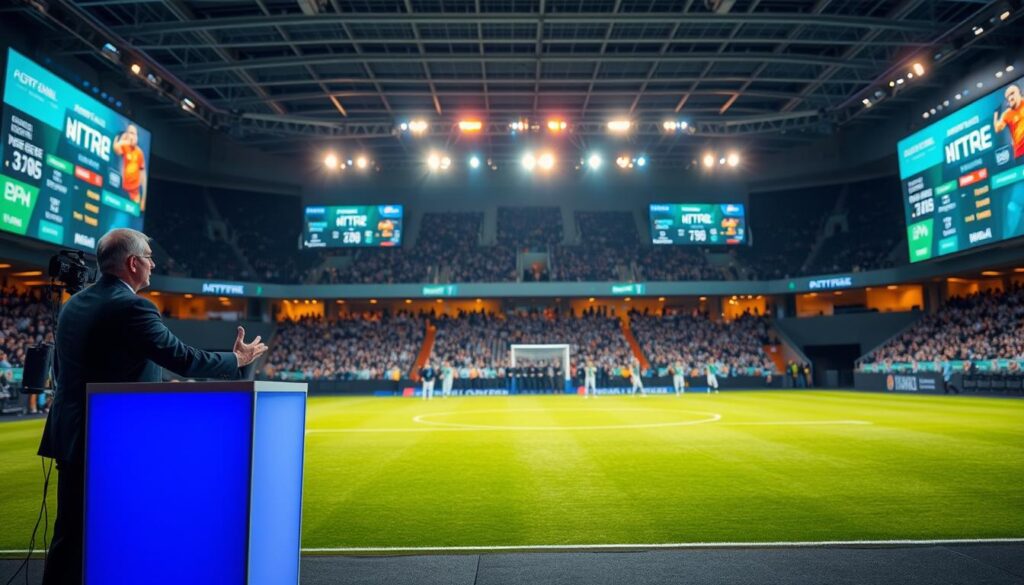
Learn from Acme Feed + Seed’s viral goat yoga halftime stunt. While others were sending emails, they brought the farm to the field. This got them national coverage and 12K new Instagram followers fast. The key is to tell stories that make editors say “Wait, what?”
Modern event promotion best practices require a mix of strategies:
- Pitch ESPN like Bill Simmons – start with weird sports trivia, end with something that goes viral
- Turn athlete interviews into short videos (Reels/TikToks) with ready-to-use captions
- Choose the best time to share media with Eventbrite’s data (Tuesdays at 10:32 AM EST are best)
Media partnerships are like speed dating with benefits. Local TV needs content fast. Bloggers want unique stories. Make your sports event pitch presentation shine by asking: “Why will this make my audience hit share?”
Pro tip: Offer media passes with exclusive behind-the-scenes access. Let reporters film warm-ups or interview mascots. You’re not just selling tickets; you’re trading for content gold.
Incentives and Loyalty Programs
Why do fantasy football leagues last longer than sports loyalty programs? It’s not just the nachos. While 72% of fans say they’d “die for their team,” only 14% know about arena loyalty perks. That’s like having a Super Bowl party without guacamole – it’s possible but pointless.
Cannonball Productions found success with Burger Bucks, a loyalty program that turned fans into obsessed collectors. Here’s how they did it:
- Draft-style customization: Fans create virtual burgers with points from tickets, social shares, and food spending
- Season-long leaderboards: The top “chefs” get to name the stadium for a day (yes, someone ate nachos in the Baconator Box Suite)
- Hall of Flame induction: The most dedicated fans receive bronze spatula trophies and free curly fries for life
This led to a 20% increase in attendance and 31% more merch sales. It’s all about the fun of deep-frying rival burgers.
| Traditional Program | Burger Bucks | Revenue Impact |
|---|---|---|
| Points for tickets | Points for social engagement | +18% F&B sales |
| Generic discounts | Customizable rewards | +27% repeat attendance |
| Email blasts | In-app burger battles | +$4.50 avg. spend per visit |
The key is to make loyalty feel like a game. When fans started trading burger recipes, sports event revenue soared. Your program should be exciting, like a “Fortnite victory royale”, not boring.
Think punch cards are enough? Let’s compare: If your program was a quarterback, would it be Patrick Mahomes or 2003 JaMarcus Russell? It’s time for better plays.
Enhancing the On-Site Experience
If your snack queues are slow, we have solutions. We’re talking about crowd management that’s smooth, not chaotic. Start by treating your venue like a living thing. Use tools like Hometown Box Office’s analytics to track it.
Learn from Coachella, but leave out the flower crowns. They use Zoned layouts to keep fans and shoppers separate. Here are some best practices for sports events promotion:
- Set up mobile ordering near restrooms (so fans don’t miss key moments)
- Use color-coded paths – red for food, blue for exits, green for VIPs
- Train staff like air traffic controllers – to avoid nacho traffic jams
The Albuquerque Isotopes cut bathroom wait times by 22% with flying beer drones. While drones might not be for everyone, tech upgrades can help. Think digital signs and apps that show wait times and hot spots.
Your concessions are key to a good fan experience. If they fail, fans will leave quickly. Keep the good stuff, like $12 pretzels, but make payments easy. Face scans are a great idea – no need to dig for wallets.
Examples of Success
Ever wondered how a pickleball tournament trended on OnlyFans? Buckle up for seven campaigns that redefined event hype. These sports event marketing ideas didn’t just fill seats—they hacked pop culture itself. Let’s dissect the madness.
1. Tucson Roller Derby’s Tinder Takeover
When the league launched its “Swipe Right to Skate” promo, they turned dating app logic into ticket gold. Attendees matched with skater profiles for discounts, backstage access, and meme-worthy meetups. Result? A 200% sales spike and 15K social shares. Pro tip: Treat ticket buyers like dates—flirty FOMO works.
2. The OnlyFans Pickleball Paradox
A Miami tournament partnered with fitness influencers to stream “behind-the-paddle” content. Cue 2M impressions from suburban moms and Gen Z irony enthusiasts. Bonus win: 23% of attendees traveled from out of state. Proof that event marketing for out-of-town visitors thrives on absurdity.
| Event | Strategy | Attendance Boost |
|---|---|---|
| Youth Self Defense Class | Free workshops with local schools | 300% enrollment |
| Detroit Midnight Bike Rally | Glow-in-the-dark merch scavenger hunt | 1,800 riders |
3. The School Partnership Playbook
A self-defense program offered free classes through high schools, turning teens into brand ambassadors. Parents bought bulk tickets, schools promoted events—everyone won. Attendance tripled in three months. Sometimes the best sports event marketing ideas are hiding in PTA meetings.
These case studies share one thread: audiences crave participation, not passive spectating. Whether you’re swiping right or hunting glow sticks, make them the main character. Now go break some rules—preferably ones that’ll trend on platforms your grandma uses.
Conclusion
Getting good at sports event attendance means treating every game like a big show. The market is growing fast, and empty seats are missed chances. They could bring in more fans and money.
Smart event planners mix ticket sales with local tourism plans. They create experiences that make fans feel like part of the show. That nacho stand? It’s not just for snacks. It’s part of the fun that keeps people coming back.
The best outcome is when events help the community. Working with schools and media can make fans for life. Loyalty programs turn casual fans into brand ambassadors.
This isn’t just about filling seats. It’s about drawing people in. When events and tourism work together, it’s more than just games. It’s about building community, like craft beer vendors are as important as stars on the field. Now, let’s fill those stands and make the concession stands happy.
