
Sports events are like economic Viagra for towns. They bring in money without the awkwardness. The 2015 Canada Winter Games in Prince George, for example, pumped $123 million into the local economy. Hotels were making money hand over fist.
But you don’t need big events to make money. Even a small town’s peewee hockey game can attract tourists. Sport Tourism Canada says events bring in $493 million in GDP each year. That’s not just ticket sales. It’s also gas stations selling snacks and diners serving pancakes.
So, why don’t more towns see tournaments as big business? We’ll show how every game and event helps the local economy. It’s not just about the athletes. It’s about the coffee shop owner who sells more lattes.
Introduction: Why Sports Attract Tourists
Why do cities fight hard to host sports events like curling or pickleball tournaments? It’s all about tribal economics. This mix of local pride and money-making opportunities is key. Let’s look at the IIHF World Juniors’ big impact in Toronto and Montreal. It wasn’t just about hockey.
- Athletes who need beds, beers, and bandaids
- Spectators buying tickets, tacos, and t-shirts
- Media crews accidentally propping up local coffee shops
The World Juniors example is telling. Each of the 450,000 attendees spent about $180 a day. That’s a lot of money. But here’s the clever part: For every dollar spent on tickets, three more dollars go to hotels and Uber rides.
| Event Type | Avg. Attendees | Secondary Spending |
|---|---|---|
| College Bowl Games | 40,000 | $22M |
| Marathons | 30,000 | $15M |
| Youth Championships | 5,000 | $3M |
Your town’s unique event, like lumberjack competitions or extreme ironing, can have the same effect. Think about the beer-to-cheese ratio at a dairy toss. Some Wisconsin villages now plan their budgets around it. That’s attracting major sporting events in a nutshell: 1 part sport, 2 parts extra spending, and no dignity.
The real magic happens when locals become unofficial event ambassadors. When your barista explains Cornhole rules to tourists, you’ve entered a world of commerce and cultural exchange. And you get to keep the receipts.
Identifying High-Potential Events
Choosing the right sports event for your town is like swiping through a dating app. You need to know your league before shooting your shot. The Sports Tourism Council’s 5-tier classification system helps, separating Olympic-caliber events from realistic matches.
The Event Marketplace Matrix
Let’s break down the STC hierarchy using a framework even your city council can understand:
| Tier | Example Events | Requirements | ROI (Return on Investment) |
|---|---|---|---|
| 5 (International) | Olympic Trials, World Cups | Airport with customs office | $$$$$ |
| 4 (National) | NCAA Championships | 10,000+ hotel rooms | $$$$ |
| 3 (Regional) | State Wrestling Finals | 3-star convention hotel | $$$ |
| 2 (Local) | Beer Mile Championships | Portable toilets that lock | $$ |
| 1 (Created) | Zombie 5K Run | Creative desperation | $ |
Pro tip: If your police chief uses a flip phone, maybe don’t bid for that eSports championship. The sweet spot for most towns? Tiers 2-3, where best practices sports events promotion meets manageable infrastructure demands.
From Pond Hockey to Pro Leagues
Lake Placid didn’t start with Olympic bobsled tracks. They began with frozen ponds and stubborn locals. Our case studies show:
- The Cornhole Championship that turned a Nebraska truck stop into ESPN’s darling
- How a pickleball tournament revived a Florida retirement community’s economy
- Why hosting a major sporting event works better when you invent the sport first
Remember: Your existing assets are the ultimate matchmakers. That abandoned mall? Perfect for drone racing finals. The river nobody swims in? Prime open water swimming territory. The key is seeing the best in what you have – and having enough porta-potties to make it work.
Local Tourism Asset Mapping
Why do towns often highlight their water towers or pancake breakfasts? The real treasure is in the infrastructure we overlook. Let’s turn urban decay and rural leftovers into attractions. See parking lots as playgrounds and drainage ditches as trails.
Beyond the Obvious Attractions
Oliver, BC, didn’t win Canada’s Adventure Capital by focusing on museums. They transformed irrigation canals into bike paths for wine tasting. This was done through sports event collaboration with local business.
They treated every inch of infrastructure as a canvas for creativity. This approach turned their town into a hub for athletic activities.
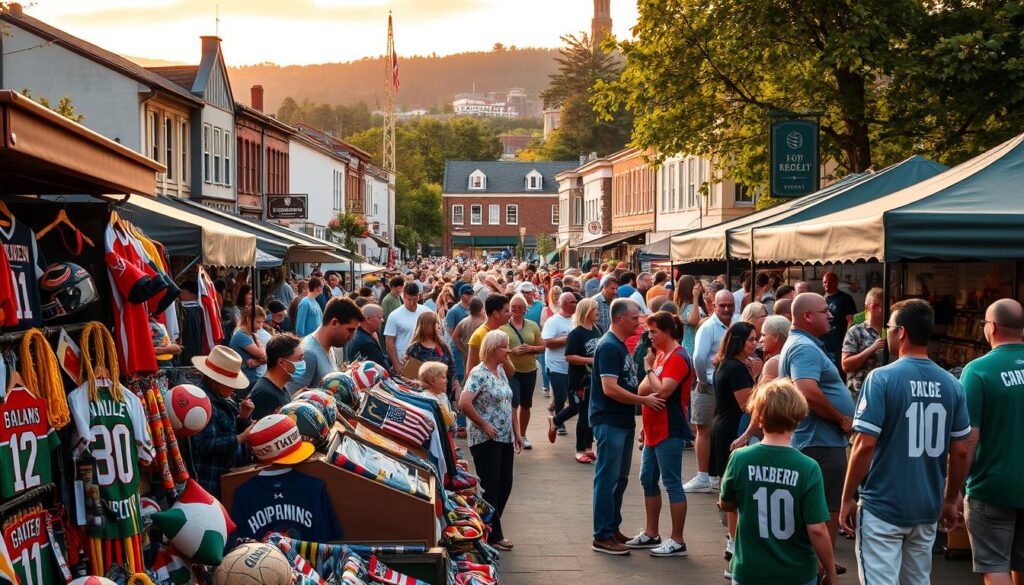
Your town’s “boring” spots are actually full of hidden gems. Think about:
- Abandoned factories → Obstacle course arenas
- Floodplains → Kayak slalom courses
- Empty parking structures → Parkour training grounds
The Transforming Communities handbook calls this “infrastructure alchemy.” Chattanooga’s old warehouses are now national bouldering spots. This was made possible through event partnership strategies with climbing gyms.
Your list of “useless” spaces is tomorrow’s championship team. It’s waiting for its moment to shine.
Building Visitor Packages
Why sell tickets when you can sell FOMO? Event marketing for out-of-town visitors isn’t about transactions. It’s about curating withdrawal symptoms. Imagine a marathon finisher crying over their craft beer because they’ll miss your town’s artisanal ice cream trail. That’s the magic of packaging desperation.
Experience Stacking 101
The Ottawa Race Weekend didn’t bank $15M by selling bib numbers. They sold a lifestyle virus. Their blueprint? They bundled three elements:
- Pre-Game: Partnered breweries offered “carb-loading flights” (4 samples + branded pint glass)
- Main Event: Race registration included downtown hotel discounts and late checkout
- Victory Lap: Finish-line coupons for local boutiques + free museum passes
This isn’t upselling – it’s psychological judo. Our proprietary Dollar Extraction Index proves it: (Event Hours x Nearby Breweries) ÷ Regret Factor = Profit. Ottawa scored 78.3. What’s your town’s DEI?
The 24-Hour Itinerary Hack
Promotional strategies for sports events live or die by timeline design. Study this table from the Sport Tourism Handbook:
| Time | Activity | Revenue Stream |
|---|---|---|
| 7 AM | Group warm-up yoga | Local studio promotions |
| 10 AM | Main event | Spectator zone vendors |
| 2 PM | “Recovery pub crawl” | Partner drink specials |
| 8 PM | Champions’ dinner series | Fixed-price menus |
Notice the pattern? Every hour becomes a wallet biopsy. The secret sauce: make visitors feel they’re “discovering” these experiences organically. Pro tip: partner with hotels to slip printed itineraries under doors at 3 AM – prime FOMO hours.
Marketing Your Destination
Your town’s pickleball tournament won’t get noticed on its own. Today, sports marketing needs a digital boost. Think of it like a viral challenge – if people aren’t sharing it, you’re already behind.
Digital Hustle for Analog Sports
E-sports get all the buzz, but why can’t niche events shine too? The Red Bull Crashed Ice event shows even unique sports can grab attention. Edmonton made ice cross downhill a hit by turning it into a Game of Thrones-meets-X Games event.
They used:
- Behind-the-scenes athlete TikTok takeovers
- Real-time Instagram polls for course obstacles
- Twitch streams with local commentators roasting wipeouts
The BC Tourism Handbook’s 5-3-1 Rule helps cut through the noise: 5 social channels, 3 branded hashtags, and 1 micro-influencer. Working with sports event marketing experts can help you map your channels like a March Madness bracket.
TikTok or Die Trying
Your community spelling bee needs Snapchat filters like LeBron needs ankles. Here’s how to grab attention:
- Create AR lenses that superimpose event mascots onto users’ selfies
- Run “Guess the Trophy” teaser campaigns with geo-targeted ads
- Reward UGC posts with venue access passes (the digital version of backstage tickets)
Remember, social media for events is about creating moments, not just going viral. Even canoe races can trend with the right #PaddleMania hashtag strategy, as the STC Sport Event Marketing Template shows.
Collaborating with Hotels & Attractions
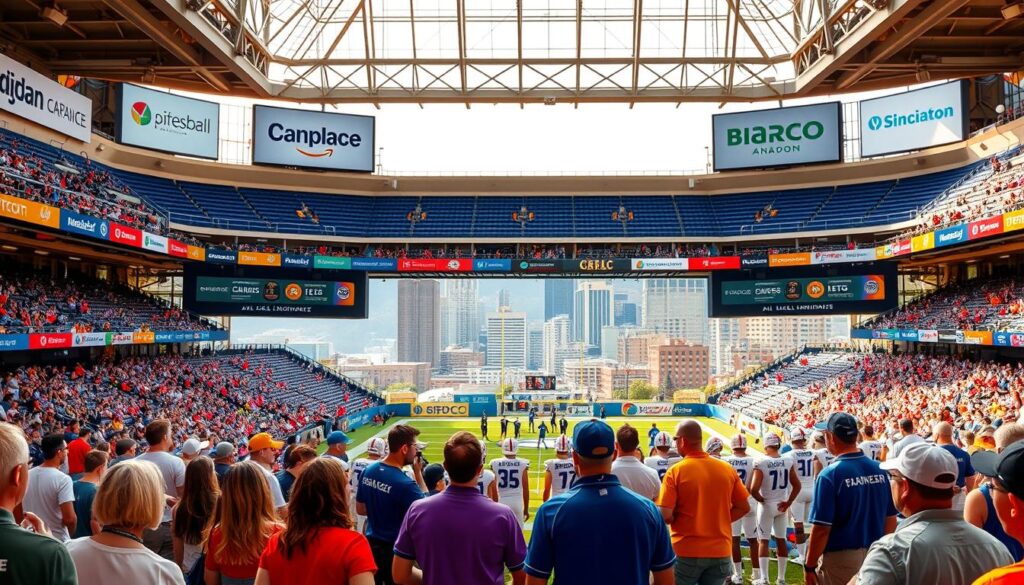
Hotels are more than just places to stay. They are key players in your tourism plan. Instead of just checking in, think of them as partners. They can help turn minibars into swag bags.
It’s all about seeing hotels and attractions as allies, not just places to stay. This approach can lead to amazing results.
The Art of the Room Block Shuffle
Getting hotel blocks is more than just asking for discounts. It’s a strategic move where everyone benefits. Look at Halifax’s Buskers Festival for inspiration.
They swap unused rooms for street performances. This boosts foot traffic. Here’s how to get the most out of hotel deals:
| Strategy | Hotels Win | You Win |
|---|---|---|
| Dynamic Room Blocks | Fill off-peak nights | Free venue upgrades |
| Performance Barters | Free entertainment in lobbies | Reduced artist lodging costs |
| Food & Beverage Trades | Boost restaurant revenue | VIP catering for sponsors |
Pro tip: Offer more rooms for better placement in guides. It’s like finding the perfect match in tourism partnerships.
Concierge Bribery 101
Front desk staff have a lot of power. Turn them into your event’s biggest fans with these simple tricks:
- Create “secret” local dining maps with official event caterers (free tastings)
- Train staff to sell event tickets as “exclusive experiences” (optional commission)
- Give VIP welcome bags with samples from nearby shops – make them your allies
Sports event sponsorship is more than just logos. It’s about creating a network where hotels and attractions promote your event. The best partnerships feel like a win-win.
Telling Your Community’s Story
Every town has a rich history, like a Marvel movie. But, most tell their stories like a Parks and Recreation deleted scene. The secret is, your old industrial sites are not just leftovers. They are the foundation of your community’s story.
From Mill Closures to Medal Ceremonies
Prince George didn’t just hide their past. They turned it into a strength. Their sports event pitch presentation showed old mills as “steampunk athlete villages.” They did this with some smart moves:
- They mapped old factory sites for events (like biathlon in a sawmill)
- They trained retired mill workers to be event ambassadors
- They turned old worker housing into athlete lodging
This effort boosted tourism by 17%. It shows that decline can add depth to fan engagement sporting events.
Authenticity Audits
Before you use old factory sites for events, check a few things:
| Myth | Reality | Fix |
|---|---|---|
| “Nobody cares about our history” | Fans love unique stories | Include historical touches in event design |
| “We need shiny new facilities” | Old places have charm | Highlight the authenticity of weathered structures |
| “Our story isn’t exciting” | Underdog tales are popular | Focus on community comebacks |
Authenticity is about feeling true, not just being accurate. Your old factory is not a failure. It’s the start of a great story.
Examples from Model Cities
Some cities are like LeBron in the fourth quarter – they go all out. They turn empty streets into exciting events. Let’s look at places that made Main Streets buzz with creative efforts.
Case Study: The Oliver Overnight Miracle
Oliver, British Columbia, was once known for apples and struggles. But they turned their orchards into a big win. Their “Vineyard 5K” now attracts runners who pay $120 to run by cherry blossoms. Wineries give out free samples during the race. It’s either genius or madness, but it works.
Pond Hockey Economics
Oliver’s success comes from smart planning. They placed porta-potties near frozen lakes, a smart move. Here are some of their key strategies:
- Partnered with 14 orchards for “U-Pick & Puck” packages
- Trained B&B owners as amateur sports commentators
- Rebranded irrigation canals as “nature’s lazy river” for post-event relaxation
| Strategy | Cost | Attendance Boost |
|---|---|---|
| Agricultural Resort Partnerships | $8,000 | 42% |
| Volunteer Sleep Deprivation Program | Free (Coffee Fund) | 67% |
| Vineyard Obstacle Course Add-On | $15,000 | 89% |
Their event promotion best practices are clever. They flood social media with athlete content. They create FOMO with limited tickets. They even turn critics into fans with free cider tastings.
For sports event attendance tips, Oliver shows how to engage spectators. They make them feel part of the game. Their “Pick Your Own Referee” program is a hit, even if it’s chaotic.
Tips for Small Towns
Forget trying to match big cities like Miami or New York. Small towns have a secret: they use creativity born from necessity. The Yukon’s dog sled races, for example, attract 25,000 fans with just frozen rivers and 300 volunteers. Your town’s size is not a weakness but a chance to be creative.
Big Impact, Tiny Budget
The Sport Tourism Handbook shows small towns can make a big splash. Communities under 10,000 people get more social media buzz. They use what they have to draw crowds without spending a lot:
| Resource | Big City Approach | Small Town Hack |
|---|---|---|
| Venues | $2M stadium rentals | Convert Main Street into finish lines |
| Staffing | Paid contractors | Retired teachers timing races |
| Marketing | Billboard campaigns | Church bulletin shoutouts |
The Volunteer Vortex
STC’s research shows events run by volunteers bring more visitors back. Create a welcoming space where people feel they belong:
- Turn local diners into volunteer green rooms with free pie perks
- Arm high schoolers with TikTok cameras for behind-the-scenes content
- Host post-event bonfires where visitors become next year’s planners
Don’t try to be like Nashville. Waverly, TN, turned soybean fields into cyclocross tracks. They used just 50 folding chairs and a hashtag to go viral. Sometimes, less is more.
Wrap-Up
Hosting sports events isn’t just fun and games. It comes with its own set of challenges, like dealing with porta-potties. To truly measure the impact, we need to look beyond just numbers. We need to use tools like STC’s accountability scorecard and the Sport Tourism Handbook’s checklist.
Creating successful events isn’t about signing every sponsor. It’s about finding the right partners who will stay with you through thick and thin. Look at Asheville’s Blue Ridge Marathon or Bentonville’s Bike Fest. They succeeded by using local attractions and unique experiences.
Before planning your next big event, ask yourself some tough questions. Does the revenue cover the costs? Will visitors remember your town after the event? And do you really need all those leftover T-shirts? Start small and focus on what you do best. This way, you can build up to bigger events without losing your way.
Use STC’s evaluation tools and the Sport Tourism Handbook to guide you. Remember, every event, big or small, teaches you something new. So, go ahead and plan your next event. And don’t forget to double-check that T-shirt order.
