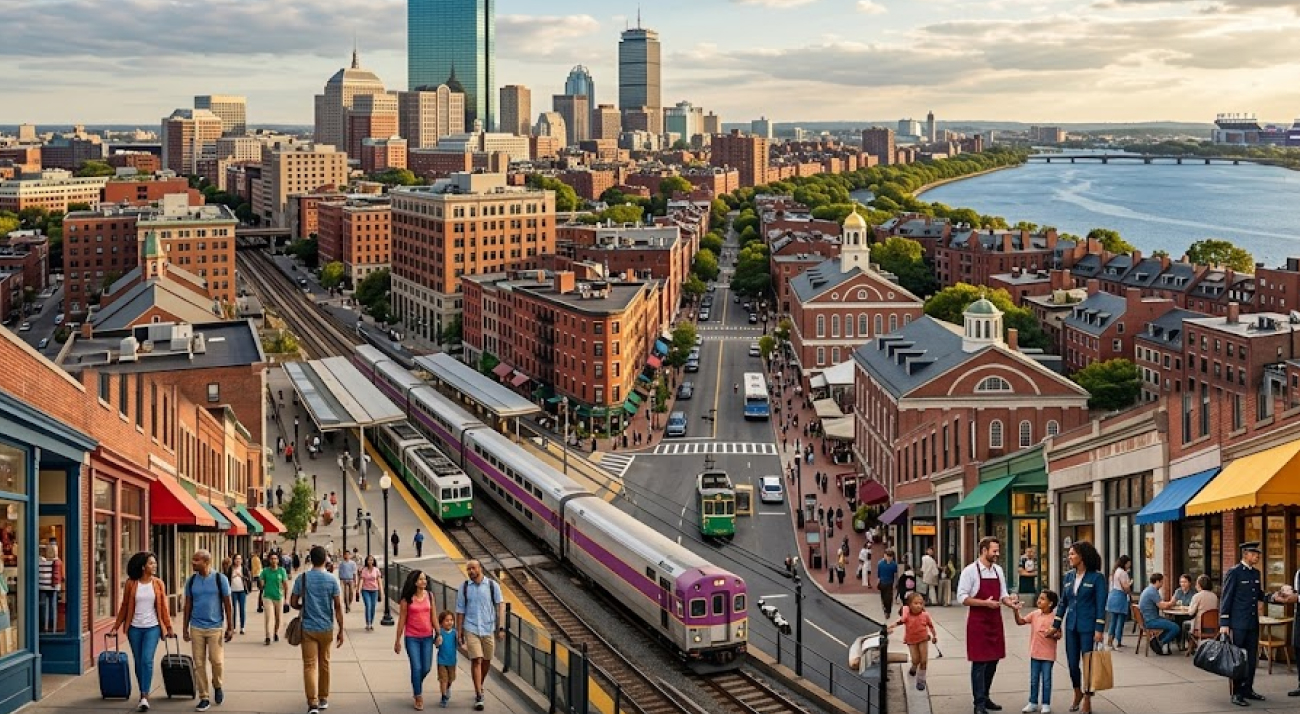
When Boston prepared to host FIFA World Cup 2026 matches, the focus was naturally placed on the action inside the stadium. However, the tournament’s most significant economic story developed outside the venue, where restaurants, hotels, retailers, transportation systems, and neighborhood businesses experienced a major increase in activity.
The event demonstrated how a global sporting competition can function as more than a temporary attraction. For Boston, the World Cup became a catalyst for downtown activity, increased visitor spending, and renewed attention toward the city’s ability to host international travelers.
According to post-event analysis from city officials, Boston’s hospitality sector experienced measurable growth during the tournament period. More than half of surveyed hospitality businesses reported increased customer activity, while restaurants, bars, accommodations, and local attractions benefited from visitors exploring the region beyond match days.
The results reinforced a broader trend across American cities: successful sporting events are increasingly judged by their ability to strengthen local economies, support small businesses, and accelerate urban revitalization efforts.
Boston’s experience provides a valuable example of how cities can transform major events into long-term economic development opportunities rather than relying on short-term visitor spikes.
The World Cup Expanded Boston’s Economic Activity Beyond The Stadium
The traditional approach to measuring sports events has often focused on attendance numbers, ticket sales, and television audiences. While those figures remain important, Boston’s World Cup experience showed that the economic impact of a global tournament extends much further.
Visitors attending matches at Gillette Stadium in Foxborough, Massachusetts contributed to activity across the entire metropolitan area. Fans stayed in downtown hotels, visited restaurants, used public transportation, explored historic attractions, and spent money in neighborhoods far away from the stadium.
This distribution of economic activity is one of the main reasons cities compete to host international events.
Instead of creating a temporary economic bubble around a venue, successful host cities attempt to connect visitors with existing communities and businesses.
Boston benefited from several advantages:
- A globally recognized destination brand built around history, education, and culture.
- A dense urban environment with restaurants, hotels, and attractions within accessible areas.
- Strong transportation connections between downtown, Logan International Airport, and regional destinations.
- A diverse business ecosystem capable of serving international visitors.
The World Cup amplified these existing strengths while introducing Boston to millions of potential future travelers.
According to the City of Boston economic impact report, local businesses experienced increased demand during the tournament, showing how major events can create opportunities for smaller businesses that are not directly involved with sports operations.
Small Businesses Became One Of The Biggest Winners
One of the most important lessons from Boston’s World Cup experience was the role of small businesses.
Restaurants, bars, retail stores, and neighborhood establishments often receive less attention than stadiums and large corporate sponsors, but they are essential parts of the visitor economy.
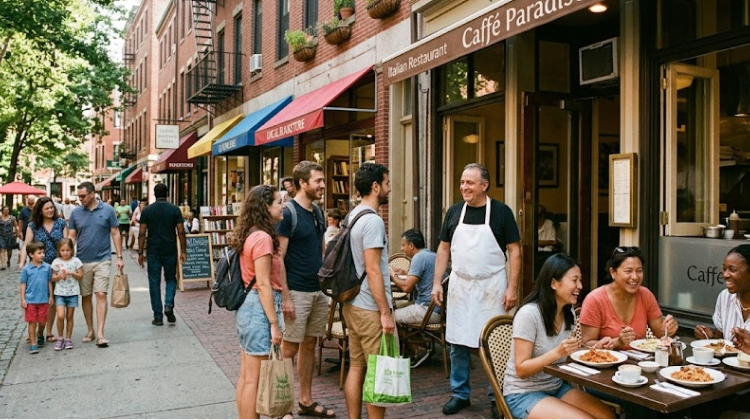
During the tournament period, Boston businesses reported significant increases in customer traffic. According to local analysis, more than half of hospitality businesses surveyed saw higher customer volume, while restaurants and entertainment venues benefited from international visitors gathering before and after matches.
The impact was particularly visible in areas where visitors naturally spend time, including:
| Business Sector | World Cup Impact |
|---|---|
| Restaurants and Bars | Increased visitor traffic and international customers |
| Hotels | Higher occupancy and stronger room demand |
| Retail Businesses | Increased pedestrian activity and tourist spending |
| Transportation Services | Greater demand from visitors moving throughout the region |
| Attractions and Cultural Sites | More international exposure and visitation |
These results highlight an important aspect of modern sports tourism: visitors do not only consume the event itself. They consume the city surrounding the event.
A supporter traveling thousands of miles for a World Cup match is also a customer for local restaurants, museums, shops, transportation providers, and entertainment venues.
This creates a multiplier effect where one sporting event supports multiple industries simultaneously.
Research from the U.S. Travel Association has consistently shown that visitor spending generates broad economic benefits through hospitality, transportation, entertainment, and local commerce.
Downtown Revitalization Through Visitor Activity
Boston’s World Cup success also reflects a larger shift in how cities approach downtown development.
Following changes in workplace patterns and consumer behavior after the pandemic, many American downtowns have been searching for new ways to increase daily activity.
Major sporting events provide one solution because they bring people into urban areas, encourage spending, and create opportunities for businesses to reconnect with customers.
However, the strongest results occur when cities already have the infrastructure needed to support visitors.
Boston’s downtown advantage came from its combination of:
- Walkable neighborhoods.
- Historic attractions.
- Diverse dining options.
- Cultural institutions.
- Public transportation access.
- Established hospitality infrastructure.
The tournament did not create these assets; it amplified them.
This distinction is important for other cities hoping to replicate Boston’s success. Hosting a major event alone does not guarantee revitalization. The most successful destinations use events as accelerators for improvements already underway.
Cities that invest in public spaces, transportation, visitor services, and local business support are better positioned to capture the economic benefits generated by international events.
Boston’s approach follows a similar pattern seen in other successful host cities, where sporting events become platforms for showcasing existing communities rather than isolated entertainment projects.
Transportation Connected Visitors With The Local Economy
Another factor behind Boston’s World Cup success was mobility.
Transportation plays a critical role in determining whether visitors contribute to a city’s broader economy or remain concentrated around a single location.
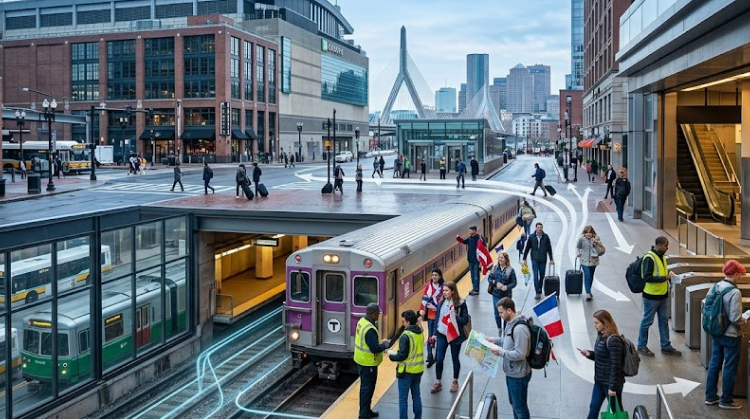
The Massachusetts Bay Transportation Authority (MBTA), commuter rail services, airport connections, and pedestrian infrastructure helped visitors move between hotels, attractions, restaurants, and event locations.
The importance of transportation became especially clear because the World Cup created demand across multiple areas rather than one central district.
Visitors staying downtown could explore neighborhoods, attend cultural events, and support businesses throughout the region.
This connection between mobility and economic development has become a major consideration for future host cities.
A strong transportation network does more than move people. It expands the geographic area where tourism spending occurs.
For Boston, improved visitor mobility helped transform the World Cup from a stadium event into a regional economic opportunity.
Boston’s World Cup Legacy Could Influence The Next Generation Of American Cities
The long-term value of Boston’s World Cup experience will not be determined only by what happened during the tournament.
Its real impact will come from how the city uses the increased visibility, business relationships, and tourism momentum created by the event.
For local businesses, the tournament introduced Boston to millions of international visitors.
For tourism organizations, it demonstrated the importance of coordinated destination marketing.
For city planners, it reinforced the connection between transportation, hospitality, and economic growth.
For other communities, it provided a practical example of how major sporting events can support downtown revitalization when paired with strategic planning.
As American cities continue competing for global events, Boston’s approach shows that the strongest legacies are built outside the stadium.
The future of sports tourism will belong to destinations that can transform visitors into customers, customers into returning travelers, and major events into lasting economic development opportunities.
