
The CEDS Summit held on March 6, 2026, in Bowling Green gave Northwest Ohio a practical forum for turning a five-county economic plan into coordinated civic work. The event, formally titled “Turning Strategy Into Action: A Regional CEDS Summit,” brought government, business, and community organization leaders together at the Veterans Memorial Building after the Lake Erie West Regional Council completed its 2025 Comprehensive Economic Development Strategy. For residents, employers, and public officials across Lucas, Wood, Ottawa, Sandusky, and Seneca counties, the key question after the summit is not whether the plan exists. It is how local agencies and partners use it to shape workforce, infrastructure, housing, and business decisions.
The Lake Erie West Region CEDS covers those five Ohio counties and reported a combined population of 717,856 in its November 2025 final report, according to the Lake Erie West regional strategy. That scale matters. A strategy that crosses county lines can help local governments compare needs, avoid duplicated efforts, and present shared priorities when pursuing public and private investment.
What The CEDS Summit Changed For Northwest Ohio
CEDS Summit Format Put Implementation First
The March 6 program ran from 8:00 AM to 1:15 PM and included panels, a keynote, and closing remarks, according to event details summarized in the research record. Lydia Mihalik, director of the Ohio Department of Development, served as keynote speaker. The research record also reported that about 120 leaders from governments, businesses, and community organizations attended.
The timing was useful because the region had already moved through the planning phase. The public value of a CEDS document depends on what happens after adoption: grant applications, project lists, workforce partnerships, infrastructure planning, business outreach, and local policy decisions. By structuring the event around implementation, the Regional Council placed responsibility back into the hands of agencies and organizations that can act.
The summit’s program followed the four main priority areas identified in the regional strategy: expanding and diversifying the economy; improving workforce development and retention; modernizing infrastructure and connectivity; and strengthening regional identity, housing access, and community resilience. Those priorities are broad, but they give city councils, county commissioners, chambers, education partners, and development offices a shared checklist for evaluating projects.
Why A Regional Table Matters
Economic development rarely stops at a city or county border. A worker may live in Wood County, train in Lucas County, work in Sandusky County, and rely on transportation routes that connect several jurisdictions. A manufacturer considering a site may care about utilities, workforce availability, road access, housing, and supplier networks across a wider area. A regional strategy can help align those pieces.
The CEDS Summit’s central value was that it brought those separate conversations into one room. The research record described moderated panels on the economy, workforce, infrastructure, and quality of life. That format gave local leaders a chance to compare project needs rather than treat each issue as a separate department problem.
For community-focused readers, including those who keep track of regional developments via organizations like One United Michigan, the takeaway is clear: planning documents hold public value when they are linked to actionable decisions. The true civic test lies in whether counties and municipalities will integrate the strategy into budgets, grant submissions, land-use discussions, workforce initiatives, and infrastructure planning.
Economic Indicators Behind The Regional Strategy
Wood County Shows The Local Stakes
Wood County, where the summit was held, offers one snapshot of the economic stakes behind the regional strategy. The U.S. Census Bureau reported that Wood County had 61,650 employed persons as of 2022, a median household income of $73,124, and a poverty rate of about 9.8%, according to Census QuickFacts. Those numbers show why economic planning cannot focus only on job creation. It also has to account for income, access to opportunity, and the ability of households to remain stable as local industries change.
Wood County’s role as host also made Bowling Green a practical setting for a regional conversation. The summit was not only about one city. It used a Wood County venue to convene leaders from a broader Northwest Ohio area with shared labor, infrastructure, and housing concerns. That distinction matters because a successful regional plan should help both larger cities and smaller communities identify where cooperation can produce results.
Workforce And Infrastructure Are Linked
The 2025 strategy’s workforce and infrastructure priorities should be read together. Employers need trained workers, but workers also need housing, transportation access, broadband, child care options, and reliable public services. A workforce plan that ignores infrastructure may fall short. An infrastructure plan that ignores labor demand may miss the needs of employers and residents.
That is why the CEDS process can be useful for local boards and councils. It creates a reference point for deciding whether a road, utility, site-readiness, housing, or training proposal fits a broader regional direction. It can also help civic groups ask better questions during public meetings: Which priority does this project address? Which county or agency is responsible? What funding source is being pursued? How will progress be measured?
- Local governments can use the strategy to align capital plans and grant applications.
- Chambers and employers can connect hiring needs with training providers and development agencies.
- School and workforce partners can compare programs against regional labor needs.
- Residents can track whether public investments match stated regional priorities.
Recognition Added Accountability After March 6
Award Signals Peer Validation
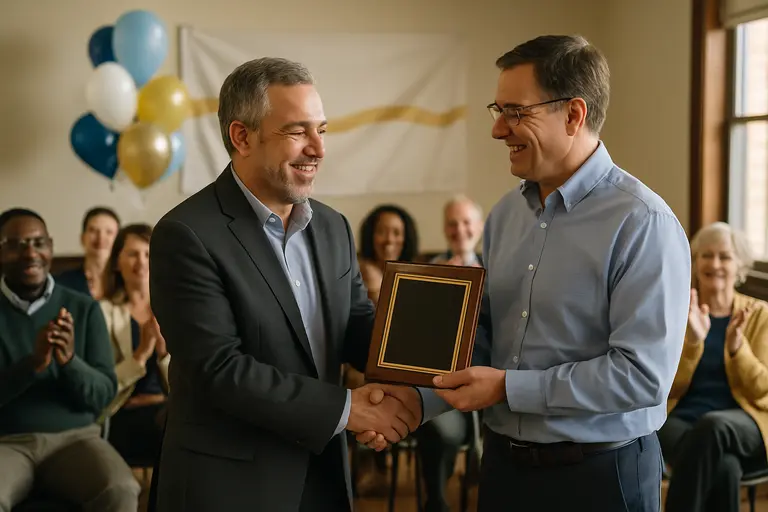
After the March 2026 event, the Lake Erie West Regional Council received a Regional Achievement Award from the National Association of Regional Councils at its 60th annual conference in Tulsa, Oklahoma, according to the research record. The award recognized the council’s work in advancing regional collaboration through the summit.
Award recognition is not the same as economic impact. It does not prove that wages rose, businesses expanded, or infrastructure projects were completed. It does, however, indicate that peer regional organizations saw value in the council’s approach. For local residents, the more meaningful measure will be whether the summit leads to public actions that can be reviewed over time.
That distinction should stay clear. The CEDS Summit was a platform, not the final outcome. Its impact will depend on whether counties and municipalities move from shared discussion to funded projects, intergovernmental agreements, employer partnerships, and measurable community benefits.
How Residents Can Track Follow-Through
Residents do not need to be economic development specialists to follow the work. They can watch for references to the CEDS in county commission agendas, city council discussions, planning commission materials, chamber programs, port authority actions, and workforce board reports. When public bodies pursue infrastructure or development grants, residents can ask whether the request connects to the regional strategy and what local match or long-term cost may be required.
Business owners can take a similar approach. If workforce retention is a stated regional goal, chambers and development offices can be asked how employers are being included. If housing access is part of the strategy, local officials can be asked how zoning, infrastructure capacity, and development review processes affect the availability of homes near job centers.
The most practical benefit of a regional CEDS is that it gives communities a common language. Instead of treating each project as isolated, local leaders can describe how a proposal fits into a larger economic plan. That can strengthen applications for funding and help residents understand why one project is being prioritized over another.
CEDS Summit And Northwest Ohio’s Next Civic Steps
The CEDS Summit gave Northwest Ohio a starting point for coordinated action after the November 2025 regional strategy. The March 6 event gathered about 120 leaders, centered the discussion on implementation, and earned later recognition from a national regional council organization. Those are meaningful civic markers, but they should be treated as the beginning of a longer public process.
The next phase belongs to county offices, city governments, workforce agencies, chambers, infrastructure planners, housing partners, and residents who attend meetings and ask direct questions. The Lake Erie West Region has identified its major priorities. The civic work now is to connect those priorities to budgets, grant deadlines, development decisions, and public reporting.
For Wood County and its neighboring counties, the strongest outcome would be a steady line between strategy and action: projects that support employers, training that responds to labor needs, infrastructure that improves access, and housing discussions that reflect the realities of working households. The summit created a shared table. The public record will show whether that table produces durable regional results.
