
Cleveland’s East Side Homes grant marks a concrete step for a housing district planned across parts of Hough, St. Clair–Superior, and Central. On September 15, 2026, the city was awarded a $2 million state grant to support construction of 200 new homes on the East Side, according to Axios Cleveland. For future residents, the award matters because it is tied not only to new construction, but also to roads, sidewalks, utilities, vacant land reuse, and the larger question of whether long-disinvested neighborhoods can support stable housing near job and transit connections.
The funding came through Ohio’s Residential Economic Development District program, which distributed $14 million statewide for communities located near major economic development projects, Axios reported. Cleveland’s award arrived after the City Council approved a tax increment financing district in August 2026 for the same East Side housing area. That district is meant to allow future growth in residential property-tax value to help pay for public infrastructure needed by the new housing district.
What The East Side Homes Grant Changes
Why East Side Homes Matter For Future Residents
The most direct change is the city’s ability to connect state support with a housing plan that already had a local financing structure. The grant does not, based on the available reports, provide a full public timeline for when residents will move in, the prices of the homes, or any income eligibility rules. Those details remain important for families weighing whether this district will be an attainable option.
What is supported by the available reporting is that the district is intended to bring 200 new homes to areas that have experienced long-term population decline, blight, and underinvestment. That makes the grant different from a single-site project. It is framed as part of a neighborhood-scale housing effort, not just a standalone construction award.
For future residents, the benefits could include living in newly built housing supported by planned public improvements. CLE Radio reported that expected infrastructure benefits include public roads, sidewalks, utilities, and other services needed to support the new homes, with financing tied in part to the tax increment financing district and state grant CLE Radio. That infrastructure piece is often what separates a housing announcement from a livable neighborhood plan.
How The District Fits A Broader City Strategy
The project is part of Cleveland’s broader Housing Innovation District initiative led by Mayor Justin Bibb. According to the research available for this report, the initiative aims to encourage development in distressed East Side neighborhoods through zoning reform, incentives, and new construction. Mayor Bibb described the funding as proof that the Housing Innovation District is “much more than just an idea,” signaling that the city views the district as moving from planning into implementation.
The grant also points to confidence in mixed public and private investment on the East Side. The reported connection to The Midline, a planned greenway and industrial redevelopment corridor, matters because housing benefits are stronger when residents can reach jobs, parks, and transit infrastructure. The public reports cited here describe The Midline as a planned project, so the practical impact for residents will depend on how housing construction and corridor improvements line up over time.
Neighborhood Impact And Resident Benefits
Vacant Land, Blight, And Development Readiness
One of the clearest civic benefits is the intended use of vacant land and abandoned structures. The initiative is designed to address blight and make land available for development. In neighborhoods that have faced decades of decline, that step is significant because unused parcels and abandoned buildings can limit investment, reduce nearby property confidence, and make basic service delivery harder.
New construction alone will not answer every neighborhood concern. Residents will still need clear information on design standards, affordability, long-term maintenance, and how public improvements will be phased. Yet removing barriers to development can give the city and its partners a better path to rebuild blocks that have had too little investment for too long.
Stable Housing Near Economic Development
Lieutenant Governor Jim Tressel’s comments, as reported in the research, connected the grant to a larger economic point: new businesses can create opportunity, but neighborhoods need a foundation of stable, affordable, and accessible housing if they are to benefit long-term. That statement places housing at the center of economic development rather than treating it as a separate issue.
For the future households who may live in the district, location will matter as much as the number of homes. If the district links residents to jobs, parks, transit, and basic services, the benefit could extend beyond individual property lines. If infrastructure work lags or if pricing details make the homes difficult to access, the public value of the project could be more limited. The available reporting does not yet provide enough detail to settle those questions.
Infrastructure Behind East Side Homes
Why Public Improvements Are Part Of Housing Policy
The East Side Homes plan is closely tied to infrastructure because houses require more than lots and walls. Roads, sidewalks, utilities, and related public services shape whether a housing district can function well for families, workers, older residents, and visitors. The tax increment financing district approved in August 2026 is designed to capture future residential property-tax growth in the area to help fund those needs.
That approach can be useful, but it also creates a public accountability question. If the financing depends on future growth, residents and council members will need to track what improvements are delivered, when they are delivered, and whether the district’s public benefits reach existing neighborhoods as well as new construction areas.
What Future Residents Still Need To Know
The available reports do not provide projected home prices, application steps, income requirements, builder names, or a move-in schedule. Those missing details matter for anyone hoping to live in the district. A grant award can create momentum, but future residents will need practical information before they can plan for a purchase, relocation, commute, school choice, or household budget.
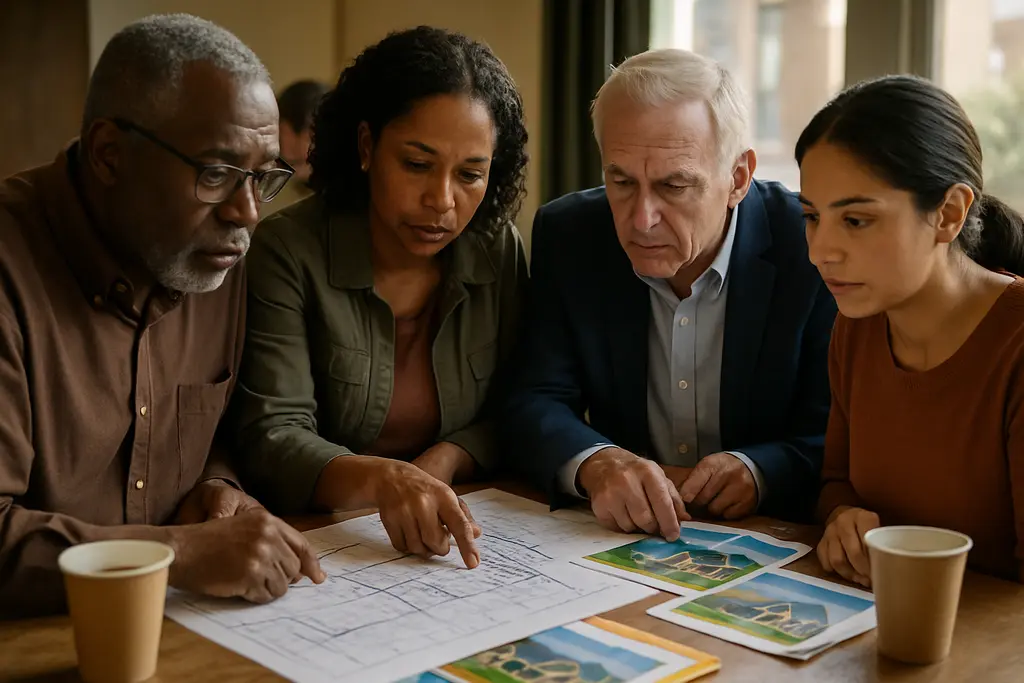
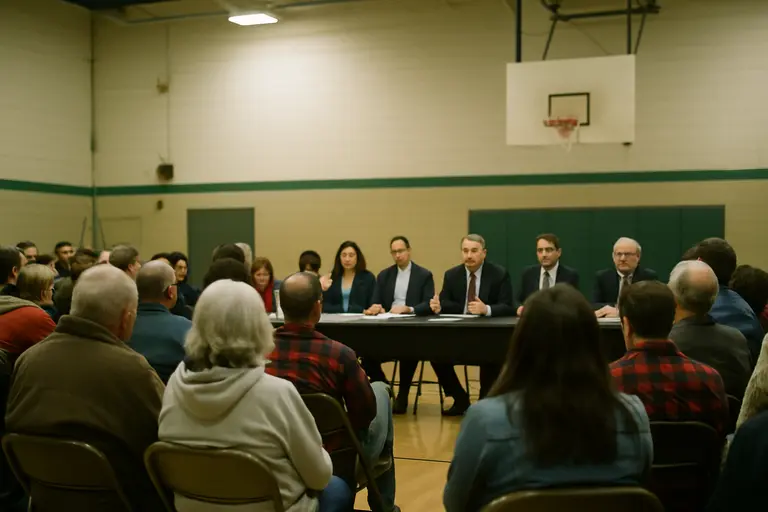
City officials can help by releasing plain-language updates as the district advances. Residents should be able to see how the state grant, local tax district, and housing initiative connect. That includes public maps, infrastructure schedules, land-clearing plans, affordability details if available, and meeting notices where residents can ask questions.
Civic Questions For Cleveland Residents
How The Public Can Track Progress
Because this is a public-private housing effort supported by state funding and local financing tools, civic follow-through matters. Residents, neighborhood groups, business owners, and nearby institutions can watch for City Council actions, infrastructure contracts, zoning steps, and updates from the mayor’s administration. Chambers and civic organizations across Ohio often track housing because it affects workforce stability and neighborhood business conditions. For those interested in community and business updates, Trinity Chamber offers related local development reporting.
For Cleveland, the practical question is not only whether 200 homes get built. It is whether the project helps reconnect East Side neighborhoods to investment, services, and opportunity while keeping future residents at the center of the planning process.
What Cleveland’s East Side Homes Grant Means Now
The East Side Homes grant gives Cleveland a funded starting point for a larger housing district, but it is not the finish line. The $2 million award, the 200-home plan, the August 2026 tax increment financing district, and the Housing Innovation District strategy together create a civic framework that now has to be executed in public view.
For future residents, the promise is practical: new housing, improved infrastructure, and reuse of land that has been held back by vacancy and abandonment. For current neighborhoods, the test will be whether the work reduces blight, improves streets and utilities, and supports development without leaving residents unclear about timelines or affordability.
The next civic step is transparency. Cleveland’s housing district will be easier to judge when residents can see where the homes will be built, when infrastructure will be installed, what the homes will cost, and how the city will measure progress. Until those details are public, the grant should be understood as a meaningful commitment and a beginning point for close community attention.
