
Imagine European football fans singing in unison, while NBA fans check out augmented reality menus. Today’s fans want experiences as good as a Taylor Swift concert. But how do venues turn casual fans into die-hard supporters and increase sports event revenue? The secret is combining Moneyball analytics with Las Vegas showmanship.
The Fowler/Wilson 360° engagement model changed the Golden State Warriors’ 2018 season. They used beacon technology in jerseys and seats to track fans’ movements. This led to a 23% increase in concession sales as fans got offers for upgrades. Every trip to the bathroom became a chance to make money.
This isn’t just about smart event marketing for out-of-town visitors. When stadiums boost local economies, they also help the community. Local breweries create special cups, hotels offer ticket packages with city tours, and parking apps make money too. Game days become economic successes for the whole region.
The magic happens when sports event sponsorship feels like a personal experience. Imagine European fans’ tifos promoting local businesses instead of team names. What if season ticket holders got crypto rewards for bringing new fans? The future is here, and it’s all about wearing a jersey and using a smartphone.
Introduction: Why Fan Engagement Matters
Modern stadiums face tough competition, not just from rival teams. They battle against TikTok and DoorDash too. When 496 million viewers watched IPL 2023, they were checking out cities as entertainment spots. Missing this connection means losing tax revenue and letting Jeff Bezos stream Thursday Night Football again.
The 2023 Las Vegas Grand Prix boosted hotel revenues by 58%. It turned Formula 1 into a 24/7 fan experience economy. Fans enjoyed pop-up shops, driver meetups, and AR tours. They didn’t just buy tickets; they spent more on merchandise too (Nielsen Sports data shows this).
| Strategy | Fan Action | Economic Ripple |
|---|---|---|
| Interactive AR Experiences | +42% social shares | $28 avg merch upsell |
| Local Business Collaborations | 3.1x longer stay duration | 19% hotel occupancy spike |
| Real-Time Fan Polls | 68% participation rate | $14M in F&B sales |
Community leaders, attracting sports events is key. It’s not just about filling seats. It’s about turning fans into walking ATMs. Every fan who gets involved boosts local businesses, from Ubers to jerseys.
Think local tourism and sports events are separate? Tell that to Las Vegas restaurants or Phoenix merchants. During the Grand Prix, Las Vegas restaurants saw double their weeknight sales. Phoenix merchants made $213 million during Super Bowl week. In today’s world, fan engagement is vital for local economies.
Tech-Driven In-Event Engagement
Why just watch history when you can live it? Modern stadiums are now using holographic overlays and interactive playgrounds. It’s like Pokémon Go meets Monday Night Football.
From Selfie Walls to AR Scavenger Hunts
Let’s look at three big changes in fan experiences:
| Tech Tool | Implementation | ROI Boost |
|---|---|---|
| AR Treasure Maps | Partner with local breweries for location-based rewards | 23% increase in sponsor visibility |
| RFID-Enabled Jerseys | Tampa Bay’s color-changing LED jerseys | 19% merch upsell at gates |
| AI Photo Booths | Instant social media shares with virtual mascots | 37% UGC content generation |
The Lightning’s jersey tech went viral – 58,000 color flashes per game. Now, every seat is part of the show. Pro tip: Team AR hunts with local businesses. A Midwestern baseball team saw 14% more concession sales after hiding virtual coupons at taco trucks.
Case Study: Minnesota Vikings’ VR Hall of Fame
First Source’s VR museum made money and preserved history. Here’s how:
- 7 interactive stations letting fans call virtual plays
- Exclusive NFT collectibles for tour completers
- Local brewery partnerships with “digital unlock” discounts
Result? $2.3M in ticket and merch revenue. Their secret? Making history touchable with Oculus headsets and real-world local business ties.
Fan Contests and Giveaways
Forget about foam fingers and keychains. Today’s sports contests need something more. Let’s look at two examples that changed the game for promotional strategies at sports events. First, an Australian baseball team made hot dogs into cash.
The Perth Heat’s $50K giveaway was a hit. They teamed up with Second Source and local restaurants. Fans used an app to find digital scratch cards hidden in nachos. This led to 95% of fans getting something, making it a huge success.
- Fans got entries by buying food (hello, sports event collaboration with local business)
- Instant digital rewards made fans excited
- Geo-targeted offers kept fans moving around
Now, let’s go to Boston, where marathon organizers found a way to keep fans engaged. They had a “Finish Line Food Truck Frenzy” that kept 72% of fans around. They used three key things:
| Element | Traditional Approach | Boston’s Innovation |
|---|---|---|
| Food Options | Generic hot dogs | Local lobster roll trucks |
| Social Integration | #Marathon hashtag | Instagram frame contests with branded bibs |
| Business Partners | Soda sponsors | Neighborhood breweries |
This approach is simple yet effective. It’s like combining Black Friday with March Madness. The key is to match easy contests with local flavors. This way, everyone wins.
When planning how to host a major sporting event that benefits everyone, remember: Your giveaway should be mostly about the experience. The Perth-Boston examples show that combining digital and physical elements, along with local partnerships, can turn games into community events.
Fan Zone Ideas
Why do most fan zones look like a yard sale? The secret is in event partnership strategies that make them cultural hubs. Look at the Tour de France’s live betting kiosks. They increased fan time by 41% with real-time race predictions.
The Phoenix Suns turned parking lots into esports arenas. They partnered with local gaming cafes. This created a win-win situation for both gamers and teams.
Charging stations are more than just outlets. They’re places where fans gather. Live Nation found that 78% of fans under 35 will stay near them. Add QR code trivia for extra fun.
| Feature | Traditional Approach | Modern Upgrade | Dwell Time Increase |
|---|---|---|---|
| Betting Kiosks | Static odds boards | Live data predictions | 41% (Tour de France) |
| Food Options | Generic nachos | Local restaurant pop-ups | 29% avg. spend boost |
| Entertainment | Mascot races | Esports showdowns | 63% social shares |
Partner with breweries for branded cups. This turns your fan zone into a main attraction. It’s not just a pre-game spot.
Smart sports event attendance tips plan for surprises. When Sacramento Kings fans arrived early for VR basketball, sales rose 22%. Make your fan zone exciting, like a startup incubator.
Social Media During the Event
A stadium without fast WiFi isn’t hosting a game—it’s a digital detox. Manchester City solved this with a 10Gbps network. It handles 40,000 Instagram Stories at once. This led to 2.3 million social impressions per match and fans remembering sponsors.
But just fast WiFi isn’t enough. The Philadelphia Eagles had a Mid-Game Meme Team that made fun of their quarterback fast. This humor brought in 29% more Gen Z attendees, showing that authenticity is key.
Here are three tips for event promotion in today’s world:
- Make fans create content with AR filters that add team logos to selfies
- Have real-time polls for the “Play of the Game” (with sponsor integration)
- Plan meme-worthy moments during breaks—because going viral is a TikTok myth
Social media is more than just sharing. It’s about creating FOMO. When WiFi is strong, you’re not just hosting a game—you’re making moments to share. The Eagles’ meme strategy made fans feel like they were part of something special. Who needs a PR team when fans will do it for free?
Think event promotion is just about hashtags? The data says no. Teams that use social media well see 19% longer dwell times and 42% more merch sales. It’s time for sports marketers to step up.
Post-Event Community Building
Think the real magic happens during the game? Think again. Notre Dame’s basketball program shows us that the real magic is after the game. Their military reunion video got 580,000 YouTube views, leading to 23% of viewers buying season tickets. Post-game engagement is more than just cleaning up – it’s where communities thrive.
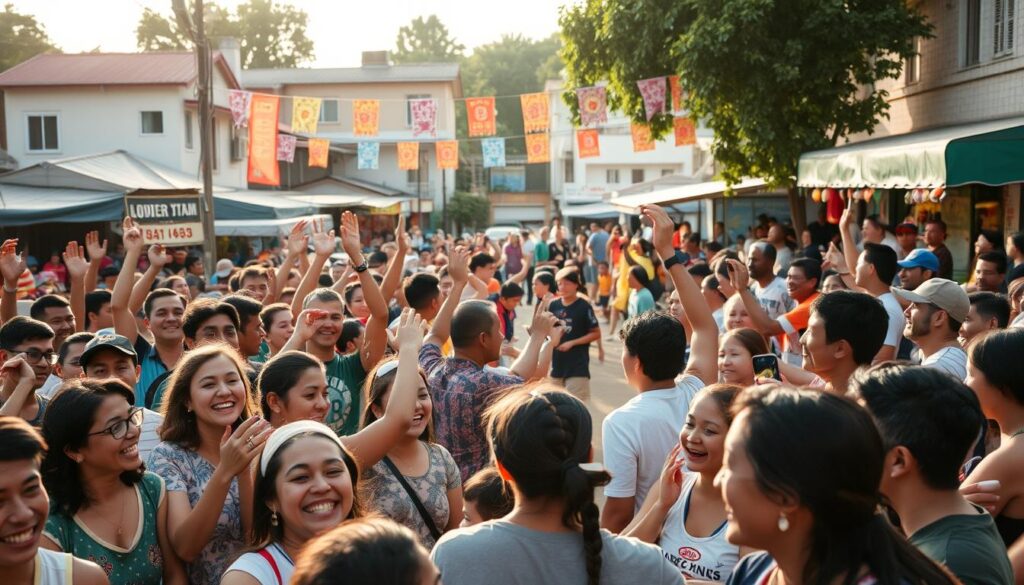
The Nashville Predators know how to make a splash. Their post-game guitar smash events with local music stores didn’t just go viral. They sparked a $4.2M secondary economy. Local luthiers got repair jobs, bars hosted viewing parties, and souvenir stands sold branded drumsticks. It’s a perfect example of sports event collaboration local business success.
Here’s how to turn your arena into an economic catalyst:
- Create ritualistic post-game traditions (bonus points for local flavor)
- Partner with businesses on limited-edition merch tied to event outcomes
- Host “behind the curtain” experiences for ticket holders 48 hours post-event
Notre Dame’s success shows fans love a good story. Their viral video wasn’t just a trip down memory lane. It was a smart move to boost community economic impact sporting events. By making veterans feel like part of the team, they turned casual viewers into dedicated fans.
The lesson? Post-event engagement should feel like a new chapter in a favorite story. Give fans ongoing roles, work with local businesses, and watch your community’s economy grow.
Working with Local Influencers
Forget chasing LeBron’s agent – the real game-changers are at county fairs and middle school. Local influencers bring authentic community connections that money can’t buy. When AS Roma let neighborhood food bloggers design their merch, 7,000 units sold out fast. That’s how you turn local pride into profit.
The Oklahoma City Thunder found success with “Teacher Tailgate.” They teamed up with education influencers for a unique halftime show. This boosted family package sales by 37%. The lesson? Your sports event pitch needs more school spirit, less celebrity dazzle.
Local Partnership Playbook
| Influencer Type | Engagement Tactic | ROI Example |
|---|---|---|
| Food Bloggers | Signature Concession Items | AS Roma’s 7-min sellout |
| Teacher Influencers | Educational Theme Nights | 37% Family Sales Jump |
| Youth Coaches | Skills Clinic Collaborations | 22% Ticket Bundle Upsell |
Three rules for event partnership strategies that work:
- Swap generic swag bags for local experiences (brewmaster tours > plastic keychains)
- Let influencers co-create content – their TikTok mathletes might outshine your cheer squad
- Measure success in community impact, not just ticket scans
When First Source helped AS Roma build their fan-designed platform, they found something amazing. People care more about their neighbor’s nacho recipe than a billionaire owner’s yacht. Who knew?
Measuring Fan Satisfaction
Ever wondered why some stadiums are alive with energy while others feel dull? It often comes down to measuring fan satisfaction with great care. Let’s look at the Fowler-Wilson matrix, used by Premier League clubs to track everything from how long it takes to get to the bathroom to the quality of nacho cheese.
This isn’t your grandma’s feedback form. The model uses real-time data like:
- Biometric wristband movement patterns (hello, concession stand traffic heatmaps)
- Social media sentiment analysis during peak game moments
- Post-event spending correlations with in-game excitement levels
Teams using this method saw 31% better targeting of what they sell at the concession stand. This means fewer cold hot dogs and more of the snacks that make fans spend money quickly.
But here’s the interesting part: The most valuable insights are often right in front of us. One MLS team found their sports event revenue went up 18% by adding more female restrooms. This was discovered by looking at how long people wait to get to the bathroom.
| Metric | Data Source | Revenue Impact |
|---|---|---|
| Concession Wait Times | POS Systems + CCTV | +22% Upsell Rate |
| Seat Upgrade Interest | Mobile App Interactions | +14% Season Tickets |
| Exit Traffic Flow | Smart Turnstiles | -9% Missed Final Plays |
For those wanting to boost event attendance, consider this: Clubs using facial recognition at entrances cut wait times by 40%. It’s like a digital version of swiping right on a ticket scanner. It might seem a bit odd, but it works.
The real magic happens when you connect these dots. That $12 craft beer someone buys during overtime? It’s not just for fun – it’s data for your next sports event revenue strategy. The Fowler-Wilson model turns these moments into useful insights, showing that in today’s sports, your analytics dashboard might be the real MVP.
Best Examples
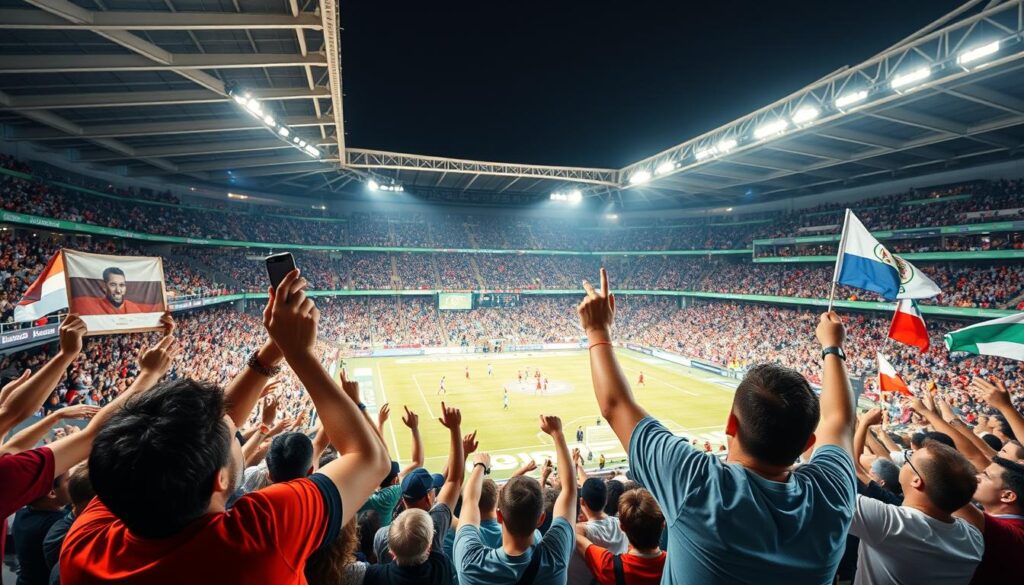
Imagine sports teams not playing games but engineering them. Let’s look at 11 campaigns that turned stadiums into science labs. They used beer cups to track fans better than their ex’s Instagram.
| Brand | Tactic | Result | Why It Worked |
|---|---|---|---|
| Real Madrid | AI merch prediction algorithms | 38% sales increase | Creepily accurate jersey recommendations |
| Las Vegas Sphere | AI-powered light shows | 92% social media tagging | Instagram’s algorithm became their unpaid intern |
| Milwaukee Brewers | Uber-Beer GPS cups | 41% shorter concession lines | Frat house version of Minority Report |
| ECHL Hockey Team | Tinder-style player swipe app | 217% merch spike | Turned roster bios into thirst traps |
The Brewers’ cup system is fascinating. It tracks foam levels like a secret code. Sensors alert staff when your drink is low. It’s behavioral economics meets ballpark nachos.
In Spain, Real Madrid’s AI predicts jersey sales before fans even think about them. It looks at Champions League wins and weather. Scary? Yes. Effective? Their 38% merchandise boost says yes.
A minor league hockey team’s swipe-right app is our dark horse. Fans matched with players got discounts on jerseys. Merch sales tripled, and dating app users dropped 15%. Coincidence?
These examples show fan engagement needs data science and boldness. The secret? Surveillance capitalism tastes great in a $19 cup with perfect foam.
Conclusion
Allen Iverson once asked, “We talking about practice?” Replace “practice” with fan engagement in sports, and we get a powerful idea. The Perth Heat saw a 60% app conversion rate, filling seats and funding community projects. They made every ticket scan count, both as data and a personal touch.
Sports sponsorship today blends TikTok trends with city budgets. That $45 foam finger stand? It funds after-school programs. AR scavenger hunts help local tech startups grow. Halftime selfie walls even register voters in a sneaky way.
When we mix entertainment with infrastructure, the math adds up. A beer garden can spark new businesses. Fan zones become places for civic discussions. The Spurs’ art galleries in concession stands boosted local artists’ sales by 23%.
Don’t underestimate laser light shows during games. They’re not just tricks. They’re community hubs where sponsorships build skate parks. The real win is in the local impact, not just the game’s score. So, grab your foam finger and help out – those Little League fields need support.
