
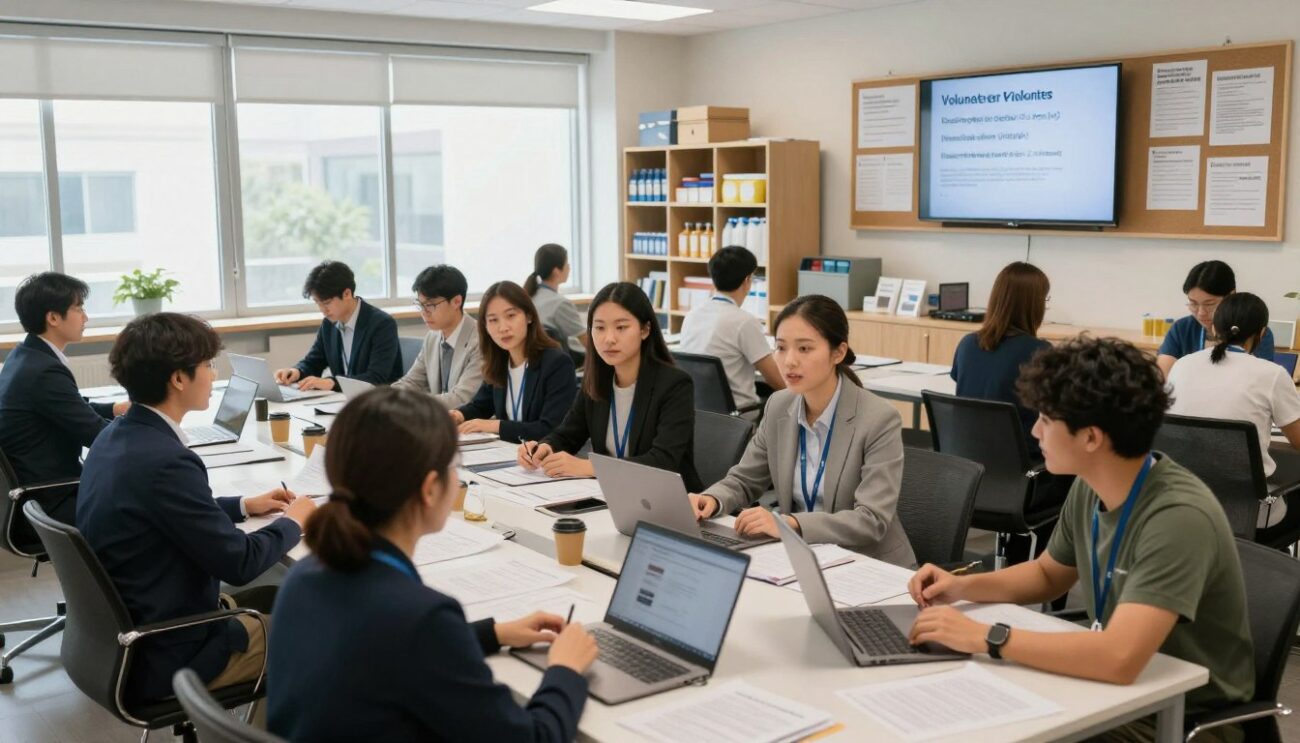
Every successful mission relies on what happens behind the scenes. The heart of an organization is its operational core. It shapes how well people are supported and tasks are done.
Look at top international programs. They thrive because of a central command. This volunteer HQ offers clear structure, roles, and support. It turns good ideas into real results.
For your local team, this backbone is just as vital. Investing in this infrastructure is a smart move. It boosts satisfaction and efficiency for everyone.
This method is similar to planning for major sporting events. Both need a dedicated operational model. The aim is to move from chaotic reactions to planned actions.
A well-functioning core makes everything smoother, from onboarding to daily tasks. It’s the secret to effective volunteer engagement. Let’s dive into creating a volunteer HQ that really works.
Credentialing and Uniform Distribution Flow
A well-designed credentialing station turns volunteers into ready team members. It’s the first point of contact, showing your professionalism. A smooth process here reduces confusion and boosts confidence right away.
Your credentialing process checks two main things: identity and qualifications. This means verifying IDs and certifications. For work with kids or vulnerable groups, it also includes background checks.
Organizations like GVI and Projects Abroad stand out because they have a clear arrival process. Volunteers are welcomed, shown to a station, and processed quickly.
After checking, it’s time to get your team ready. Uniforms, name badges, and safety gear should be given out smoothly. It’s like a kit-out station where everyone gets what they need.
Essential items for distribution often include:
- Program-branded shirts or uniforms for instant team recognition.
- Personalized name badges to foster a community atmosphere.
- Required safety equipment, similar to the gear provided in GoEco’s Nepal program.
- Any specific tools or manuals for their upcoming roles.
Efficiency is key. Long waits can upset volunteers and give a bad first impression. Use multiple stations for different steps to keep things moving.
This is also a chance to share important policies. While volunteers get ready, staff can go over safety rules and conduct. This way, they learn while they’re engaged.
A good credentialing and uniform process makes everyone feel ready and valued. They’re not just visitors; they’re official, equipped team members ready to help.
Volunteer Facilities and Amenities
Every successful volunteer shift relies on a key space: the break room. These areas are essential for a smooth operation. They keep everyone’s spirits high and energy levels up.
A break room is more than just a place for coffee. It’s a space for relaxation and bonding. Volunteers can share stories, get ready for the next task, or just sit quietly.

Programs like IVHQ Peru’s homestays or Maximo Nivel’s shared houses show the importance of rest. They offer a community and downtime. It’s clear that people need places to rest and recharge.
Manual labor volunteering, like construction, makes restrooms even more important. A good break room offers a clean, comfy spot to rest and regroup.
Effective volunteer facilities have a few key things:
- Locker Areas: Secure spots for personal items. This gives volunteers a sense of having a “home base” on site.
- Hydration Stations: Easy access to clean water and healthy snacks. Staying hydrated and fueled is key for safety and stamina.
- Quiet Zones: Places for meditation, reading, or a quick nap. These areas respect the need for mental break.
Investing in these amenities shows respect for volunteers’ time and health. It signals that their well-being is a priority. This thoughtful planning boosts camaraderie and reduces burnout.
The table below shows how different amenities support volunteers:
| Amenity Type | Key Features | Primary Benefit |
|---|---|---|
| Break Room | Comfortable seating, tables, kitchenette, charging ports, community board | Promotes social bonding and mental decompression between shifts |
| Locker Area | Individual lockers, bench seating, clear labeling, secure access | Provides security for personal items and a sense of personal space |
| Hydration Station | Water coolers, reusable cups, fruit bowls, healthy snack options | Maintains physical energy and prevents dehydration throughout the day |
| Quiet Zone | Soft lighting, comfortable chairs, noise-canceling guidelines, plants | Offers a mental reset, reducing stress and improving focus |
When these elements work together, they create a supportive system. Volunteers feel cared for, which leads to higher retention rates and positive word-of-mouth.
Just like community-focused living, on-site break rooms and amenities build a sense of belonging. They turn a worksite into a community hub. This environment encourages volunteers to return and become ambassadors for the cause.
These facilities are not a cost. They are a strategic investment in human capital. A volunteer who can recharge effectively performs better and stays longer.
Briefing Rooms and Storage
The ‘volunteer HQ’ isn’t just an office; it’s a dynamic hub. It’s built on clear communication and organized logistics. This central command post is where daily strategy is set and all necessary resources are secured. Without it, even the most passionate teams can drift off course.
A dedicated briefing room forms the informational heart of this HQ. It’s a space designed for focused alignment, not casual conversation. Here, supervisors from organizations like Projects Abroad conduct essential daily meetings. The core functions of this room are straightforward but critical:
- Daily Alignment: Quick, structured meetings to assign tasks, clarify roles, and set the day’s objectives.
- Safety Protocols: A consistent venue for safety briefings and emergency procedure reviews.
- Adaptive Updates: Sessions to communicate project changes based on real-time needs and seasonal shifts.
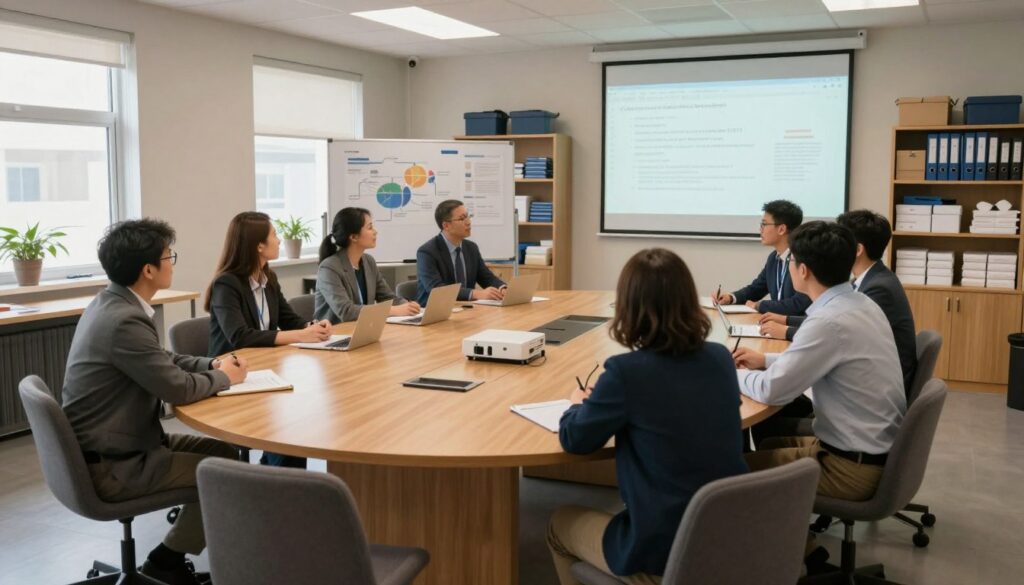
This last function is vital for adaptability. Programs in dynamic environments, similar to IVHQ’s operations in Laos, must pivot based on community needs or weather. A proper briefing room ensures every team member receives the same update simultaneously, preventing confusion. This adaptability is a key feature of a professional volunteer HQ.
The second pillar is intelligent, secure storage. Located adjacent to the briefing area, this solves a major operational headache. Designated lockers or shelves for personal gear keep belongings safe. More importantly, a locked and organized system for tools, construction materials, or medical supplies ensures accountability and safety.
Nothing slows down a project faster than missing equipment or a cluttered workspace. Effective storage keeps valuable resources secure and readily available. It turns the volunteer HQ from a theoretical concept into a practical, efficient workspace. Together, the briefing room and storage facility create an environment where strategy meets execution seamlessly, eliminating the clutter and miscommunication that can derail well-intentioned efforts.
Retention and Community Ambassadors Program
Retention starts with respect. Volunteers like Nicole with IVHQ or Kimsoo with Maximo Nivel feel valued. This makes them long-term partners. Smooth operations show respect, leading to positive experiences and deep connections.
You can create a Community Ambassadors Program. Find your most experienced and engaged volunteers. A credentialing process for leadership or mentorship roles gives them official recognition. It turns satisfied participants into true advocates for your mission.
Real-world models show this strategy works. The North Broad Renaissance runs a paid Community Engagement Ambassadors program. Ambassadors do event outreach and business canvassing. This builds lasting community relationships.
Sports tourism offers great examples. Tulsa’s Volleyball Village shared event profits with property owners. Birmingham created food trails that boosted visitor spending. Hoopfest used a TikTok challenge to increase teen sign-ups. These tactics make locals and visitors promoters.
Strategic credentialing and engagement turn participants into promoters. Your back-of-house infrastructure is key. It supports volunteer satisfaction and creates a pipeline of community ambassadors. This strategy extends your reach and ensures stability.
