The success of a major sporting event is often measured by attendance figures, television audiences, or championship moments. Yet the FIFA World Cup 2026 demonstrated that another metric may be even more important for host cities: hospitality performance.
Boston’s experience during the tournament illustrated how hotels, restaurants, local attractions, and tourism businesses can transform a global sporting event into a long-term economic opportunity. While Boston Stadium (Gillette Stadium) welcomed hundreds of thousands of fans across seven FIFA World Cup matches, the city’s strongest story unfolded beyond the stadium gates.
Hotels reported record performance, visitor spending increased across downtown districts, and international travelers explored neighborhoods throughout Greater Boston. These results reinforced a growing idea among destination marketers and economic development leaders: the most successful sports cities are those that encourage visitors to experience the entire community rather than simply attend a match.
As more American cities compete to host global events, Boston’s hospitality success offers a practical blueprint for redefining sports tourism through strategic planning, collaboration, and long-term investment.
Boston Turned World Cup Visitors Into Regional Travelers
Unlike many sporting events that concentrate activity around a single venue, the FIFA World Cup encouraged visitors to spend several days exploring host regions.
Boston benefited from this trend because of its unique combination of history, walkable neighborhoods, higher education institutions, waterfront attractions, and extensive hospitality infrastructure.
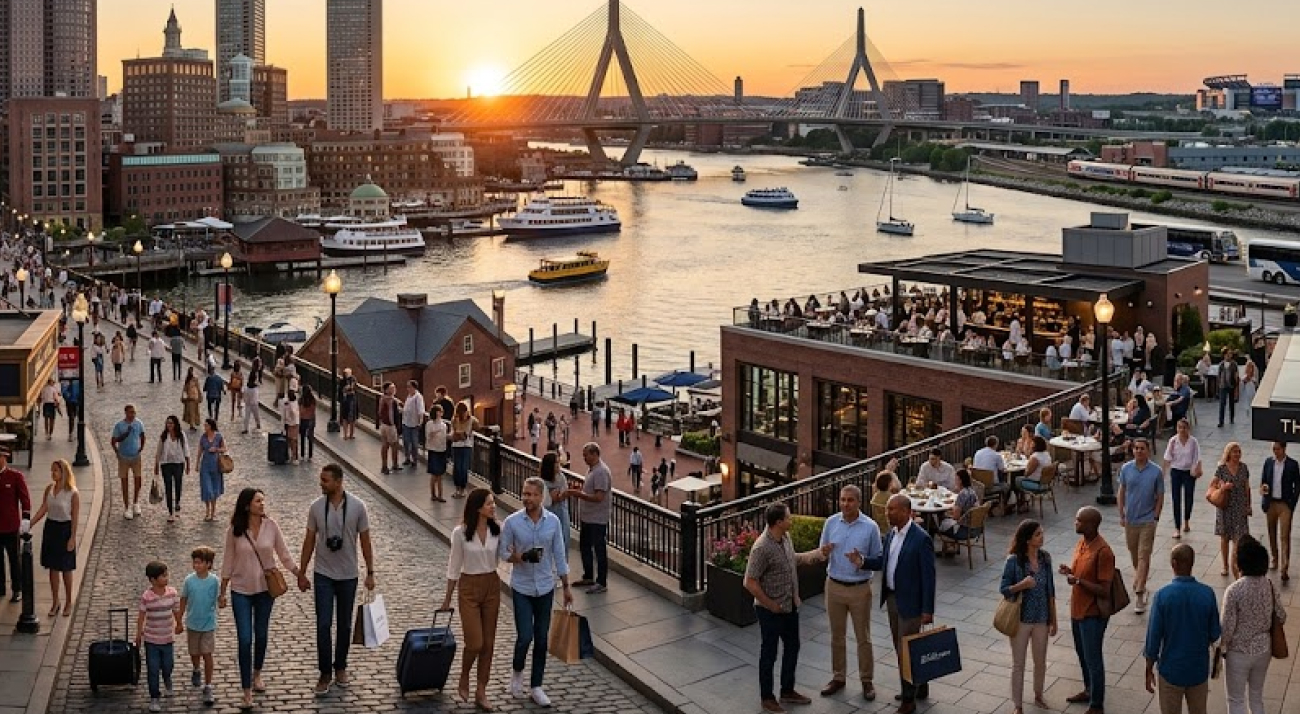
According to FIFA, the city hosted seven World Cup matches, attracting 447,283 spectators throughout the tournament. Supporters from dozens of countries visited not only the stadium but also destinations including Boston Common, Faneuil Hall Marketplace, the Freedom Trail, Cambridge, and communities throughout eastern Massachusetts.
Rather than functioning solely as a sports destination, Boston positioned itself as an international tourism hub where visitors combined soccer with cultural experiences, dining, museums, and regional travel.
This broader visitor behavior significantly expanded the tournament’s economic footprint.
Organizations such as Meet Boston, regional tourism partners, hospitality operators, and state agencies coordinated efforts to encourage longer stays and greater exploration beyond match days. Their strategy reflected an important shift in sports tourism: success increasingly depends on creating memorable destination experiences instead of maximizing ticket sales alone.
For communities interested in expanding tourism through major events, understanding these broader visitor patterns is becoming increasingly valuable. Richland Chamber has previously explored how destination development strategies strengthen local economies by encouraging visitors to engage with businesses throughout an entire region.
Record Hotel Performance Showed The True Economic Impact
The strongest evidence of Boston’s hospitality success came from hotel performance.

According to industry data reported following the tournament, Greater Boston achieved exceptional hospitality metrics during the World Cup period:
| Hospitality Metric | World Cup Performance |
|---|---|
| Hotel Occupancy | Approximately 87% |
| Average Daily Rate (ADR) | $410.44 |
| Revenue Per Available Room (RevPAR) | $357.36 |
| FIFA World Cup Matches Hosted | 7 |
| Total Spectators | 447,283 |
These figures represent more than strong business performance.
High occupancy rates indicate visitors remained in the region for multiple days rather than traveling only for individual matches. Elevated average room rates demonstrate that international demand increased the value of existing hospitality capacity without relying exclusively on additional hotel construction.
Revenue Per Available Room, one of the hospitality industry’s most important performance indicators, also reached impressive levels, illustrating how hotels benefited from both strong demand and premium pricing during one of the busiest travel periods in Boston’s recent history.
According to the American Hotel & Lodging Association, major sporting events increasingly influence destination competitiveness by attracting high-value international travelers who often spend more and stay longer than domestic leisure visitors. Learn more through the association’s hospitality industry research.
For city leaders, these numbers reinforce that investments supporting visitor experiences can produce measurable economic returns extending well beyond stadium operations.
Hospitality Is Becoming The New Measure Of Sports Tourism Success
Historically, host cities celebrated attendance records and television ratings as the primary indicators of a successful sporting event.
Today, those measurements tell only part of the story.
Economic development organizations increasingly evaluate how visitors interact with the broader community.
Questions now include:
- How many nights did visitors stay?
- Which neighborhoods benefited from tourism spending?
- Did restaurants, retailers, and attractions experience increased demand?
- Were international visitors encouraged to return after the event?
Boston provides an example of why these questions matter.
A visitor attending one World Cup match may spend several days exploring local attractions, dining in independent restaurants, visiting museums, using public transportation, and staying in nearby hotels.
The cumulative economic value of those activities frequently exceeds the revenue generated by a single event ticket.
This broader perspective has changed how cities approach event planning.
Instead of viewing hospitality as a supporting service, communities increasingly recognize hotels, restaurants, cultural institutions, and tourism organizations as central components of sports infrastructure.
That shift also encourages stronger collaboration among public agencies, destination marketing organizations, convention bureaus, and private businesses to maximize visitor experiences before, during, and after major events.
Sports Tourism Is Becoming A Long-Term Economic Development Strategy
The World Cup reinforced that sports tourism is no longer viewed simply as an entertainment industry.
For economic development organizations, chambers of commerce, convention bureaus, and municipal leaders, major sporting events have become strategic tools for attracting investment, supporting workforce development, increasing international visibility, and strengthening local business ecosystems.
Boston’s hospitality performance illustrates how this strategy works in practice.
Hotels experienced record demand.
Restaurants welcomed visitors from around the world.
Cultural institutions gained new international audiences.
Retail businesses benefited from increased foot traffic.
Transportation providers supported regional mobility.
Each of these sectors contributed to a broader visitor experience that strengthened Boston’s reputation as an international destination.
Rather than evaluating success through a single tournament, communities increasingly measure how sporting events improve competitiveness for future tourism, business travel, conventions, and investment opportunities.
That perspective transforms hospitality from a temporary service into a permanent economic development asset.
International Visitors Delivered Benefits Across Multiple Industries
One of the defining characteristics of the FIFA World Cup is its international audience.
Unlike many domestic sporting events, the tournament attracts travelers who often cross continents, remain in host destinations for extended periods, and visit multiple cities during a single trip.
Boston benefited significantly from this pattern.
International visitors generated demand across numerous industries simultaneously, including:
- Hotels and short-term accommodations.
- Restaurants and local food establishments.
- Museums and historical attractions.
- Retail businesses.
- Ground transportation services.
- Entertainment venues.
This diversified spending strengthens local economies because financial benefits extend beyond one sector.
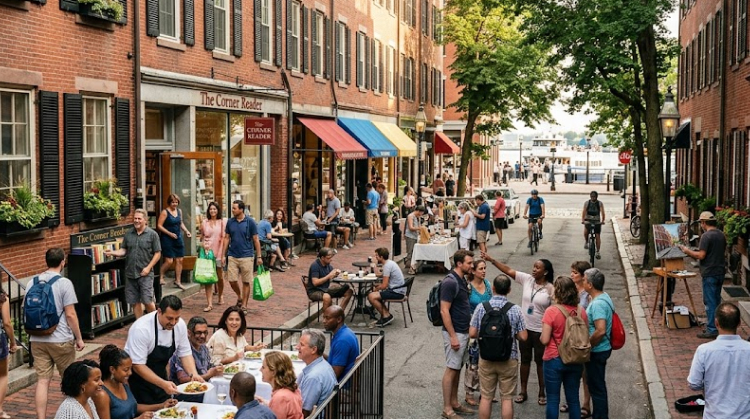
Rather than concentrating activity inside a stadium district, international tourism distributes economic opportunities across neighborhoods and communities throughout a metropolitan area.
The relationship between tourism and local economic growth has become increasingly important as cities compete to attract international events. According to U.S. Travel Association, visitors who stay longer contribute substantially more to local economies through accommodations, dining, shopping, and cultural experiences than short-duration travelers.
Boston’s World Cup experience demonstrated how coordinated tourism planning can convert global sporting events into regional economic development opportunities that benefit a broad range of businesses.
Boston’s Experience Offers A Blueprint For America’s Sports Tourism Future
The legacy of the FIFA World Cup 2026 in Boston extends beyond attendance figures and memorable matches.
It demonstrated that a city’s hospitality ecosystem can become one of its greatest competitive advantages.
By combining strong destination marketing, coordinated regional partnerships, high-quality accommodations, efficient transportation, and diverse visitor experiences, Boston showed that international sporting events create opportunities reaching far beyond the stadium.
As more American communities compete to host global competitions, the ability to deliver exceptional visitor experiences will likely become as important as the venues themselves.
Boston’s results suggest that the next generation of sports tourism success will be measured not only by how many fans attend an event, but by how effectively cities transform those visitors into long-term ambassadors, returning travelers, and contributors to sustainable economic growth.
