
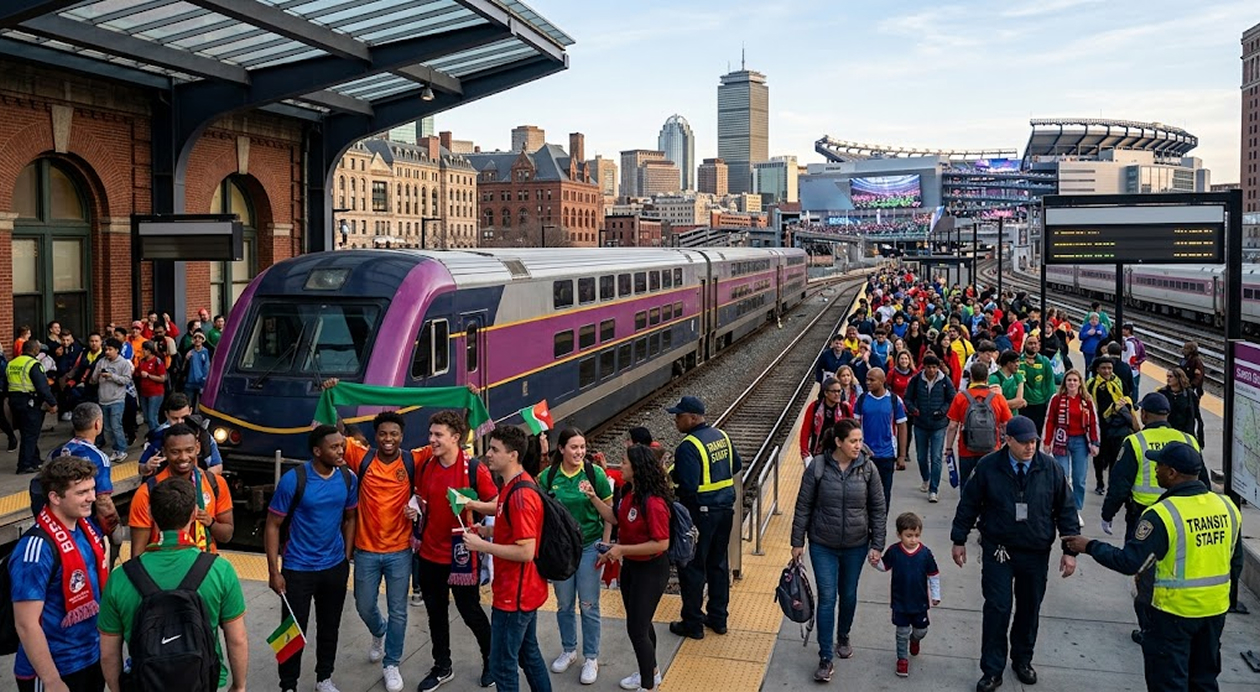
For decades, transportation has been one of the defining challenges for major sporting events in the United States. While organizers traditionally focused on expanding parking capacity and managing road congestion, recent tournaments have demonstrated that efficient public transit can play a much larger role in shaping the visitor experience. During the FIFA World Cup 2026, Boston provided one of the clearest examples of this shift, using its commuter rail network to move unprecedented numbers of fans to and from Gillette Stadium in Foxborough.
The results attracted national attention. According to the Massachusetts Bay Transportation Authority (MBTA), nearly 109,000 round-trip tickets were sold for commuter rail service between Boston South Station and Foxborough during the tournament. At the same time, Amtrak reported a 9% increase in ridership in the Boston region compared with typical travel volumes, highlighting the growing role of rail transportation during large-scale sporting events.
These figures represent more than successful event operations. They suggest that strategic transportation planning can improve fan mobility, reduce roadway congestion, strengthen regional tourism, and create infrastructure benefits that extend well beyond a single tournament.
For cities preparing to host future international competitions, Boston’s experience provides valuable lessons on how transportation investments can become one of the most important components of a lasting sports tourism legacy.
Why Transportation Is Becoming Central To Sports Tourism
The success of a major sporting event is no longer measured solely by attendance or television audiences. Visitors increasingly evaluate destinations based on how easily they can travel between airports, hotels, entertainment districts, restaurants, and competition venues.
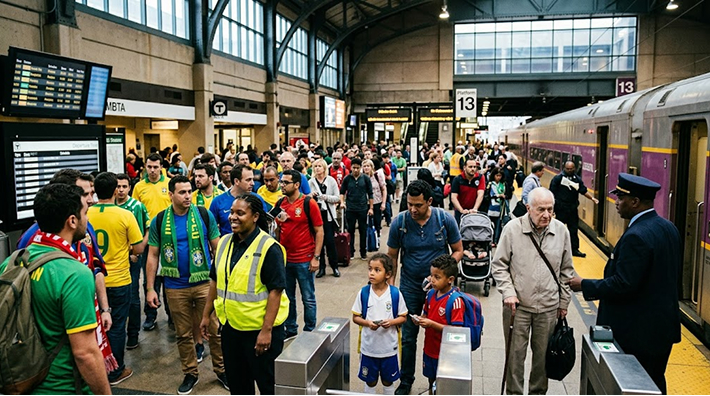
Transportation has therefore become an economic development issue as much as a logistical one.
When spectators spend less time sitting in traffic and more time exploring surrounding communities, local businesses benefit from additional visitor spending. Efficient mobility also improves visitor satisfaction, encourages longer stays, and strengthens the reputation of host cities competing for future events.
Boston entered the FIFA World Cup with an important advantage: an established regional rail system capable of connecting downtown Boston with Gillette Stadium through enhanced commuter rail operations.
Rather than encouraging thousands of additional vehicles to travel south on Interstate 95, transportation planners expanded rail capacity and coordinated operations between multiple agencies to move fans more efficiently.
According to the MBTA, the commuter rail service operated during the World Cup represented the largest special-event rail operation in the agency’s history. More information about the transportation program is available through the MBTA’s official World Cup service updates.
The strategy demonstrates how existing transportation infrastructure can be adapted to accommodate international sporting events without requiring entirely new construction.
Record Ridership Demonstrated Strong Public Demand
The numbers produced during the FIFA World Cup surprised even experienced transportation officials.
The MBTA sold approximately 109,000 round-trip commuter rail tickets connecting South Station with Foxborough throughout the tournament. According to reporting by Axios Boston, this represented nearly ten times the previous record for special-event commuter rail ridership in the region.
At the same time, Amtrak experienced a 9% increase in passenger volumes serving Boston during the tournament compared with normal operating periods, reflecting increased regional and interstate travel associated with World Cup matches.
The combination of regional commuter rail and intercity passenger service created an integrated transportation network that allowed visitors from throughout the Northeast Corridor to access matches while reducing dependence on private vehicles.
Transportation planners also benefited from coordinated operations involving station management, passenger communications, scheduling adjustments, and crowd control procedures that helped maintain efficient service despite exceptionally high demand.
| Transportation Outcome | Reported Result |
|---|---|
| MBTA commuter rail tickets sold | Nearly 109,000 round trips |
| Increase in Amtrak Boston ridership | Approximately 9% |
| Previous MBTA special-event record | Nearly ten times lower than World Cup demand |
| Primary destination | Gillette Stadium, Foxborough |
These figures highlight an important trend affecting sports tourism throughout the United States. Fans are increasingly willing to choose public transportation when it offers predictable travel times, convenient station access, and reliable event-day service.
Richland Chamber has explored similar themes through its analysis of sports mobility strategies, demonstrating how transportation planning has become a competitive advantage for destinations hosting international events.
Rail Service Helped Expand The Visitor Experience
The value of Boston’s transportation strategy extended beyond moving spectators to the stadium.
Visitors arriving by rail were able to stay in downtown Boston, dine in local restaurants, visit museums, shop in neighborhood business districts, and explore historic attractions before traveling to Foxborough for matches.
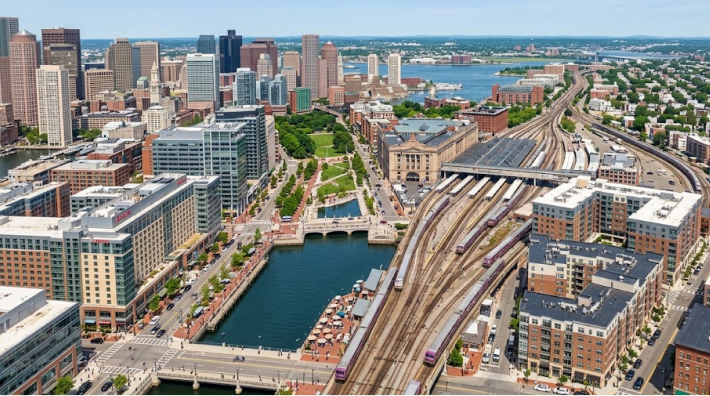
This broader geographic movement distributed tourism spending across multiple communities instead of concentrating economic activity exclusively around the stadium.
The rail connection also simplified travel for international visitors unfamiliar with Boston’s highway system. By providing direct service from South Station, transportation agencies reduced uncertainty while creating a more accessible experience for fans arriving from airports, hotels, and other regional transit connections.
The transportation system therefore became part of the overall event experience rather than simply a means of reaching the venue.
According to Axios Boston, transportation officials described the World Cup as an opportunity to demonstrate the region’s ability to accommodate major international events through coordinated public transit rather than expanded highway capacity. Additional reporting is available through the Axios Boston transportation analysis.
What Boston’s Success Means For Future Host Cities
The operational success achieved during the FIFA World Cup provides an important case study for communities preparing to host future sporting events.
Many metropolitan areas already possess rail systems, commuter corridors, or regional transit infrastructure capable of handling additional demand with targeted operational improvements. Boston demonstrated that investments in scheduling, passenger information, station management, and interagency coordination can significantly increase transportation capacity without requiring entirely new rail networks.
Transportation planners across the United States are increasingly recognizing that mobility influences far more than traffic conditions. It affects visitor satisfaction, environmental sustainability, local business participation, and the long-term reputation of a destination within the sports tourism industry.
The lessons emerging from Boston are likely to influence future planning discussions as cities prepare for additional international tournaments, championship events, and other large-scale competitions where efficient public transportation may become one of the most valuable assets a host community can offer.
Economic Impact Beyond The Stadium
Boston’s World Cup transportation success demonstrates that public transit can become a direct driver of economic development during major sporting events. The value of moving fans efficiently extends beyond transportation performance because visitor movement determines where tourism spending occurs.
When spectators can easily access downtown areas, restaurants, hotels, entertainment districts, and cultural attractions before and after matches, the economic benefits of hosting an event spread throughout the region.
For Foxborough and surrounding communities, the connection between Boston’s urban core and Gillette Stadium created opportunities for businesses across multiple locations. Visitors staying in Boston were able to participate in the broader tourism economy while still attending matches located outside the city center.
This distribution model represents an important shift in sports tourism planning. Historically, many host communities focused economic benefits around stadium districts, where temporary increases in visitors often disappeared once events ended. Modern strategies increasingly focus on creating transportation networks that allow visitors to interact with entire regions.
The Massachusetts sports economy has already demonstrated the value of large-scale events. The region regularly hosts professional sports, college competitions, and international gatherings, but the World Cup provided a unique opportunity to evaluate how transportation infrastructure supports tourism at a global level.
A successful transportation system increases the potential economic footprint of an event because visitors are more likely to explore additional destinations when mobility is simple and reliable.
| Economic Benefit | Transportation Connection |
|---|---|
| Increased visitor spending | Easier access to restaurants, hotels, and attractions |
| Regional tourism growth | Visitors can explore multiple communities |
| Business participation | Local companies benefit beyond venue areas |
| Destination reputation | Efficient mobility improves future event competitiveness |
This relationship between transportation and economic impact has become increasingly important as cities compete to host international competitions. The ability to demonstrate reliable visitor mobility can influence future decisions by sports organizations selecting host destinations.
Sustainability Lessons From Boston’s Rail Strategy
The environmental benefits of Boston’s transportation model are equally significant.
Large sporting events traditionally create transportation challenges because thousands of additional vehicles travel to concentrated locations within short periods. Increased traffic congestion leads to higher emissions, longer travel times, and additional pressure on surrounding neighborhoods.
By moving large numbers of spectators through commuter rail, Boston reduced the number of private vehicles traveling to Foxborough during World Cup matches.
This approach aligns with broader sustainability goals established by organizations such as the International Olympic Committee and global sports governing bodies that increasingly evaluate host cities based on environmental responsibility.
The International Olympic Committee has emphasized reducing emissions, improving public transportation access, and creating long-term infrastructure benefits through its Olympic sustainability initiatives.
Boston’s experience demonstrates that sustainability does not always require completely new infrastructure. In many cases, cities can achieve meaningful improvements by optimizing existing transportation systems and improving coordination between agencies.
The lesson is particularly relevant for future American host cities preparing for large sporting events. Communities often already possess valuable transportation assets but need stronger operational planning to maximize their effectiveness.
How Boston Compares With Other World Cup Host Cities
Boston’s success is part of a larger transformation occurring across FIFA World Cup host cities in the United States.
Los Angeles has focused on Metro expansion, shuttle coordination, and transportation preparation ahead of the 2028 Olympic Games. The Bay Area has emphasized regional connections around Levi’s Stadium, combining event transportation with broader tourism strategies.
Each city faces different geographic challenges, but the common factor is the growing recognition that transportation systems are essential sports infrastructure.
Unlike stadiums, which primarily serve specific events, transportation networks provide benefits every day. They connect workers with jobs, residents with services, and visitors with economic opportunities.
This makes transportation one of the most valuable forms of sports legacy investment.
Boston’s experience also provides a counterpoint to the idea that only cities with massive subway systems can successfully host international events. The region relied heavily on commuter rail, demonstrating that different forms of public transportation can create effective solutions when planning, communication, and operations are coordinated.
Future host cities may examine Boston’s model when designing transportation strategies for events that require moving tens of thousands of people efficiently.
The Future Of Sports Transportation In American Cities
The success of Boston’s World Cup rail operations signals a broader change in how American cities approach major sporting events.
Transportation is moving from a background logistical challenge to a central part of event strategy. Cities are beginning to understand that the ability to move people efficiently can influence economic outcomes, sustainability goals, and public perception.
For future tournaments, successful host communities will likely focus on several priorities:
- Strengthening connections between airports, city centers, hotels, and venues.
- Improving communication systems so visitors can confidently navigate unfamiliar transportation networks.
- Building partnerships between transit agencies, tourism organizations, and event operators.
- Creating infrastructure improvements that remain valuable after the event ends.
The most successful sports tourism destinations will not simply provide places where competitions happen. They will create complete visitor ecosystems where transportation, hospitality, entertainment, and community development work together.
Boston’s World Cup rail performance offers a clear example of this approach. The region did not rely on massive highway expansions or temporary transportation solutions. Instead, it demonstrated how existing infrastructure, strategic planning, and regional cooperation can support one of the world’s largest sporting events.
The long-term impact of this success will be measured not only by the number of fans who reached Gillette Stadium, but by whether the lessons learned influence how American cities prepare for future global competitions.
As sports organizations continue selecting host destinations, transportation capacity will increasingly become a deciding factor. Cities that can offer reliable, sustainable, and accessible mobility will have a stronger position in the growing competition for international sporting events.
