
Let’s cut through the hype. Hosting sports events can boost your city’s economy more than tax breaks. Sports tourism is a $90 billion boost, says SETA research.
Valdosta, Georgia, is a prime example. It’s the Division II football capital. They make every touchdown count for local businesses.
Hotels are always full. Restaurants serve pancakes at 2 AM. Gas stations sell team merchandise.
You don’t need NFL games to see benefits. Little League and pickleball tournaments also help. They create a ripple effect of spending.
So, don’t overlook that youth soccer tournament. It could be the key to your city’s revival. Maybe your next economic hero wears cleats, not a suit?
Introduction: Framing the Hosting Opportunity
Imagine your city’s rec center becoming a Rocky Balboa. It goes from underdog to champion with one big event. Hosting major events can turn municipal facilities into economic powerhouses quickly.
The National Recreation and Park Association says event partnerships boost facility use by 72% in two years. This means your tennis courts are no longer just for seniors. They can now make money, too.
Let’s look at the numbers. A single volleyball tournament can:
- Fill 300 hotel beds on a Tuesday
- Boost restaurant sales by 40% during off-peak hours
- Turn parking meters into ATMs for your public works department
But the real magic is in the lasting impact. Hosting big events can make your town famous. It becomes known for hosting big sports events, like the state lacrosse finals or the regional swim meet. Your town becomes the place where sports excitement happens.
Why let your soccer complex be a dog park when it can be the heart of your city’s story? By turning infrastructure into experiences, you attract visitors who become your town’s ambassadors.
Short-Term Economic Benefits
Hosting a major sports event is like giving your city an espresso martini. It’s a quick, strong boost to the economy. Politicians might talk about long-term plans, but the 72-hour revenue tsunami from events brings quick wins. Every minute is precious in this financial rush.
Hotel Hustle and Visitor Velocity
When 20,000 lacrosse parents come to town, sports event hotel revenue soars. Here are some examples:
- Nashville’s 2023 NHL Draft: 92% hotel occupancy with rates tripling to $459/night
- NCAA March Madness host cities: Average $15M in lodging taxes per weekend
- Little League World Series: 40,000+ visitors propping up rural Pennsylvania motels
This leads to more money for rideshare drivers, pizza places hiring extra staff, and hotel workers smiling through long hours.
Main Street Money Tsunami
Sports tourism brings a firehose of local spending. A youth tournament in Omaha shows the numbers:
| Business Type | Average Sales Lift | Peak Purchase |
|---|---|---|
| Sporting Goods Stores | +180% | $2,400 cleats |
| Family Restaurants | +220% | 62 milkshakes/hour |
| Urgent Care Clinics | +90% | 127 sprained ankles |
Even the Super Bowl’s $500M impact is dwarfed by smaller tournaments. Eight softball games in Toledo bring more consistent local economy sports tournaments benefits than one big event. It shows that small events can add up to big dollars.
This financial boost has its downsides, but we’ll look at those later. For now, let’s enjoy the economic high from cash registers ringing out.
Long-Term Gains: Infrastructure and Civic Pride
Forget gold medals – the real victory lap happens decades later. Your city’s skyline will show off Olympic-grade infrastructure. Hosting major sports events isn’t just about temporary bleachers and overpriced hot dogs. It’s the ultimate urban glow-up, turning forgotten neighborhoods into functional showpieces.
Take Valdosta, Georgia’s playbook. Their tournament-hosting strategy turned crumbling parking lots into multi-sport complexes. These complexes doubled as community hubs. Residents weren’t just cheering visitors – they were using athlete-grade facilities for weekend pick-up games. Talk about a participation trophy that actually matters.
Three infrastructure wins cities score long after the final whistle:
- Transportation networks built for 100,000 fans become commuter lifelines
- Media-ready plazas evolve into permanent cultural districts
- Upgraded utilities handle both game-day surges and population growth
But here’s the kicker: these projects spark something deeper than concrete and steel. When citizens watch their “boring” municipal budget birth gleaming aquatic centers or smart transit lines, it triggers a collective “hell yeah” moment. Suddenly, community pride isn’t just a hashtag – it’s the reason your neighbor actually attends town hall meetings.
Of course, critics will cite overall costs as justification for naysaying. But compare apples to arena apples: A viral TikTok challenge lasts 48 hours. A regenerated waterfront district with bike trails and mixed-use spaces? That’s the gift that keeps on taxing (property values upward, that is).
What’s more valuable than viral moments? A sewage system that doesn’t flood during halftime. Tourism spikes fade, but community pride cemented in steel-reinforced concrete? That’s how cities level up from flyover status to destination royalty.
Social and Cultural Advantages
Sports tournaments are like duct tape for society. They’re messy but effective at bringing people together. Friday night lights turn into community gatherings, where strangers bond over shared experiences.

The NRPA found that 83% of communities hosting local tournaments see a big jump in civic engagement. Parents bond over rain delays, and towns work together through youth sports. Even mayors show their team spirit by wearing rival jerseys.
These events bring people together, regardless of their background. Bank CEOs and baristas find common ground over sports. Local tournaments help build trust and support community projects.
Here’s how it works:
1. Shared rituals (national anthem, halftime shows)
2. Collective emotional investment (last-second victories)
3. Post-game analysis at Main Street diners
= A formula for turning ZIP codes into teams.
Have you ever high-fived a neighbor at a zoning meeting? Sports tournaments create moments like these. They turn civic pride into real-life experiences.
The real trophy is a community that stays united. Hosting tournaments is about building a stronger community, one hot dog at a time.
Risks and Cost Considerations
Hosting big sports events isn’t always easy. It can be like chasing a deflated football through financial quicksand. For every success story like Barcelona ’92, there’s a cautionary tale like Montreal ’76. Let’s explore the financial challenges in a way that’s easy to understand.
The biggest trap is the “Field of Dreams” fallacy. This is the idea that if you build it, people will come forever. Cities often don’t realize:
- Post-event venue maintenance costs (hello, $15 million annual stadium light bills)
- Insurance premiums for weather disasters or terrorist threats
- Infrastructure strain from sudden population surges
| Event Type | Projected Cost | Actual Cost | Taxpayer Burden |
|---|---|---|---|
| Olympics (Montreal 1976) | $120M | $1.6B | 30-year debt |
| World Cup (Brazil 2014) | $3B | $15B | Abandoned stadiums |
| Super Bowl (Avg Host City) | $5M | $20M+ | Temporary fixes |
Insurance costs can be overwhelming. Most events now require:
- Event cancellation coverage ($100M+ policies)
- Non-appearance insurance for star athletes
- Extreme weather protection clauses
But smart cities find ways to benefit from hosting big events. They use risk management to their advantage. For example, Phoenix had a $2M “rainy day fund” for the Final Four. They used it during a heat emergency. The key is to be flexible with budgets and have good auditors.
Learn more about the advantages of major events and how to manage risks.
Practical Tips for Maximizing Benefits
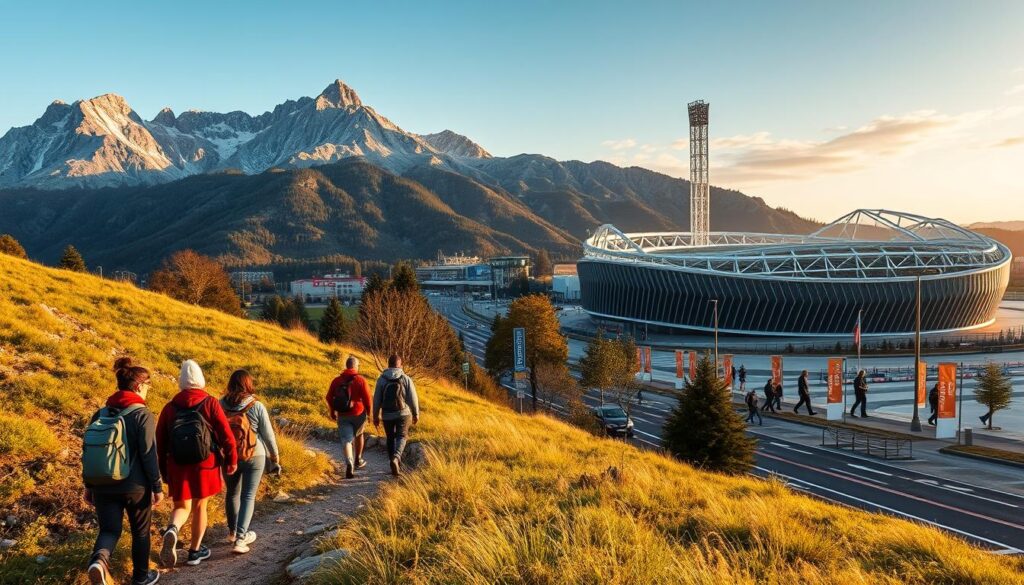
Game day economics are more than just ticket sales. It’s about making money from every little thing, like nacho cheese spills in the parking lot. Let’s move beyond the basics and explore sports tourism strategies. These strategies can turn visitors into gold mines.
First, treat your city like a fantasy football draft. Every local business is a valuable asset.
Here’s how to level up:
- Sponsorship Tetris: Build partnerships like a pro gamer. That craft brewery is great for a “hydration station” sponsorship. The local tech college is perfect for naming Wi-Fi zones.
- Parking Lot Potlucks: Turn parking lots into money makers with food trucks and mobile merch stands. $10 “I Survived Stadium Traffic” bumper stickers are a hit.
- Data-Driven Huddles: Use platforms like Events.org to track spending. Their real-time analytics make measuring economic impact sporting events simple.
Don’t forget the post-game show. Create social media filters that tag your city, making visitors brand ambassadors. Geo-targeted discount codes can also bring tourists back during slow seasons.
Successful sports tourism isn’t just about winning. It’s about making your city a winner. Now, go out there and make money like you own the arena.
Conclusion: Making the Case for Hosting
Hosting sports events is more than just a weekend buzz. It’s a game-changer for local economies. It’s like winning the championship, with benefits that keep adding up.
SETA says cities can see a 12% jump in tourism revenue each year. This growth isn’t just from ticket sales. It’s about building a lasting legacy.
Local businesses shine when events come to town. But the real win is in community pride. Imagine Main Street buzzing with life, a place where everyone comes together.
Atlanta and Indianapolis show us how hosting can boost the economy. Their strategies turn stadiums into economic powerhouses, even after the games are over.
The numbers are clear. Investing in facilities leads to more jobs, media attention, and pride. It’s a winning strategy. Why not be the leader in your region’s growth?
So, does your community want to be the star or just a background player? Hosting events can change your story. It’s time to step up and take the field.
