The final buzzer sounds, and the crowd’s roar fades. What remains after the stadium lights go out? For many cities, the answer is not enough.
Places like Pensacola show us a better path. There, sports culture is seen as a full-cycle economic engine tied directly to identity. Major events can spark cultural movements and strengthen local bonds far beyond the final whistle.
Yet, this powerful catalyst often produces only temporary buzz. Without a deliberate strategy, the long-term benefits for a city or region can be fleeting.
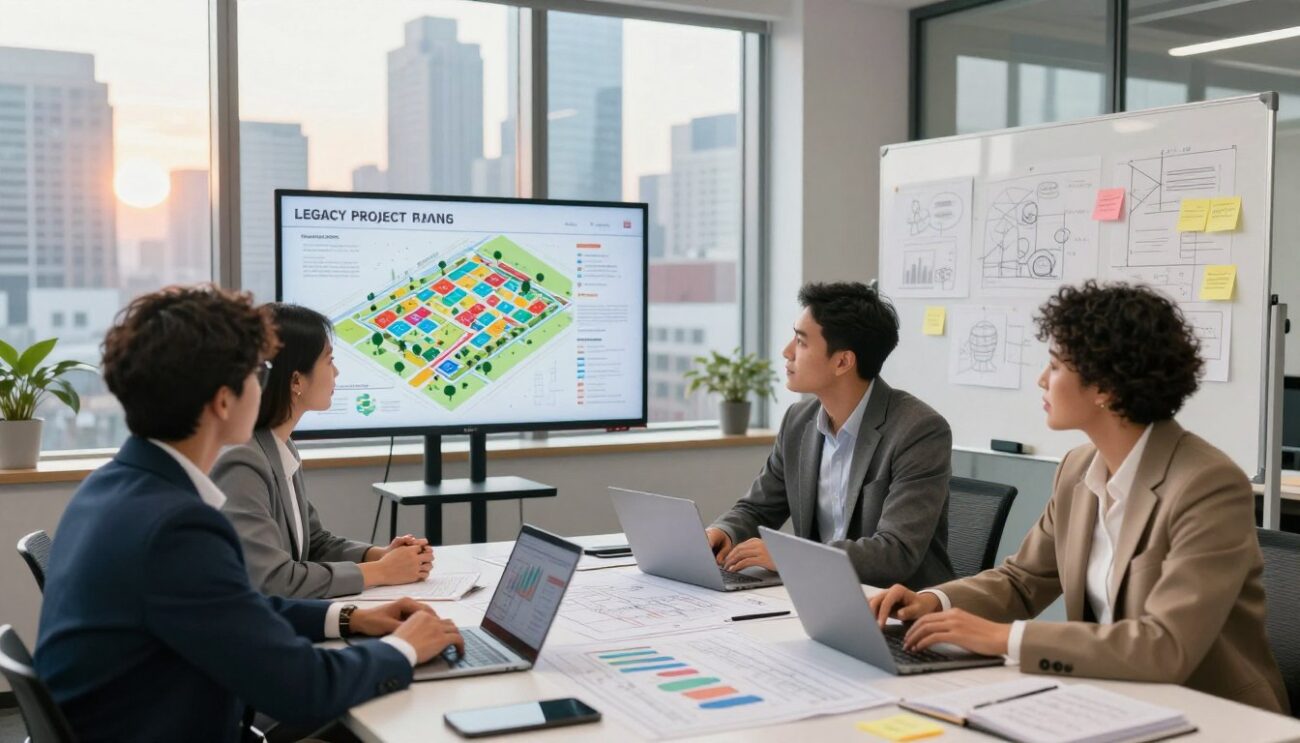
This is where intentional legacy planning comes in. It’s a strategic move from short-term excitement to creating sustained, measurable value. It’s about designing legacy projects that turn event energy into permanent community assets.
True planning looks at the whole picture. It aligns stakeholder goals, fosters youth development, and sets smart facility policies. It also requires tracking key performance indicators and communicating results effectively.
This approach transforms a one-time tournament into a lasting force for economic diversification, public health, and social cohesion. Understanding the community lifecycle from launch to legacy is key for this transition. The goal is clear: move beyond game day to build a foundation for enduring prosperity, much like the strategies for maximizing sports tourism value.
Defining Legacy Goals with Stakeholders
Before starting, legacy planners must gather voices that shape the project’s purpose. This first step brings the vision to life, touching the community it serves.
Building a broad coalition is key. It includes local school athletic associations and professional teams. Their focus on community and family is vital.
The list must grow. It should include local government, tourism boards, non-profits, and advocacy groups. Also, local business owners are important, as their success depends on events and sponsorships.
Next, hold structured workshops with this diverse group. The goal is to turn vague ideas into clear, actionable plans. A facilitator helps find common ground among different interests.
For example, a tourism board might focus on marketing, while a school official wants more youth programs. A shared plan can meet these needs. The stadium could host tournaments and support local youth programs.
Stakeholder input shapes the legacy plan. Goals often fall into clear categories:
- Youth & Sports Development: Boosting youth programs and creating athlete paths.
- Public Health: Promoting wellness and physical activity through facility access.
- Economic Development: Driving investment and supporting local businesses.
- Civic Pride: Building a shared identity and community space.
This process ensures the plan is co-created, not imposed. It reflects a shared vision, where a stadium’s success is measured by its community impact. Defining goals together fosters accountability and shared ownership, making plans last.
Youth Development and Health Partnerships
Programs that mix sports with life skills and health education offer big benefits for young people. They aim to make sports facilities into community centers that boost health outcomes and personal growth. To achieve this, they partner with schools, public health departments, and local nonprofits.
The “Team Up, Grow Up” mentorship is a great example. It pairs high school athletes with younger kids. They do homework, talk about challenges, and build trust. Marcus Cruz, a former pro athlete, teaches lessons on resilience and teamwork.

These efforts lead to real results. One community saw a 30% increase in youth sports after starting similar programs. The increase was big among girls and kids from underrepresented areas. This shows the importance of inclusive programs.
Working with health organizations can make these programs even better. Local hospitals or public health departments can sponsor health screenings at events. They can also add nutrition education to sports clinics. For example, a clinic might teach about healthy snacks for energy.
Community events can mix fun with learning. The Pensacola Cape Pamlico Race for Charity is a good example. It combines athletics with STEM education and environmental cleanup. Kids learn science while being active and helping their community.
To build a strong partnership, focus on these key points:
- Shared Goals: All partners must agree on clear objectives for youth development and community health outcomes.
- Integrated Curriculum: Design programs that teach life skills, like communication and leadership, alongside sports drills.
- Measurement Plans: Track more than just wins and losses. Measure improvements in confidence, school attendance, and healthy behaviors.
- Sustained Funding: Seek grants and sponsorships dedicated to long-term community wellness, not just one-time events.
Here is a comparison of common partnership structures and their primary focuses:
| Partnership Type | Core Activities | Key Measured Outcomes |
|---|---|---|
| School & League Mentorship | Homework help, sports practice, life skill workshops | Improved grades, increased sports participation, higher self-esteem |
| Public Health Collaboration | On-site health screenings, nutrition education, mental wellness talks | Better awareness of healthy habits, early identification of health issues, improved community health outcomes |
| Corporate & Community Event | Charity races, STEM-sport festivals, environmental projects | Funds raised for local causes, increased volunteerism, enhanced public engagement |
Creating the program curriculum is key. It should balance physical activity with lessons in teamwork, goal-setting, and emotional intelligence. Coaches and mentors need training to deliver this content well. The soft skills kids learn are as important as their athletic progress.
Measuring success is more than just numbers. Tracking figures is important, but also listen to stories and feedback. Are kids more confident? Are families making healthier choices? These qualitative health outcomes show the program’s real impact.
Remember, sustainability is essential. A one-year grant can start a program, but lasting change needs ongoing support. Build relationships with local health providers and businesses. Show them the data on how sports partnerships boost community well-being. This evidence turns short-term projects into permanent community assets.
Facility Access Policies
Legacy projects become community assets through fair access policies. They start as construction milestones and grow into something useful. A facility that sits empty most of the year doesn’t meet its promise.
Without good governance, these projects might not be used much. The goal is to make them useful for everyone. This turns them into lively places for daily activities.
Good access policies have three key parts. These are scheduling, fair fees, and varied programs. Together, they make a facility useful and valuable to the community.
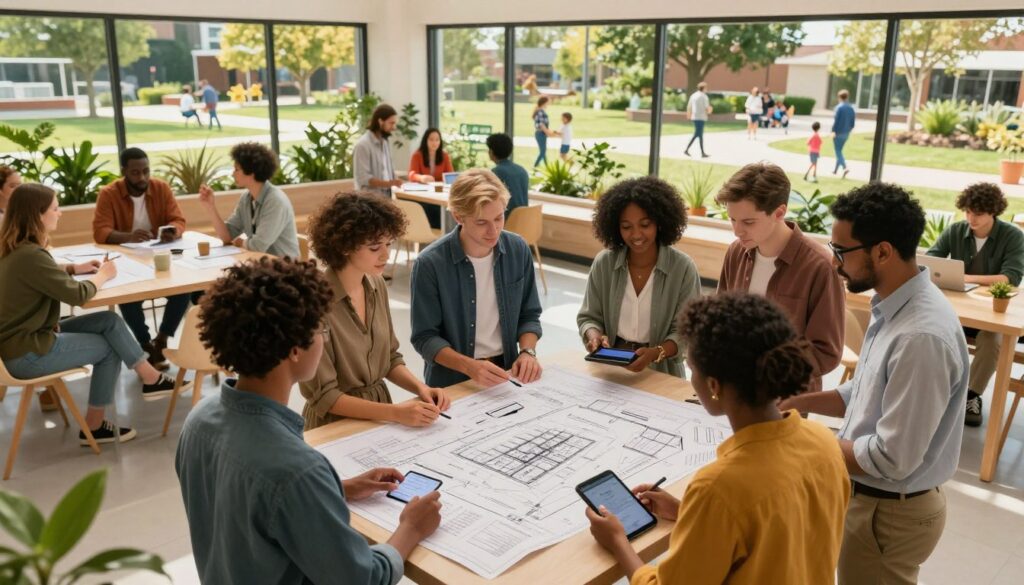
- Scheduling Protocols: Make a clear schedule that meets team needs and leaves space for schools, clubs, and non-profits. This avoids conflicts and ensures everyone can use it.
- Equitable Fee Structures: Offer different prices. This makes it affordable for local groups and helps pay for upkeep. Nonprofits should get discounts.
- Diverse Programming: Plan events that aren’t sports to keep the place busy all year. This is where legacy projects really shine.
The Pelicans’ stadium is a great example. It became a lively spot for community events and music festivals. This shows how one place can meet many needs.
Upgraded lighting at a local high school lets teams play at night all year. A facility’s worth is how often and how well it’s used. Good policies are key, like those for digital security.
The true value of legacy projects is in how active they are, not just how they were built. Clear policies are the key to making a building a cherished part of the community.
Tracking KPIs Over 3–5 Years
Without solid numbers, the real impact of sports facilities and youth programs is hard to measure. Just stories and good feelings aren’t enough. You need real data over years to keep funding and support.
Key Performance Indicators (KPIs) make goals clear. They focus on three main areas of community legacy.
Economic Impact KPIs show how the project helps the local economy. Look at local business revenue, job creation, and tourism spending. For example, a 22% revenue increase for shops and restaurants during big game weeks is a sign of success.
Social Impact KPIs measure how the project engages and develops the community. Track after-school activity participation, volunteer hours, and event attendance. Growth in youth programs registrations is a key metric.
Health Impact KPIs come from partnerships with health groups. Look at childhood obesity rates and physical activity levels. These metrics show the project’s health benefits.
Real data tells a strong story. For example, an 18% increase in high school football attendance over five years shows lasting interest. Over 75,000 fans at a new team’s first seasons also prove sustained interest.
Gathering this data requires different methods. Use ticket sales and surveys for economic data. Work with schools and non-profits for program enrollment reports. Public health data offers insights into community wellness.
The three to five-year window is key. One year’s data is just a snapshot. Tracking over years shows true trends. It proves if a program is growing or fading, helping make smart changes.
If a youth programs initiative sees no growth after two years, it’s time to adjust. Maybe it needs better marketing or a schedule change. Data-driven decisions ensure resources are used effectively.
Creating a clear KPI framework turns hope into strategy. It provides the evidence needed to justify investment and grow successful community legacies.
Communicating Impact to Residents and Funders
The success of legacy projects depends on sharing their story well. Turning data into stories that people can relate to is key. Show how these projects have made a difference, like through open-air markets or art installations.
Residents need to feel the impact to stay proud. Use social media to show legacy projects in action. A hashtag like #GameDayPens can highlight photos from mentorship sessions. Share stories of local entrepreneurs, like those behind the “GameDay Local” app.
Funders want to see their investment pay off. Instead of just numbers, tell the story of one person’s journey. Show how better access to facilities has improved health and life paths.
Host events for funders to see the impact themselves. Good communication mixes economic data, social progress, and health outcomes. This proves the lasting value of investing in communities.
