Starting a big project needs smart money management. You must understand the complex world of development finance.
This guide covers all financing tools. It includes big public options, specific grant programs, and corporate sponsorships.
Real examples show how it works. The Brightline high-speed rail used municipal bonds for huge projects. State programs like SEFI help get bigger federal loans with local grants.
Grassroots fundraising is also key. Guides like the PRSSA playbook give basic steps for community support.
A multi-faceted strategy is vital. You need to mix public funding, grants, and partnerships. This guide will help you use each method for your project.
Public Financing Options and Tradeoffs
Public financing goes beyond simple loans. It includes complex tools like municipal bonds and state programs to get federal funds. Choosing the right option is key for your project’s financial health.
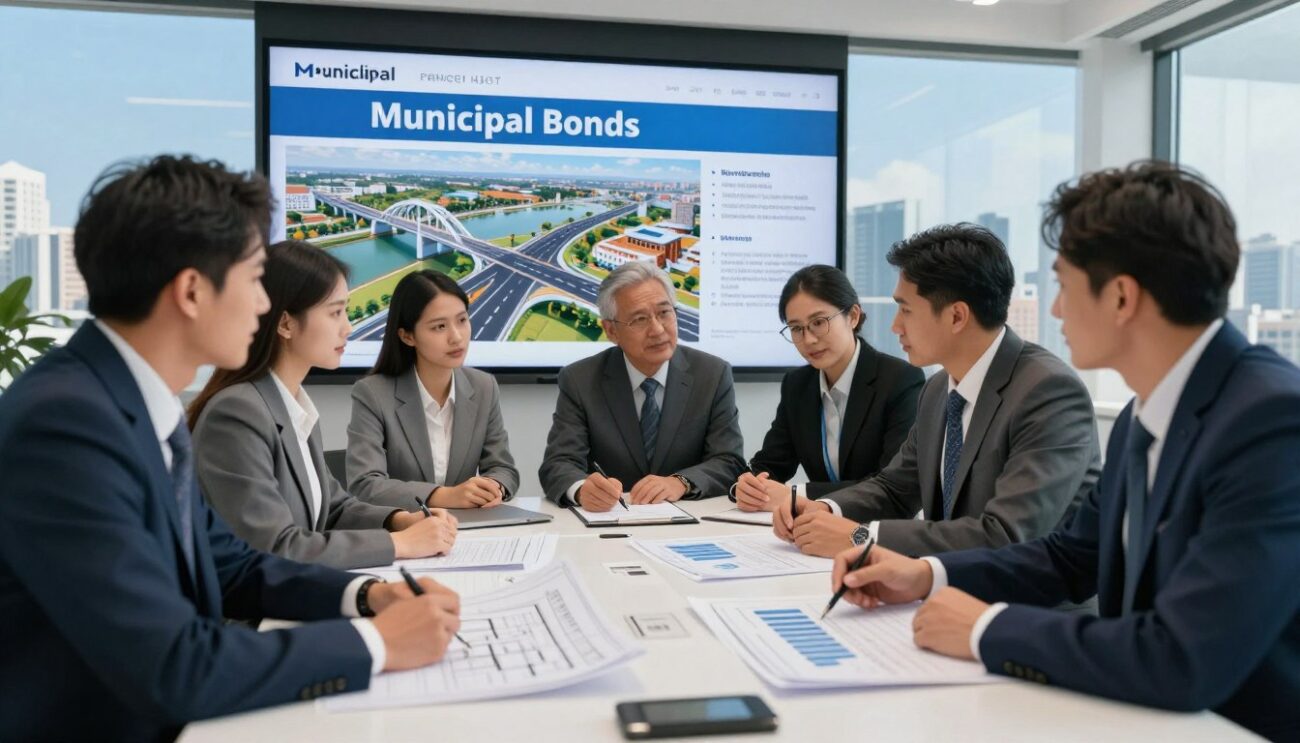
Municipal bonds are a big tool. They used to be backed by a government’s taxes. Now, project finance has changed this.
Project finance uses the income from a single asset, like a rail line or factory. The Brightline rail in Florida and the Western U.S. is a good example. It’s paid back by ticket sales and station income, not taxes.
| Feature | Project Finance Bonds | Traditional Tax-Backed Munis |
|---|---|---|
| Repayment Source | Cash flow from a single project/asset | General tax revenues of the issuing government |
| Investor Risk | Higher (depends on project success) | Lower (backed by broad taxing power) |
| Interest Cost | Typically higher to offset risk | Typically lower due to security |
| Liquidity Needs | Large reserves required for construction/downturns | Minimal project-specific reserves needed |
This change brings big tradeoffs. The promise of lower interest rates comes with risks.
- Liquidity Risk: Projects need strong cash reserves. These cover delays or income drops, keeping investors happy.
- Construction & Execution Risk: Success depends on timely and budgeted construction. Delays can harm debt repayment.
- Refinancing Walls: Debt often needs refinancing at key points. Tight credit markets can make this hard or expensive.
The State Energy Financing Institution (SEFI) program is a strong option. It’s not a loan but a way for states to help.
This help, even just 1-5% of the project cost, can unlock billions in low-cost federal loans. The state’s support makes the project safer for federal lenders.
This mix of debt and support is key. Knowing the difference between grants, loans, and tax incentives is vital for a solid funding plan.
In a high-interest rate world, managing capital is critical. Balancing public financing tools, from bonds to grants, is essential for success.
Grant Sources (state tourism, EDA, foundations)
Grants from tourism boards, economic development authorities, and foundations can help a lot. This funding doesn’t require you to give up equity or take on debt. Finding the right grants means knowing both public and private sources well.
Start with state tourism offices. They fund projects that make visiting better and help local businesses. Things like sports complexes, museums, or theaters often get funded. These grants aim to increase spending by tourists.
Economic Development Agencies (EDAs) focus on creating jobs and improving infrastructure. The U.S. Economic Development Administration gives grants for projects that make regions more competitive. Local EDAs also support projects that attract businesses, as long as they create jobs.

State Energy Offices (SEOs) and Green Banks are also important. They help fund projects like solar installations on schools. Green banks might support projects to reduce carbon emissions in industries.
Foundation grants are another big chance. Family, corporate, and community foundations support areas like education, health, or the arts. They often want to help the community, so a project that fits their goals can get a lot of money.
Finding grants is all about research. Use methods from fundraising guides. Look into university alumni networks and local business groups. They might know about foundations or corporate giving programs.
Corporate giving can include naming rights. This is not just for ads. It’s a big gift where the company’s name is on the facility. This changes how you ask for funding, from selling ads to asking for a legacy gift.
Here’s a comparison of main grant sources to help you find what you need:
| Source Type | Primary Focus | Typical Grant Size | Key Consideration |
|---|---|---|---|
| State Tourism Office | Increasing visitor spending & destination appeal | $50,000 – $500,000+ | Requires robust economic impact projections |
| Economic Development Agency (EDA) | Job creation & infrastructure development | $100,000 – $2 million+ | Strong alignment with regional economic plans is critical |
| Community Foundation | Local quality of life & specific community needs | $10,000 – $250,000 | Often requires deep local partnerships and endorsements |
| Corporate Foundation / Philanthropy | Social responsibility & community goodwill | $25,000 – $1 million+ | May involve facility naming rights as a recognition tool |
| State Energy Office (SEO) | Energy efficiency & renewable energy projects | Varies by program; can cover large % of project cost | Technical feasibility and energy savings data are mandatory |
Creating a good grant strategy means using different sources. A tourism grant might cover the visitor center. An EDA grant could help with parking and utilities. A foundation might fund a special part of the facility.
Make sure your proposal fits the funder’s goals. Show how your project meets their needs. This way, your project becomes a community investment. Getting naming rights from a corporate foundation is a great example of this partnership.
Corporate Sponsorship and Naming Rights
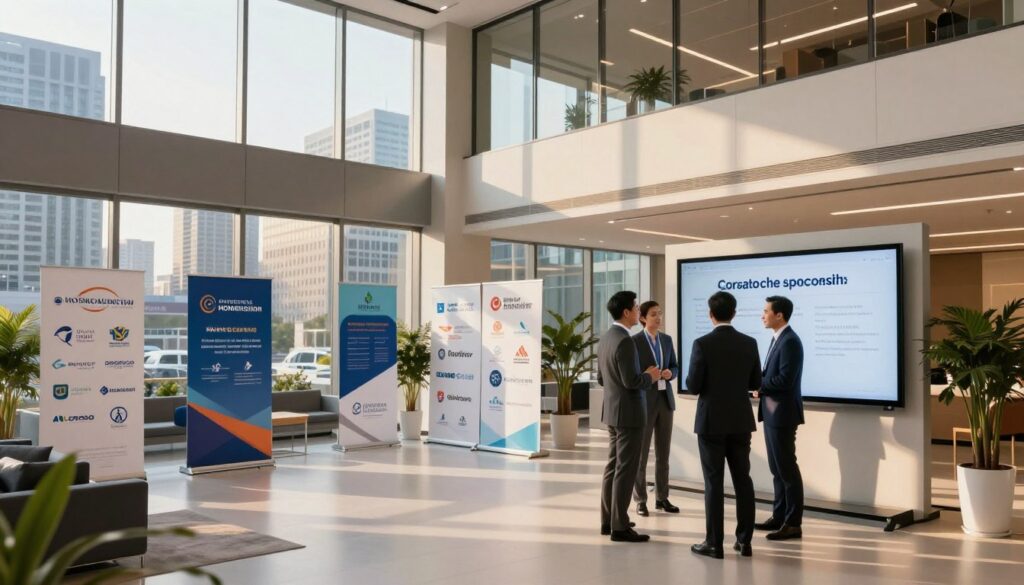
Naming rights deals are a big step in community partnerships. They bring in money for building and running things. They also help businesses get their name out there.
The idea is mutual benefit. Companies want to be seen, feel good about helping, and reach people. Your place gives them a spot to show off. Make sure to highlight these points in your proposals.
Offer different sponsorship levels to fit various budgets. This makes it easier for companies to choose. It also helps you make more money.
| Tier | Financial Commitment | Key Benefits | Ideal For |
|---|---|---|---|
| Platinum (Naming Rights) | $250,000+ | Facility naming, exclusive lounge, prime signage, all-event tickets | National brands, major local employers |
| Gold | $100,000 – $249,999 | Named arena or field, featured digital promotion, VIP parking | Regional corporations, hospital systems |
| Silver | $25,000 – $99,999 | Named conference room, logo on website, season passes | Mid-sized local businesses, service firms |
| Bronze | $5,000 – $24,999 | Donor wall recognition, event tickets, newsletter mention | Small businesses, professional practices |
Not all help is money. In-kind contributions are just as valuable. Things like materials, legal help, or food for events count too. Give them a fair value and treat them like cash sponsors.
It’s key to know a company’s goals before you reach out. Show how your project fits with theirs. Use industry guides for ideas, but make it your own.
This approach works well for tax districts projects. A tax district shows strong local support. This makes your facility a safer, more appealing choice for companies.
It’s not just about the money. It’s about being part of something the community voted for. This makes your facility a great choice for companies looking to make a difference.
Start by finding businesses that serve your facility’s users. Match their marketing goals with what you offer. Then, show them how their sponsorship can leave a lasting mark.
Pro Forma and Risk Analysis
A strong pro forma financial model brings together your project’s income sources. It mixes expected earnings from operations, grants, and sponsorships. It also includes debt repayment plans from bonds or loans.
Risk analysis tests your plan using this model. The Brightline restructuring shows important factors. These include cash flow, cost buffers, and sponsor support.
Having stable partners is key, as shown in effective sponsorship strategies.
Community Benefit Agreements (CBAs) help manage risks. They create a partnership with local groups from the start. CBAs boost public support and can prevent project delays.
The final pro forma is a dynamic tool. It must handle different scenarios, like interest rates and attendance. A flexible financial plan, like Brightline’s bond exchange, helps adapt to changes. This careful planning makes financial uncertainty easier to handle.
