
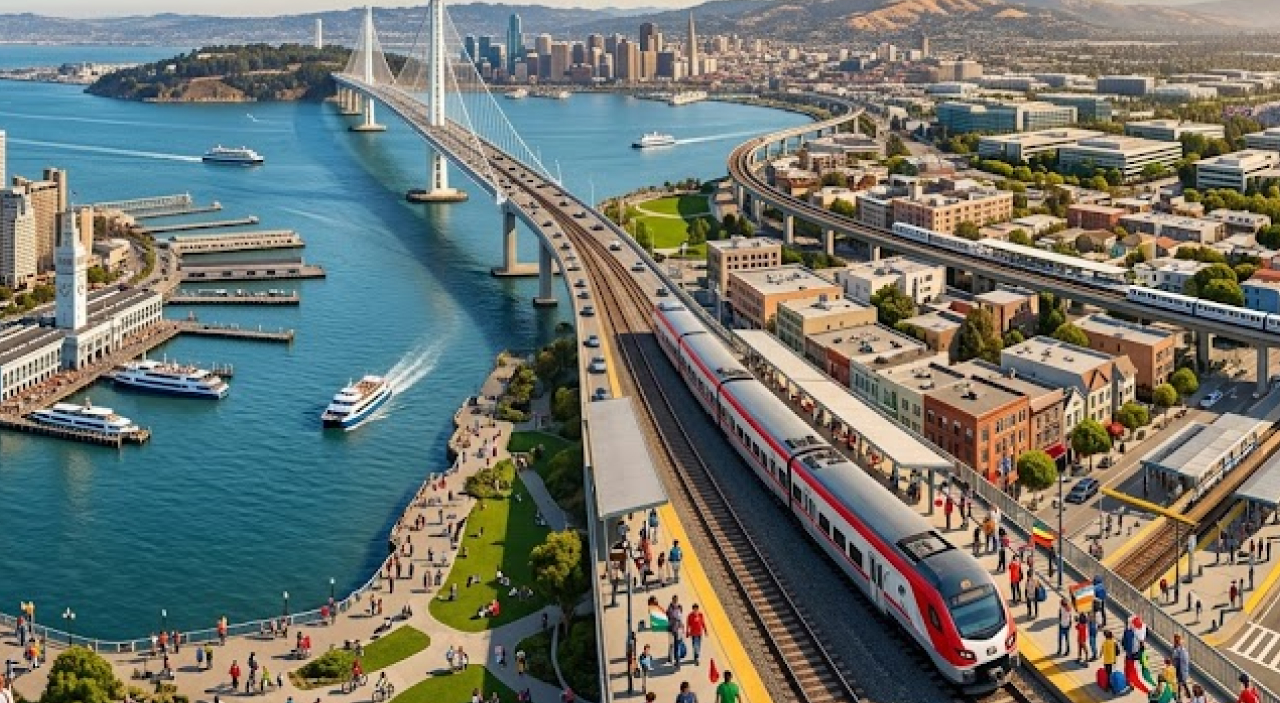
When the FIFA World Cup 2026 arrived in Northern California, the spotlight naturally focused on Levi’s Stadium in Santa Clara. Yet one of the tournament’s most significant achievements occurred far beyond the stadium gates. Rather than concentrating visitors, investments, and promotional efforts around a single venue, the San Francisco Bay Area adopted a regional strategy that connected San Francisco, San José, Santa Clara, Oakland, and neighboring communities into a unified tourism destination.
The approach reflected years of planning led by the Bay Area Host Committee, local governments, tourism organizations, transportation agencies, and business leaders. Their objective extended beyond hosting six World Cup matches. They aimed to demonstrate how a metropolitan region could distribute economic benefits across multiple cities while creating an exceptional experience for international visitors.
The results were remarkable. According to FIFA, Levi’s Stadium averaged 68,558 spectators per match, reaching approximately 99.6% of its available capacity throughout the tournament. Those visitors generated demand for hotels, restaurants, entertainment venues, museums, retail districts, and transportation systems across the Bay Area instead of remaining concentrated around the stadium alone.
For communities seeking to maximize the long-term value of sports tourism, the Bay Area has become a compelling example of how regional collaboration can strengthen economic development, improve visitor mobility, and establish a lasting destination brand.
Moving Beyond The Traditional Host City Model
Major sporting events have historically been planned around a single host city. Stadium districts often receive the majority of infrastructure investment while surrounding communities experience relatively limited economic participation.

Northern California adopted a broader vision.
Although Levi’s Stadium served as the official World Cup venue, organizers actively encouraged visitors to experience attractions throughout the region. International fans were introduced to San Francisco’s waterfront, San José’s downtown entertainment district, Silicon Valley’s innovation corridor, wine country destinations, coastal attractions, and cultural landmarks spread across multiple counties.
The Bay Area Host Committee worked closely with tourism organizations including San Francisco Travel, Visit San José, Visit Santa Clara, and local governments to coordinate visitor information, cultural programming, transportation planning, and promotional campaigns.
According to the official Bay Area Host Committee, the organization’s mission extends beyond the FIFA World Cup by positioning the region to attract future international sporting events while generating long-term economic opportunities for local communities.
This collaborative approach recognizes an important reality about modern tourism: visitors increasingly seek complete destination experiences rather than isolated event attendance.
Communities that connect sporting events with culture, dining, recreation, and regional exploration often generate higher visitor spending and stronger economic returns.
Levi’s Stadium Became The Anchor Rather Than The Entire Destination
Levi’s Stadium has established itself as one of America’s premier sports venues, hosting NFL games, international soccer matches, concerts, and championship events. During the FIFA World Cup, however, its role expanded beyond serving as a competition venue.
The stadium became the gateway to a regional tourism experience.
According to FIFA, six World Cup matches at Levi’s Stadium attracted an average attendance of 68,558 spectators, representing approximately 99.6% stadium capacity. Those numbers illustrate both the international appeal of the tournament and the region’s ability to accommodate large visitor volumes.
Rather than encouraging spectators to arrive shortly before kickoff and depart immediately afterward, tourism organizations promoted extended stays throughout the Bay Area.
Visitors were encouraged to explore neighborhoods in San Francisco, experience Silicon Valley attractions, visit local wineries, enjoy coastal destinations, and participate in cultural festivals taking place during the tournament.
This strategy expanded economic opportunities beyond Santa Clara while reducing pressure on individual hospitality markets.
| Regional Tourism Strategy | Community Benefit |
|---|---|
| Multiple destination marketing | Visitor spending distributed across cities |
| Regional transportation planning | Easier mobility throughout the Bay Area |
| Coordinated tourism campaigns | Longer visitor stays |
| Cross-city partnerships | Shared economic growth |
The World Cup demonstrated that sports venues can function as entry points into broader regional tourism ecosystems instead of isolated destinations.
Richland Chamber has examined similar trends through its coverage of regional sports tourism planning, highlighting how transportation and collaboration increasingly determine the long-term success of major sporting events.
Transportation Connected The Entire Experience
Regional collaboration would not have succeeded without efficient transportation.
Unlike many sporting destinations where visitors remain concentrated around a single venue, the Bay Area benefited from one of the country’s most interconnected transportation systems.
International travelers arriving through San Francisco International Airport (SFO), San José Mineta International Airport, and Oakland International Airport could reach hotels and attractions using a combination of BART, Caltrain, VTA Light Rail, regional buses, ride-sharing services, and coordinated event transportation.
The completion of major infrastructure improvements, including the Caltrain electrification program, strengthened rail service throughout the Peninsula while supporting faster and more frequent connections between San Francisco and Silicon Valley.
Additional information about regional transportation improvements is available through the Caltrain modernization program.
Rather than viewing transportation as simply a logistical necessity, organizers treated mobility as a core component of the visitor experience.
Efficient transit allowed spectators to spend more time exploring local restaurants, shopping districts, museums, waterfront attractions, and community events instead of remaining confined to areas immediately surrounding the stadium.
Regional Collaboration Extended Beyond Tourism
One of the most significant aspects of the Bay Area strategy was the willingness of neighboring communities to work together instead of competing for visitors.
Destination marketing organizations shared promotional campaigns.
Transportation agencies coordinated mobility planning.
Municipal governments aligned public safety operations and visitor services.
Hospitality businesses participated in regional initiatives designed to encourage longer stays across multiple cities.
This level of cooperation reflects an important evolution in sports tourism strategy.
Rather than measuring success solely by stadium attendance, host regions increasingly evaluate broader indicators including visitor spending, hotel occupancy, transportation performance, local business participation, and destination reputation.
The Bay Area’s World Cup experience suggests these objectives become more achievable when communities view themselves as interconnected partners within a larger regional destination.
As future host cities prepare for international sporting events, Northern California’s collaborative approach offers a practical example of how regional planning can expand economic opportunities while creating a richer and more memorable visitor experience.
Economic Benefits Reached Far Beyond Match Days
The Bay Area’s regional approach changed the way economic benefits were distributed during the FIFA World Cup. Instead of concentrating spending within a single stadium district, visitors traveled between multiple cities, extending their stays and supporting businesses throughout Northern California.
Hotels in downtown San Francisco welcomed international travelers who wanted to experience the city’s waterfront, historic neighborhoods, and culinary scene before attending matches in Santa Clara. Visitors staying in San José explored local museums, entertainment venues, and restaurants, while businesses throughout the Peninsula benefited from increased traffic generated by regional mobility.
This pattern reflects one of the most important developments in sports tourism: successful host regions no longer measure performance solely through ticket sales. Visitor spending across lodging, dining, retail, transportation, and entertainment has become equally important.
Regional tourism organizations deliberately promoted itineraries that encouraged fans to experience multiple destinations during their visit. By extending the average visitor journey beyond a single match, the Bay Area increased opportunities for local businesses to participate in the economic impact created by the tournament.
The strategy also strengthened destination branding. International visitors experienced the Bay Area as an interconnected region rather than a collection of independent municipalities competing for attention.
| Regional Impact Area | Long-Term Value |
|---|---|
| Multi-city hotel demand | Higher regional tourism revenue |
| Restaurant and retail spending | Broader local business participation |
| Transit system usage | Greater return on transportation investments |
| Destination marketing | Stronger global tourism reputation |
This regional distribution model offers valuable lessons for communities preparing to host future international competitions. Investments that encourage visitors to explore multiple cities often create more resilient economic outcomes than concentrating activity around a single venue.
Regional Mobility Became A Competitive Advantage
Transportation was one of the defining factors behind the Bay Area’s success.
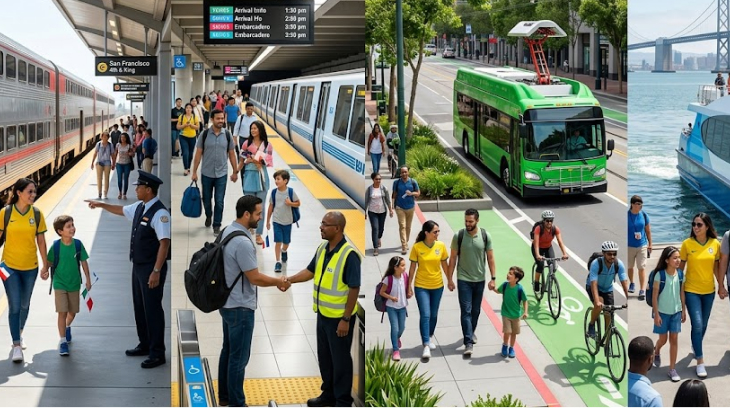
Unlike traditional event planning that focuses primarily on managing traffic near stadiums, organizers emphasized regional accessibility. Visitors could travel efficiently between airports, hotels, business districts, waterfront attractions, and Levi’s Stadium through an integrated transportation network.
The combination of BART, Caltrain, VTA Light Rail, local bus systems, and ride-share services created flexibility that benefited both residents and international visitors.
The completion of the Caltrain Electrification Project shortly before the World Cup significantly improved service frequency, travel times, and operational reliability along one of Northern California’s busiest transportation corridors.
According to the official Caltrain modernization program, the upgraded system supports faster electric trains, increased service capacity, and lower emissions while improving connectivity between San Francisco, Silicon Valley, and surrounding communities.
For sports tourism planners, transportation infrastructure has become much more than an operational necessity. Efficient mobility directly influences visitor satisfaction, economic participation, and the environmental sustainability of major sporting events.
Richland Chamber recently explored this relationship through its analysis of public transit for major sporting events, highlighting how transportation investments increasingly shape the long-term legacy of international competitions.
The Bay Area Model Offers Lessons For Future Host Regions
The FIFA World Cup demonstrated that regional cooperation can significantly increase the value of hosting global sporting events.
Several key principles emerged from Northern California’s experience:
- Coordinated destination marketing encourages visitors to explore multiple communities instead of remaining near event venues.
- Integrated transportation systems improve visitor mobility while reducing pressure on road infrastructure.
- Shared planning between tourism organizations, municipalities, and transportation agencies creates more consistent visitor experiences.
- Regional collaboration distributes economic opportunities across a wider range of businesses and neighborhoods.
These lessons are particularly relevant as American cities compete to host future NCAA championships, international soccer tournaments, professional all-star events, and Olympic competitions.
Rather than viewing neighboring communities as competitors, host regions increasingly recognize that collaboration can strengthen the entire destination.
This philosophy also supports long-term economic resilience. Infrastructure improvements, transportation investments, and tourism partnerships continue generating value after international visitors return home.
A Regional Legacy That Extends Beyond FIFA 2026
The Bay Area Host Committee has already indicated that the World Cup is only one step within a broader strategy to attract future global sporting events. By building relationships between municipalities, transportation agencies, business organizations, and tourism leaders, the region has established a framework that can support additional international competitions in the years ahead.
That long-term perspective may prove to be the tournament’s most significant achievement.
The success of the Bay Area was not defined solely by six sold-out matches at Levi’s Stadium. It was defined by thousands of visitors discovering multiple cities, using regional transit systems, supporting local businesses, and experiencing Northern California as one connected destination.
As sports tourism continues evolving, future host regions are likely to invest less in isolated venue districts and more in collaborative planning that links transportation, hospitality, cultural attractions, and community development.
Northern California has demonstrated that the strongest legacy of a major sporting event may not be found inside a stadium. Instead, it emerges through partnerships that strengthen regional economies, improve infrastructure, and create experiences that encourage visitors to return long after the final match has been played.
