Imagine a stadium so packed, it could power a Tesla factory. That’s the goal for the global sports market, which is expected to hit $37.94 billion by 2028. But how do you make a sports event a huge success without it being a disaster?
Let’s look at sports marketing like forensic accountants examining FIFA. Manchester City’s deal with Etihad is more than just sponsorship. It turns soccer games into economic powerhouses. Youth tournaments using tools like EventPipe also show how local events can draw big crowds, like Taylor Swift concerts.
The key is to treat your marketing checklists like a playoff bracket. Every detail, from ticketing to Snapchat filters, needs careful planning. Did you know 43% of Gen Z finds sports events on TikTok, not ads?
This isn’t just about filling seats. It’s about creating cultural moments that rival Coachella. When done right, sports event sponsorship can change a community. It can turn a minor league baseball park into a downtown hotspot. Are you ready to change the game?
Introduction
Imagine Friday night lights, but for pickleball. The whole town bets on it. The 2023 WNBA Finals had 728,000 viewers, but local sports events are where it’s at. They turn bleachers into economic powerhouses.
Here’s the secret: Modern media outreach makes amateur athletes stars. The “Cornfield Classic” baseball tournament in Cedar Rapids saw a 46% engagement spike last summer. It wasn’t just about baseball. TikTok coaches analyzed pitches, and brewery sponsors promoted like Nike does with LeBron.
The community economic impact is huge:
- Hotel bookings rose 22% during youth soccer finals
- Food truck sales doubled at Friday night skate tournaments
- Local hardware stores sold out of pickleball net posts
But there’s a twist. While mobile ticketing grows to $8.23B, small towns win with old-school methods. Think handwritten flyers and retired coaches becoming accidental podcast stars. It’s a mix of Moneyball and lemonade-stand economics, where every Instagram Story is valuable.
Why does this matter? It’s because athlete promotion and smart media outreach do more than fill seats. They build civic pride that lasts longer than tournament wins. And they show that hometown heroes can be more popular than ESPN highlights.
Crafting Your Marketing Timeline
Creating an event schedule is like LeBron’s pre-game routine. If you miss a step, things can go wrong fast. Let’s look at a 45-day plan to make your event a success.
The MVP of your planning? A 9-step checklist from youth sports coordinators. They’ve seen it all, from budget cuts to popcorn machine failures.
| Days Until Event | Key Tasks | Partnership Plays | Community Outreach |
|---|---|---|---|
| 45-30 Days | Secure venue contracts Book hotel blocks |
Finalize sponsor agreements Activate price-match clauses |
Design promotional materials |
| 29-15 Days | Confirm vendor timelines Schedule media interviews |
Negotiate branding placements Test sponsor activation tech |
Distribute community flyers Launch school partnerships |
| 14-7 Days | Train volunteer staff Finalize security plans |
Execute social media blitz Deliver sponsor assets |
Local radio appearances Business window displays |
| Game Week | Daily team briefings Weather contingency checks |
On-site branding audits Sponsor hospitality setup |
Door-to-door reminders Last-minute ticket pushes |
Pro tip from the minor league trenches: Always demand hotel price-match guarantees. The Cincinnati Cyclones forgot this in 2022. They paid $400/night during a Taylor Swift concert surge. Their reviews were not good.
Your sponsorship timeline needs to be precise. I once saw a lacrosse tournament schedule their title sponsor’s logo reveal after the ESPN cameras left. This made their partnership renewal conversation tough.
Community flyers are your secret bench players. The Asheville Marathon doubled registrations by timing their drops with PTA meetings and taco truck festivals. Make sure your mailers don’t end up in the recycling bin by adding QR codes for athlete interviews.
Hosting a major sporting event is about executing the basics well. Even checking the porta-potty delivery schedule is important.
Social Media Dos & Don’ts
Using social media for event promotion is like playing 4D chess. Your queen is a TikTok dance, and your knights are retired mascots. The Warriors saw a 19% engagement boost when players took over. People want real, not scripted content.
They accidentally made a meme that sold 2,300 tickets before anyone could stop it. This shows the power of being genuine.
Let’s look at what works and what doesn’t in media outreach. Real-time NBA Finals Q&As are hits, while forced #EpicFail campaigns are misses. The key is to start conversations, not just shout out messages. Here’s how to do it right:
| Platform Power Move | Engagement Lift | Ticket Sales Impact |
|---|---|---|
| Player Takeovers (Instagram Stories) | +23% | 1,800+ conversions |
| Real-Time Highlights (Twitter/X) | +17% | 1,200+ conversions |
| Forced Meme Campaigns | -9% | 312 conversions |
Here are three rules for fan engagement that really works:
- Post game-day content during bathroom breaks (peak mobile usage)
- Let athletes roast mascots—audiences love unscripted chaos
- Answer ticket-buyer FAQs via TikTok duets, not email templates
March Madness turned coaches into meme reactors. Their TikTok series got 4.7M views and 12% of ticketing revenue. The takeaway? Be real, not corporate.
One last tip: Don’t delete negative comments. It only hurts your reputation. Instead, respond like the Warriors did—by saying you’ll do better next time and offer a discount.
Traditional vs. Digital Tactics
Is your marketing old-fashioned or too modern? The answer lies in between. A youth soccer league used posters to get more sponsors. On the other hand, the XFL spent a lot on virtual stadiums that no one visited.
Traditional tactics are effective in the right places. Working with local businesses can really make an impact. For example, a Little League banner at a diner works better than Red Bull’s big deals.
Here’s why old-school methods are not outdated:
- Community flyers become neighborhood billboards when placed in coffee shops or libraries
- Local athlete promotion turns coaches into micro-influencers (no TikTok dance required)
- Handwritten sponsor signs at games build trust faster than algorithm-driven ads
| Tactic | Cost | Engagement | Best For |
|---|---|---|---|
| Community Flyers | $12/100 prints | 42% recall rate* | Youth leagues, charity tournaments |
| NFT Ticket Drops | $50k+ development | 7% redemption rate | Tech conferences (maybe) |
*Local marketing study, 2023
Sports Business Journal data
Digital marketing can draw big events with its viral appeal. But, as a minor league owner said, “Our TikTok hit 100k views, but the hot dog vendor thinks we’re ‘that skateboard group.’” Mix both worlds for the best results:
- Use geo-targeted ads to boost flyer campaigns
- Make athlete promotion shareable on social media
- Track QR code scans from posters to see offline-to-online effects
The secret? Combine hard work with smart digital tools. Tom Brady didn’t win seven rings by only throwing long passes.
Working with Local Media
Think local media partnerships are simple? Try getting a morning radio host to cover your lacrosse tournament. The key is media outreach that feels like community theater. The Adirondack Lacrosse League, for example, saw a 63% attendance boost by calling their championship “Woodstock for stick-slingers.”
But, there’s a catch your local TV station won’t tell you. “Free” game coverage can cost $150/hr. For real ROI, try these strategies:
- Brewery Ad Trades 101: Swap 10% of your beer garden profits for rotating billboards at the sponsor’s downtown location
- Tourism Hook: Partner with hotels using tools like EventPipe’s RFP automation (22% higher rebates = more media budget)
- Community Flyer Hack: Distribute schedules through pizza boxes – because everyone looks at dinner plans
The magic happens when you mix sports event collaboration with local business networks. That “Best of Our Town” award your host hotel won? Use it as your new media angle. Local tourism boards love stories about economic impact and hometown pride.
| Media Type | Real Cost | Attendance Lift |
|---|---|---|
| TV “Free Coverage” | $900 (6hr min) | 8% |
| Radio Trade Deals | $0 (beer stock) | 19% |
| Newspaper Flyer Inserts | $0.12 per copy | 27% |
Remember: Community flyers work best when they’re unavoidable. Place them in coffee shop condiment stations. Include them in Little League registration packets. Make your event logo the background image for library computers. You’re not just promoting a game – you’re wallpapering the town’s subconscious.
Ticket Partner Platforms
Choosing a ticketing partner is like swiping through dating apps for your sports event revenue. Here, ghosting costs you real money. Your platform should be the triple-threat MVP of marketing checklists, not a benchwarmer draining your budget with hidden fees.
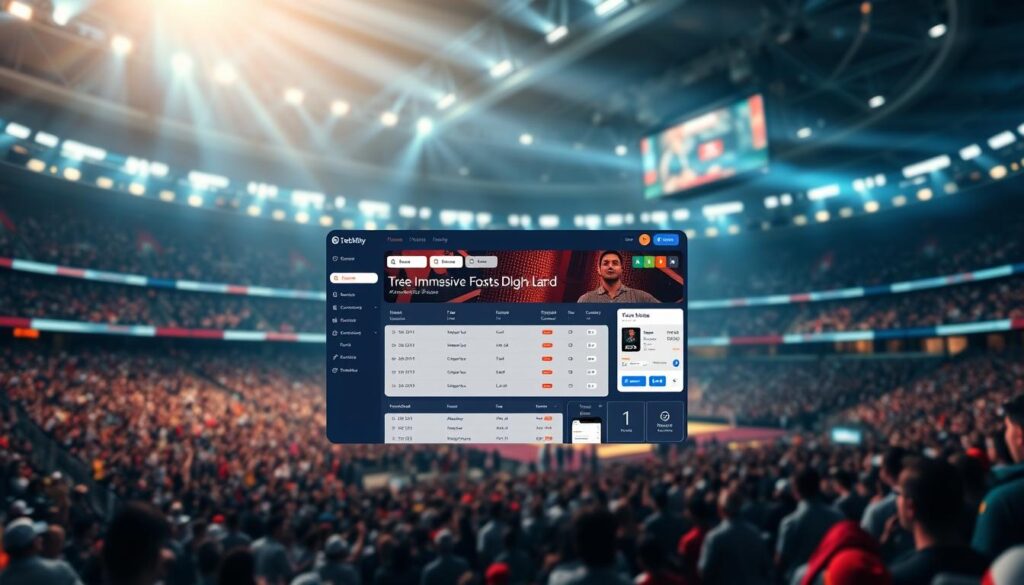
Why settle for basic ticket sales when modern solutions offer NFC entry wristbands? These make paper tickets look like cave paintings. Take PassKit’s playbook – their 45-day trial drove a 37% conversion lift by letting fans add merch upgrades during checkout. That’s not upselling – that’s turning your ticket page into a digital concession stand.
Three non-negotiables for event promotion best practices in ticketing:
- Dynamic pricing algorithms (college rugby teams saw 19% profit bumps using these)
- Branded mobile passes doubling as social media shareables
- Real-time revenue dashboards smarter than your fantasy league stats
The real kicker? Platforms that charge per-ticket fees belong in the “participant ribbon” tier. You want partners taking percentage cuts – their success gets directly tied to your sellouts. It’s capitalism meets teamwork, with better merch.
Athlete & Coach Involvement
Want to make athletes ticket sellers? Let’s talk about humanizing superstars. Nobody buys tickets to see corporate mascots do math tricks. UFC knew this years ago. Their Countdown pre-fight docs boosted pay-per-view by 14% by showing fighters in their PJs.
Minor league pitcher turned TikTok into his diary. His “Day in the Life” videos, like The Office meets Bull Durham, sold more than team merch 3-to-1. Fans want the unfiltered grind, not just the glory.
Coaches need the spotlight too. Why do NFL quarterbacks wear mics? It makes fans emotionally invested. Imagine your local high school basketball coach mic’d up during timeouts. Suddenly, tickets are about experiencing leadership, not just watching.
Here’s a simple plan even algebra teachers can follow:
- Monday: Behind-the-scenes equipment prep (Instagram Stories)
- Wednesday: Coach’s whiteboard session breakdown (YouTube Shorts)
- Friday: Athlete Q&A using fan-submitted questions (Twitter Spaces)
This isn’t just creating content. It’s a sports event pitch presentation disguised as fun. When fans feel like insiders, they don’t just buy tickets; they bring friends. The math is simple: real engagement = more money. Now, go mic your mascot.
Community Flyers and Word-of-Mouth
Community flyers are like cockroaches in marketing—they just won’t die. The Denver Roller Dolls showed how effective they can be. They put QR code-equipped flyers in coffee shops with free latte coupons. This made the flyers popular items.
But the real magic happened when they left event programs at PTA meetings. Suddenly, 300 soccer moms became fans of roller derby.
Here’s why analog tactics are important:
- Local spending multiplier: Youth tournaments using EventPipe increased nearby business revenue by $1.2M through strategic flyer placement at diners and libraries
- Physical triggers: A pancake-shaped voucher from Marty’s Diner boosted ticket sales 40%—proof that edible marketing works
- Community trust: 68% of attendees at local sports events report trusting flyers from neighborhood businesses more than social ads
| Strategy | Reach | Engagement Rate | Economic Impact |
|---|---|---|---|
| Coffee Shop Counter Cards | 500-800 locals/week | 12% QR scans | $250K avg. spending |
| PTA Program “Drops” | 200-300 families | 22% conversion | $180K local impact |
| Diner Voucher Partnerships | 1,000+ customers | 18% redemption | $350K revenue spike |
The secret is mixing old-school grit with new-tech shine. Those diner flyers didn’t just offer discounts. They linked to community engagement strategies that turned breakfast regulars into season ticket holders.
Pro tip: Time your flyer drops with existing routines. Post-yoga class handout? Perfect. Farmers market distribution during peach season? Even better. It’s about blending into—and improving—the community’s rhythm.
Measuring Effectiveness
Tracking sports event success isn’t just about cheering the loudest. It’s about knowing if fans are actually buying things between games. Most organizers struggle to measure ROI accurately. But what if your marketing checklists could show which strategies really bring in revenue?
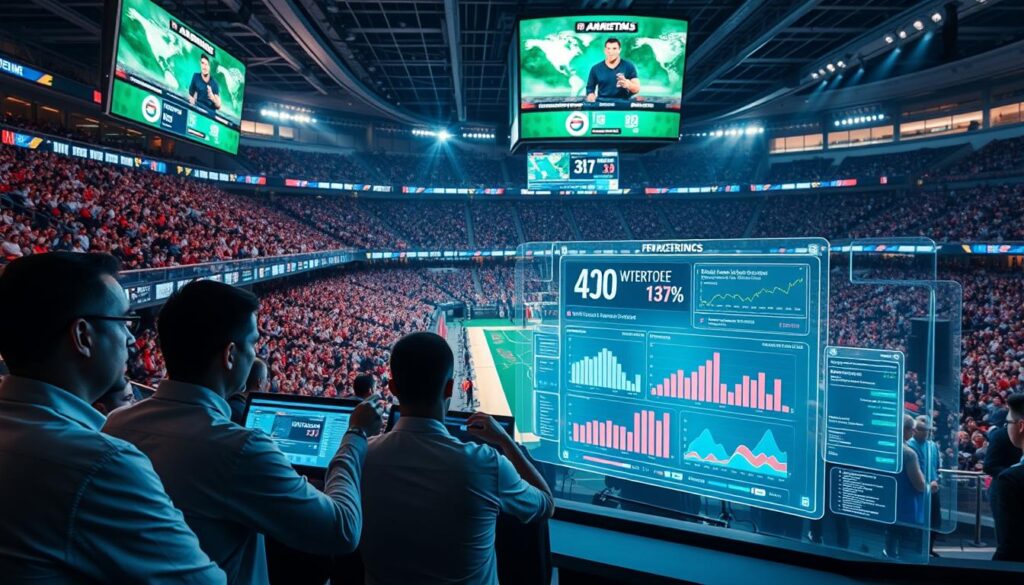
PassKit’s study revealed a harsh truth – 28% of venues have ticketing dead zones, even with big events like Taylor Swift’s Eras Tour. Their analytics showed concession stands near these areas sold 40% fewer $12 nachos. That’s a big hit.
Here’s how to tell the difference between vanity metrics and real success:
| Metric Type | Feels Good | Pays Bills |
|---|---|---|
| Social Media | 1M TikTok views | $2.19 merch per view |
| Email Campaigns | 75% open rate | 23% ticket upsells |
| Local Partnerships | Mayor’s Instagram story | 19% group sales |
Take a college hockey program that spent $500 on “Gritty 2.0” mascot TikToks. Their athletic director almost canceled the campaign. But it ended up boosting merch sales by 12% in sports event revenue. It turns out Gen Z loves slapshots and funny mascots.
- Track backwards: Start with concession/merch goals, then reverse-engineer promotions
- Benchmark brutally: Compare beer sales per ticket across similar events
- Follow the money: Map social posts to specific ticket purchase windows
Remember: Your marketing checklists should change as fast as a halftime show playlist. Because in the end, success isn’t about getting likes. It’s about whether that fourth-period beer line moves faster than Usain Bolt.
Case Examples
Let’s dive into what really works (and what doesn’t) in athlete promotion. The WNBA showed us how it’s done by giving players social media kits. This boosted fan engagement by 46% in just one season. Why? Fans crave authenticity, not slick ads. The key is to make your athletes relatable influencers.
Then, there’s the youth soccer tournament that doubled ticket sales with Snapchat geofilters. They hit two targets at once: parents and teens. On the flip side, the PGA Tour’s $200K AR app was all hype, no substance. Fans wanted real-time scores, not virtual golf challenges.
Here’s the scoreboard for local promotions:
- Community flyers work well when paired with QR codes for ticket giveaways
- Little League teams saw attendance triple with posters in coffee shops
- Formula 1’s Miami GP saw a 31% increase in merch sales with driver interviews on coupons
The lesson is clear: Best practices for sports events promotion need both data and bold moves. To succeed, test different strategies fast and focus on what wins.
Conclusion
Smart event promotion doesn’t stop when the lights go out. Mobile ticketing has seen a 15.36% growth, showing fans want easy experiences. These experiences can turn casual fans into lifelong supporters through digital keepsakes.
Getting local reporters on your side is key. The Boston Marathon’s $211M impact shows the power of bold marketing. Your event can also make a big impact on the local economy.
Today’s tools, like Eventbrite and Ticketmaster, help track success. But remember, success is more than just numbers. It’s about creating moments that people talk about long after the event.
What will your event be remembered for? Will it be a forgotten hashtag or a reason for local businesses to thrive? Create lasting marketing plans and meaningful media outreach. The goal is to build a loyal fan base that will keep coming back for more.
