
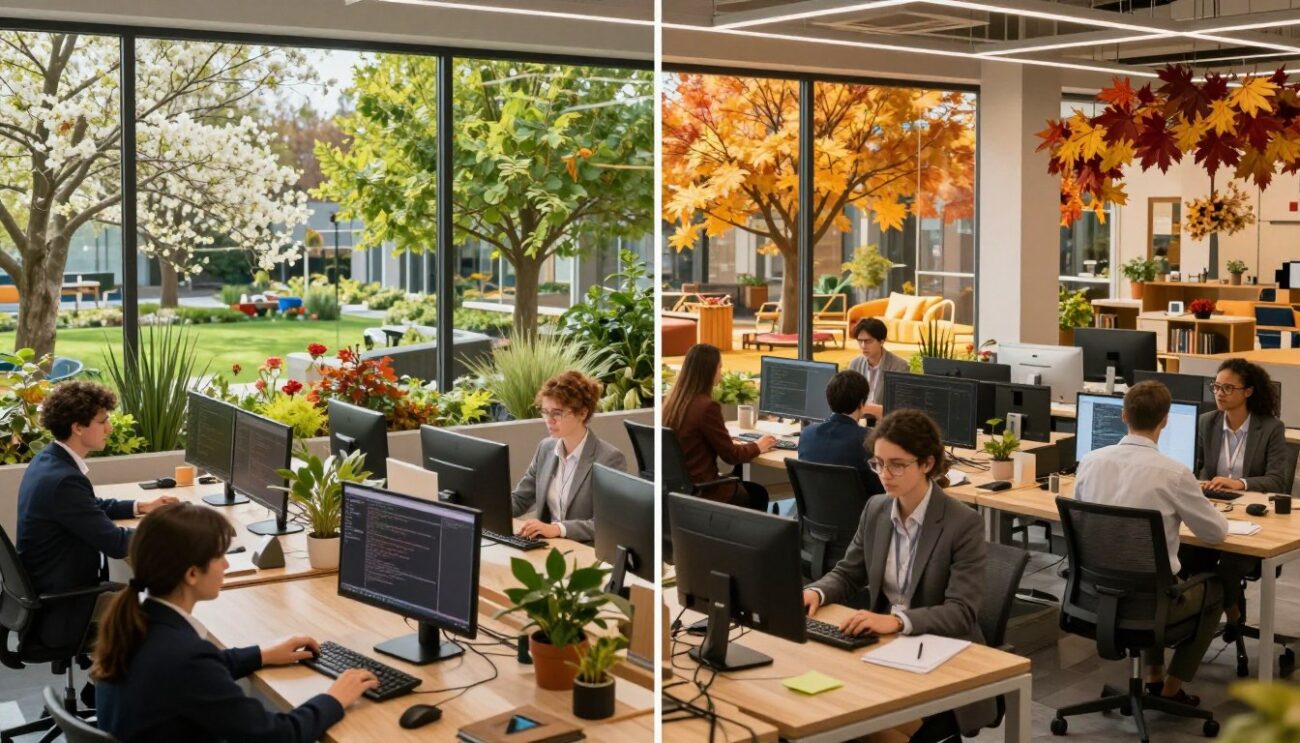
Running a programming facility efficiently means thinking beyond the typical school year. Year-round operation is key for better finances and efficiency. It makes sure your assets work every day of the year.
Understanding Seasonal Utilization is the first step. Demand for space and programs changes with holidays, school schedules, and events. It’s never the same.
You must analyze your historical data. Look at membership trends and local community calendars. This helps find your peak and slow seasons.
Finding smart off-season use opportunities fills those gaps. Think like a school district with a modified calendar. Many use patterns like the 45/15 or 60/20 track system.
These models break long instructional blocks into shorter units. They spread demand evenly across all seasons. This creates a smoother, more consistent use of buildings and resources.
This framework sets the stage for actionable strategies. The goal is to map your programming to meet demand year-round. Let’s explore how to make that happen.
Surface Conversions and Temporary Structures
Inspired by year-round education systems, sports and community facilities can be more than they seem. They can change how they’re used to make the most of every space. This way, your building can earn more without needing to grow.
A successful indoor convert needs flexible tools. For example, movable partitions and curtains can divide a big gym for different activities. Modular sports flooring can turn a hard court into a turf field for various sports. And, furniture that changes shape can turn a meeting room into a sports practice area or classroom quickly.
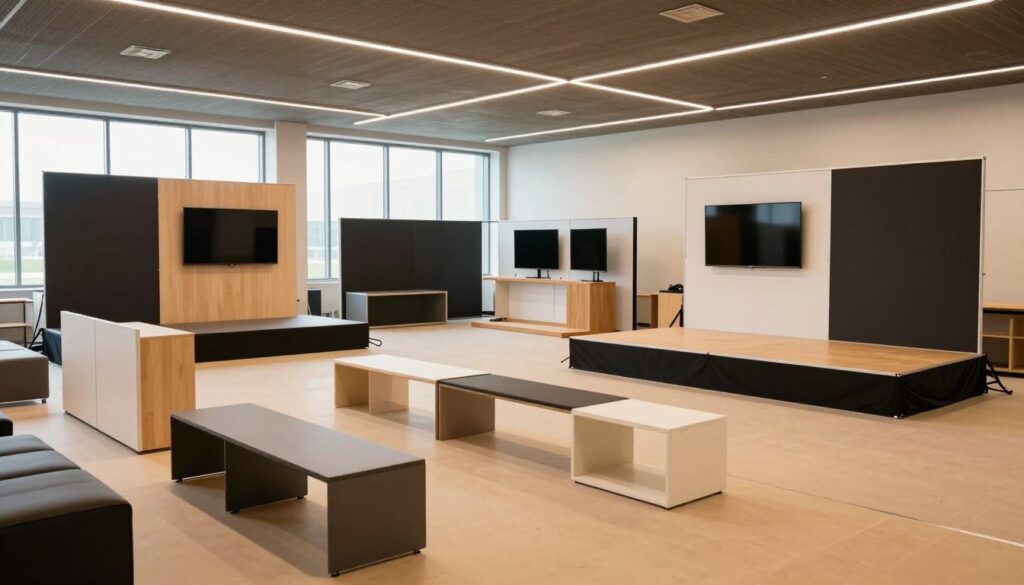
These ideas are similar to temporary fabric structures. They offer a cost-effective way to add more space. The key is to design for change, not just one use.
At times, the best change isn’t about physical changes. Think about year-round school schedules like 45/15 or 60/20. These schedules let schools use the same rooms for more students. It’s all about smart scheduling, not just physical changes.
But, every change plan has its challenges. You need to plan for storage, staff, and support services. This ensures everything runs smoothly.
| Key Advantages of Conversion | Operational Considerations & Solutions |
|---|---|
| High Impact, Lower Cost: Major new functionality without new construction. | Storage Needs: Portable items require secure, accessible storage space. |
| Rapid Pivots: Spaces can change function between events, even daily. | Room Changeover Labor: Requires flexible, cross-trained staff or clear vendor contracts. |
| Revenue Diversification: One space hosts tournaments, leagues, meetings, and clinics. | Support Service Impact: HVAC, lighting, and cleaning schedules must adapt to the new use. |
The table shows success needs good planning on both the physical and operational sides. A space that can change quickly is only valuable if you can switch it well. This requires a team effort from maintenance, programming, and front-office staff.
By combining physical changes with smart scheduling, you create a facility that’s always in use. This flexibility is key for maximizing sports tourism value and serving local leagues all year. The conversion mindset turns your existing space into your most versatile asset.
Revenue Mix (Tournaments, Leagues, Meetings)
To secure a solid financial future for your sports complex, you need more than just renting out courts. A mix of tournament, league, and event income is key. This approach helps avoid the risks of relying on a single source.
Think about healthcare funding models. Nursing homes get a base fee and extra payments for high patient needs, quality care, and full occupancy. Your sports facility can follow a similar sophisticated model.
Start with a basic court rental fee. Then, add extra charges for peak hours, special services, or guaranteed high attendance. This creates a strong and varied income stream.
The best revenue mix combines several streams. Each one rewards specific uses and commitments, much like different supplemental payments.
Integrating Profitable Community Events
Public community events are a great addition. Think of holiday camps, open play, or fitness classes. These events fill quiet times, build goodwill, and attract new users.
Like a “High Utilization” supplement, these events reward you for using your space fully. They turn idle time into money-making opportunities.
| Revenue Stream Type | Characteristics | Revenue Model Analogy | Key Strategy |
|---|---|---|---|
| Tournaments | Major one-off events, high visibility, large crowds. | Acuity Adjustment Payment (High-Intensity Use) | Charge premium facility fees. Include concessions and vendor percentages. |
| Leagues | Recurring, reliable bookings, builds a regular user base. | Pay for Performance & High Utilization | Offer discounts for long-term commitments. Provide incentives for hosting finals. |
| Meetings & Private Events | Versatile use of space (banquets, seminars, parties). | Supplemental Service Fee | Market multi-purpose rooms. Bundle A/V equipment and catering services. |
| Instructional Clinics | Skill-based programming, recurring weekly sessions. | Wage Enhancement (Specialized Service) | Hire expert coaches. Charge per participant for high-margin, focused training. |
The “Pay for Performance” model works well for leagues. Offer a 10% discount for full-year contracts. Give a facility credit for hosting a championship event.
These incentives create stable, predictable income. They reward your partners for actions that benefit your facility’s occupancy and prestige.
Your revenue mix should balance tournaments with leagues. Add the flexibility of private meetings and the engagement of public community events. This mix ensures financial stability every month.
Pricing and Contracting
A tiered pricing approach and careful contracting make indoor convert projects profitable. Your financial plan should show the real value of your space, time, and work.
Don’t use a flat fee. Instead, have different rates for peak and off-peak times, and special areas. For example, weekend tournaments cost more than weekday leagues.
Use a formula like the “Provider Fee” from other industries. It multiplies a daily fee by the number of non-Medicare days. Your fee should depend on the space used, event length, and service level needed.
Here’s a simple look at different rate structures:
| Tier | Time Frame | Service Level | Pricing Factor |
|---|---|---|---|
| Prime | Weekends, Evenings | Full Staff, Equipment Included | Premium Rate (e.g., $X/hr) |
| Standard | Weekday Afternoons | Basic Setup, Self-Service | Standard Rate |
| Non-Prime | Weekday Mornings | Facility Access Only | Discount Rate |
Your contract is your guide. A vague contract leads to problems. A detailed one keeps issues away. Every facility conversion contract must have clear, non-negotiable points.
- Setup and teardown duties for each side.
- Insurance coverage and who needs to be added.
- Damage deposit amounts and when it’s returned.
- A clear policy for cancellations and penalties.
Changes in management or ownership are risky. The nursing facility’s Change of Ownership (CHOW) process is strict. It requires a 45-day notice and clear duties for buyer and seller. Use this for any management or lease changes.
Common mistakes in these processes cause big delays. These include missing paperwork, unclear liability, and bad communication. Avoid these by outlining every step. This ensures financial and operational stability during indoor convert project changes.
Smart pricing and solid contracts are key. They help you make the most money from sports events. Your goal is to make every booking and change a smooth, profitable event. Learn more about maximizing sports event revenue and keeping your facility healthy.
Maintenance Windows and Staffing
Switching to a 12-month calendar changes maintenance from a seasonal job to a year-round task. It’s essential to rethink how you keep a facility in top shape all year. This means changing how you work and staff your facility.
When a facility is always busy, finding time for maintenance is tough. Work often happens at night or on weekends, leading to high overtime costs. Some big repairs or deep cleans need more time than just a few weeks.
Fixing problems as they happen isn’t a good plan. Instead, focus on proactive, predictive maintenance planning. Start by looking at your yearly schedule. This helps find off-season use times for big maintenance jobs.
It’s key to plan big projects for these off-season use times. Make a master schedule that matches your programming. This schedule should cover:
- Quarterly deep-cleaning and inspections.
- Annual checks for important equipment like HVAC or court surfaces.
- Biannual updates or changes to the facility.
This way, every part of your facility gets the care it needs without interrupting events.
A good maintenance plan needs a flexible team. Old job descriptions won’t cut it. You want a cross-trained, flexible staff. Custodians might help with setup and breakdown, while event supervisors do basic checks.
This flexibility is key during short off-season use times. It lets you use your team where they’re most needed. This makes your team more efficient all year, moving smoothly between tasks.
Success in using your facility all year comes from smart planning and staffing. By scheduling maintenance around your events and having a versatile team, you turn challenges into strengths. Your facility stays in great shape, costs are controlled, and your team is happy and engaged.
Examples from Comparable Cities
Real-world examples from other cities teach us about year-round facility planning. Governments often take strict actions when they ignore community impact.
In Chatham County, North Carolina, a year-long ban on new data centers was put in place. Officials wanted to study how these centers use energy and water. This move came after residents in New Hill, Wake County, raised concerns about the size and resource use.
Similar issues happen with sports and event facilities. Ignoring traffic, noise, or neighborhood impact can lead to political backlash.
But, some cities do it differently. They place major venues next to public parks. They make agreements that benefit the community and design spaces that can host both professional and local events. This approach helps build public support.
Being proactive in engaging with the community is key. We can learn from both the cautionary tales and the positive examples. A facility that caters to both elite athletes and local events can thrive all year round.
