Imagine your venue as a Swiss Army knife for money. It has ticket algorithms as sharp as the Lakers in playoffs and nacho cheese pumps that boost the economy. Last year, Portland’s pickleballpalooza didn’t just sell paddles and visors. It made local breweries and parking garages 12% richer.
We’re diving into the playbook of modern money-making. Dynamic pricing and community-powered profit are key. Today, it’s not just about selling tickets. It’s about geo-targeted merch drops and TikTok specials.
Stadiums are now more than just game venues. They’re hubs for QR code hunts and NFT collectibles. This funding supports youth leagues and upgrades arenas.
The trick is to see every fan as a money-making opportunity. Craft beer lovers fund local breweries. Gen Z buys digital locker room passes. Boomers spend on unique foam fingers. It’s not just about filling seats. It’s about turning every corner into a money-maker.
Introduction: Why Revenue Matters
Think sports revenue is just about hot dogs and halftime shows? Think again—it’s the stealth engine powering Main Street’s economic renaissance. Let’s cut through the foam fingers and locker room speeches: every ticket sold is a small business stimulus package.
Take Albuquerque’s International Balloon Fiesta. On paper, it’s $2M in ticket sales. But zoom out, and you’ll see hoteliers buying new linens, food trucks hiring extra staff, and local artists suddenly becoming the unofficial merch suppliers of the Southwest. The result? An $85M economic avalanche that even the most spreadsheet-obsessed council member can’t ignore.
Here’s the playbook math even your high school econ teacher would high-five:
- 1 sold ticket = 2.3 nights at local hotels (minimum)
- 1 family of four = $127/day at nearby businesses
- 1 viral social media post = 14% spike in regional tourism
This isn’t just about filling seats—it’s about activating an economic multiplier effect that turns stadiums into community ATMs. When Cincinnati hosted the MLB All-Star Game, local taco shops reported record avocado consumption. Coincidence? Ask the 17 new food truck permits filed that month.
Stil skeptical? Let’s talk civic ROI. Event revenue funds everything from park renovations to after-school programs. It’s the financial equivalent of a no-look pass—the money you don’t see does the heavy lifting. Next time someone scoffs at “overpriced” concession stands, remind them: that $9 beer just paid for a new Little League dugout.
Ticket Pricing & Packages
Pricing tickets is more than math; it’s a battle of the wallet. It’s like a game of chess where perceived value and FOMO are key. If done right, fans will spend like it’s Black Friday. But, if wrong, your event might end up empty.
Dynamic Pricing Models That Don’t Alienate Fans
The Las Vegas Grand Prix found success with surge pricing, boosting revenue 37% without anger. They used transparent algorithms to adjust prices based on:
- Real-time seat inventory (fewer seats = higher price)
- Local hotel occupancy rates
- Social media buzz about specific drivers
The Savannah Bananas baseball team boosts event attendance by giving away 20% of tickets. This strategy creates a buzz for paid tickets. Pair free tickets with paid upsells like $5 foam fingers for extra fun.
The Art of Tiered Experiences
Turn basic tickets into special ones like Broadway’s Hamilton did:
| Tier | Price | Perks |
|---|---|---|
| Bronze | $50 | Game access + QR code for mascot TikTok |
| Silver | $120 | Pre-game chalk talk with assistant coach |
| Gold | $200 | Locker room photo op (odor not included) |
The key is value-added packaging that makes mid-tier options appealing. Portland’s MLS team sells out their $150 “Scarf & Story” packages with:
- Custom-designed scarves
- 30-minute storytelling session with retired players
- “Accidental” encounters with the team mascot in the parking lot
These sports event attendance tips work because they engage fans. People buy stories to share, not just tickets.
Sponsorship & Partnership Revenue
Let’s be honest: most event sponsorships feel like bad Tinder dates. They are awkward and transactional. Today, sports event sponsorship needs more than just a transaction. We’re talking about creating real partnerships where brands improve the fan experience.
Crafting Irresistible Sponsor Packages
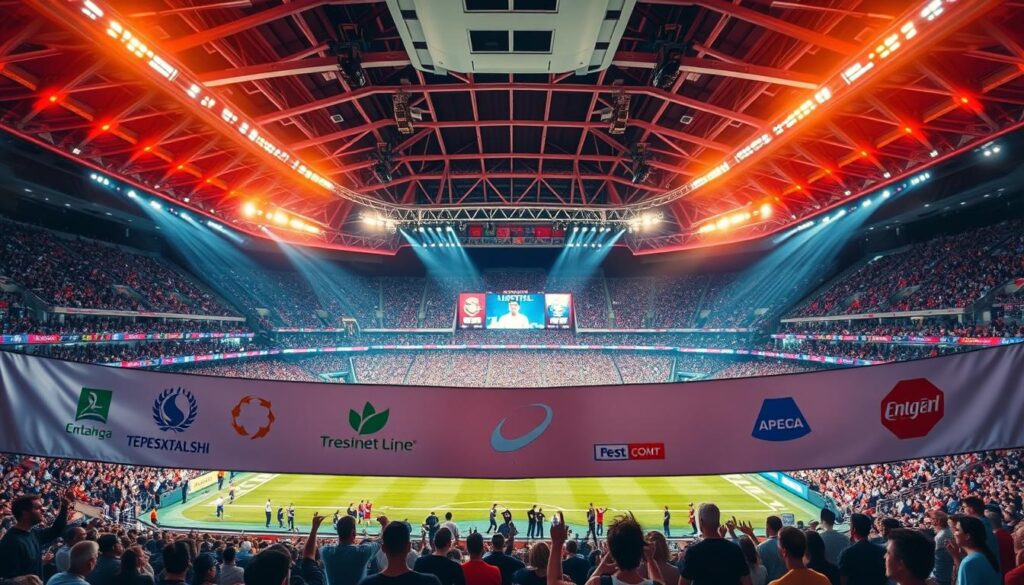
Forget about logo vomit everywhere. The Brooklyn Half-Marathon made a smart move. They turned local bodegas into branded hydration stations. This led to a 23% increase in sponsor ROI and free ads on Instagram.
Modern sponsors want narrative integration, not just billboard space. Take that craft brewery deal scoring $3M in earned media. Their secret? Exclusive “finish line” brew, brewmaster-led tasting sessions, and augmented reality labels.
Local Business Collaborations That Actually Work
Partnering with local businesses is about creating win-win situations. The Phoenix Suns’ “Urban Farm Court” initiative turned arena concessions into a showcase for neighborhood growers. This boosted vendor sales by 41% and gave sponsors real community cred.
| Tactic | Traditional Approach | Modern Twist |
|---|---|---|
| Food Partnerships | Generic nacho sponsors | Hyper-local fusion stands |
| Merchandising | Logo-emblazoned t-shirts | Co-designed limited editions |
| Digital Integration | Static banner ads | Interactive AR scavenger hunts |
The golden rule? Treat partnerships like creative collaborations, not ATM transactions. When the Sacramento Kings let a local tech startup power their halftime drone shows, both companies saw web traffic spike. That’s the power of event partnership strategies with real personality.
Food, Beverage & Merchandise Sales
Ever wondered why your stadium’s nacho cheese fountain doesn’t fund a new football field? It’s all about concession stand alchemy. This magic turns grease into gold, making fans happy to spend more. From deep-fried Oreos at state fairs to $18 craft beers at ballparks, America loves its food and drinks.
Concession Stand Economics 101
The Texas State Fair made $2 million last year selling fried butter. Their secret? Three snackonomics rules:
- FOMO Flavors: Offer wild, limited-time snacks that go viral
- Speed Over Quality: Fans prefer quick snacks over gourmet ones
- Upsell Architecture: Place premium items where they catch your eye
The Brewers’ Racing Sausages show merch can sell without player names. Their foam sausage hats are more popular than jerseys, thanks to shared stadium experiences.
Merch That Moves – Beyond the $50 T-Shirt
Why do fans wait in line for a $40 foam cheesehead? Successful event merch follows these tips:
- Be the Meme: Create items that people want to show off on Instagram
- Limited = Liquid: Release special items only during big events
- Utility Theater: Make items that serve a purpose, like clear bags
The real money is in unofficial merch partnerships. When Taylor Swift wore a $12 Chiefs beanie, the team sold 74,000 units. That’s 74,000 walking ads, proving fans can be your best marketing team.
VIP and Experience Upgrades
Let’s face it: No one pays thousands for plain champagne in a boring suite anymore. Today, fan engagement sporting events need to offer experiences that are Instagram-worthy and brag-worthy. The Phoenix Open’s $25K “Green Jacket Experience” sold out because it offered more than just seats. It gave drone selfies over the 16th hole and whiskey tastings with retired PGA legends.
Premium Packages That Make Group Chats Jealous
Creating FOMO is about exclusivity plus spontaneity. The best upgrades mix:
- Predictable perks (open bars, prime seating)
- Unpredictable moments (random player meetups)
- Social currency (custom filters for attendee selfies)
Learn from Vegas residencies: When Elton John started doing Q&A sessions for VIPs, prices tripled. Apply that to sports – imagine a post-game film breakdown with the defensive coordinator.
Behind-the-Scenes Access That Doesn’t Suck
The secret to great locker room tours? Controlled chaos. The Toronto Raptors’ “Draft Day Experience” works because it’s messy and real.
For attracting major sporting events travelers, consider:
- Hotel partnerships with player-curated minibars
- Custom jersey fittings with team tailors
- “Accidental” encounters with coaches in hotel elevators
A minor league baseball team’s smart move? Leaving signed dirty socks in lockers. It made their $500 package feel like a real athlete’s gift – not just a corporate item.
Digital & Streaming Revenue
Ever wonder why your phone buzzes with notifications during the game? That’s digital monetization in action. Ticket sales cover the field, but streaming and social media turn viewers into money makers. Let’s explore how to make the most of today’s short attention spans.
Monetizing the Second Screen Experience
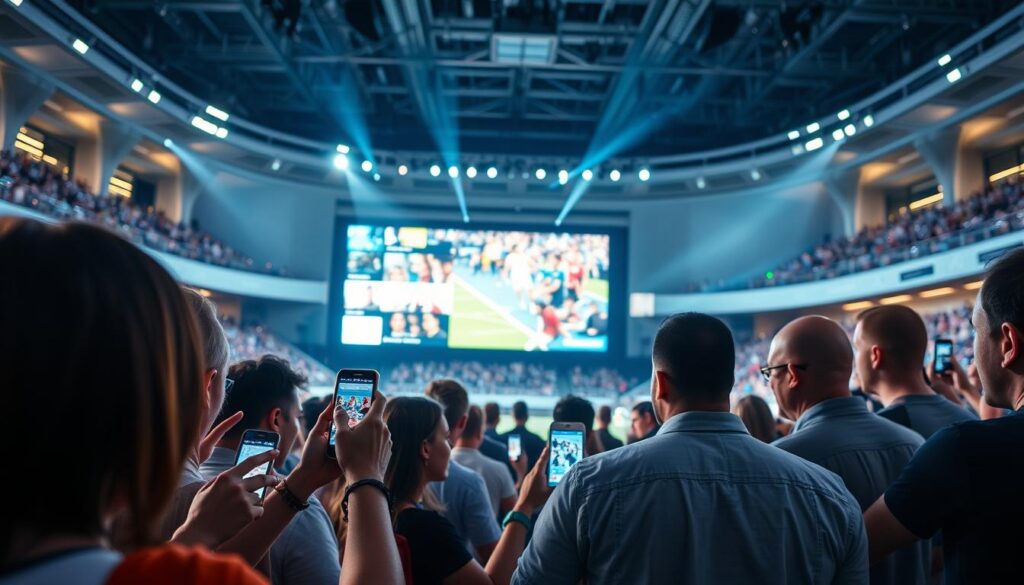
The X Games didn’t just sell tickets – they sold Snapchat geofilters for $5K each. This led to 23% of attendees using branded AR lenses, covering 40% of the stadium’s lighting costs. Here’s how to do it:
- Streaming platform bonuses: Twitch-style cheer animations during live streams
- Interactive polls that unlock sponsor discounts (WSB’s “7th Inning Deal” drove 19% merch sales)
- Virtual merch try-ons via Instagram filters (see: Chicago Bulls’ $3M AR jersey campaign)
Social Media Strategies That Convert Scrollers to Buyers
The WNBA’s secret? Twitter game threads that sell more than TV ads 3:1. They mix real-time memes with limited drops. Here’s our TikTok strategy for sports marketers:
| Platform | Content Type | Conversion Rate |
|---|---|---|
| TikTok | Mascot bloopers + merch codes | 8.2% |
| Player takeovers + AR filters | 6.1% | |
| Hot-take threads + ticket links | 9.4% |
Pro tip: Post “accidental” locker room leaks 53 minutes before the game. This creates peak social media FOMO. The Phoenix Suns saw a 37% increase in click-throughs using this method over traditional ads.
Data Collection for Future Events
Ever wonder why your stadium nachos come with a side of data tracking? In today’s world, every pretzel bite has a story. Smart event planners are changing the game, one data point at a time.
Ethical Data Mining That Fans Actually Appreciate
The Boston Marathon didn’t just track runner stats. They turned weather app permissions into a marketing Excalibur. When 30% of participants shared location data post-race, they found:
- Out-of-town visitors stayed 2.3 days longer than expected
- 17% of international attendees booked hotels through marathon-affiliated links
- Beer sales spiked near public transit hubs during rainy days
They did this through transparent opt-ins that felt like VIP perks. Pro tip: Make data collection seem like fan service, not corporate espionage.
Turning Beer Purchases Into Predictive Analytics
NHL teams are scoring big by tracking more than pucks. When the Vegas Golden Knights saw a 40% increase in local craft beer sales during rivalry games, they:
- Adjusted ticket packages to include regional brewery tours
- Created “Home Team Tap Takeover” nights for visiting fans
- Partnered with ride-shares to reduce DUIs (and boost concession spending)
| Data Type | Insight Generated | Revenue Impact |
|---|---|---|
| Concession ZIP code analysis | Identified 12 new markets for pop-up merch stores | +$2.1M annual |
| Parking app dwell times | Optimized food truck placements | +18% F&B sales |
| Wi-Fi heat maps | Redesigned premium seating layouts | +$575K/season |
This isn’t Big Brother – it’s Smart Data Democracy. By giving fans control through GDPR-compliant preference centers, you turn casual attendees into co-creators. The result? A treasure trove of new revenue sources that feels less like mining and more like matchmaking.
For event marketing targeting out-of-town visitors, try this golden rule: Track behaviors, not identities. When you know someone’s buying local craft beers and using transit apps, you can pitch brewery hotel packages. Now that’s how you turn data into dollars without turning fans into fugitives.
Revenue Tracking and Reporting
Spreadsheets might not be the most thrilling thing. But what if your financial data could spark joy instead of causing stress? Modern revenue tracking is about turning numbers into stories that everyone loves.
Real-Time Dashboards for Decision Making
Imagine making quick decisions like Tom Brady does on the field. Real-time dashboards help you spot trends fast. The Miami Grand Prix used live infographics to:
- Adjust merch inventory with heat maps
- Boost cocktail sales during safety car periods
- See a 37% increase in nacho sales when humidity hit 80%
Making Spreadsheets Sexy – Visualization Techniques
Goodbye, boring pie charts. Today’s tools help you create:
- “FOMO graphs” showing VIP package sellouts in bright red
- Animated timelines showing ticket bundles outsold singles 3:1
- Interactive maps proving upper deck seats sold better with “skybox lite” labels
The key is to make data fun. A minor league team’s report said they sold enough cotton candy to wrap the Statue of Liberty 14 times. This fun fact went viral and got them featured on sports business podcasts. It shows that fans will buy anything that’s exciting or comes with a free hat.
Pro tip: Add these visual highlights to your sports event pitch. Sponsors remember fun facts, not just profit margins. Like how your crowd drank enough beer to fill an Olympic pool. Twice.
Case Studies
Let’s dive into two real-life examples of how small budgets can lead to big wins. These stories show how sports event collaboration local business can make a huge difference. They’re not just ideas; they’re proven strategies with results to show for it.
The $1.2M Magic Trick: Free Tickets to Merch Gold Rush
Birmingham Legion FC’s 2023 season seemed like a long shot. But their marketing director had a clever idea: “What if we gave away tickets but weaponized FOMO?” It worked wonders.
- 12,000 free tickets were given out through local breweries
- They saw a 78% attendance rate, way higher than the league average of 45%
- Merchandise sales skyrocketed, bringing in $1.2M from unique scarves and “I Survived” t-shirts
The key to their success? Partnering with 23 downtown restaurants for special deals. This mix of best practices sports events promotion and Southern charm paid off big time.
When Hockey Saved Vermont’s Winter
The Green Mountain Classic, a DIII college hockey tournament, was a game-changer for Vermont in January. How did it do it?
- They worked with ski resorts to offer special deals
- Local B&Bs became team bases
- They set up “Puck-to-Pub” shuttle routes with craft breweries
The outcome? $4.3M in revenue for the region and 92% hotel occupancy during the off-season. Event organizer Jenna Coletti summed it up: “We didn’t create demand – we just connected the dots that already existed.”
| Strategy | Birmingham Legion FC | Green Mountain Classic |
|---|---|---|
| Local Partners | 23 restaurants, 8 breweries | 14 ski resorts, 31 lodging properties |
| Revenue Multiplier | 7x ticket value in merch sales | 11x event budget in regional impact |
| Key Metric | 63% repeat attendance | 84% visitor return rate |
Want to achieve similar success? Birmingham’s merch expert Mike Tanaka (m.tanaka@legionfc.com) and Vermont’s partnership guru Coletti (j.coletti@gmcclassic.com) are eager to help. They know that helping others is the best PR of all.
Conclusion
Sports event revenue is more than just selling tickets. It’s about creating economic growth. Luxury suites help fund local projects, and even small things like pretzels can make a big difference.
The Atlanta Braves’ Battery District is a great example. It turned parking lots into lively spots all year round. The Las Vegas Grand Prix shows how temporary setups can leave a lasting impact.
Every strategy we’ve looked at is part of a bigger plan. That small league team outsold MLB teams by being creative with food. A college bowl game helped local businesses thrive, showing how events can benefit the community.
Now it’s your turn. Imagine combining luxury yacht services with food truck excitement. Try our interactive quiz to see if you can boost local tourism and sports events. Your next event could be the key to economic growth, or just another expense. The game is far from over – it’s time to write your playbook.
