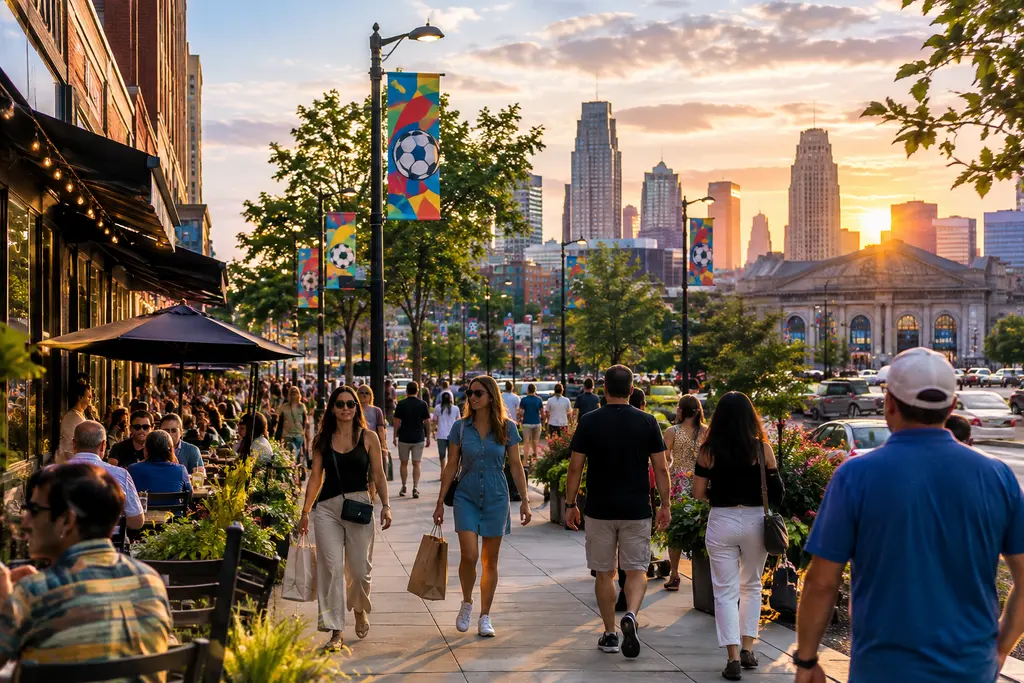
Kansas City growth has entered a new civic test after the 2026 FIFA World Cup, which ran from June 16 to July 11, 2026 and brought major visitor spending, hotel activity, and global attention to the region. The clearest question now is not whether the event was large. Visit KC reported $570 million in direct spending across nine counties and 680,000 visitors during the tournament period, according to Visit KC. The more practical question is how city officials, stadium operators, developers, employers, and neighborhood groups turn that short-term activity into durable local gains.
The post-tournament period is already tied to major decisions. The Kansas City Council approved a $185 million CPKC Stadium expansion and Berkley Riverfront infrastructure package on September 10, 2026, according to KSHB reporting cited in the research notes. The Kansas City Royals announced a $1.9 billion downtown ballpark as part of a $3 billion mixed-use Crown Center project, with a targeted 2027 groundbreaking and opening by the 2030 season, according to the Associated Press. Arrowhead Stadium renovations, I-70 work, and the Roy Blunt Luminary Park project add more moving parts to a civic agenda that will affect taxpayers, workers, business districts, and visitors well beyond sports.
What Kansas City Growth Means After The Tournament
Kansas City Growth Depends On Converting Attention
The World Cup gave Kansas City a rare test of event operations, hospitality capacity, transportation planning, and regional marketing. The event has passed, so the useful measure now is what can be carried forward. Visitor counts and room revenue matter, but they do not automatically create long-term development. City leaders will need to connect the tournament’s results to land use decisions, public works schedules, private investment, workforce needs, and small-business access.
For civic leaders, Kansas City growth is now tied to whether attention becomes repeat visits, conventions, corporate site visits, and future event bids. The research notes point to more than 40 visits by site consultants during the World Cup period, as reported by Axios. That figure suggests business-location interest was part of the tournament’s economic moment, though the notes do not specify how many of those visits led to active projects, relocations, or expansions. That uncertainty matters. Civic claims should be measured against actual announcements, permits, hiring, and public agreements.
The Nine-County Impact Matters
The reported $570 million in direct spending covered a nine-county area, not only Kansas City’s central event zones. That regional footprint should shape the next policy discussion. Hotels, short-term rentals, restaurants, transportation providers, entertainment businesses, and public agencies all experienced different effects depending on location and capacity. County governments and chambers of commerce may now have an opportunity to compare which areas gained the most activity and which communities need better connections to future events.
Readers interested in regional investment issues can explore related topics on One United Michigan, a site focusing on civic and community matters within the same network.
Visitor Spending Created A Measurable Base
Hotels And Rentals Showed Demand
The lodging figures provide one of the clearest views of what happened during the event window. Visit KC reported that from June 14 to July 11, 2026, metro hotel average daily rate increased 40.6% year over year, while revenue per available room increased 30.8% year over year. The same reporting placed hotel room revenue at more than $119 million during that period. Those numbers help explain why hospitality leaders will likely remain active in post-World Cup planning.
Short-term rentals also expanded sharply. According to the research notes citing Visit KC, active short-term rental listings in June and July 2026 rose by more than 50% compared with summer 2025. Booked room nights increased 16.5%, while revenue rose 76.7% year over year to $15.6 million. That pattern can create opportunity for property owners and neighborhood businesses, but it also raises questions for local government about housing supply, enforcement, and neighborhood quality of life.
Spending Is Not The Same As Public Revenue
The direct spending figure is substantial, but it should not be treated as a direct deposit into city accounts. Spending moves through hotels, restaurants, vendors, property owners, transportation services, and entertainment businesses. Some of it may produce sales, lodging, or earnings-related tax revenue, but the research provided does not include a public revenue estimate. That distinction should be part of every council, county, and chamber discussion.
A practical scorecard would separate visitor spending from public costs, local tax receipts, small-business participation, infrastructure wear, staffing needs, and long-term investment. That approach would give residents a better way to evaluate whether public commitments tied to sports and tourism are producing broad value.
Projects That Could Shape The Next Phase
Stadium Districts Are Moving From Event Sites To Development Tools
The Royals’ Crown Center plan is one of the largest post-World Cup development proposals in the research notes. The Associated Press reported that the club plans a $1.9 billion ballpark within a broader $3 billion mixed-use project, with about two-thirds of funding expected to be private and about one-third public. If the project proceeds on the stated schedule, construction would begin in 2027 and the ballpark would open for the 2030 season.
That proposal connects sports economics to housing, offices, retail, entertainment, transportation, and public finance. For Richland-area business readers, the Kansas City case is relevant because stadium districts increasingly function as broader development strategies rather than single-venue projects. Our prior coverage of the Royals ballpark district examined how that approach could change the public conversation around stadium financing.
Riverfront And Stadium Investments Are Part Of The Same Test
The CPKC Stadium expansion and Berkley Riverfront package approved on September 10, 2026, according to the research notes, is another example of sports investment being tied to public infrastructure. The package was reported at $185 million and included capacity growth to more than 18,000 along with housing, entertainment, transit, trails, stormwater, and drainage elements. The notes also connect the work to Kansas City’s interest in attracting parts of the 2031 Women’s World Cup.
Arrowhead Stadium’s planned $800 million renovation, reported in the research notes as beginning after the World Cup and lasting about four years, adds another major project. Planned work includes seating, concourses, video boards, parking, and bridge access. These are not isolated upgrades. Together, they form a regional question: how much public and private investment should be concentrated around sports venues, and what civic standards should guide that spending?
Civic Questions For Public Investment
Transportation Will Affect The Economic Return
The Improve I-70 KC project is already underway, with construction that began in spring 2025 and full completion slated for spring 2028, according to the research notes. The project includes replacement of 15 bridges, rehabilitation of seven more bridges, lane expansions, and an 11-month closure in 2027 between Downtown Kansas City and the stadiums. That schedule matters for commuters, freight movement, emergency planning, stadium access, and business districts that depend on predictable travel times.
Roy Blunt Luminary Park, the 5.5-acre deck over I-670 formerly known as the South Loop Project, is also under construction, according to the research notes. Its program budget is listed at $315 million, with $217 million allocated for construction and expected completion around 2029. If completed as described, the project could improve connections between downtown areas divided by highway infrastructure. The economic value will depend on maintenance funding, programming, safety, access, and whether nearby businesses and residents benefit from the new public space.
Residents Need Clear Public Benchmarks
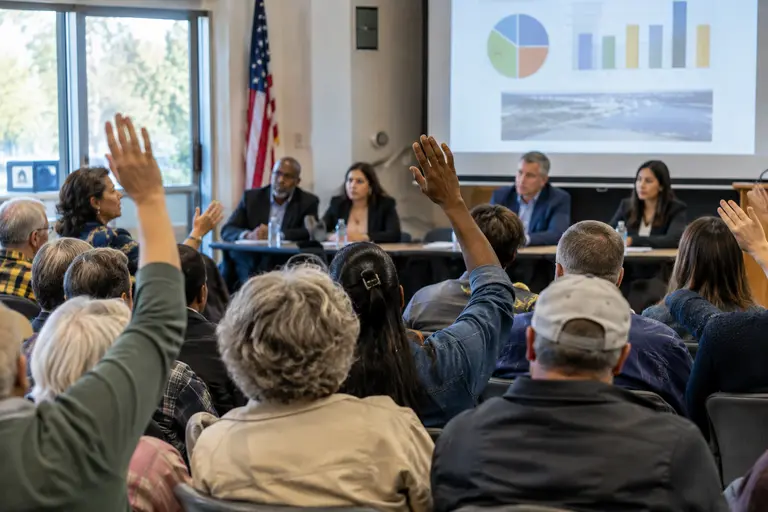
Major projects often come with large headline numbers. Residents deserve plain benchmarks that can be tracked after approvals are made. Public officials and development partners should be able to report timelines, public cost exposure, private financing commitments, infrastructure milestones, small-business participation, and expected service impacts.
- How much public funding is committed, and from which source?
- Which contracts are available to local firms and workers?
- How will construction affect roads, transit, utilities, and nearby neighborhoods?
- What revenue or community-benefit targets will be measured after completion?
- Which agency or office is responsible for public updates?
These questions are not anti-growth. They are the basic tools of accountable development. Kansas City’s post-World Cup opportunity will be stronger if residents can see how decisions are made and how benefits are measured.
Kansas City Growth Choices After The World Cup
The Next Step Is Governance, Not Celebration
Kansas City growth after the World Cup will depend on execution. The tournament produced measurable visitor activity, hotel strength, and short-term rental demand. It also helped frame a series of large public and private projects that could shape the city through 2030 and beyond. The risk is that civic leaders treat those projects as proof of success before the public can review costs, contracts, timelines, and community effects.
The stronger path is more practical. Kansas City can use the World Cup results as a baseline, then publish clear updates on stadium projects, riverfront infrastructure, highway construction, downtown public space, future event bids, and business recruitment. That would give residents, chambers, neighborhood groups, and employers a shared set of facts.
For Richland-area readers, the lesson is direct: major events can create economic momentum, but local value comes from follow-through. The spending has already happened. The civic work now is deciding which projects deserve public support, how benefits will reach local businesses and workers, and how Kansas City reports progress in a way residents can verify.
