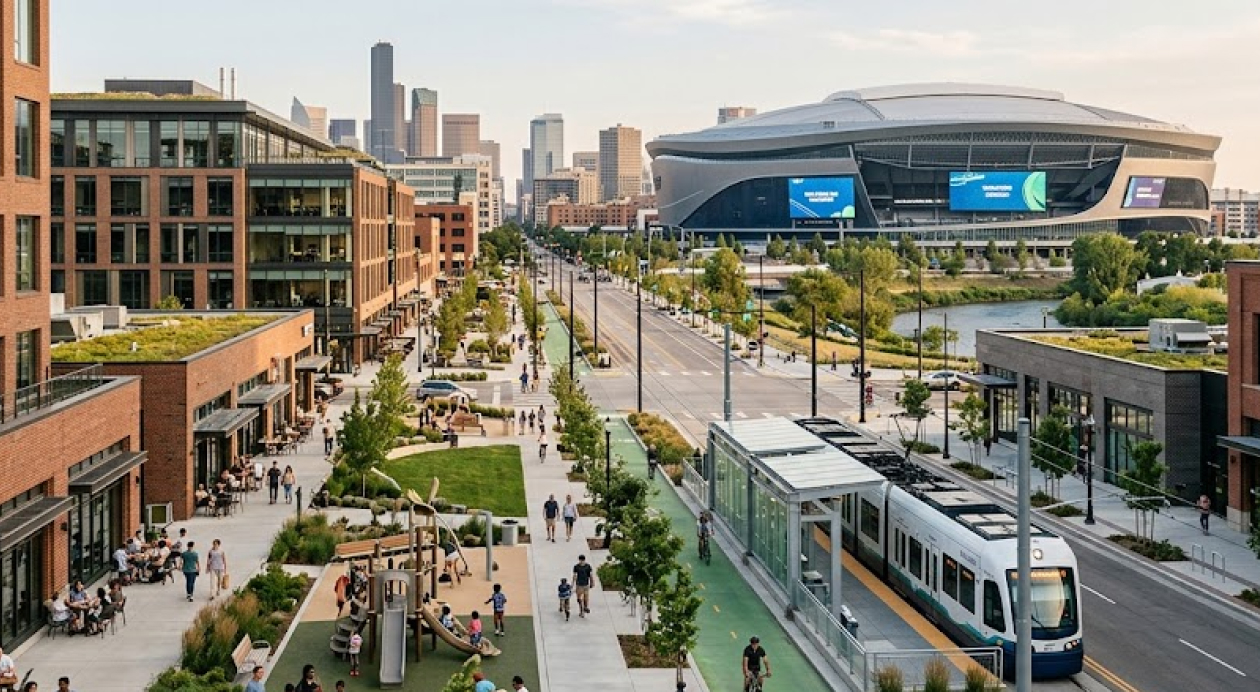
Major sporting events have become more than temporary celebrations of athletic competition. Cities increasingly view tournaments such as the Olympic Games, FIFA World Cup, and global championships as opportunities to accelerate urban improvements, modernize infrastructure, and create long-term economic benefits for residents.
The most successful host cities are no longer focused only on stadium construction or short-term tourism growth. Instead, they use major sporting events as catalysts for broader development strategies that include public transportation improvements, neighborhood revitalization, environmental planning, workforce development, and stronger community connections.
From the upcoming FIFA World Cup 2026 across North America to the Los Angeles 2028 Olympic and Paralympic Games, city planners are emphasizing legacy projects that remain valuable after the final match is played. FIFA World Cup 2026 will bring matches to 16 host cities across the United States, Canada, and Mexico, creating a unique opportunity for metropolitan areas to improve mobility systems, visitor infrastructure, and public spaces.
Sporting Events As Catalysts For Urban Transformation
Large-scale sporting events often accelerate projects that cities have already identified as priorities. The global attention created by these competitions can provide political momentum, investment opportunities, and public-private partnerships that move long-term urban plans forward.
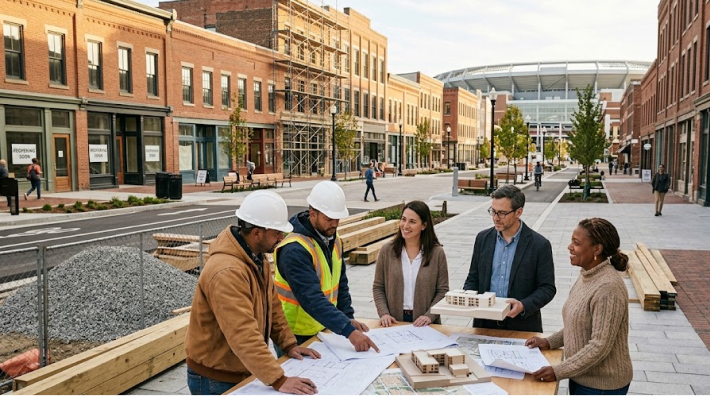
Historic examples show how sporting events can reshape city environments. Barcelona’s transformation before the 1992 Olympic Games remains one of the most recognized cases of sports-driven urban renewal. The city used the event to redevelop waterfront areas, improve transportation connections, and create new public spaces that continued benefiting residents decades later.
Modern host cities are applying similar principles but with a stronger focus on sustainability and community needs. Instead of building isolated venues, many cities are integrating sports infrastructure into larger redevelopment plans involving housing, mobility, parks, and commercial districts.
The relationship between sporting events and urban development is especially visible when cities connect event preparation with existing economic strategies. Investments made for visitors can also improve daily life for residents when they include better transit networks, safer pedestrian areas, upgraded public facilities, and improved access to recreation.
Research from the Olympic Games sustainability initiatives shows that modern Olympic planning increasingly emphasizes environmental responsibility, social impact, and long-term value rather than only event delivery.
Infrastructure Investments That Extend Beyond Competition
Transportation is one of the clearest areas where sporting events can influence urban development. Millions of visitors require efficient mobility systems, forcing cities to evaluate weaknesses in public transportation, road networks, airport connections, and pedestrian infrastructure.
The FIFA World Cup 2026 provides an example of this approach. Host cities are preparing for international visitors while using existing stadiums and urban systems to reduce unnecessary construction. FIFA’s sustainability strategy highlights the use of existing venues and environmental planning as part of tournament preparation.
The infrastructure benefits can include:
- Expanded public transportation capacity and improved connections between neighborhoods.
- Modernized airports, roads, and digital visitor systems.
- Revitalized districts surrounding venues and public gathering areas.
A major sporting event can also create a deadline that encourages governments and businesses to complete projects faster. Improvements that might otherwise take many years can receive accelerated funding and coordination.
For communities, the most valuable investments are often those that remain useful after the event ends. A new transit connection, upgraded park, or renovated community facility can continue generating social and economic value long after athletes leave the city.
Sustainable Planning And The New Sports Legacy Model
The definition of a successful sporting event has changed. In previous decades, success was often measured by the number of venues built and the size of the event itself. Today, cities increasingly evaluate success by environmental impact, community participation, and long-term usefulness.
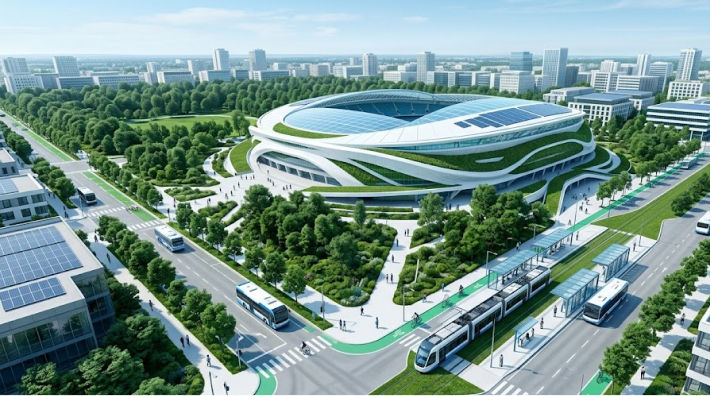
Los Angeles is taking a different approach for the 2028 Olympic and Paralympic Games by emphasizing existing facilities instead of constructing large numbers of permanent venues. The LA28 sustainability plan focuses on using current infrastructure, supporting youth sports, expanding economic opportunities, and reducing environmental impacts.
This approach reflects a broader shift in sports tourism planning. Rather than creating temporary event zones, cities are attempting to integrate sporting events into existing communities.
| Development Area | Long-Term Community Benefit |
|---|---|
| Public transportation upgrades | Better daily mobility and reduced congestion |
| Venue redevelopment | New community spaces and recreational opportunities |
| Sustainability projects | Lower environmental impact and improved resilience |
| Workforce programs | New skills and employment pathways |
Sustainable event planning also includes energy efficiency, waste reduction, accessible design, and partnerships with local organizations. These strategies help ensure that residents experience benefits instead of only temporary disruption.
Community Development Through Sports Tourism
Major sporting events generate economic activity, but the strongest community impacts often come from programs developed around the event.
Sports tourism creates opportunities for local businesses, hospitality companies, restaurants, transportation providers, and entrepreneurs. Visitors spend money in surrounding neighborhoods, supporting employment and increasing demand for local services.
However, successful community development requires intentional planning. Economic benefits are not automatic. Cities must create strategies that connect local businesses, residents, and organizations to the opportunities created by international attention.
The connection between sporting events and local growth is a key reason why communities continue investing in sports tourism programs. Regional organizations often focus on attracting tournaments, improving facilities, and developing youth opportunities because these efforts create value beyond individual events.
Richland Chamber has previously explored how sporting activities contribute to regional growth through sports tourism economic impact, highlighting the relationship between events, visitors, and community development.
Measuring The Long-Term Impact Of Major Events
Evaluating sporting events requires looking beyond attendance numbers and immediate revenue. A city’s true success depends on whether investments continue producing benefits years later.
Several factors help determine whether an event creates meaningful legacy outcomes:
- Whether infrastructure improvements serve residents after the event.
- Whether local businesses participate in economic opportunities.
- Whether communities receive access to new recreational and cultural programs.
- Whether sustainability goals continue after the competition ends.
Brisbane 2032 provides another example of this long-term planning model. Government officials have positioned the Olympic and Paralympic Games as an opportunity to improve infrastructure, strengthen communities, and support sustainable growth across Queensland.
This approach recognizes that sporting events are temporary, but urban decisions made around them can influence cities for generations.
The Future Relationship Between Sports And Urban Growth
The next generation of sporting events will likely focus less on building monuments and more on creating connected, adaptable communities. Cities are learning that the strongest legacy comes from aligning sports investments with existing urban priorities.
Future host cities will need to balance economic opportunity with affordability, accessibility, and environmental responsibility. Large events can create tremendous visibility, but lasting success depends on whether residents benefit from the changes introduced during preparation.
Major sporting events remain powerful tools for urban renewal when they are planned as community development projects rather than isolated competitions. The stadium lights may turn off after the final event, but transportation systems, public spaces, business growth, and stronger community connections can continue shaping cities for decades.
