
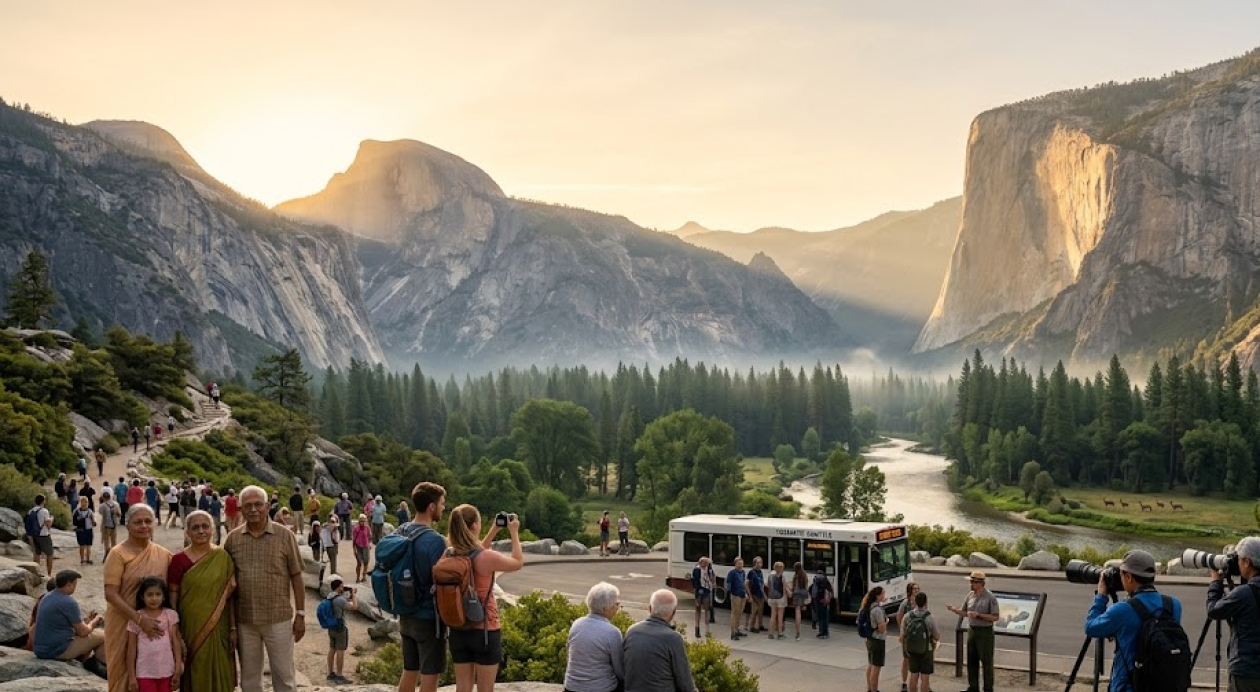
America’s national parks are experiencing one of their busiest summers in history. From the granite cliffs of Yosemite to the geothermal landscapes of Yellowstone, millions of travelers are choosing outdoor destinations for vacations, wellness retreats, family adventures, and educational experiences. The combination of strong domestic travel, international tourism connected to the 2026 FIFA World Cup, and growing interest in nature-based recreation has placed unprecedented pressure on many of the country’s most iconic public lands.
The surge is creating opportunities for nearby communities while forcing park managers to rethink visitor access, transportation, conservation, and infrastructure investments. Across the United States, agencies are balancing the economic benefits of tourism with the long-term responsibility of protecting fragile ecosystems that attract visitors in the first place.
Summer 2026 Continues a Multi-Year Growth Trend
The National Park Service entered Summer 2026 after several consecutive years of exceptionally strong visitation. According to official National Park Service statistics, the agency welcomed more than 331 million recreation visits during 2024, setting a new annual record. Early summer travel patterns suggest that many flagship parks are again operating near or at capacity during weekends and holiday periods.
Several factors explain the continued increase.
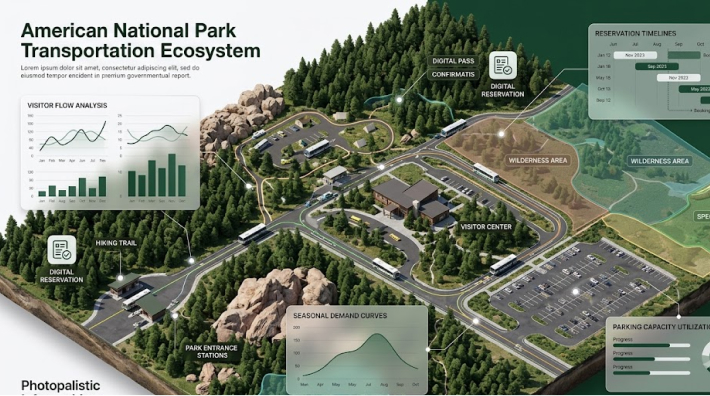
Americans continue prioritizing outdoor recreation following years of expanded interest in hiking, camping, wildlife viewing, and road trips. International visitors are also returning in larger numbers, supported by improved global travel and major events taking place across North America during 2026.
Communities located near parks have responded with expanded lodging, shuttle services, outdoor recreation businesses, and hospitality investments designed to accommodate sustained visitor demand rather than temporary spikes.
The National Park Service has simultaneously expanded digital reservation tools and visitor management strategies to improve the overall experience while protecting sensitive environments. Readers interested in broader recreation planning can also explore our guide to park wellness programs that highlights how outdoor spaces increasingly support both tourism and public health.
Reservation Systems Are Becoming a Permanent Part of Park Management
Many of America’s busiest parks now rely on timed-entry reservations or controlled access during peak visitation periods.
Rather than limiting tourism, these systems help reduce vehicle congestion, improve emergency access, shorten entrance wait times, and distribute visitors more evenly throughout the day.
Parks including Yosemite National Park have continued reservation programs during high-demand months after observing improvements in traffic flow and visitor experience. Other destinations have adopted similar approaches based on seasonal conditions, road capacity, and available parking.
Visitors planning summer vacations increasingly discover that securing accommodations alone is no longer enough. Reservations for park entry, campground sites, guided tours, and shuttle transportation may all require advance planning weeks or months before arrival.
The National Park Service encourages travelers to verify current requirements through its official park reservation resources before beginning their trip, particularly for destinations that routinely experience heavy seasonal visitation.
| Visitor Management Strategy | Primary Benefit |
|---|---|
| Timed-entry reservations | Reduces entrance congestion |
| Shuttle transportation | Lowers vehicle traffic inside parks |
| Online campground booking | Improves visitor planning |
| Capacity monitoring | Protects natural resources |
| Seasonal staffing increases | Enhances visitor safety |
Local Economies Continue Benefiting From Outdoor Tourism
National parks have long served as powerful economic engines for gateway communities.
Hotels, restaurants, outfitters, retailers, transportation providers, and local attractions all benefit when visitors extend their stays beyond park boundaries.
According to National Park Service economic reports, visitor spending supports hundreds of thousands of jobs nationwide while generating billions of dollars in economic activity each year. Rural communities located near major parks often depend heavily on seasonal tourism revenue.
Summer 2026 has strengthened those relationships.
Communities surrounding Yellowstone, Grand Canyon, Great Smoky Mountains, Acadia, Zion, and Rocky Mountain National Park have reported high occupancy rates during much of the summer season. Local chambers of commerce continue promoting extended itineraries that encourage visitors to experience museums, restaurants, festivals, wineries, and recreation opportunities outside park entrances.
The ripple effect extends beyond tourism businesses.
Construction companies, maintenance contractors, transportation providers, utility services, healthcare facilities, and workforce housing projects also benefit as visitor demand creates long-term investment opportunities.
These economic gains demonstrate why conservation and tourism planning increasingly move together rather than operating independently.
Infrastructure Faces New Challenges
Record visitation also places significant pressure on infrastructure that was originally designed for much smaller visitor populations.
Roads, parking areas, wastewater systems, visitor centers, campgrounds, trails, and public transportation all require continuous maintenance and modernization.
Deferred maintenance remains one of the National Park Service’s largest operational challenges. Aging bridges, historic buildings, water systems, employee housing, and transportation corridors require substantial investment to remain safe and functional.
Recent federal funding initiatives have accelerated many improvement projects across the park system, but continued visitor growth means infrastructure upgrades remain an ongoing priority rather than a one-time solution.
Technology is also playing a larger role.
Digital traffic monitoring, mobile information systems, reservation platforms, and real-time visitor alerts help managers respond more quickly to changing conditions while improving communication with travelers.
The official National Park Service visitation data also provides detailed statistics showing how visitation patterns continue evolving across individual parks and regions.
Conservation Efforts Must Keep Pace With Growing Tourism
Every additional visitor creates both opportunity and responsibility.
Heavy foot traffic can contribute to trail erosion, wildlife disturbance, vegetation damage, litter accumulation, and increased demand for emergency services if recreation is not carefully managed.
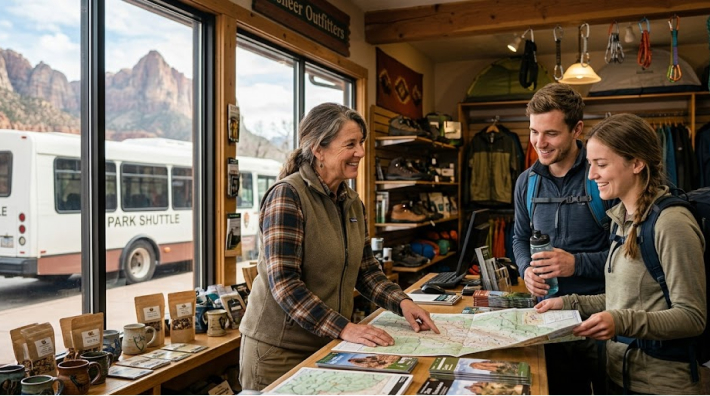
Many parks have expanded educational campaigns encouraging responsible recreation through Leave No Trace principles, wildlife protection guidelines, and sustainable transportation options.
Park managers increasingly rely on scientific monitoring to identify areas requiring restoration before permanent ecological damage occurs.
Climate conditions have further complicated management decisions.
Wildfire risks, changing precipitation patterns, prolonged drought, flooding, and extreme heat all influence how parks operate during summer months. Some trails require temporary closures, while others undergo seasonal adjustments based on environmental conditions rather than fixed calendar schedules.
Balancing visitor access with resource protection has become one of the defining responsibilities facing park administrators throughout 2026.
International Tourism Adds Another Layer of Demand
The United States is welcoming millions of international travelers during 2026, many combining visits to major sporting events with broader sightseeing itineraries.
National parks represent some of America’s most recognizable global destinations, making them natural additions to international travel schedules.
Travel industry analysts expect destinations located within driving distance of major metropolitan areas to receive particularly strong international interest throughout the year.
Western parks continue attracting overseas visitors seeking iconic landscapes, while eastern parks benefit from travelers exploring historic cities before extending trips into nearby mountain and coastal recreation areas.
This broader tourism mix encourages local businesses to expand multilingual services, international marketing, transportation partnerships, and guided experiences that appeal to visitors arriving from around the world.
The result is a tourism economy that reaches far beyond park entrance gates.
Sustainable Growth Will Shape the Future of America’s Parks
Summer 2026 demonstrates that America’s national parks remain among the country’s strongest tourism assets.
Their continued popularity reflects changing traveler preferences that increasingly favor authentic outdoor experiences, wellness-focused recreation, educational travel, and environmental appreciation.
The challenge moving forward is not attracting visitors but managing demand responsibly.
Future investments in transportation, conservation science, digital visitor management, workforce housing, infrastructure modernization, and regional tourism partnerships will determine whether parks continue delivering exceptional experiences without compromising the natural resources they were created to protect.
For communities surrounding these treasured landscapes, sustained visitation offers meaningful economic opportunity. For park managers, it reinforces the importance of thoughtful planning that preserves America’s natural heritage for future generations while welcoming millions who continue seeking unforgettable experiences in the nation’s most remarkable public spaces.
