Palm Beach County Projects approved in 2026 moved two local priorities at the same time: affordable housing production and repair of public infrastructure that residents and businesses use every day. On August 25, 2026, the Palm Beach County Board approved Housing Bond Loan Program funding for two affordable rental developments, including $10 million for The Wave at Potomac and $4,987,000 for Residences at Martin Manor II, according to the county’s August 25 agenda. Earlier, on March 13, 2026, Palm Beach County received more than $7 million in federal funding for six infrastructure projects tied to roads, bridges, and water or sewer systems, as reported by WFLX.
The votes and funding awards matter because they affect more than construction calendars. Housing approvals influence whether working households can remain near jobs, schools, medical care, and family networks. Infrastructure funding affects whether streets, bridges, drainage systems, sidewalks, bike lanes, and water facilities keep pace with growth. For local communities, the civic question is not only whether projects were approved. It is whether the benefits reach residents in practical ways and whether the public can follow the spending after the vote.
How Palm Beach County Projects Were Funded
Public Dollars Tied To Local Needs
The 2026 funding actions show Palm Beach County using several public financing channels at once. The Housing Bond Loan Program was used for affordable rental development, while federal infrastructure dollars were directed toward transportation and utility work. Those categories are different, but they share one local purpose: reducing pressure points that affect household budgets and daily movement.
The August 25 Board action placed housing dollars into named developments rather than leaving the policy goal at a general level. The Wave at Potomac was listed for $10 million from the Housing Bond Loan Program for 200 affordable rental units in two four-story buildings at 1589 South Potomac Drive. Residences at Martin Manor II was listed for $4,987,000 from the same program. Those details give residents, housing advocates, nearby property owners, and civic groups a clear starting point for asking about timelines, affordability terms, traffic review, and management plans.
The infrastructure funding had a broader geographic spread. The six federally funded projects included bridge rehabilitation, a downtown West Palm Beach rail safety and street connection project, drainage and utility improvements, sewer relining, water treatment controls, and water filtration upgrades. That mix matters because infrastructure work often receives attention only when something fails. The March 2026 awards put money toward preventive and capacity-related work before those systems become larger public costs.
Palm Beach County Projects In The County Agenda
The August housing approvals also show why county agendas are one of the most useful civic documents available to the public. An agenda item can identify the project name, funding source, dollar amount, site address, and the Board action requested. Those facts help residents move from broad debate into specific oversight.
For housing policy, that specificity is especially valuable. A statement that the county supports affordable housing is broad. A vote assigning $10 million to a 200-unit development at a named address gives residents a concrete item to track. It also gives local employers, chambers, nonprofits, school communities, and neighborhood groups a way to understand how housing supply may change near job centers and service areas.
Housing Dollars Reach Specific Developments
Affordable Units And Workforce Stability
The housing approvals are significant because they focus on rental units, a part of the market where cost pressure can quickly affect local workforce stability. When workers cannot find attainable housing near employment centers, businesses can face hiring and retention problems, and households may spend more time and money commuting. The record provided for August 25 does not resolve those challenges by itself, but it does document new county-backed investment in affordable rental supply.
The Wave at Potomac is the largest housing item in the August 25 materials cited here, with 200 affordable rental units planned across two four-story buildings. Residences at Martin Manor II received a smaller but still substantial county funding approval of $4,987,000. The public value of these allocations will depend on execution: financing closings, permitting, construction progress, lease-up rules, and long-term compliance with affordability requirements listed in project agreements.
For Palm Beach County Projects, the economic impact is best viewed through both immediate and long-term effects. Immediate effects may include planning, design, construction, financing, and professional service work. Longer-term effects may include better access to housing, safer crossings, improved utility reliability, and public infrastructure that supports private development already moving through local corridors.
Infrastructure Work Connects Safety And Growth
Bridge, Rail, Bike, And Sidewalk Investments
The Palm Beach Lakes Boulevard Bridge funding is a direct example of infrastructure renewal. The bridge was described in the reporting as 61 years old, with $1 million awarded for rehabilitation. Planned improvements included wider lanes, safety barriers, and multi-use paths for pedestrians and cyclists. That combination matters because bridge projects are not only about vehicle capacity. They can also affect how safely people walk, bike, and connect between neighborhoods and job areas.
The Fern Street Extension and Rail Safety Project in downtown West Palm Beach received $2 million. The project was described as adding an at-grade rail crossing, protected bike lanes, and better sidewalks. The reporting also connected the corridor to more than $1 billion in new development. That claim should be read carefully: the infrastructure funding does not equal $1 billion in public spending. Rather, the project is positioned as a public connection that can support development activity along the corridor.
Water, Sewer, And Neighborhood Reliability
Several of the funded infrastructure items were less visible than a bridge or rail crossing but just as relevant to daily life. The list included $1.45 million for drainage, road, and utility upgrades in Delray Beach’s Tropic Isles neighborhood; $800,000 for relining nearly three miles of sewer pipes in Boynton Beach; $1.092 million for upgrades to Lantana’s water treatment controls; and $1 million for water filtration upgrades at Dreher Park in West Palm Beach.
Those projects affect basic service reliability. Drainage work can influence street conditions during heavy rain. Sewer relining can reduce future system problems. Water treatment controls and filtration upgrades can help public facilities keep operating as intended. These are not headline-driven projects, but they are the kinds of investments that shape whether growth feels manageable to residents.
Community Oversight After The Votes
What Residents And Businesses Can Track
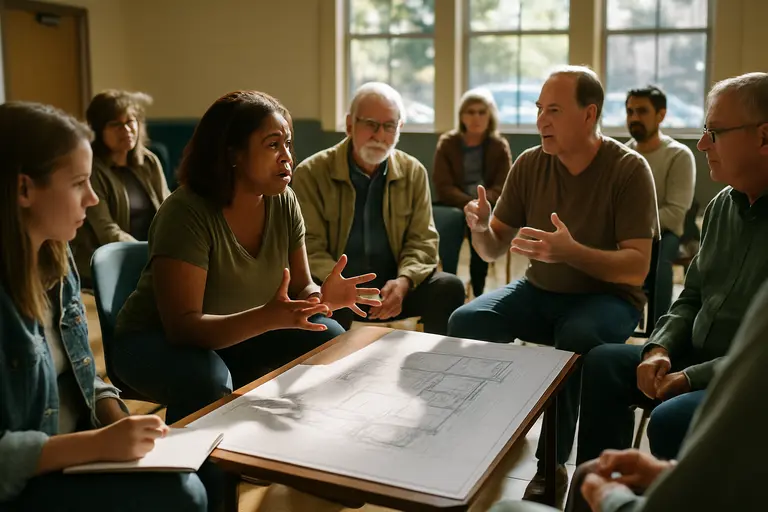
Approvals are not the last step. They are the point where public oversight becomes more detailed. Residents can watch whether county-backed housing developments meet stated unit counts, whether public funding conditions remain in place, and whether construction timelines are updated in public meetings. Business groups can track procurement opportunities, road access impacts, and the timing of infrastructure work that may affect employees, deliveries, and customers.
- Monitor Palm Beach County Board agendas for amended funding terms, final agreements, or related site actions.
- Ask how affordability terms will be verified after housing developments open.
- Track public works notices for bridge, road, drainage, sewer, and water project schedules.
- Watch whether pedestrian, bike, and sidewalk improvements are delivered as described.
- Follow how county, federal, and bond dollars are matched with private development activity.
Residents interested in understanding how public decisions in Palm Beach County reflect broader civic patterns can explore related topics at One United Michigan. This resource demonstrates how public votes are designed to be traceable from agenda listings to completed developments.
Why Attribution Matters For Local Trust
Housing and infrastructure debates can become broad very quickly. One resident may focus on traffic, another on rents, another on taxes, and another on water or drainage. Clear sourcing helps keep the public conversation tied to what was actually approved. In this case, the strongest facts are the named projects, funding amounts, dates, and project descriptions from the county agenda and the infrastructure funding report.
There are also limits to what can be said from the available record. The cited materials support the funding approvals and described project scopes. They do not, by themselves, prove final construction dates, final tenant selection, full job counts, or the total private investment that will follow each public dollar. Those questions require later agendas, contracts, permits, compliance reports, and project updates.
Palm Beach County Projects And The Civic Test
Measuring Results After Approval
The clearest test for Palm Beach County Projects will be whether approved dollars produce visible, durable results. For housing, that means completed units, enforceable affordability terms, and access for households the programs are meant to serve. For infrastructure, it means safer crossings, more reliable utilities, better drainage, and transportation links that work for drivers, pedestrians, cyclists, and transit users where applicable.
County approval was an important civic step, but the economic value will be judged through implementation. A $10 million housing allocation matters most when units are delivered and remain affordable under the terms attached to the funding. A $2 million rail safety and street project matters most when it improves movement through a growing corridor without creating avoidable burdens for nearby residents and businesses.
The practical task now belongs to the Board, county staff, project partners, contractors, residents, and civic organizations that follow public spending. The August and March 2026 actions created a public record. The next measure is whether that record turns into housing stability, safer infrastructure, and stronger local access to jobs and services across Palm Beach County.
