
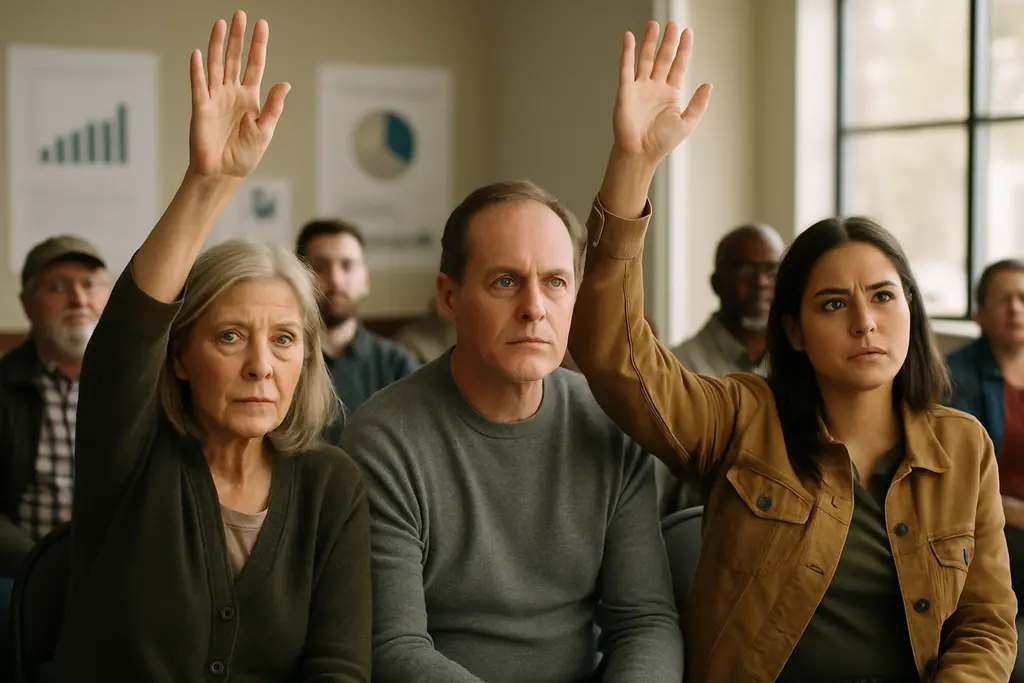
The Richland County budget process for 2027 moved from department-level planning into public board review in September 2026, with county staff presenting a draft that identified approximately $50.8 million in revenues, $50.884 million in expenditures, and a separate funding gap described at about $12.3 million, according to Citizen Portal reporting on the September 16 presentation. For residents, employees, service users, and local businesses, the issue was not only whether the numbers could be made to balance. The larger civic question was how the county would protect required services, weigh discretionary programs, and explain the tradeoffs before final action.
As of October 15, 2026, the key dates cited in the available materials had already passed, including the September 24 special full-board meeting that had been scheduled for final review and the October 7 public hearing that had been scheduled for the 2027 Specialized Transportation Assistance Grant. The research available for this report does not provide final adopted budget figures or minutes confirming every action taken after those meetings. That means the safest reading is that the draft plan showed the main pressure points, while residents should still verify final decisions through official county records.
Richland County Budget Gap And Local Impact
What The Richland County Budget Gap Shows
The Richland County budget gap described in the September materials was significant because it forced county leaders to look beyond a single line item. The draft balancing plan cited several measures: removing a proposed ambulance levy, adjusting the wage scale, changing revenue assumptions, using prior fund balances in the Children’s Institutional Fund, and increasing Pine Valley’s surplus contribution. Pine Valley was asked to contribute $950,000 in 2027, according to the same September budget account.
Those options affected different stakeholders in different ways. Removing a levy proposal may reduce one type of taxpayer pressure, but it also raises questions about how ambulance operations would be supported through other revenue sources. A wage-scale adjustment can affect county employees and recruitment. Use of fund balances may solve a near-term problem but can narrow flexibility later if future costs rise or revenues come in below expectations.
Why Service Capacity Became Part Of The Discussion
Public involvement was not limited to residents speaking from outside county government. The September reporting said department heads and elected officials used public comment to urge the board not to cut fillable positions if doing so would reduce service capacity. That concern matters in a county budget because a position left vacant on paper may still represent a service the public expects, whether in public safety, administration, highway work, health, human services, or other county functions.
For taxpayers, the practical question is whether a balancing move reduces spending without reducing service, or whether it simply shifts the cost into longer wait times, deferred work, employee burnout, or future catch-up spending. County boards often face that distinction most clearly when budgets are tight.
Cost Pressures Behind The 2027 Draft
County Guidance Set The Fiscal Guardrails
The county’s 2027 budget work was shaped by guidance issued before the September board discussion. A June 2026 county packet said the County Administrator’s objectives included meeting the operating levy limit under Wisconsin law, fully funding mandatory services, evaluating discretionary services, maintaining infrastructure, and keeping the undesignated general fund balance at a minimum of 25% of the annual general fund operating budget, according to the Richland County Executive and Finance packet. The packet also stated that no new staff positions would be added in the draft budget unless pre-approved by the County Administrator.
That guidance helps explain why the draft could not be treated as a simple wish list. The county had to stay within legal and financial limits while still funding mandatory obligations. For residents, the 25% fund-balance target is especially important because reserves can affect the county’s ability to absorb unexpected costs. A reserve target does not answer every budget dispute, but it gives the board a benchmark when deciding whether to use savings to close a gap.
Wages, Benefits, And Staffing Were Central Factors
The proposed plan assumed several personnel-related pressures, including a 2.5% cost-of-living adjustment for staff, promotion of employees by one step on the wage scale, an increase in the Wisconsin Retirement System required contribution, listed in the research at 7.2%, and an 8% projected rise in health insurance premiums. These assumptions show why wage and benefit decisions can quickly affect the whole budget.
County government is service-heavy. Employees answer calls, maintain roads, staff departments, administer programs, manage records, and carry out public obligations. That makes compensation a budget issue and a service issue at the same time. If wages lag, hiring and retention can become harder. If wages and benefits rise faster than revenue authority, the board must identify offsetting savings, new revenue assumptions, or service changes.
Public Review And Stakeholder Involvement
Meetings Created Checkpoints For Public Scrutiny
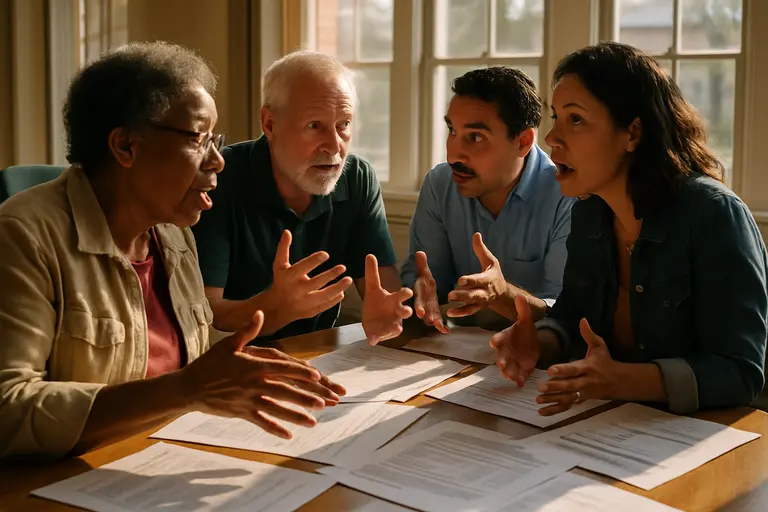
The August, September, and October meeting calendar gave residents several points to follow the 2027 draft. The Executive and Finance Standing Committee met on August 24, 2026, to review the preliminary draft budget and discuss health insurance and wage issues, according to the research notes. The County Board then reviewed the September draft on September 16. A special full-board meeting had been scheduled for September 24 for final review, with the Executive and Finance Committee expected to work through details beforehand.
The October 7, 2026 public hearing concerned the 2027 Specialized Transportation Assistance Grant. The research states that the grant involved a required county levy match of 20%, or $15,978, alongside a state allocation of $79,889. That hearing showed how even smaller grant matches can become part of the larger budget picture. Grants may bring outside dollars into the county, but many still require local participation.
How Residents Can Track The Public Record
For residents following the Richland County budget, the most useful next step is to compare the draft assumptions with the final budget documents, committee minutes, and board actions. A draft can show intent, but final adopted numbers determine levy impacts, department authority, and service planning. Residents can also compare this budget cycle with prior local coverage of county budget transparency, especially where public hearings, reporting tools, and follow-up questions are involved.
Community members who follow civic work across regional sites may also find related public-service coverage through Saint Joseph Detroit, which provides insights within the same network. For Richland County readers, though, the most direct records remain county agendas, packets, minutes, and budget notices.
- Taxpayers should watch levy assumptions, debt service, and use of fund balances.
- County employees should track wage-scale changes, benefit assumptions, and staffing decisions.
- Service users should ask whether balancing steps affect response times, program access, or transportation support.
- Local businesses should watch infrastructure, workforce, and service-capacity choices that affect daily operations.
Richland County Budget Decisions After The Draft
What Still Needed Verification After The Hearings
The Richland County budget draft gave the public a clear view of the pressure points, but the available research does not confirm the final adopted version after the September 24 and October 7 dates. That distinction matters. A preliminary document can change through committee revisions, board amendments, updated revenue estimates, staff recommendations, or public input.
The most important post-draft questions are practical: Did the board keep Pine Valley’s $950,000 contribution in the plan? Were wage-scale adjustments changed? Was the proposed ambulance levy removal retained? Did health insurance savings hold? Were any fillable positions reduced, left vacant, or restored? Each answer affects how the public experiences the 2027 budget.
Why The 2027 Draft Matters Beyond One Fiscal Year
A balanced Richland County budget for 2027 would not end the larger discussion. If one-time fund balances were used, county leaders would need to explain whether those dollars can be replaced. If Pine Valley surplus contributions helped close the gap, residents may want to know whether that level of support can continue. If wage or staffing decisions were delayed, the same issue could return in the next budget cycle.
That is why stakeholder involvement should continue after adoption, not stop when the board votes. Budget follow-up can be as simple as reading the final budget, attending standing committee meetings, asking how service levels are being measured, and watching whether department leaders return with midyear concerns. The 2027 draft showed that Richland County’s budget choices are tied to public services, employee retention, infrastructure, and taxpayer capacity. The strongest civic response is steady attention to those tradeoffs, with questions grounded in the public record.
